
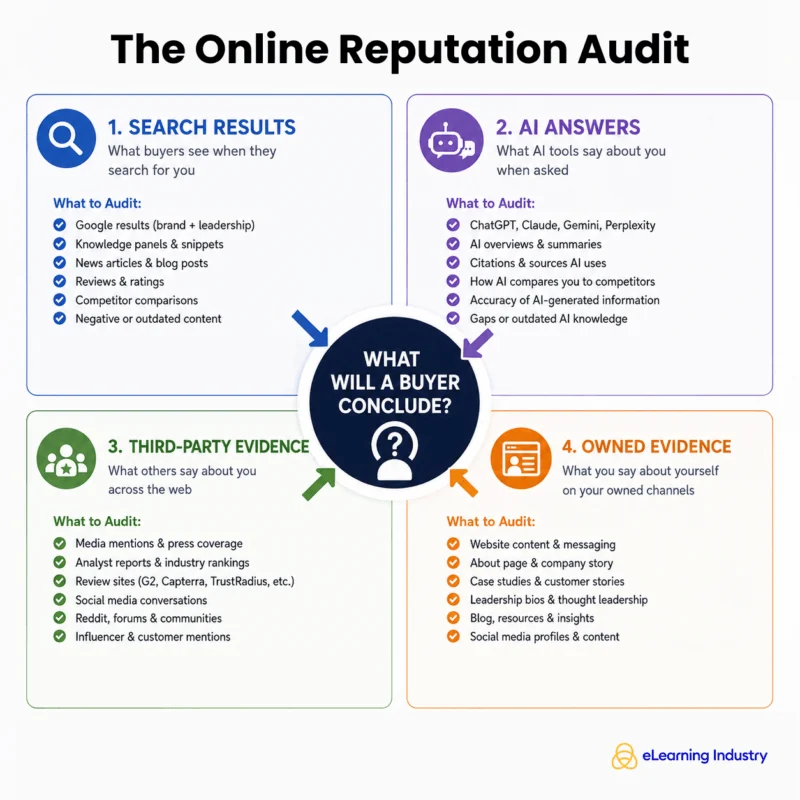
The landscape of corporate reputation has undergone a fundamental shift, moving away from a centralized model controlled by company websites toward a decentralized ecosystem of search engines, social platforms, and artificial intelligence. In this new environment, a brand’s digital standing is no longer defined merely by the first page of Google results or the tone of its latest press release. Instead, prospective buyers and stakeholders now synthesize information from a vast array of sources—including third-party directories, executive profiles, industry publications, and AI-generated summaries—before ever engaging directly with a brand. This evolution has transformed online reputation management (ORM) from a reactive exercise in damage control into a proactive, cross-functional strategy centered on the cultivation of accuracy, authority, and trust.
The Shift from Search Rankings to Evidence-Based Credibility
Historically, online reputation management was often synonymous with search engine suppression—the practice of pushing unfavorable content down the rankings by over-publishing positive, yet often superficial, material. However, the rise of sophisticated algorithms and Large Language Models (LLMs) has rendered these traditional tactics insufficient. Today’s B2B buyers, in particular, conduct extensive independent research. Industry data suggests that nearly 70% to 80% of the B2B buying journey is completed before a prospect contacts a sales representative. During this phase, buyers are not just looking for a product; they are looking for reasons to trust the organization behind it.
Modern ORM focuses on building a consistent and credible body of evidence across the digital landscape. This involves ensuring that every touchpoint—from a founder’s LinkedIn profile to a technical support forum—reinforces the same narrative of competence and reliability. The challenge for modern enterprises is that they cannot directly control every search result or AI-generated answer. Instead, they must focus on improving the quality, consistency, and availability of the data from which these platforms draw their conclusions.

The Impact of Generative AI on Brand Narrative
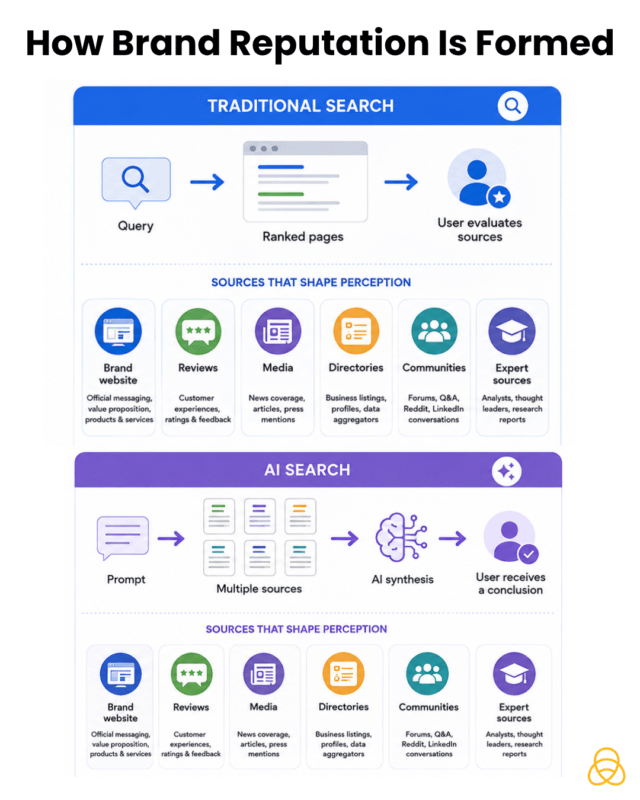
The introduction of AI assistants like ChatGPT, Claude, and Google’s Gemini has added a layer of complexity to reputation management. Unlike traditional search engines that provide a list of links for the user to evaluate, AI platforms often provide a synthesized conclusion. If a buyer asks an AI assistant whether a specific software vendor is suitable for an enterprise-level deployment, the AI will scrape website data, customer reviews, news articles, and forum discussions to provide a summarized verdict.
This shift has given rise to a new discipline often referred to as Generative Engine Optimization (GEO). The goal of GEO is not to manipulate the AI, but to ensure that the information available for the AI to "read" is accurate and authoritative. If a brand’s information is fragmented—with outdated pricing on one directory and conflicting service descriptions on another—the AI may produce "hallucinations" or provide an unfavorable summary based on inconsistent data. Consequently, maintaining a "single source of truth" across the web has become a critical operational requirement for reputation health.
The PROOF Framework: A Multi-Dimensional Strategy
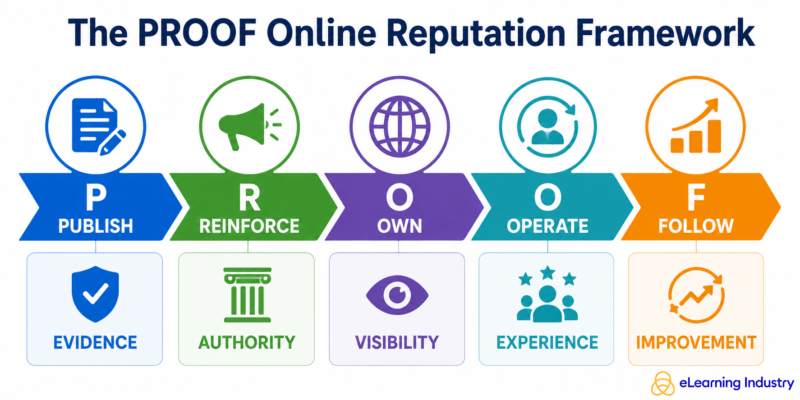
To navigate this complexity, industry experts have developed the PROOF framework, a structured approach to managing a modern digital reputation. This framework categorizes ORM into five distinct pillars:
- Publish Accurate Brand Evidence: This involves the dissemination of clear, current information regarding products, leadership, and corporate policies. In an era of skepticism, "marketing fluff" is less effective than technical documentation, security certifications, and transparent pricing models.
- Reinforce Trust Through Third Parties: Direct claims made by a company carry less weight than those validated by external sources. This includes earning media coverage in reputable trade journals, securing placements on industry "top lists," and fostering a robust ecosystem of customer reviews.
- Own and Optimize Critical Search Assets: While a company cannot own the entire internet, it can claim and optimize its profiles on high-authority platforms such as LinkedIn, Glassdoor, G2, and specialist industry directories.
- Operate Credibly Across Customer Touchpoints: Reputation is ultimately a reflection of reality. If a marketing campaign promises seamless onboarding but the actual customer experience is fraught with technical hurdles, the resulting negative reviews will eventually overwhelm the marketing narrative.
- Follow and Improve the Narrative: Reputation management is an ongoing cycle of monitoring and adjustment. Companies must track not only what is being said but also how their brand is being categorized by AI and search algorithms over time.
Strategic Implementation: Auditing and Content Development
The first step in a modernized ORM strategy is a comprehensive reputation audit. This process goes beyond a simple search of the company name. A thorough audit examines "branded search" queries—such as "[Brand Name] + reviews" or "[Brand Name] + alternatives"—to understand the specific concerns of buyers during the evaluation phase. It also involves testing AI prompts to see how the brand is summarized in various contexts.
Once the audit is complete, the focus shifts to content that resolves buyer uncertainty. Uncertainty is the primary driver of friction in the sales process. Brands that proactively address difficult topics—such as product limitations, implementation timelines, and security protocols—build more trust than those that avoid them. For instance, a company that publishes an honest comparison between its product and a competitor’s may lose a few ill-fit leads, but it gains immense credibility with its target audience, positioning itself as an expert advisor rather than a mere vendor.
The Role of Executive Visibility and Thought Leadership
In the B2B and technology sectors, the reputation of the leadership team is inextricably linked to the reputation of the company. Prospective partners and investors often research a CEO or a Product Lead before committing to a high-stakes agreement. Effective ORM requires a strategy for executive visibility that emphasizes genuine expertise over self-promotion.
By contributing guest articles to industry publications, appearing on specialized podcasts, and maintaining professional social media presences, executives can provide the "human" element of trust. However, this must be handled with care; generic, AI-generated social posts can actually damage an executive’s credibility. The goal is to provide unique insights that demonstrate a deep understanding of market challenges and customer needs.
Operational Alignment and Risk Mitigation
A common pitfall in reputation management is treating it as a purely communicative function. In reality, the most significant reputation risks often stem from operational failures. Negative sentiment in customer reviews or social media discussions is frequently a symptom of underlying issues in product quality, customer support, or billing transparency.
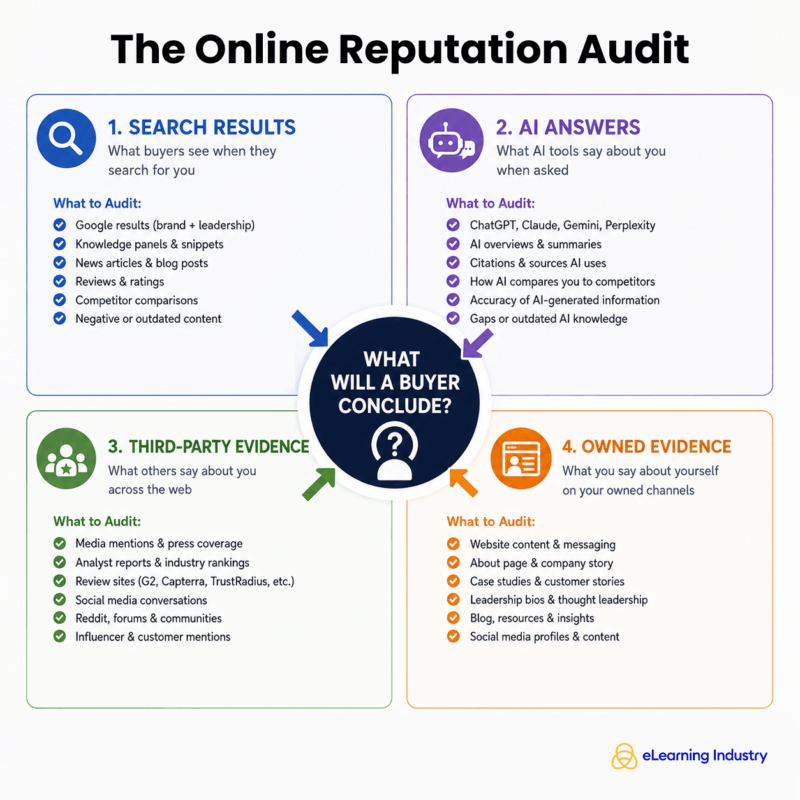
To be effective, reputation insights must flow back into the rest of the business. If an audit reveals that AI systems frequently cite "slow customer support" as a weakness, the solution is not a better PR campaign; it is a strategic investment in the support department. When marketing and operations are aligned, the brand narrative becomes a reflection of a positive reality, making it much more resilient to occasional criticism.
Furthermore, companies must prepare for external risks, including misinformation and coordinated negative campaigns. A robust risk response plan distinguishes between legitimate customer complaints—which require a direct, professional resolution—and malicious misinformation, which may require legal escalation or platform-level reporting. By establishing clear governance and escalation policies, organizations can respond to crises with speed and composure, preventing a localized issue from becoming a systemic reputation failure.
Measurement and Long-Term Impact
The success of an ORM strategy cannot be captured by a single metric. Instead, organizations must measure impact across several dimensions:
- Search Visibility: Are authoritative, company-controlled, or positive third-party assets dominating the first page of results for key branded queries?
- AI Share of Voice: How often is the brand cited as a recommended solution in AI-generated summaries for its category?
- Sentiment and Advocacy: Is the volume of positive customer reviews increasing, and is the tone of media coverage shifting toward a more favorable or neutral stance?
- Commercial Influence: Is the reputation strategy contributing to a higher win rate in sales cycles or a lower cost of customer acquisition?
The long-term implication of effective reputation management is the creation of "brand equity"—a buffer of goodwill that protects the company during market volatility or internal transitions. In a digital economy where trust is both a competitive advantage and a fragile asset, the ability to curate a credible, evidence-based online presence is a prerequisite for sustained growth.
As search engines and AI continue to evolve, the core principles of reputation management will remain rooted in transparency and proof. Organizations that prioritize the accuracy of their digital footprint and the quality of their customer experiences will find themselves well-positioned to earn the trust of the modern, information-empowered buyer. The future of reputation is not about controlling the conversation, but about providing the best possible evidence for a favorable conclusion to be reached by humans and machines alike.






