
This week, Cornerstone, a titan in the corporate learning technology sector with an estimated annual revenue of around $1 billion—significantly larger than competitors like Docebo—unveiled its strategic pivot into the complex and rapidly evolving domain of artificial intelligence. This significant announcement comes as the company prepares for the launch of its forthcoming research initiative, HR 2030, signaling a proactive approach to the transformative changes reshaping the future of work and learning.
Cornerstone’s Current Standing
With a formidable client roster exceeding 7,000 enterprise customers, including many of the world’s most recognizable brands, Cornerstone currently serves an estimated 140 million users globally. Its core business revolves around Learning Management Systems (LMS) and Learning Experience Platforms (LXP), supplemented by a robust talent management suite. Founded 27 years ago as an e-learning platform provider, Cornerstone established itself as a pioneer in the "talent-driven learning platform" market. Over its history, the company has demonstrated a consistent ability to either outmaneuver or acquire direct competitors in the standalone LMS space, solidifying its dominant position in a market estimated by industry analysts to be worth approximately $30 billion. However, this market is also significantly influenced by major human capital management (HCM) players such as Workday, Oracle, and SAP.

The company’s strategic acquisitions in recent years—including EdCast for LXP capabilities, Skyhive for skills and labor market data, and Tailspin for virtual reality content—have bolstered its offerings. Despite being a profitable entity, its market valuation has not seen substantial growth since its privatization in 2021 for $5.5 billion (approximately 5 times its current revenue). This valuation plateau is largely attributed to broader market shifts within its core operational segments. Cornerstone’s leadership team, comprised of experienced and execution-focused professionals like Himanshu Palsule and Michael Pawlyszyn, has been actively addressing these market dynamics by expanding its sales channels, promoting integrated solutions, and enhancing its product features. Nevertheless, the company acknowledges the need for a more profound transformation, recognizing that its brand perception may be perceived as dated by some customers, leading to increased vendor evaluations during renewal cycles.
The AI Disruption: A Paradigm Shift in Learning
The corporate learning landscape is undergoing a seismic shift, driven by the rapid advancement and integration of artificial intelligence. The emergence of advanced generative AI models, exemplified by the widespread adoption of tools like ChatGPT in late 2022, has fundamentally challenged the traditional paradigms of e-learning and the delivery of pre-packaged training content. This $400 billion market, once characterized by the laborious creation and dissemination of static course materials, is now being reinvented at an unprecedented pace.
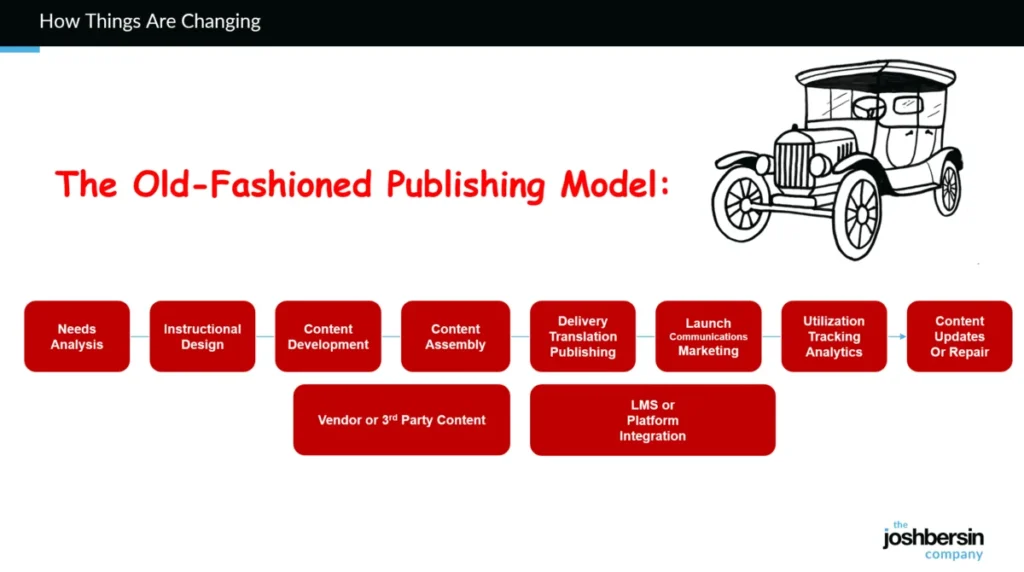
For decades, the process of developing corporate training content involved a significant investment of time, resources, and expertise. Instructional designers, graphic artists, and subject matter experts meticulously crafted courses, videos, assessments, and simulations. This content was then translated, tested, and published into Learning Management Systems, often adhering to the SCORM (Sharable Content Object Reference Model) standard, a 35-year-old tracking protocol. The creation of a single comprehensive course could take months and cost tens of thousands of dollars, a process that, while effective in its time, is inherently slow, inflexible, and expensive. This has led to questions about the return on investment for such lengthy development cycles.
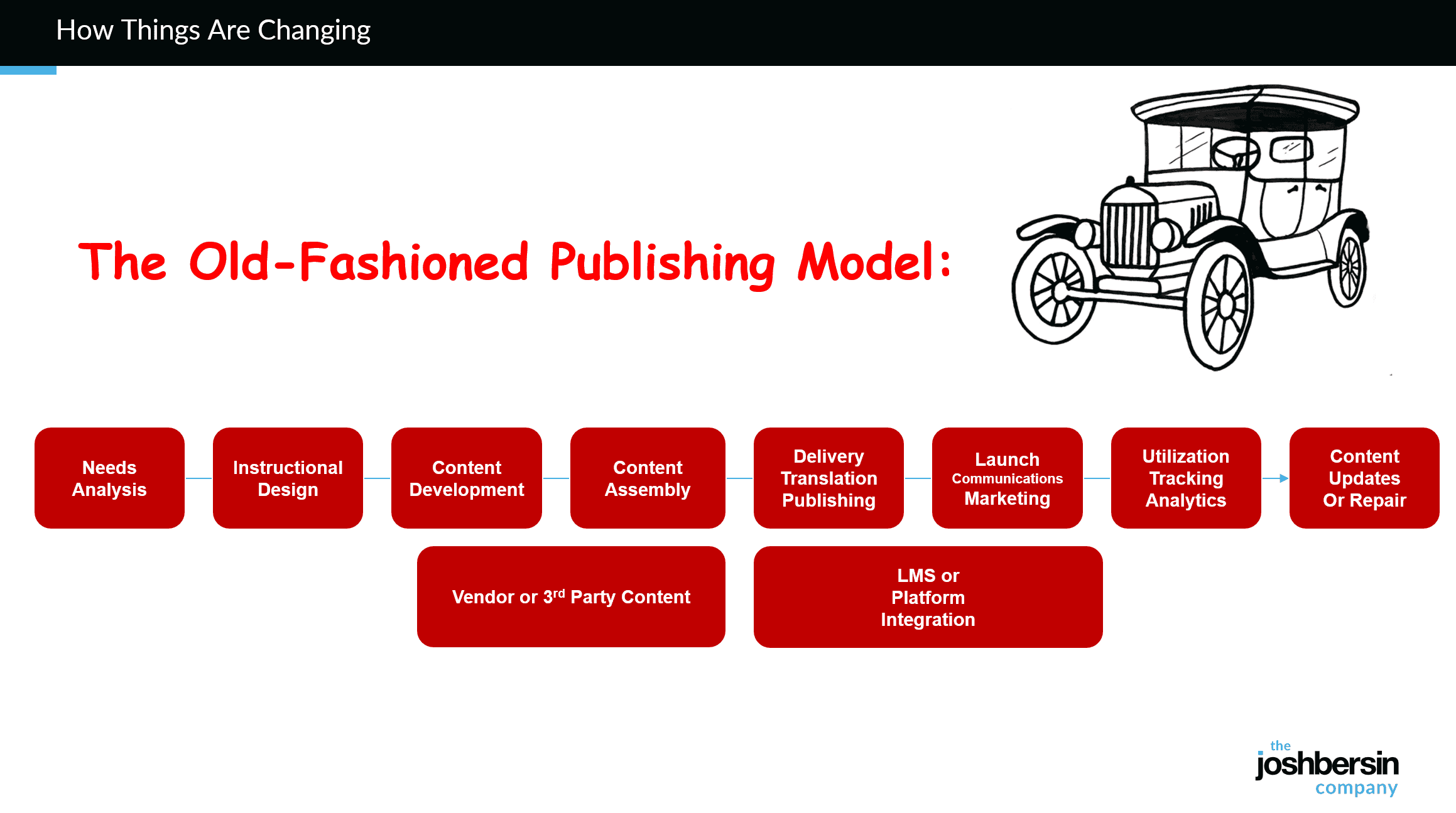
The current model, though supported by millions of learning professionals, is becoming increasingly obsolete. The rigidity of SCORM-compliant content makes updates and edits cumbersome. Furthermore, the proliferation of readily accessible, high-quality informal learning resources, such as YouTube videos, highlights the demand for more dynamic and responsive learning experiences. Industry analyses suggest that a substantial portion of the existing content market, valued at over $50 billion, is ripe for disruption by AI-powered solutions.
AI’s Transformative Impact on Learning Content and Delivery
The advent of AI is not merely about automating the creation of existing content formats. While AI can generate content rapidly and with increasing accuracy—offering solutions that are "70% perfect" and can be refined in hours or days rather than months—its true power lies in its ability to fundamentally alter the learning experience. AI-powered learning platforms enable users to interact with information in a conversational manner, posing questions directly rather than navigating through dense chapters. This transforms a static "course" into a dynamic, interactive "expert" accessible on demand.
Crucially, AI facilitates personalized learning at scale. Each employee can receive a customized version of any learning material tailored to their specific needs and context, a feat that traditional SCORM-packaged content has struggled to achieve. Moreover, AI-native learning environments can create interconnected knowledge ecosystems. If an employee needs information on a specific topic, such as safety protocols for a particular chemical in a refinery, they can simply ask the system. The AI can then retrieve relevant information from various courses and resources, providing a direct answer without requiring the user to locate a specific "sulfur dioxide safety" module.
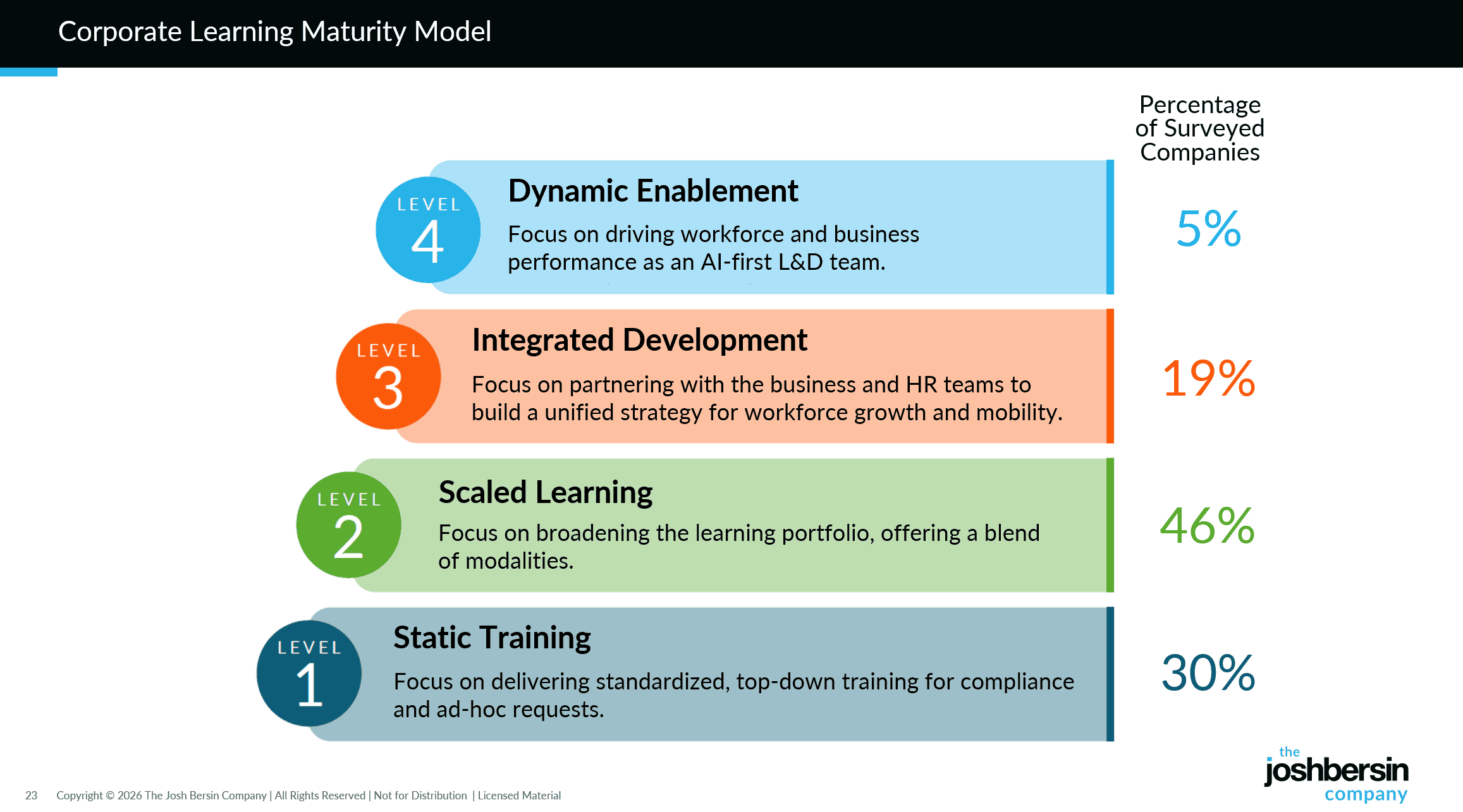
This shift redefines the purpose of corporate learning. While traditional learning focused on acquiring knowledge, the AI-driven model emphasizes "enablement"—providing immediate support, information, tips, advice, and knowledge to enhance job performance. This transition is more than just a technological upgrade; it represents a "Revolution in Business" where Learning & Development (L&D) functions are streamlined and reoriented. L&D departments are likely to shrink in size, with many professionals transitioning to roles that directly support business operations, becoming "business enablers" rather than solely HR functions, with the exception of compliance-related training.
Cornerstone’s Strategic Response: Workforce AI
In response to these profound market shifts, Cornerstone has launched "Cornerstone Workforce AI," a comprehensive reinvention of its platform designed to harness the power of artificial intelligence. This initiative, spearheaded by the company’s AI team, aims to position Cornerstone at the forefront of AI-native learning solutions. The new platform integrates several key capabilities:
- Skills and Capability Inference: Utilizing AI to understand and map employee skills and potential.
- Open "People Graph": A foundational element designed to integrate data from diverse enterprise systems, including HRMS, LMS, project management tools, and employee engagement surveys. This creates a holistic view of the workforce.
- Data Services: Incorporating external labor market data (leveraging Skyhive’s capabilities) and a suite of pre-built "Readiness Agents" to address immediate business challenges.
While some functionalities are still being integrated from Cornerstone’s existing Galaxy platform, the new AI capabilities can be accessed either as a completely new offering or through an upgrade to existing licenses. Early feedback from customers in wealth management and media industries, as well as discussions with major technology firms like Cisco, indicate that Workforce AI is being leveraged for significant skills transformation, employee mobility initiatives, and risk mitigation strategies.
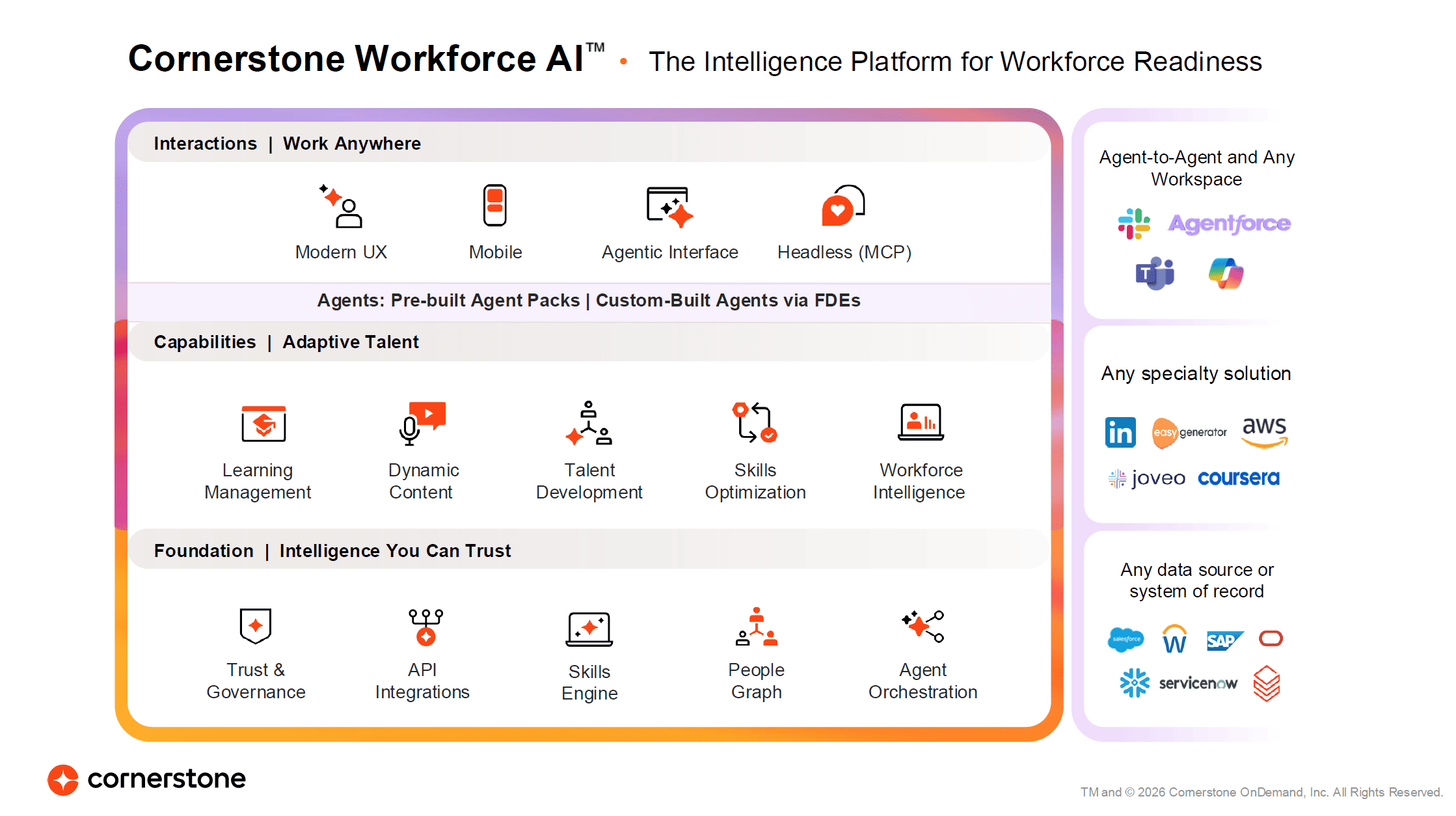
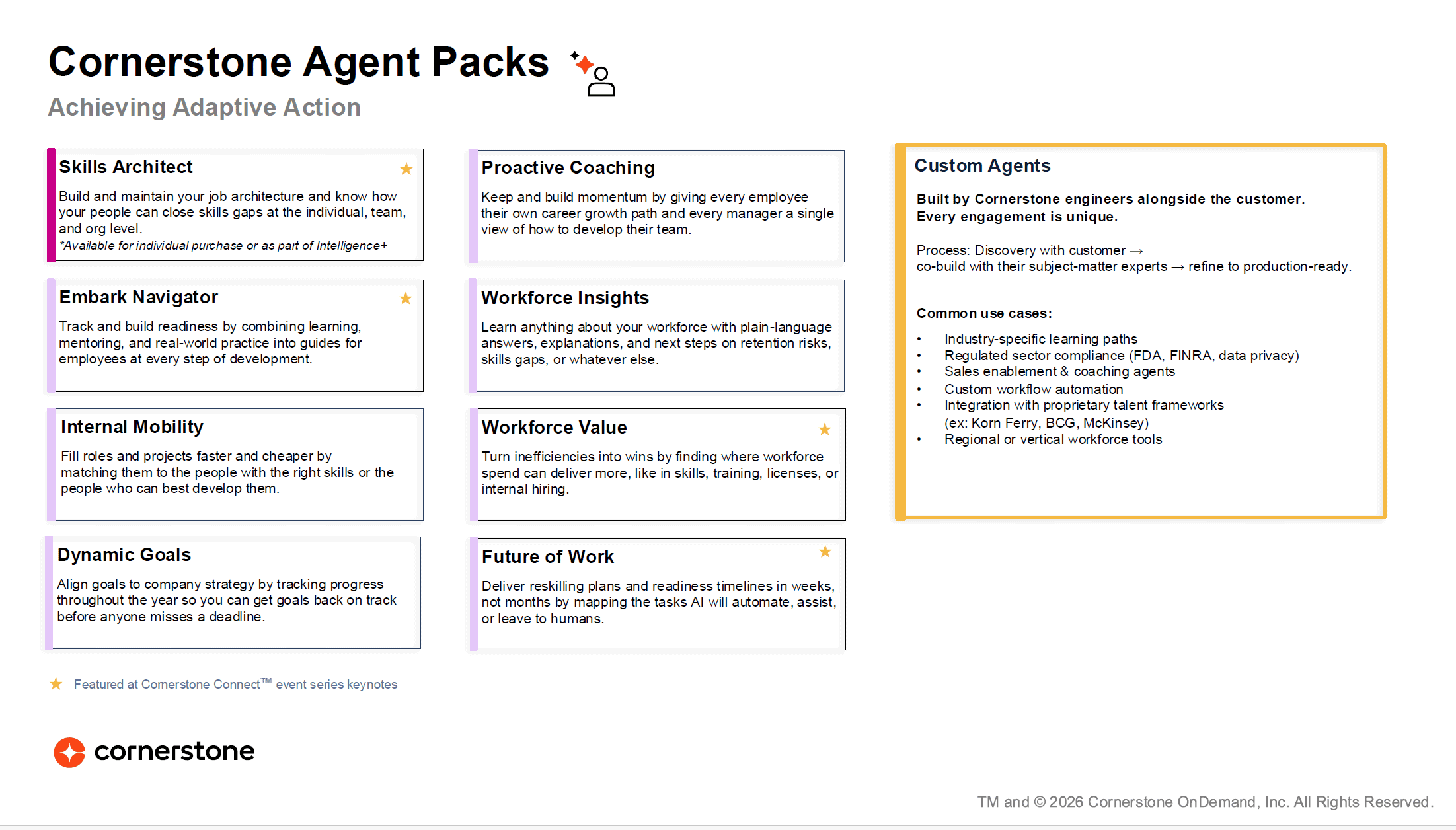
The platform’s AI-native content features are being rolled out across both existing and new environments. Additionally, Cornerstone is developing packaged "Agents"—specialized AI tools designed to assist with various tasks, from LMS administration to in-depth analysis. Although these agents are not yet fully customizable by users, they represent a significant step towards intelligent, automated support within the learning ecosystem.
The Implications for Cornerstone and the Market
Cornerstone’s bold move into AI is a critical strategic imperative. The company faces increasing competition from newer players like Sana, Docebo, Absorb, and Uplimit, who are already delivering AI-native learning experiences. The broader market is rapidly shifting, with L&D budgets potentially moving away from traditional tools towards AI-centric solutions. This could present a significant challenge to Cornerstone’s revenue streams if it fails to adapt quickly.
The implications for L&D professionals are equally profound. The increasing efficiency and effectiveness of AI in content creation and delivery could lead to a reevaluation of traditional L&D roles and budgets. Professionals who do not embrace AI-native solutions may find their positions and influence diminished as organizations prioritize more agile and data-driven learning strategies. Cornerstone’s leadership, while acknowledging the need to support existing customers, is acutely aware that this reinvention is their opportunity to shape the future of the market.
The Future of Corporate Learning: Agentic HR and Personalized Enablement
The long-term vision, as outlined in Cornerstone’s "People Graph" concept and further elaborated in initiatives like HR 2030, points towards a future where every employee is supported by a personalized AI agent. These agents, akin to Microsoft Copilot or similar technologies, would possess a deep understanding of an individual’s role, work interactions, and digital footprint within the organization. By integrating performance data, peer feedback, and an individual’s skills profile, these agents could proactively offer guidance, onboarding plans, or coaching, effectively eliminating the need for many traditional, often slow, learning interventions.
This evolution signifies a move towards "agentic human resources," where AI plays a central role in enabling individual success and organizational agility. The focus shifts from generic training programs to hyper-personalized enablement, ensuring that employees have the precise knowledge and skills needed to perform their jobs effectively and adapt to evolving demands.
Cornerstone’s announcement of Workforce AI represents a significant strategic bet on this future. While the platform is still in its nascent stages and the AI market is characterized by daily volatility, Cornerstone has laid the groundwork for a powerful AI ecosystem. The success of this venture will hinge on its ability to clearly articulate its value proposition amidst the frenetic pace of AI innovation and to effectively guide its existing customer base through this transformative journey. The ultimate goal is to empower every employee to feel "enabled to succeed" in a manner tailored to their unique professional path.







