
In the high-stakes realm of talent acquisition, an often-overlooked bottleneck continues to challenge organizations worldwide: the convoluted job description (JD) approval process. What should be a swift, administrative step frequently devolves into a protracted ordeal, consuming valuable time, hindering recruitment efforts, and ultimately impacting an organization’s ability to secure top talent. Industry reports and internal audits consistently highlight a common frustration among HR and recruitment teams: JDs taking longer to approve than the actual time it takes to fill the role. This pervasive inefficiency points to a fundamental flaw in operational workflows, signaling a critical need for optimization in an increasingly competitive hiring landscape.
The Unseen Costs of a Disjointed Approval Process
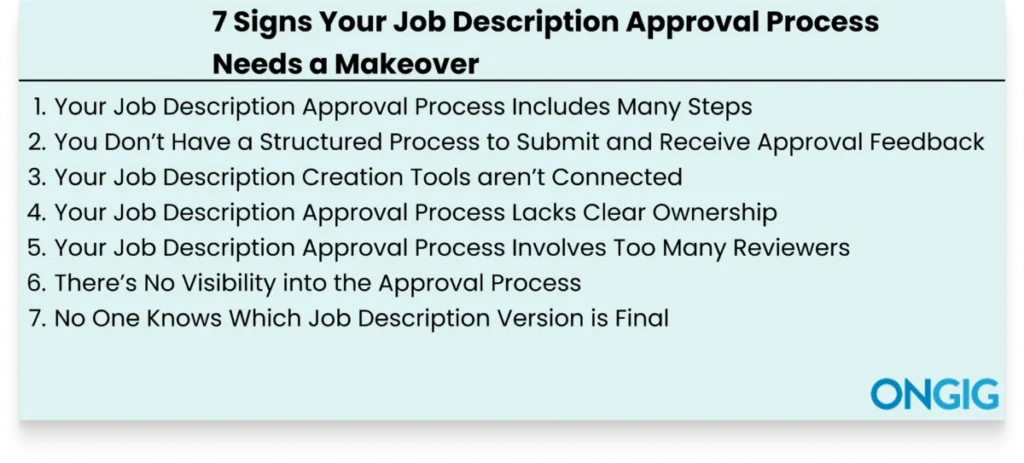
The symptoms of a broken JD approval system are alarmingly familiar across diverse industries. Teams struggle to understand why JDs get stuck in limbo, often lacking clarity on who is responsible for which approval stage. This lack of transparency and defined roles creates a chaotic environment where accountability is diluted, and progress grinds to a halt. When the process is marred by excessive steps, unstructured feedback, disconnected tools, unclear ownership, an unwieldy number of reviewers, and a lack of version control, the cumulative effect is significant. Each of these individual issues acts as a potential failure point, transforming what should be a straightforward task into a multi-week marathon.
Consider the economic implications: every day a job opening remains unfilled represents lost productivity, potential revenue, and increased workload for existing team members. Industry analyses suggest that a prolonged time-to-hire can cost organizations thousands, if not tens of thousands, of dollars per role, particularly for specialized or leadership positions. When the delay originates not from a lack of suitable candidates but from an internal administrative logjam, these costs become entirely avoidable.
Deconstructing the Core Challenges
Several recurring problems underpin the inefficiency of JD approval processes, each contributing to the overall slowdown:
1. Over-Engineered Approval Workflows: Many organizations, in an attempt to ensure thoroughness, inadvertently create overly complex JD approval workflows. These processes often include an excessive number of steps, each acting as a potential point of delay. For instance, a step requiring a single individual’s approval can stall the entire process if that person is unavailable due to vacation or illness. Similarly, stages prone to back-and-forth clarifications can add days to the timeline. When eight or more such steps are integrated, delays become not just an exception but the organizational norm. Experts in process optimization advocate for auditing existing workflows to identify truly essential stages and streamlining them. The objective is to build a lean, efficient process, ideally comprising no more than four critical steps, replacing cumbersome nine-step frameworks that impede progress.
2. Fragmented Feedback Mechanisms: The absence of a structured process for submitting and receiving feedback on JDs leads to what can be described as "feedback chaos." When different stakeholders—HR, hiring managers, legal teams—provide input across disparate channels such as Google Docs, Slack messages, emails, or even verbal communications, reconciling these suggestions becomes a monumental task. This disorganization inevitably leads to missed feedback, conflicting edits, and a constant cycle of clarification requests, further delaying approval. A singular, enforced feedback platform is crucial to consolidate all input, ensuring clarity and preventing critical suggestions from getting lost in the shuffle.
3. Disconnected Creation Tools: The typical JD creation journey in many organizations involves a fragmented technological landscape. Drafting in Google Docs, emailing for edits, using Slack for approval notifications, and finally copying the approved text into an Applicant Tracking System (ATS) is a common, yet inefficient, sequence. This disjointed toolchain fosters errors, such as reviewers approving outdated versions or uncertainty regarding the most current document. The lack of a unified system means no one has a single source of truth for approval status or document versions. Centralizing the entire JD collaboration process within a dedicated management software addresses this, providing a single platform where all stakeholders can track progress, submit feedback, and access the latest version, ensuring consistency and accuracy.
4. Ambiguous Ownership and Accountability: A fundamental flaw in many JD approval processes is the lack of clear ownership. When asked who "owns" the process, answers often vary, with different departments—recruiting, legal, talent acquisition—assuming others are primarily responsible. This ambiguity leads to a severe lack of accountability. When a JD gets stalled for weeks, identifying who is responsible for follow-up or rectifying the delay becomes a frustrating exercise in finger-pointing. Establishing a role-based approval workflow with clearly defined responsibilities for each stage is paramount. Furthermore, designating an overarching owner for the entire process ensures a single point of contact and accountability when issues arise, fostering a more organized and responsive system.
5. Excessive Reviewer Involvement: While incorporating diverse perspectives is valuable, involving an unnecessarily large number of reviewers (e.g., more than six individuals) in every JD approval can significantly impede progress. The logistical challenge of coordinating input from numerous stakeholders, tracking who has reviewed, who is pending review, and resolving conflicting edits, can stretch a two-day task into weeks. This challenge is compounded when there’s no clear mechanism for conflict resolution or a designated final approver. A strategic approach involves defining both "required" and "optional" reviewers. Identifying a core group of essential approvers (e.g., a maximum of four) who must sign off before a JD progresses ensures critical oversight without creating undue bottlenecks.
6. Lack of Process Visibility: Operating without clear visibility into the JD approval process is akin to navigating blindfolded. When teams are unaware of why an approval is stuck—whether the responsible person is overloaded, has not seen the request, or is awaiting further information—it becomes impossible to intervene effectively or predict timelines. This opacity prevents accurate process optimization. For instance, a perceived delay due to an unresponsive reviewer might, in reality, be due to an overwhelming volume of approval tasks on their plate. Implementing dashboards and tracking mechanisms within a centralized system can provide real-time insights into the status of each JD, highlighting bottlenecks and enabling proactive management and resource allocation.
7. Version Control Chaos: The collaborative nature of JD creation, particularly with multiple reviewers, inevitably leads to the generation of multiple document versions. Without a robust version control system, teams face the daunting challenge of identifying the definitive, final document. Different versions—original draft, compensation-adjusted, compliance-edited—scattered across various channels, can easily be mistaken for the final copy. This confusion can have significant repercussions, such as a hiring manager inadvertently posting an outdated JD with incorrect responsibilities or non-compliant language. A central source of truth, ideally through job description management software, offering comprehensive track changes and version history, is essential. This ensures everyone is working on the most current and approved document, preventing costly errors and delays.
The Imperative for an Efficient JD Approval Process in 2026
The competitive talent landscape of 2026 amplifies the importance of an efficient JD approval process, transforming it from a mere administrative convenience into a strategic imperative:
- Speed Wins Qualified Candidates: In a market where top talent is rarely available for long, the swift publication of well-crafted JDs is critical. Delays in approval mean missed opportunities as ideal candidates are quickly scooped up by more agile competitors. An optimized process ensures JDs are posted promptly, allowing organizations to engage with the best candidates at the earliest possible stage.
- Compliance is More Important Than Ever: The regulatory environment around hiring continues to evolve rapidly. From equal opportunity requirements and accessibility standards to increasingly stringent pay transparency laws across various countries, states, and industries, compliance is non-negotiable. Publishing JDs without salary ranges in jurisdictions where it’s mandated, for example, can lead to significant legal repercussions and reputational damage. A robust approval process, embedding standardized compliance checks, acts as a crucial safeguard against legal risks.
- Preserving and Enhancing Employer Brand: A disorganized, inefficient JD approval process often manifests externally as poorly formatted, confusing, or incomplete job descriptions. Such JDs can deter top candidates, signaling a lack of professionalism and internal disarray. Conversely, a streamlined process ensures that all published JDs adhere to consistent templates, include necessary details like salary ranges (where applicable), and accurately reflect the company culture and role requirements, thereby bolstering the employer brand and attracting high-caliber applicants.
- Maintaining Alignment Across Stakeholders: JDs serve as a foundational document for multiple internal teams, not just HR. Misalignment between hiring managers, HR, legal, and compensation teams regarding job requirements can lead to hiring the wrong candidates, necessitating costly re-hires. An effective approval process mandates that all critical stakeholders review and approve the JD before publication, ensuring complete alignment on expectations and requirements. This prevents future disputes and ensures the recruitment effort is unified and purposeful.
Leveraging Technology: The Role of Job Description Management Software
Many of the aforementioned challenges stem from manual, disparate processes. Dedicated job description management software emerges as a comprehensive solution, centralizing and automating the entire workflow. Platforms like Ongig, for example, are designed to address these pain points by offering:
- Automated Workflows: JDs automatically move through predefined approval stages, eliminating manual tracking and reducing human error.
- Centralized Feedback and Collaboration: All feedback, edits, and approvals are consolidated in a single platform, replacing scattered communication channels.
- Real-time Visibility Dashboards: Managers and team members gain immediate insight into the status of each JD, identifying bottlenecks and tracking progress.
- Robust Version Control and Audit Trails: Every change and approval is meticulously recorded, providing a clear history and ensuring the correct version is always in use.
- Compliance Tools: Integrated features help identify and rectify non-compliant language, ensuring adherence to legal requirements and promoting diversity, equity, and inclusion (DEI).
- Standardized Templates: Enforce consistent formatting and content, streamlining the drafting process and enhancing employer branding.
By adopting such centralized systems, organizations can drastically reduce JD approval timelines from weeks to mere days, freeing up valuable HR and recruitment resources to focus on strategic talent engagement.
Transitioning to an Organized Workflow: A Strategic Approach
The transition from chaotic, disconnected JD creation tools to an organized, centralized workflow requires a strategic approach, but the benefits far outweigh the initial effort. Key steps include:
- Pilot Program Implementation: Start with a smaller team or a specific department to test the new workflow and software. This allows for fine-tuning and gathering initial feedback without disrupting the entire organization.
- Stakeholder Training and Buy-in: Conduct thorough training sessions for all relevant stakeholders—HR, hiring managers, legal, compensation teams—on the new system and its benefits. Emphasize how it simplifies their tasks and improves overall efficiency.
- Gradual Phased Rollout: Rather than an abrupt shift, implement the new process in phases. This allows teams to gradually adapt and integrate the new tools into their daily routines.
- Continuous Feedback and Iteration: Establish channels for ongoing feedback from users. Use this input to continually refine the workflow and optimize the use of the software, ensuring it remains responsive to organizational needs.
- Leverage a Comprehensive Checklist: Provide teams with a clear, step-by-step checklist for JD approvals. This removes ambiguity and ensures all necessary stages are completed. A sample checklist might include:
- Step 1: Recruiter Drafts the JD
- Utilizes approved templates.
- Incorporates initial hiring manager input.
- Ensures DEI-friendly language.
- Step 2: Hiring Manager Reviews
- Verifies role responsibilities and requirements.
- Confirms alignment with team needs.
- Provides feedback within the centralized platform.
- Step 3: Legal/Compliance Review (if required)
- Checks for regulatory adherence (e.g., pay transparency).
- Ensures non-discriminatory language.
- Approves or suggests necessary compliance edits.
- Step 4: Final Approval & Publication
- Designated owner gives final sign-off.
- JD is published to ATS and job boards.
- Version history is automatically logged.
- Step 1: Recruiter Drafts the JD
This systematic approach ensures a smooth transition, allowing organizations of all sizes, from small teams to those managing thousands of JDs, to scale their approval processes effectively.
In conclusion, an efficient job description approval process is no longer a luxury but a fundamental requirement for effective talent acquisition. By addressing the common pitfalls of over-engineered workflows, fragmented communication, disconnected tools, ambiguous ownership, excessive reviewers, lack of visibility, and version control issues, organizations can transform a major bottleneck into a streamlined, strategic asset. Embracing modern JD management software and adopting a structured approach allows companies to accelerate hiring, ensure compliance, bolster their employer brand, and maintain critical alignment across all stakeholders, ultimately securing the talent necessary to thrive in the competitive landscape of 2026 and beyond.






