Improving employee engagement is a strategic imperative that begins not with a policy document, but with a fundamental shift in organizational mindset. This approach prioritizes people, fosters active listening, and champions genuine connection over superficial compliance. It necessitates building a robust foundation by aligning leadership, meticulously measuring what truly matters, and cultivating an environment where recognition is not an occasional bonus, but an embedded norm. When employees feel consistently seen, heard, valued, and acknowledged, engagement transcends mere programs and transforms into an intrinsic way of working—a system balanced with scalable structure and deeply human connection.
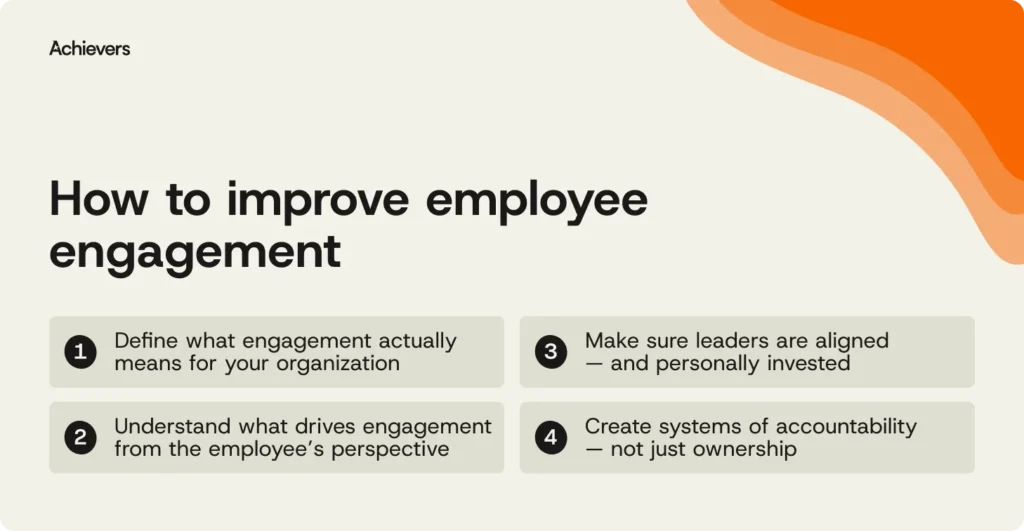
The journey towards enhanced employee engagement is multifaceted, requiring a comprehensive understanding of its core components. Achievers, a leader in employee experience solutions, outlines an eight-point framework that emphasizes a holistic and human-centric approach. This framework, detailed in their recent insights, underscores the importance of defining engagement within an organization’s unique context, understanding its drivers from the employee’s perspective, ensuring leadership buy-in, establishing accountability, measuring relevant metrics, integrating engagement throughout the employee lifecycle, critically assessing company culture, and maintaining a human touch in all initiatives.
Defining Engagement: Tailoring the Vision to Organizational Identity
The initial step in any effective employee engagement strategy involves clearly defining what engagement signifies for a specific organization. This definition must be deeply rooted in the company’s unique culture, values, and overarching business objectives. Asking fundamental questions—"What does engagement look like here?" and "How does it feel to be engaged within our organization?"—is crucial. A precise definition serves as a compass, guiding the development of aligned programs and ensuring that measurement efforts are focused on meaningful progress rather than superficial metrics. Generic, one-size-fits-all definitions, while perhaps sounding authoritative on paper, rarely translate into tangible improvements in practice.
Employee Perspectives: The Bedrock of Genuine Connection
True engagement is fundamentally built upon pillars of trust, belonging, and a clear sense of purpose. Employees are motivated when they understand that their contributions are significant and that they, as individuals, are valued. This understanding is cultivated not through assumptions, but through dedicated listening and the creation of a safe environment where open communication is encouraged. When engagement feels personal and authentic, rather than performative, it becomes a potent catalyst for enhanced motivation, deeper connection, and sustained momentum across the entire workforce.
Leadership Alignment: The Engine of Engagement
The success of any engagement initiative hinges on the active and personal investment of organizational leaders. Engagement does not spontaneously permeate an organization; it requires leaders who are fully committed, not just in theory but in their daily actions. When managers are engaged, their teams are far more likely to mirror that enthusiasm. Conversely, a lack of leadership engagement is quickly perceived by employees. Investing in the development of mindful leaders who embody company values, lead by example, and inspire trust is paramount. Without consistent, people-first leadership, even the most well-conceived engagement plans are destined to falter.
Accountability Systems: Fostering Shared Responsibility
While engagement is a collective responsibility, shared ownership without clear structures can lead to a diffusion of accountability. To achieve lasting impact, organizations must establish routines and rituals that reinforce engagement at every organizational level, from senior leadership to frontline teams. Integrating engagement into regular business rhythms and ensuring cross-functional support fosters sustainability. This approach shifts engagement from a peripheral project to an integral aspect of daily operations, akin to a team sport with a clear scoreboard.
Measuring What Matters: Data-Driven Insights for Impact
Data plays a vital role in improving employee engagement, but quantity does not equate to quality. The focus must be on metrics that reflect genuine progress, not just activity. This extends beyond traditional annual pulse surveys to include the continuous tracking of ongoing feedback, recognition frequency, and observable behavioral shifts. The objective is not to measure everything, but to measure the right things—insights that can then inform smarter decision-making and drive meaningful improvements, rather than merely creating aesthetically pleasing dashboards.
The Employee Lifecycle: Embedding Engagement in Every Interaction
Every touchpoint in an employee’s journey, from the initial onboarding communication to their final departure, represents an opportunity to build connection, trust, and meaning. Strategically designing "moments that matter" and actively observing those that may be falling short can effectively bridge gaps and ensure consistency. Employees engage within the narrative of their experiences, not in isolated departmental silos.
Cultural Audit: Aligning Values with Lived Experience
A critical component of cultivating engagement is a rigorous assessment of the organization’s culture. When there is a disconnect between stated values and the actual employee experience, engagement suffers, and trust erodes. Undertaking an honest culture check, identifying systemic blockers, acknowledging blind spots, and actively rebuilding alignment demonstrates to employees that they are part of something authentic and real. This commitment to authenticity is a powerful driver of engagement.

The Human Element: Prioritizing Sincerity Over Automation
While technology can significantly enhance the scalability of recognition programs, facilitate feedback mechanisms, and provide valuable insights, it cannot replace the essence of human connection. Over-reliance on automation can strip engagement initiatives of their soul. The ultimate goal is not speed, but sincerity. Technology should serve to amplify and support genuine human interactions, such as a manager acknowledging a team’s milestone or a colleague offering timely appreciation. The more personal and heartfelt these interactions are, the more likely employees are to remain engaged and committed to the organization.
The Profound Impact of Recognition on Mindset and Engagement
The critical role of recognition in fostering employee engagement and shaping mindset warrants further examination. Data from the Achievers Workforce Institute’s Engagement and Retention Report reveals a concerning statistic: only 25% of employees feel appreciated or engaged at work. This underscores a significant opportunity for improvement, as recognition is demonstrably linked to higher levels of engagement, a stronger sense of meaning, and improved retention rates.
Employees who consistently feel appreciated experience a profound shift in their outlook. They are significantly more likely to find their work meaningful (71% compared to a mere 6% of those who do not feel appreciated), feel a strong connection to their company’s values (56% versus 1%), and envision a long-term career within their organization (50% compared to 3%). The frequency of recognition is also a key factor. Regular recognition, ideally on a weekly basis, is strongly associated with enhanced engagement and retention. Conversely, infrequent or absent recognition correlates directly with an increased risk of employee turnover. This data clearly illustrates that investing in a robust recognition culture is not just a perk, but a strategic imperative for organizational success and stability.
Sustainable Engagement: A Mindset Shift for Long-Term Success
Ultimately, improving employee engagement is not about implementing fleeting perks or chasing short-term gains. It is a long-term commitment that is deeply rooted in a people-centric mindset, the diligent measurement of meaningful progress, and the cultivation of a culture where individuals feel genuinely seen, heard, and valued. This requires consistent focus, unwavering dedication, and a willingness to adapt and evolve. However, it does not have to be an overwhelming undertaking. When engagement becomes an integral part of an organization’s strategic thinking, operational practices, and growth trajectory, it naturally becomes both scalable and sustainable.
With the appropriate strategic support, such as that offered by Achievers, building this kind of thriving organizational culture becomes significantly more attainable. The future of work is undeniably people-powered, and organizations that embrace this reality are best positioned for enduring success.
Frequently Asked Questions About Improving Employee Engagement
What are the core components of effective employee engagement?
Effective employee engagement is built on a foundation of clear organizational definition, understanding employee motivations, strong leadership alignment, robust accountability systems, data-driven measurement of relevant metrics, integration throughout the employee lifecycle, cultural authenticity, and a commitment to human connection.
How does recognition impact employee engagement?
Recognition is a powerful driver of employee engagement. Employees who feel appreciated are more likely to find their work meaningful, connect with company values, and envision a long-term future with their employer. Regular, sincere recognition fosters a positive work environment and directly combats turnover.
What is the role of leadership in employee engagement?
Leadership plays a pivotal role. Engaged leaders set the tone, model desired behaviors, and inspire their teams. Without active and authentic leadership buy-in and participation, engagement initiatives are unlikely to achieve sustained success.
Why is it important to define engagement for each organization?
Each organization possesses a unique culture, values, and business goals. A tailored definition of engagement ensures that strategies and programs are relevant, aligned, and effective in addressing the specific needs and context of that organization. Generic definitions often fail to yield tangible results.
How can organizations measure employee engagement effectively?
Effective measurement goes beyond annual surveys. It involves tracking ongoing feedback, the frequency and quality of recognition, and observable behavioral shifts. The focus should be on metrics that indicate genuine progress and inform strategic decision-making, rather than simply collecting data for its own sake.