The persistent struggle to attract attendees to workplace and industry events, even those offering free entry and amenities, highlights a critical shift in audience expectations. Far beyond a simple headcount, genuine engagement hinges on compelling content, strategic curation, and a deep understanding of what truly resonates with professionals. This challenge is vividly illustrated by the nascent stages of "Work Beyond Walls," a new two-day event scheduled for September 9th and 10th at Newcastle’s Boiler Shop, whose journey is being meticulously documented in the "Work in Motion" podcast series.
The Initial Hurdle: More Than Just an Empty Room
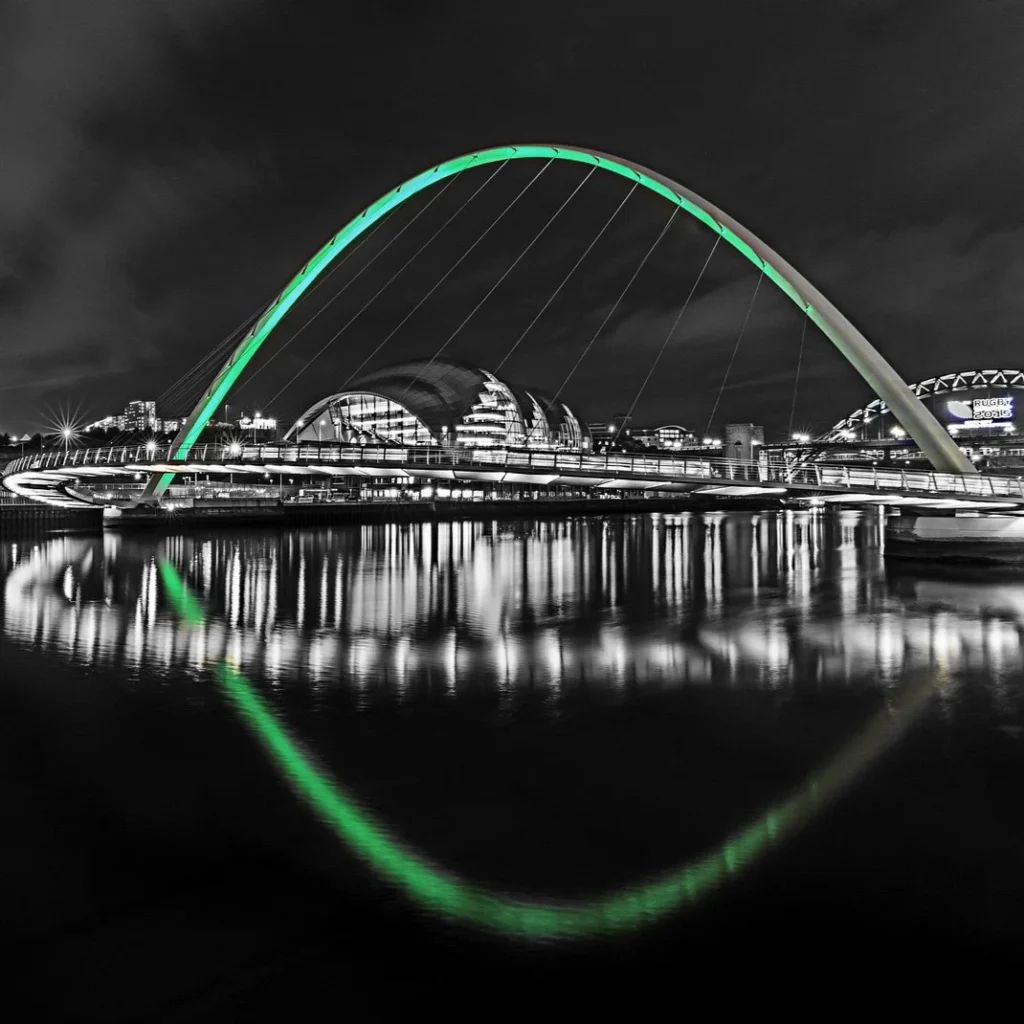
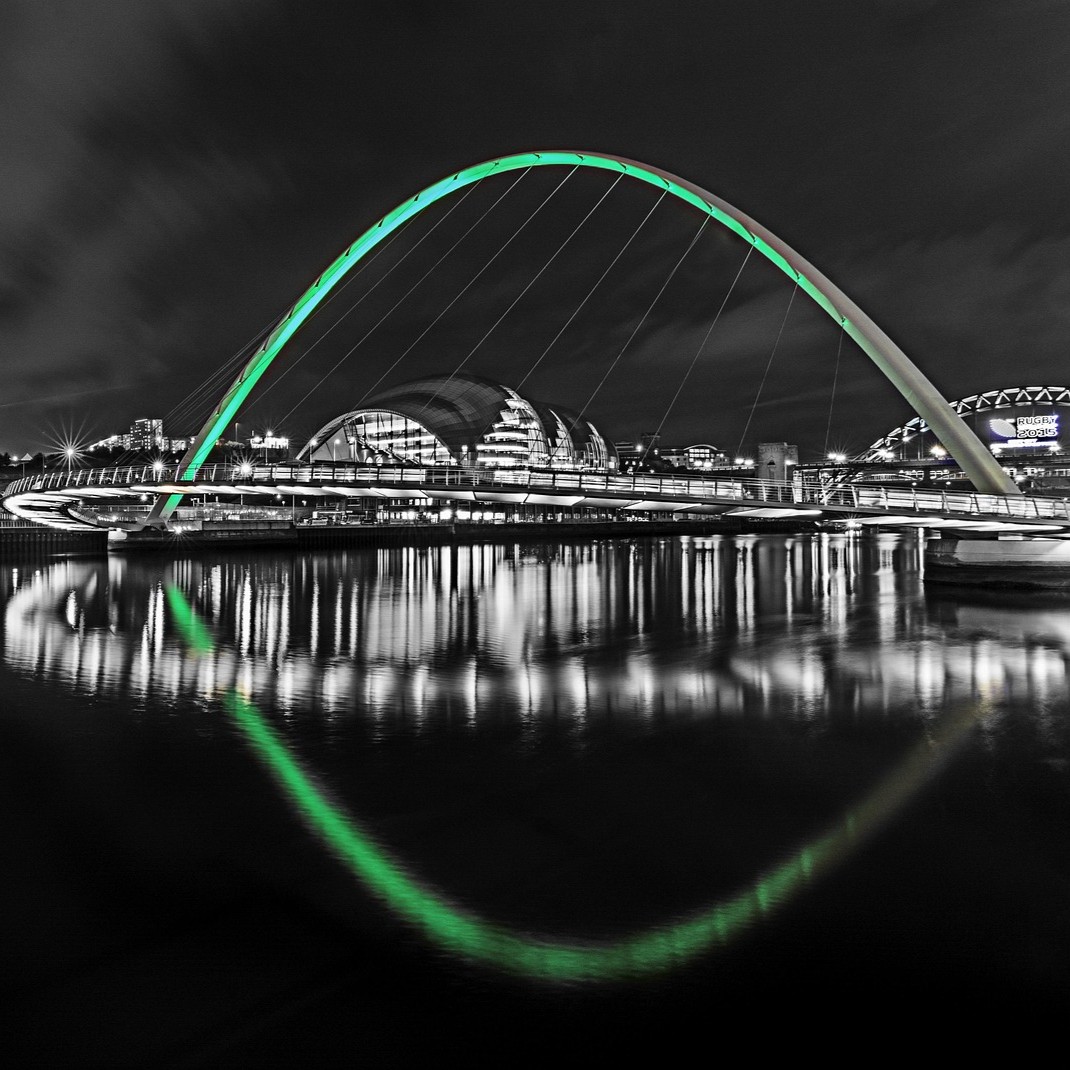
Herb Kim, the driving force behind the decade-old Thinking Digital conference held at The Glasshouse in Gateshead, offered a candid reflection on the precarious beginnings of his own highly regarded event. "The first year was probably on the knife edge between disaster and success," Kim admitted, recalling a stark contrast to its current status as an "unmissable" fixture in the North East’s professional landscape. The initial challenge, he explained, was not a lack of resources, but a fundamental miscalculation in audience engagement. "Year one… it was badly undersold," Kim stated, underscoring a core issue that continues to plague event organizers: the difficulty in filling seats even when offerings are seemingly attractive. The sentiment, captured in the title of the second episode of the "Work in Motion" podcast – "Not Embarrassingly Empty" – encapsulates the anxiety many organizers face.
This sentiment is not unique to Kim’s experience. Ian Ellison, writer and presenter of the "Work in Motion" documentary podcast commissioned by Gateshead workspace business Workpattern, is chronicling the development of "Work Beyond Walls." As of the recording of the podcast’s second episode, a mere five weeks before the event, registrations for "Work Beyond Walls" stood at a modest 51, a significant distance from founder Paul Glaister’s ambitious target of 500 attendees. This stark disparity, even with a free entry policy, points to a deeper malaise within the event landscape.
The Content Conundrum: Why Location and Numbers Aren’t Enough
Kim’s observation provides crucial context: the problem extends beyond mere arithmetic. "Down in London, because of the density, just the sheer density of people, that you can have some fairly mediocre events in terms of content, but they still get the footfall," he stated. This gravitational pull of a large, concentrated audience in metropolitan hubs allows for a broader tolerance of content quality. However, he contrasted this with the situation further north, where "the content does need to be good in order to give people a reason" to travel. This implies that while fewer people might be present in regions outside major cities, the expectation for substantive and engaging content is demonstrably higher. The challenge, therefore, is not just about filling seats, but about ensuring that the substance of the event justifies the audience’s investment of time and effort.
This elevated bar for content places immense pressure on event organizers and speakers alike. The industry’s leading figures are increasingly nuanced in their approach to speaker selection and content curation. Katie Richardson, who has curated the official talks programme at Clerkenwell Design Week for seven years, emphasized a shift away from purely product-centric presentations. "I don’t want to get someone to stand up and say, here is my chair, this is how I made the chair," she explained. Instead, Richardson prioritizes narratives that delve deeper: "I’d rather hear the backstory of a designer." This approach, she believes, allows thematic relevance to emerge organically. "If you bring in a new designer, they’re gonna talk to you about how they’re weaving that into their work or developing their business," she added, suggesting that authentic insights naturally align with broader industry trends such as sustainability.
Kim’s own experience with "Thinking Digital" further illustrates this point. He previously invested in keynote speakers during the early years of his conference, only to find that while they were well-received, "they didn’t make the event." Furthermore, relying on big-name speakers can create unsustainable expectations for emerging events. "If you can get a big name," Kim advised, "make sure they can actually deliver the goods." This underscores the importance of authenticity and substance over celebrity status.
The Element of Surprise: Curating Unexpected Perspectives
Darren Richardson, the creative director whose agency was instrumental in naming "Work Beyond Walls," advocates for a different, yet complementary, approach: the unexpected. He cited graphic designer turned public artist Morag Myerscough as an example of an unconventional yet highly effective speaker. "It’s like, why is Morag there?" Richardson mused, highlighting the power of bringing in individuals whose perspectives can elevate an event beyond a mere exhibition. "It’s finding the right people who’ve got interesting perspectives that can elevate it out of a simple expo that has a bit of furniture stuck in a room, that takes it to something that has an opinion on the world." This suggests that the most impactful events are those that foster dialogue, challenge assumptions, and offer a unique viewpoint, rather than simply showcasing products or services.
The Structural Paradox: Brands Secured, Visitors Elusive
Beneath the content and curation challenges lies a fundamental structural paradox that Richardson articulates bluntly: "It’s a bit of a closed loop, isn’t it? You have to show the brands that you’re gonna get your visitors." This is a common refrain in the event industry; brands invest in exhibiting or sponsoring based on the promise of access to a relevant audience, while organizers struggle to attract that audience in the first place.
Intriguingly, "Work Beyond Walls" appears to have inverted this conventional model. Paul Glaister has reportedly secured over 23 brand partners committed to the event before public registration reached significant numbers. This suggests a strong foundation of industry support, with the "brand" side of the equation largely addressed. However, the "visitor" side – the seemingly simpler task of persuading people to attend a free event within their own region – remains the primary bottleneck. This situation highlights a fascinating disconnect: while industry backing is robust, the public appeal and awareness-building efforts may require a more focused and strategic approach.
The Winnable Battle: Lessons from Smaller Scale Successes
The challenge of driving public attendance is not insurmountable, as demonstrated by smaller-scale initiatives. Dave James, whose studio Blokka launched ClerkenWales four years ago in a converted chapel in Cardiff, has witnessed its growth from a handful of supporting manufacturers to 23, with a waiting list. Crucially, ClerkenWales has generated tangible business for its exhibitors, with orders placed as a direct result of participation. Yet, even James acknowledges the persistent difficulty in converting interest into actual attendance. He recalls early advice from an exhibitor that still resonates: "if you want 20 people to show up, you need to sell about 40 to 60 tickets." This underscores the need to over-promote and to account for a significant drop-off rate between registration and attendance.
Defining "Sticky": The Goal of Immersive Engagement
The unifying aspiration across successful events, from Clerkenwell to Cardiff and hopefully "Work Beyond Walls," is to create a "sticky" environment. This term signifies a space where attendees don’t just pass through but are encouraged to linger, engage, and even work. Will Easton, the very first person to register for "Work Beyond Walls," has a clear litmus test for its success: "if it feels like I am going into an immersive exhibition at a gallery or a museum, then within seconds I’ll know it’s worked." Conversely, he identifies a telling sign of failure: "If I see a name badge on somebody’s branded polo shirt." This indicates a preference for an experience that transcends traditional exhibition formats and fosters a more organic, less overtly commercial, atmosphere.
The Unrelenting Push: The Importance of Sustained Promotion
With five weeks remaining until "Work Beyond Walls," Terry McStea, a seasoned observer of North East events, offers pragmatic advice to Glaister: "To not stop promoting it right until the day before. Don’t let up." His core message is about relentless communication and building anticipation. McStea believes that the key lies in "making it look so incredible that they’d be crazy to miss out." This requires a sustained and multi-faceted promotional strategy that consistently highlights the unique value proposition of the event, leveraging compelling content, engaging speakers, and the promise of an immersive and "sticky" experience.
The ongoing narrative of "Work Beyond Walls" and its pursuit of attendee engagement will continue to unfold in subsequent episodes of the "Work in Motion" podcast. The success of such events hinges on a delicate balance: securing industry support and sponsorships while simultaneously cultivating genuine public interest through content that informs, inspires, and creates a lasting impression. The journey from "not embarrassingly empty" to a truly "sticky" and impactful event requires more than just a registration form; it demands a deep understanding of audience motivations and a commitment to delivering an experience that transcends the ordinary.
Broader Implications for the Event Industry
The challenges faced by "Work Beyond Walls" are not isolated incidents but rather indicative of broader trends within the event industry. In an era of information overload and increasing competition for attention, generic events are struggling to gain traction. The success of initiatives like Clerkenwell Design Week and ClerkenWales suggests a growing demand for curated experiences that offer genuine insight, networking opportunities, and a sense of community.
For organizers, this necessitates a strategic shift from a purely transactional approach (selling tickets and exhibition space) to a relational one (building anticipation, fostering engagement, and delivering lasting value). The investment in high-quality content, unexpected perspectives, and immersive environments is no longer a luxury but a necessity for survival and growth. As the event industry continues to evolve, those that can master the art of creating "sticky" and meaningful experiences will undoubtedly be the ones to thrive.
The "Work in Motion" podcast, by chronicling the development of "Work Beyond Walls" in real-time, offers a valuable case study for other event organizers grappling with similar challenges. The lessons learned from its successes and setbacks will undoubtedly contribute to a richer understanding of what it takes to create truly unmissable events in today’s dynamic landscape. The unfolding story of "Work Beyond Walls" serves as a potent reminder that while numbers matter, the true measure of an event’s success lies in its ability to connect, inspire, and leave a lasting, positive impact on its attendees.