
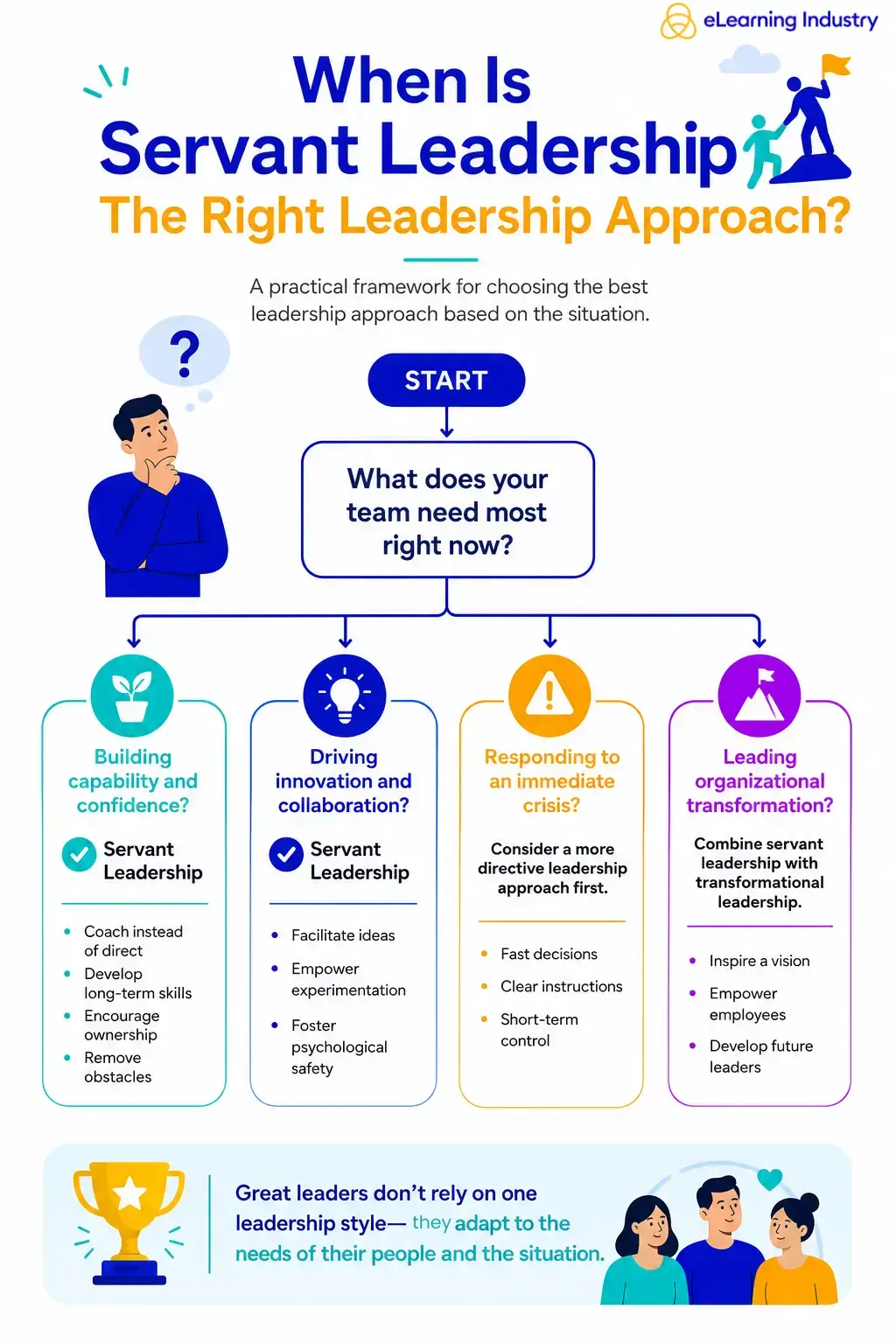
As organizations navigate the complexities of a post-pandemic economy, the traditional "command-and-control" management style is increasingly being replaced by a human-centric philosophy known as servant leadership. This shift comes at a critical juncture where hybrid work environments, rapid technological advancements in artificial intelligence, and a heightened focus on mental health are redefining the expectations of the global workforce. Recent industry analysis suggests that the primary challenge for contemporary enterprises is not a lack of managerial oversight, but a shortage of leaders capable of fostering trust and psychological safety—elements now considered essential for organizational resilience and long-term performance.
The Conceptual Foundations and Historical Chronology
The formalization of servant leadership as a management theory began in 1970 with the publication of "The Servant as Leader," an influential essay by Robert K. Greenleaf. A former AT&T executive, Greenleaf spent decades observing organizational dynamics before concluding that the most effective leaders were those who viewed their role as a service rather than a position of power. His framework fundamentally challenged the hierarchical structures that had dominated the industrial era, suggesting instead that the moral authority of a leader is derived from their commitment to the growth and well-being of their followers.
The chronology of the movement expanded in the 1990s when Larry C. Spears, who served as the CEO of the Robert K. Greenleaf Center for Servant Leadership, identified ten distinct characteristics from Greenleaf’s original writings. These traits—ranging from empathy to foresight—provided a practical roadmap for leadership development programs. By the early 2000s, the philosophy had moved from the fringes of management theory into the mainstream, adopted by major corporations such as Southwest Airlines, Starbucks, and Ritz-Carlton.
In the current decade, the rise of "Service Leadership" or "Servant Leadership" has been accelerated by the "Great Resignation" and the subsequent shift in employee priorities. Today’s leaders are no longer just administrators; they are expected to be coaches and facilitators who remove roadblocks for their teams. Modern practitioners, such as leadership expert Kurt Uhlir, have further refined these concepts to fit the digital age, emphasizing that servant leadership is not a soft approach but a strategic one that drives measurable business outcomes.
Core Principles: Reimagining Authority
At its core, servant leadership is defined by a reversal of the traditional organizational pyramid. In this model, the leader sits at the bottom, supporting the weight of the organization and pushing employees upward toward success. This is governed by several foundational principles:
Prioritizing People Over Position
In a servant-led environment, authority is viewed as a responsibility to others rather than a status symbol. Leaders focus on the "human ROI," believing that by investing in the skill sets and mental health of their staff, the financial returns will follow. This principle dictates that a leader’s primary metric of success is the advancement of their subordinates.
The Practice of Active Listening
Unlike traditional models where communication is top-down, servant leadership prioritizes a bottom-up flow of information. Leaders are encouraged to listen "with the intent to understand," rather than "the intent to reply." This practice allows for the identification of systemic issues before they escalate into crises and ensures that frontline employees feel their expertise is valued.
Empowerment and Shared Decision-Making
Micromanagement is the antithesis of servant leadership. Instead, leaders provide their teams with the autonomy to solve problems and make decisions. This empowerment is backed by a framework of accountability; while the leader provides the resources and guidance, the employees take ownership of the results. This builds a culture of high-trust and high-performance.
Data-Driven Insights: The Business Case for Service
The adoption of servant leadership is increasingly supported by empirical data. According to the Gallup "State of the Global Workplace" reports, organizations with high levels of employee engagement see 21% higher profitability and a 41% reduction in absenteeism. Servant leadership is directly linked to these engagement metrics.
Further research published in the Journal of Applied Psychology indicates that teams led by servant leaders perform better because they feel a higher sense of psychological safety. This environment allows for "productive failure," where employees are willing to take risks and innovate without the fear of punitive retribution. In the tech sector, companies utilizing servant leadership models report a 30% increase in developer productivity, as leaders focus on removing the "toil" or administrative burdens that prevent technical staff from focusing on high-value tasks.

Retention data also underscores the value of this approach. In an era where the cost of replacing a mid-level employee can reach 150% of their annual salary, servant leadership acts as a critical retention tool. Employees who report that their manager "cares about them as a person" are significantly less likely to seek outside employment, even when offered higher compensation elsewhere.
The Ten Characteristics of the Servant Leader
To implement this philosophy, organizations often train managers in ten specific behavioral traits. These are not merely personality quirks but professional competencies that can be developed over time:
- Listening: A deep commitment to hearing the spoken and unspoken needs of the team.
- Empathy: The ability to recognize and validate the unique perspectives and emotions of others.
- Healing: Helping employees navigate professional setbacks and personal challenges to maintain a healthy work-life balance.
- Self-Awareness: Understanding one’s own biases, strengths, and impact on others.
- Persuasion: Using consensus-building rather than positional power to drive change.
- Conceptualization: Thinking beyond day-to-day operations to visualize the long-term future of the organization.
- Foresight: Using historical data and current trends to anticipate future consequences.
- Stewardship: Holding the organization’s resources and people in trust for the greater good.
- Commitment to Growth: Actively seeking out opportunities for every team member to develop professionally.
- Building Community: Fostering a sense of belonging and shared purpose within the workplace.
Official Perspectives and Industry Reactions
Leaders at the highest levels of the Learning and Development (L&D) and Human Resources sectors have voiced strong support for the integration of these traits into corporate culture. Christopher Pappas, CEO and founder of eLearning Industry, emphasizes the symbiotic relationship between people-first leadership and business performance.
"The best leaders don’t measure their success by how many people follow them, but by how many people they’ve helped grow," Pappas stated. "Servant leadership is about using your influence to remove obstacles, develop talent, and create a culture where people and the business succeed together. When leaders put people first, performance comes naturally."
This sentiment is echoed by HR consultants who argue that in the age of AI, the "human touch" becomes a competitive advantage. As automated systems take over routine tasks, the role of the human manager shifts toward emotional intelligence and ethical stewardship—the very hallmarks of the servant leadership model.
Addressing Potential Drawbacks and Strategic Challenges
Despite its benefits, servant leadership is not a panacea and faces specific implementation challenges. Critics often point to the potential for slower decision-making processes. Because the model emphasizes consultation and consensus, it may struggle in high-stakes, "emergency" scenarios where split-second, top-down directives are required for survival.
Furthermore, there is a risk of "servant leader burnout." Managers who are constantly pouring into their teams without adequate support from upper management can experience emotional exhaustion. Organizations must ensure that the "service" aspect of leadership is balanced with self-care and clear professional boundaries.
Another challenge lies in the perception of "softness." In highly competitive or aggressive corporate cultures, a servant leader may be viewed as lacking the "killer instinct" necessary for negotiation or market dominance. However, proponents argue that this is a misunderstanding of the model. A true servant leader is highly accountable and maintains rigorous standards; they simply achieve those standards through support and development rather than fear and intimidation.
Broader Impact and Future Implications
The implications of servant leadership extend beyond the walls of the corporate office. As this model becomes the standard for the "Future of Work," it is likely to influence educational systems and public sector governance. The focus on stewardship and community building aligns closely with modern ESG (Environmental, Social, and Governance) goals, as companies are increasingly held accountable for their impact on society at large.
As we look toward 2025 and beyond, the integration of servant leadership with technological tools will be the next frontier. AI can handle the data-driven aspects of foresight and conceptualization, leaving the servant leader free to focus on the deeply human tasks of empathy, healing, and community building.
In conclusion, servant leadership represents a maturing of the management profession. It acknowledges that in a knowledge-based economy, the most valuable assets walk out the door every evening. By serving those assets, leaders ensure they return the next morning with the engagement, loyalty, and creativity necessary to drive the organization forward in an increasingly volatile world. The transition from "boss" to "servant" is not merely a moral choice, but a strategic imperative for the modern enterprise.






