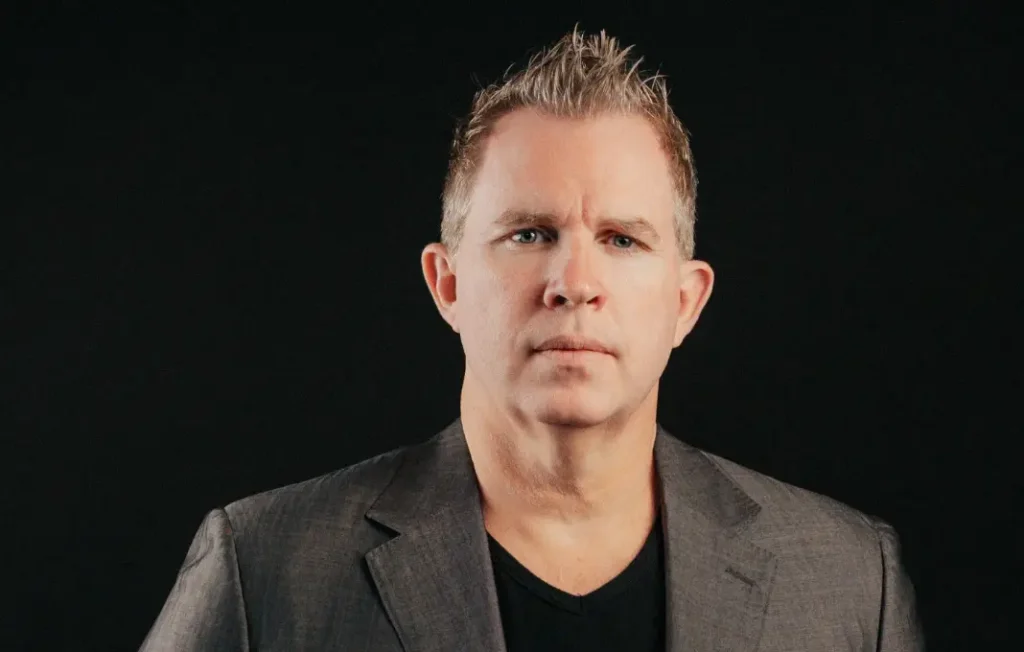
The burgeoning solar manufacturing landscape in the United States is gaining a significant new player in U.S. Modules, a company founded by manufacturing developer Charles Carey, who also heads CIG Companies. U.S. Modules is not merely establishing a production facility; it is meticulously building domestic capability with a clear mission: to bolster American energy independence, fortify national infrastructure, and cultivate meaningful employment opportunities within the country. This endeavor is deeply rooted in Carey’s conviction that such an undertaking holds profound importance.
"We are building domestic capability that supports American energy independence, strengthens infrastructure and creates meaningful U.S. jobs," Carey stated in a recent interview. "For me, that matters."
The company’s commitment to domestic production is already materializing with an initial 400-megawatt (MW) production line. The facility is strategically designed for scalability, with plans to expand to approximately 1.4 gigawatts (GW) as additional production lines are brought online. This expansion is anticipated to create around 250 jobs, further contributing to the economic vitality of the region. A distinctive aspect of U.S. Modules’ hiring strategy is its prioritization of veterans, recognizing the invaluable leadership qualities, discipline, and resilience honed through military service. These attributes are actively being integrated into the company’s executive and leadership development programs.
A Mission Beyond Manufacturing: Strengthening American Energy Independence
Charles Carey’s vision for U.S. Modules extends far beyond the physical construction of solar panels. His background in developing and financing renewable energy initiatives through CIG Companies underscores a long-term commitment to advancing sustainable energy solutions. The establishment of U.S. Modules represents a critical step in this mission, aiming to reduce reliance on foreign manufacturing and bolster domestic supply chains for a vital component of the nation’s clean energy future.
The current geopolitical climate and the increasing demand for renewable energy sources have amplified the strategic importance of domestic manufacturing. The Biden administration, for instance, has set ambitious goals for clean energy deployment, with initiatives like the Inflation Reduction Act providing significant incentives for onshoring manufacturing. U.S. Modules is poised to capitalize on this momentum, contributing directly to these national objectives.
Operational Excellence and Scalability: The U.S. Modules Model
U.S. Modules’ manufacturing operations are characterized by a commitment to cutting-edge technology, safety, quality, and stability. The first production line was commissioned in March of the current year, marking a significant milestone in the company’s journey. At the time of its inauguration, the facility employed approximately 50 individuals across various crucial functions, including production support, engineering, quality assurance, supervision, and operational personnel. The site’s layout is meticulously planned to accommodate the phased integration of additional production lines, facilitating a seamless transition to higher output levels.
The operational philosophy at U.S. Modules is anchored in simplicity and effectiveness: to foster a manufacturing environment where stringent process controls are maintained, clear standards are established, and the team is empowered to achieve success. While the company is still in its nascent growth phase, with ongoing efforts to refine technical details related to process flow, equipment optimization, and line efficiency, the overarching model remains consistent: safe, repeatable production underpinned by a long-term strategic perspective. This meticulous approach to manufacturing is crucial for ensuring the reliability and durability of the solar modules produced, directly impacting the performance and longevity of solar installations.
The Veteran Advantage: Cultivating a Culture of Discipline and Resilience
The deliberate decision to build a veteran-led operation is a cornerstone of U.S. Modules’ identity and operational strategy. This approach translates into tangible benefits on the manufacturing floor, fostering an environment characterized by clarity, accountability, composure under pressure, and profound respect for established standards and colleagues. These qualities are not only beneficial but essential for the demanding nature of manufacturing.
A significant component of this veteran-centric approach is the company’s robust leadership development program. Drawing inspiration from the discipline, clarity, and resilience required for effective leadership in challenging military environments, this program is designed to cultivate similar attributes within the U.S. Modules workforce. Furthermore, the program emphasizes a grit-based development methodology, empowering both leaders and team members to clearly define objectives, cultivate perseverance, and maintain unwavering commitment over extended periods.
On the ground, this translates into more stable leadership, enhanced follow-through on tasks, stronger interpersonal trust, and teams that possess a comprehensive understanding of both the operational standards and the overarching mission they are contributing to. The integration of veterans into the workforce brings a unique set of transferable skills. Their experiences often instill a strong sense of duty, an ability to adapt to dynamic situations, and a deep understanding of teamwork and shared responsibility – all qualities that are highly sought after in a manufacturing setting, especially during periods of rapid scaling.
Addressing the Workforce Gap: Building a Sustainable Manufacturing Talent Pipeline
U.S. Modules acknowledges that the challenge of building a reliable manufacturing workforce in the United States extends beyond simply acquiring technical skills; it encompasses fostering readiness and ensuring sustained high standards over time. The company is actively working to bridge this gap by developing a comprehensive pipeline that integrates technical proficiency, consistency in execution, effective leadership development, and long-term employee retention.
This holistic approach is why U.S. Modules adopts a "culture-first" hiring philosophy. While technical skills can be taught, foundational attributes such as a strong work ethic, humility, and a genuine zeal for one’s work are more challenging to impart. By prioritizing these core values, the company aims to create a workforce that is not only skilled but also deeply committed to the organization’s mission and values. The synergy between ingrained cultural attributes and robust training programs is seen as the key to building a truly resilient and high-performing workforce.
Strategic Location and Talent Acquisition: The College Station Advantage
The decision to establish U.S. Modules in College Station, Texas, was significantly influenced by the availability of engineering and technical talent, particularly with the presence of Texas A&M University in close proximity. This strategic location provides U.S. Modules with access to a substantial pool of highly skilled individuals with expertise in engineering, manufacturing, and practical problem-solving – critical assets for a company focused on scalable production.
Beyond the academic and talent advantages, Carey expressed a genuine appreciation for the community of College Station. The company aims to foster strong relationships with local residents, businesses, and leadership, envisioning a symbiotic growth trajectory within the area. The enthusiastic declaration, "Go Aggies!" further underscores the positive integration and commitment to the local community.
Nurturing Talent: Bridging Early-Career Enthusiasm and Experienced Acumen
U.S. Modules recognizes the imperative of a balanced approach to talent acquisition, valuing both early-career talent emerging from engineering programs and experienced manufacturing professionals. Early-career individuals bring fresh perspectives, innovative thinking, and significant long-term potential. Conversely, seasoned manufacturing hires offer invaluable judgment, pattern recognition abilities, and operational maturity gained through years of practical experience. The company’s objective is to cultivate an environment where these diverse groups can collaborate effectively and thrive.
Central to this strategy is the continued emphasis on a culture-first hiring approach. The priority is to recruit individuals who demonstrate a genuine passion for their work, a strong capacity for learning, a collaborative spirit, and a desire to contribute to something meaningful. This foundation is then complemented by robust training programs. U.S. Modules is investing in developing training initiatives that are envisioned to become industry-leading, thereby creating tangible opportunities for professional growth and advancement at all levels of the organization.
Scaling Production: Addressing Specialized Skill Demands
As U.S. Modules expands its production capacity, the demand for specific skill sets intensifies. The company notes that finding individuals who simultaneously possess a high degree of technical competence, strong leadership capabilities, and a deep-seated manufacturing discipline can be challenging. This underscores the necessity of a multi-faceted approach to talent development that extends beyond local recruitment.
While local talent remains a vital component, U.S. Modules acknowledges the need to attract experienced professionals from outside the immediate area and, crucially, to implement a robust development system that empowers individuals to grow into more significant roles over time. The company’s focus is not merely on filling immediate vacancies but on building enduring organizational capability.
The Road Ahead: Expanding Capacity and Powering America
The immediate future for U.S. Modules is centered on the launch and ramp-up of its second production line. This expansion represents a significant leap forward in production volume and opens new avenues for growth. The successful commissioning of the first production line (PL1) was instrumental in validating the company’s quality standards and operational capabilities, setting the stage for future expansion.
The introduction of the second production line (PL2) is critical for substantially increasing manufacturing output and moving closer to the scale necessary to meet market demand. Looking beyond this immediate objective, the company’s ultimate goal is clear: to produce a greater volume of solar panels, facilitate their installation across the nation, and contribute to powering America with dependable, domestically produced energy infrastructure. This vision aligns with a national imperative to transition towards cleaner energy sources and enhance energy security through diversified and resilient domestic supply chains.