

Successful media outreach in the modern era has shifted from a volume-based numbers game to a value-driven strategic exchange. Traditionally, corporate communications focused on the question of how a company could secure coverage, a mindset that prioritized the organization’s need for visibility over the journalist’s requirement for a compelling story. This misalignment has historically resulted in flooded inboxes, promotional pitches, and a general disconnect between corporate announcements and editorial needs. Today, the most effective media relations strategies are built on a foundational understanding of the "contribution-first" model, where businesses act as reliable sources of data, expertise, and timely insights rather than mere seekers of publicity.
The Evolving Definition of Media Outreach
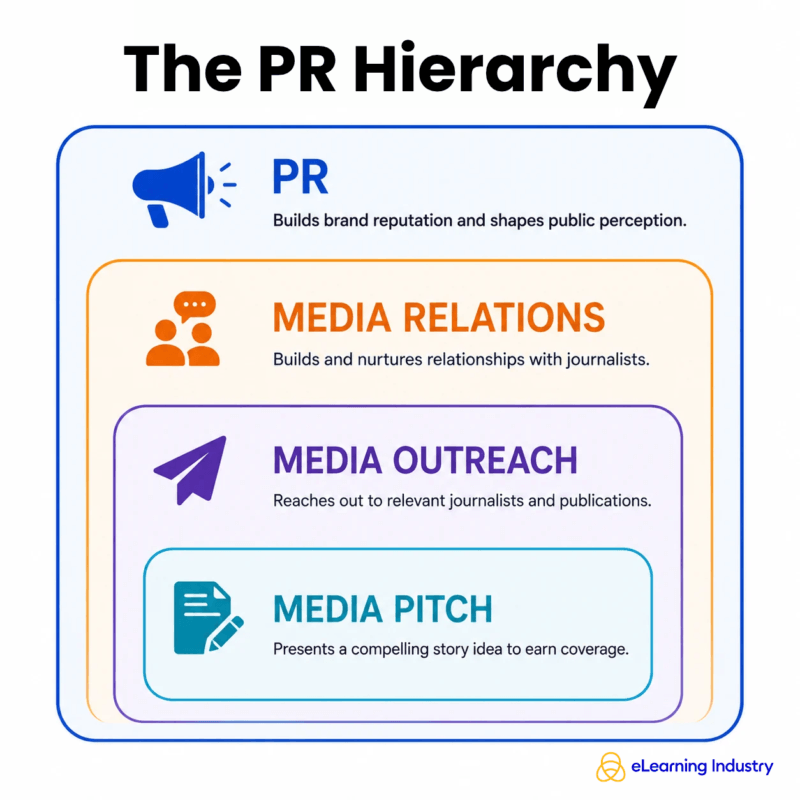
Media outreach is a proactive component of the broader public relations landscape. While public relations encompasses the holistic management of a company’s reputation—including crisis communication, internal relations, and executive positioning—media outreach is the specific, tactical process of identifying and engaging with journalists, editors, and creators to earn editorial coverage. It is the bridge between a company’s internal developments and the external public discourse.

This process is most effective when viewed as a sequence: public relations provides the overarching strategy, media relations fosters long-term professional connections, and media outreach identifies the specific opportunities to present news or commentary. A media pitch is the final, individual message that facilitates this exchange. In the B2B sector, where buying cycles are long and trust is a primary currency, earned media provides a level of third-party validation that paid advertising cannot replicate. Editorial coverage serves as a signal to the market that an independent authority finds a company’s insights or evidence useful to the public.
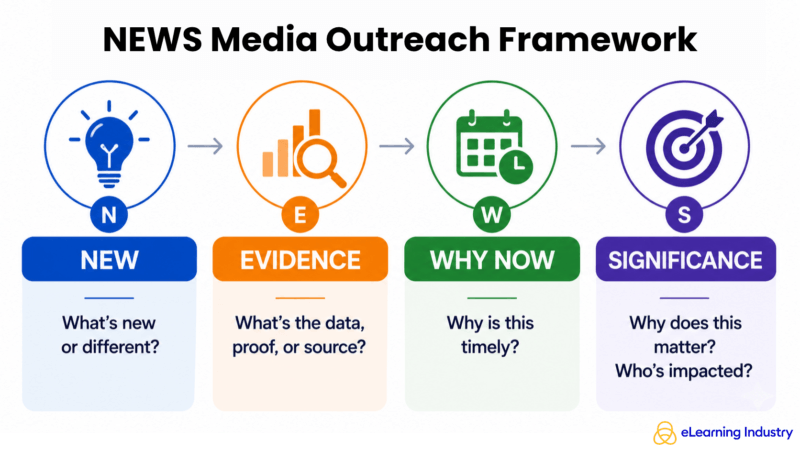
The NEWS Framework: Assessing Story Viability
Before any outreach begins, communication professionals must subject their ideas to a rigorous assessment of newsworthiness. The "NEWS" framework serves as a practical filter to ensure a pitch aligns with editorial standards:
- New: The information must be genuinely fresh. A minor product iteration or a restatement of existing corporate values rarely qualifies as news. True novelty comes from original research, a significant market pivot, or a major industry development.
- Evidence: Claims must be substantiated by data, case studies, or expert testimony. In an era of misinformation, journalists require high-quality evidence before they can commit to a story.
- Why Now: Timeliness is the lifeblood of news. A story must have a "hook" that connects it to current events, regulatory changes, or seasonal industry cycles. Without a clear reason for immediate publication, pitches are often relegated to the "maybe later" pile.
- Significance: The story must impact the publication’s specific audience. It should address changes in costs, strategy, or operational efficiency that matter to the reader.
Strategic Assets for Consistent Media Engagement
To avoid the "feast or famine" cycle of media coverage—where companies only reach out during major launches or funding rounds—organizations must develop a portfolio of "evergreen" and "timely" assets. These assets allow for year-round engagement with the press.
Original Research and Proprietary Data
Original research is perhaps the most potent tool in a media outreach toolkit. By surveying market participants or analyzing anonymized platform data, companies can uncover trends that are otherwise invisible to the public. For example, an HR technology company might analyze platform data to show a sudden shift in how remote teams are utilizing mental health benefits. This data-driven approach transforms a promotional pitch into a sociological insight, making it highly attractive to business and trade journalists.
Executive Commentary and Thought Leadership
Journalists frequently require "talking heads"—experts who can provide context to breaking news. To be successful, these experts must offer a distinct point of view rather than safe, corporate-approved platitudes. When an executive can explain the practical implications of a new government regulation or a technological breakthrough like generative AI, they become a go-to source for the media.
Case Studies and Customer Outcomes
While proprietary data shows the "what," case studies show the "how." A well-documented customer story that highlights a universal industry challenge and a measurable solution provides the human element often missing from B2B reporting. Journalists look for these narratives to illustrate broader trends in their features.
Building the Media Targeting Pyramid
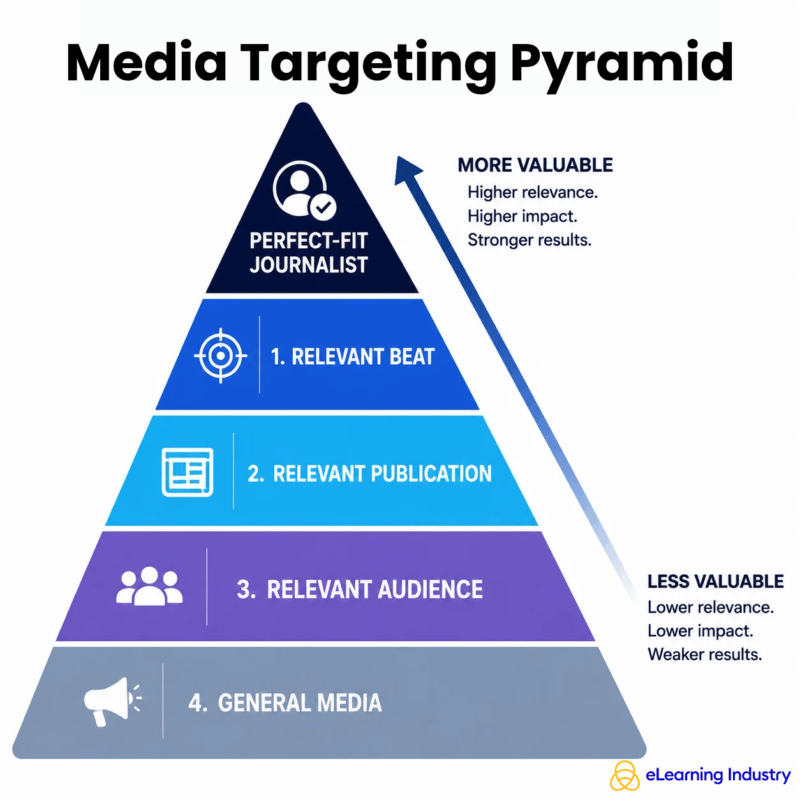
Effective outreach is predicated on precision rather than reach. A "spray and pray" approach—sending the same pitch to hundreds of journalists—is not only ineffective but can lead to a company’s domain being blacklisted by newsrooms. Instead, a segmented media list should be structured as a pyramid:
- Tier 1 (The Core): A small group of highly influential journalists and publications that directly serve the company’s primary audience. These require deep research, personalized engagement, and a long-term relationship-building strategy.
- Tier 2 (The Industry Pulse): Trade publications and beat reporters who cover the specific category (e.g., HR tech, cybersecurity, or logistics). They are excellent targets for research reports and expert commentary.
- Tier 3 (The Wider Context): General business press or local media that become relevant during specific events, such as a major geographic expansion or a cross-industry trend.
The RELATE Methodology for Professional Outreach
To systematize the outreach process, the "RELATE" framework provides a six-stage path from research to relationship extension:
- Research: Understanding a journalist’s specific beat and recent coverage. This prevents the embarrassment of pitching a story the reporter covered only two days prior.
- Earn Familiarity: Engaging with a journalist’s work before asking for a favor. This might involve sharing their articles or providing a quick, no-strings-attached lead on a story they are currently tracking.
- Lead with the Story: The pitch should immediately highlight the value to the reader. Avoid the "About Us" section until the end of the message.
- Add Evidence: Include links to data, high-resolution images, or a short bio of the available expert.
- Time Intelligently: Aligning pitches with editorial calendars. For instance, many trade publications plan their "Future of…" issues months in advance.
- Extend the Relationship: Following up after a story is published. A simple thank-you note and an offer to provide further help in the future can solidify a professional bond.
Sector-Specific Nuances: HR, AI, and L&D
In the B2B technology space, the "product-centric" pitch is a common pitfall. Successful vendors in sectors like Learning Management Systems (LMS) or Artificial Intelligence (AI) have learned to pitch the implication of their technology rather than the features.
In the AI sector, the current media landscape is saturated with "AI-powered" announcements. To stand out, companies must move beyond the hype and provide data on enterprise adoption, governance frameworks, or productivity shifts. Similarly, in the HR and Learning and Development (L&D) space, the story isn’t the new software dashboard; it’s the data showing how that dashboard revealed a skills gap that could cost the industry billions in lost revenue.
Measuring the Impact: Beyond Vanity Metrics
The success of a media outreach program should be measured by its alignment with business objectives rather than the sheer volume of clips. Modern measurement involves several layers of analysis:
- Activity Metrics: Tracking response rates and the quality of journalist conversations.
- Quality Metrics: Assessing the authority of the publication and whether key brand messages were included in the coverage.
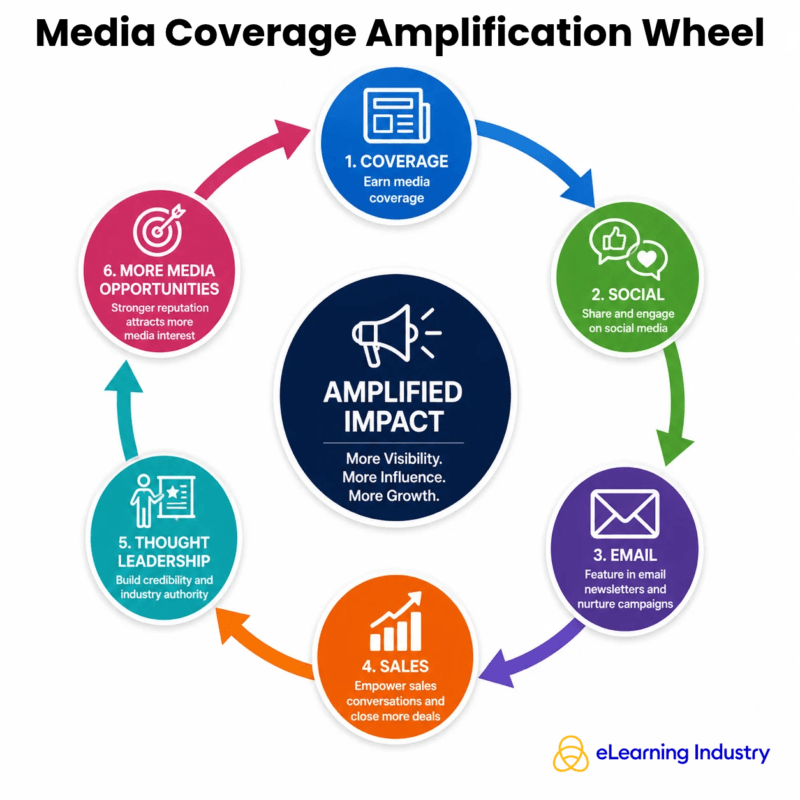
- Commercial Indicators: Monitoring branded search volume, referral traffic from news sites, and feedback from the sales team regarding prospects mentioning specific articles.
- Search and AI Visibility: Earned media significantly impacts Search Engine Optimization (SEO) through high-quality backlinks and strengthens a brand’s presence in Generative Engine Optimization (GEO), as AI models often prioritize information from reputable news sources.
Implications and Future Outlook
As newsrooms continue to shrink and the competition for attention intensifies, the barrier to entry for media coverage will continue to rise. The "pay-to-play" model of sponsored content will remain a valid tool for guaranteed visibility, but it will never carry the weight of earned editorial.
For B2B organizations, the future of media outreach lies in "Radical Usefulness." Companies that position themselves as auxiliary research arms for the press—providing the data and the experts that newsrooms no longer have the resources to find themselves—will dominate the share of voice in their respective markets. This transition from "advertiser" to "information partner" is the hallmark of a mature and successful communications strategy. By adhering to frameworks like NEWS and RELATE, businesses can transform their media outreach from a series of transactional requests into a powerful engine for long-term authority and market influence.






