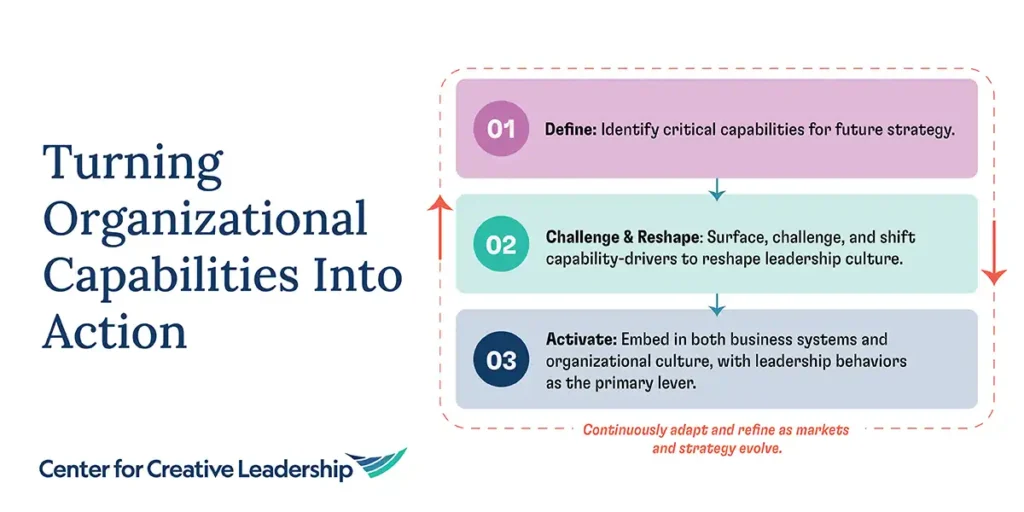
The contemporary business arena is defined by an intricate tapestry of complexity, relentless change, and the ever-present specter of crisis. These compounding factors have amplified an already demanding operational environment, underscoring the critical imperative for agility, both at the individual and collective levels of an organization. However, while the capacity to react swiftly may equip businesses to navigate immediate challenges, it falls short of enabling sustained growth and genuine competitive differentiation. Merely keeping pace in such a dynamic landscape is insufficient for organizations and their leaders to truly thrive. This reality necessitates a fundamental shift in focus toward identifying and cultivating what will truly set an organization apart, and consequently, the specific behaviors and mindsets leaders must embody. The path forward is often obscured by ambiguity, making it challenging to draw a clear line between the leadership principles that guide decisions and actions, and the overarching strategic objectives of the enterprise.
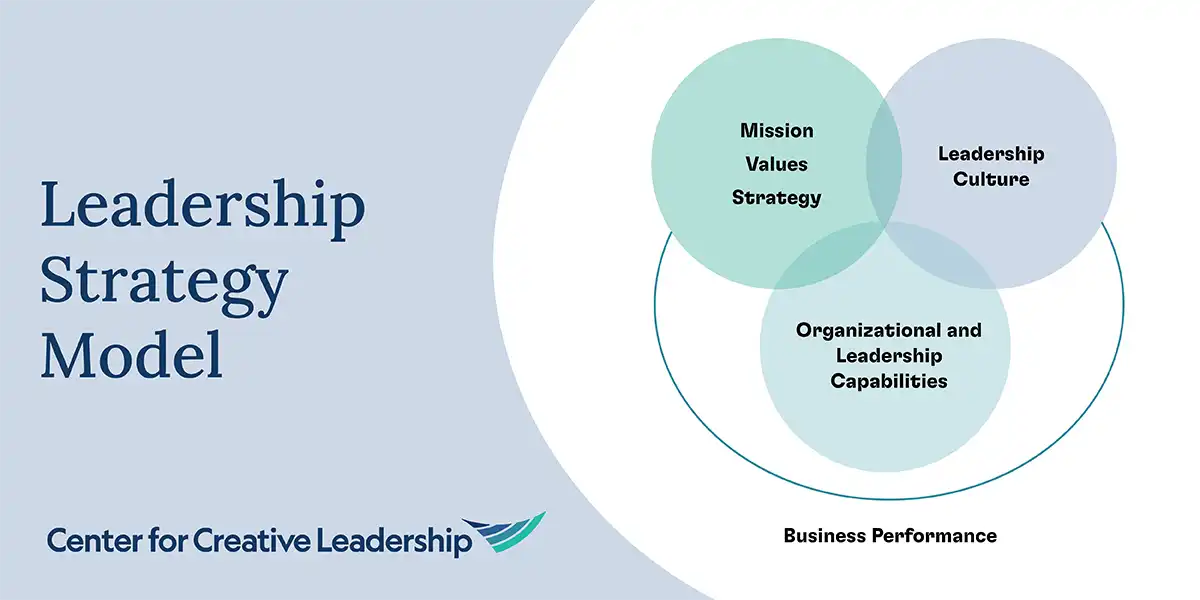
A robust framework for bridging this gap has emerged, offering a clear pathway that connects the daily practices of leaders to long-term, sustainable organizational success. This framework, developed through decades of research and practical application, centers on five interconnected elements, with organizational capabilities serving as the crucial linchpin that unites strategy with the essential leadership behaviors required for their cultivation. These core components include the organization’s mission, values, and overarching strategy, forming its strategic bedrock. Equally vital is the leadership culture – the shared beliefs, norms, and unspoken expectations that shape how leadership is enacted and recognized on a day-to-day basis. From this foundation, organizational capabilities define the business’s unique competitive identity, while leadership capabilities empower leaders to build and maintain these strengths. Together, these elements translate strategic intent into tangible, executable actions.
A common pitfall observed across industries is the tendency for organizations to leap directly from high-level business strategy to the articulation of individual leader behaviors, bypassing the critical step of defining what the organization needs to be collectively excellent at. Organizational capabilities act as this essential bridge. Clarifying these capabilities upfront imbues subsequent efforts, including the prioritization of specific leadership behaviors, with greater purpose and precision. Without this intermediary step, leadership development risks becoming a disconnected exercise, failing to align with the organization’s unique strategic needs and competitive positioning.
Defining Organizational Capabilities: The Cornerstone of Competitive Identity
Organizational capabilities are the distilled essence of what an organization collectively knows and does. They encompass both its inherent strengths and areas requiring development. Crucially, these capabilities serve as a potent indicator of the customer segments the business is best equipped to serve and the strategies it is most likely to execute successfully. They are not abstract concepts but are manifested in observable leadership behaviors that can be tracked and measured. Fundamentally, organizational capabilities exist only when individuals bring the requisite combination of skills, knowledge, and attributes to their work, making the separation of collective organizational capabilities from individual leader behaviors an impossibility.
The expectation that strategy will materialize solely through individual behaviors, without first identifying the necessary collective capabilities, creates a significant strategic chasm. Leaders are deprived of the essential context needed to prioritize the most impactful behaviors, and the organization itself lacks the cohesive framework for effective execution. When organizational capabilities are clearly defined, they synchronize the business and human systems, enabling the enterprise to create value in ways that competitors find exceedingly difficult to replicate. This symbiotic relationship between organizational and leadership capabilities is a hallmark of resilient and high-performing organizations.

The concept of organizational capabilities is not a recent innovation. Business strategists in the 1990s began shifting the focus from an external market orientation to an inward examination of an organization’s core competencies. This prompted leaders to make deliberate choices about where to allocate resources and invest for maximum impact. This thinking has evolved significantly, particularly to address the necessity for organizations to adapt their capabilities in an era of perpetual disruption. Decades of dedicated practice in organizational leadership have consistently applied a research-based set of organizational capabilities with clients navigating large-scale change and transformation initiatives. This work has been guided by a profound understanding of leadership as a social process, and the significant influence of leadership culture in the demonstration of these capabilities. Extensive studies of executive teams over twenty years have identified a core set of capabilities that consistently play a pivotal role in successful organizational transformations.
Recent re-evaluations of this foundational work have been prompted by the profound influences of technological advancements, globalization, and other dynamic forces. These analyses have led to the refinement of existing capabilities and the addition of greater detail to their behavioral components. This ensures a more nuanced understanding and facilitates a more precise connection to leadership capabilities, creating a feedback loop that strengthens both the organization and its leaders.
A Research-Based Framework of 11 Organizational Capabilities
Through extensive research and practical application, a set of eleven distinct organizational capabilities has been identified. Each capability is intrinsically linked to an organization’s strategic and cultural identity, providing a clear depiction of what it looks like in action. While all eleven contribute to a high-performing organization, the strategic imperative lies in identifying a focused subset, typically comprising three to four capabilities, that will become the cornerstone of an organization’s pursuit of excellence. This selected group of capabilities articulates a clear narrative of how the organization positions itself to address strategic challenges and the unique methods it employs to achieve success.
For instance, consider a services company committed to a radical overhaul aimed at becoming an AI-driven organization. The ambition is to embed AI as the foundational element of its internal processes and to infuse it into its client offerings. If this organization already possesses inherent strengths in "Fostering Innovation" and "Driving Productivity," its executive team might opt to build upon these existing capabilities. This would involve emphasizing behaviors such as the rapid creation of new products and services and their effective market introduction, alongside the continuous shaping of the organization’s structure and workflows. Concurrently, given the magnitude and scope of the transformation required to fundamentally alter its operational paradigm, the organization might recognize the need to develop a "Leading Transformation" capability. Simultaneously, its focus on "Determining Performance" might be reframed to align with these new strategic priorities.
The process of narrowing down to the most critical three to four organizational capabilities is not a superficial exercise in consensus-building. It demands a meticulous evaluation of numerous factors, including the strategic importance of each capability, the level of investment warranted, and what constitutes acceptable performance for the remaining capabilities. The greater the alignment among the executive team and other key stakeholders regarding these essential capabilities, the more transparent and seamless the pathway becomes for their establishment and sustained development. For decades, a well-established methodology has been employed to guide executive teams through this intricate process. This approach consistently yields direction, alignment, and commitment, paving the way for the effective translation of organizational capabilities into both the individual and collective leadership behaviors that bring them to life.
From Organizational Potential to Leadership Action: A Three-Phase Approach
Translating organizational capabilities into tangible action requires a dual focus: looking outward towards the future and inward towards the organization’s internal dynamics. This dual perspective forms the bedrock of a proven three-phase approach designed for executive teams.
The initial phase, Discovery and Diagnosis, involves a comprehensive assessment of the organization’s current state. This includes a deep dive into its strategic objectives, its existing capabilities (both strengths and weaknesses), and its prevailing leadership culture. This phase often utilizes a combination of qualitative and quantitative data, including stakeholder interviews, surveys, and performance metrics, to build a holistic picture. The output of this phase is a clear understanding of the gap between the organization’s current capabilities and its strategic aspirations.
The second phase, Design and Alignment, focuses on defining the target organizational capabilities. Based on the diagnostic findings, the executive team works to identify the critical three to four capabilities that will be the focus of development. This involves making deliberate choices about where to invest resources and what level of performance is required for each capability. Crucially, this phase also involves aligning the leadership culture and defining the specific leadership behaviors that will support and drive these chosen capabilities. This ensures that leadership development efforts are directly tied to the strategic needs of the organization.
The final phase, Deployment and Sustainment, is about embedding these capabilities into the fabric of the organization. This involves developing targeted leadership development programs, implementing new processes and systems, and establishing mechanisms for ongoing measurement and feedback. The goal is to ensure that the chosen organizational capabilities are not only developed but also sustained over time, becoming an intrinsic part of the organization’s operational DNA. This phase emphasizes the importance of continuous improvement and adaptation, recognizing that the business landscape is constantly evolving.
The Enduring Impact: Strategy Realized Through Leadership
As organizations chart their future course and develop their leadership talent, organizational capabilities emerge as a pivotal bridging mechanism. By strategically concentrating efforts on defining and cultivating the organization’s differentiating strengths, these capabilities position the enterprise for enduring strategic success and provide unparalleled clarity on the specific behaviors leaders must master to excel. The future is inherently dynamic, and with it, organizational strategies and the leadership competencies required for their execution will undoubtedly evolve. However, when an organization harmonizes its mission, values, strategy, and leadership culture around a precisely defined set of capabilities, it not only strengthens its immediate execution capabilities but also enhances its capacity for future adaptation. This cohesive alignment ensures that every element of the Leadership Strategy Model, and indeed every individual within the organization, remains firmly on the path toward achieving sustained success.
A Call to Action: Partnering for Strategic Advantage
Identifying the organizational capabilities that transform a company’s strategy into a distinct competitive identity – and cultivating the leadership culture necessary to sustain them – is a consequential undertaking for any executive team. Leading organizations through this transformative process is a core expertise, and a commitment exists to partner with yours. Further exploration into specialized Organizational Leadership consulting services can illuminate how executive teams can effectively define, align, and activate the most critical capabilities for achieving sustained business performance. This strategic imperative, when addressed with focused intent and expert guidance, lays the groundwork for not just survival, but for thriving in an increasingly complex and competitive global marketplace.