
SAP has launched what is being heralded as one of its most significant strategic announcements in years: a comprehensive enterprise AI architecture designed to embed artificial intelligence at the core of its operations. Dubbed "The Autonomous Enterprise," this new framework, unveiled by CEO Christian Klein, aims to transform how businesses leverage their existing SAP systems, promising enhanced efficiency, deeper insights, and a more intuitive user experience. The initiative represents a substantial pivot for the enterprise software giant, building upon years of development in areas like AI agents and business data layers, and signaling a bold step towards positioning SAP as an AI-first company.
The vision for The Autonomous Enterprise encompasses three key pillars: a unified AI platform for building, contextualizing, and governing intelligent agents; an autonomous suite capable of executing core business operations; and a reimagined user experience that fundamentally alters how individuals interact with enterprise software. "The Autonomous Enterprise includes a unified AI platform for building, contextualizing and governing agents, an autonomous suite that executes core business operations and a new user experience that redefines how people work with enterprise software," stated Christian Klein, CEO of SAP SE, underscoring the ambition of this new direction.
Background and Context: The Evolving Enterprise Landscape
The announcement comes at a critical juncture for enterprise software providers. As businesses grapple with increasingly complex global operations, the demand for intelligent automation and predictive analytics has never been higher. SAP, with its deep roots in providing comprehensive Enterprise Resource Planning (ERP) solutions that manage everything from financial capital and human resources to intricate supply chains and manufacturing processes, is uniquely positioned to integrate AI into the very fabric of business operations. Unlike specialized solutions, SAP’s ERP systems, which have evolved over decades and through numerous acquisitions, offer an unparalleled depth of integration across diverse industries. This "end-to-end" capability allows companies in sectors like pharmaceuticals, automotive, consumer goods, and telecommunications to meticulously track products from inception to delivery, managing every facet of their value chains, revenue streams, costs, and profitability.
For instance, a company might query its SAP system about a decline in profit margins for a specific product line in a particular region. Historically, such a question would necessitate extensive manual data analysis by a team of experts. The new AI architecture, however, promises to automate this process. An AI agent, like SAP’s Joule, could potentially field such a query, ask clarifying questions, and then conduct a complex analysis to pinpoint the root cause. This could range from shifts in sales commissions or soaring shipping costs to the fluctuating price of raw materials. The AI’s ability to traverse the vast datasets within SAP and identify subtle but impactful factors, such as a price increase from a key supplier affecting profitability, represents a significant leap in analytical power.
The "Autonomous Enterprise": Defining the New Paradigm
The core theme of SAP’s announcement, "autonomous," suggests a future where enterprise systems can operate with a greater degree of self-sufficiency, proactively identifying and rectifying sub-optimal processes. This vision is being brought to life through the introduction of numerous AI agents, with SAP announcing over 224 such agents designed to enhance automation across various business functions.
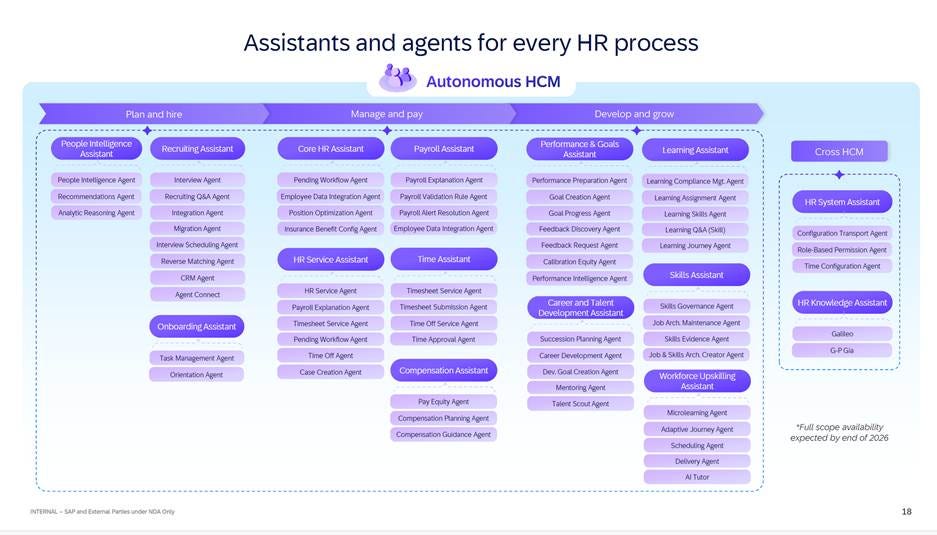
In the Human Capital Management (HCM) domain alone, SAP has detailed a range of agents designed to address complex challenges that have long plagued HR departments. Questions such as why one sales team underperforms its peers, whether the issue stems from leadership, training, team tenure, or market dynamics, are now within the purview of AI-driven analysis. While "skills" have often been viewed as the universal solution to performance issues, SAP’s approach acknowledges that factors like weak leadership, misaligned teams, or inefficient business processes are equally critical. This focus on optimizing human capital operations through AI represents a significant area of potential impact.
The nature of these AI agents raises a crucial question: are they primarily designed to simplify existing, time-consuming manual tasks, or do they herald a fundamental redesign of how HR and other business functions operate? SAP’s offerings suggest a blend of both. For example, in demonstrations focusing on SAP SuccessFactors, the company highlighted agents designed to automate complex and often error-prone processes like payroll. These agents can identify glitches, implement fixes, generate alerts, and even create personalized development materials, targeting employees for upskilling.
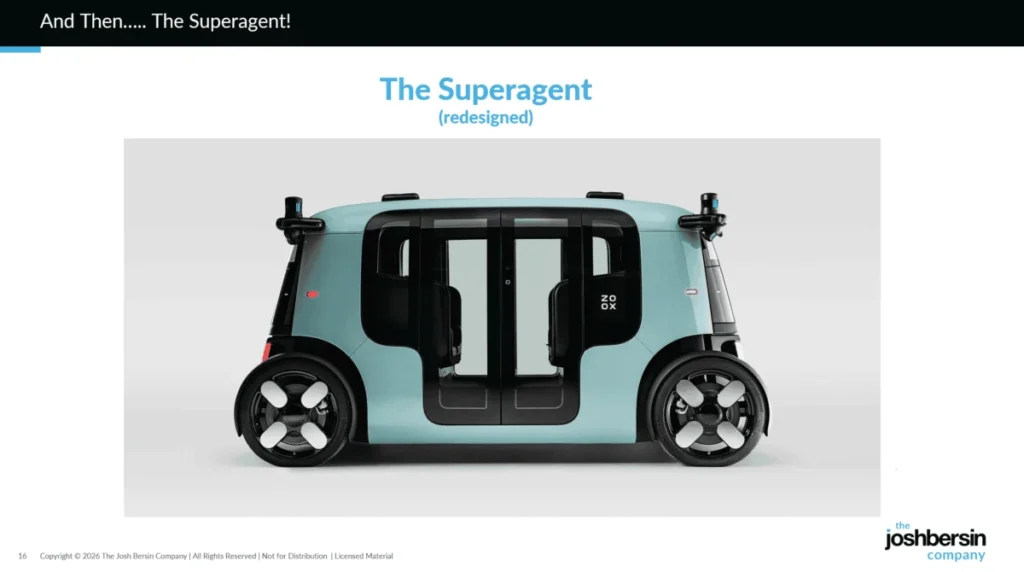
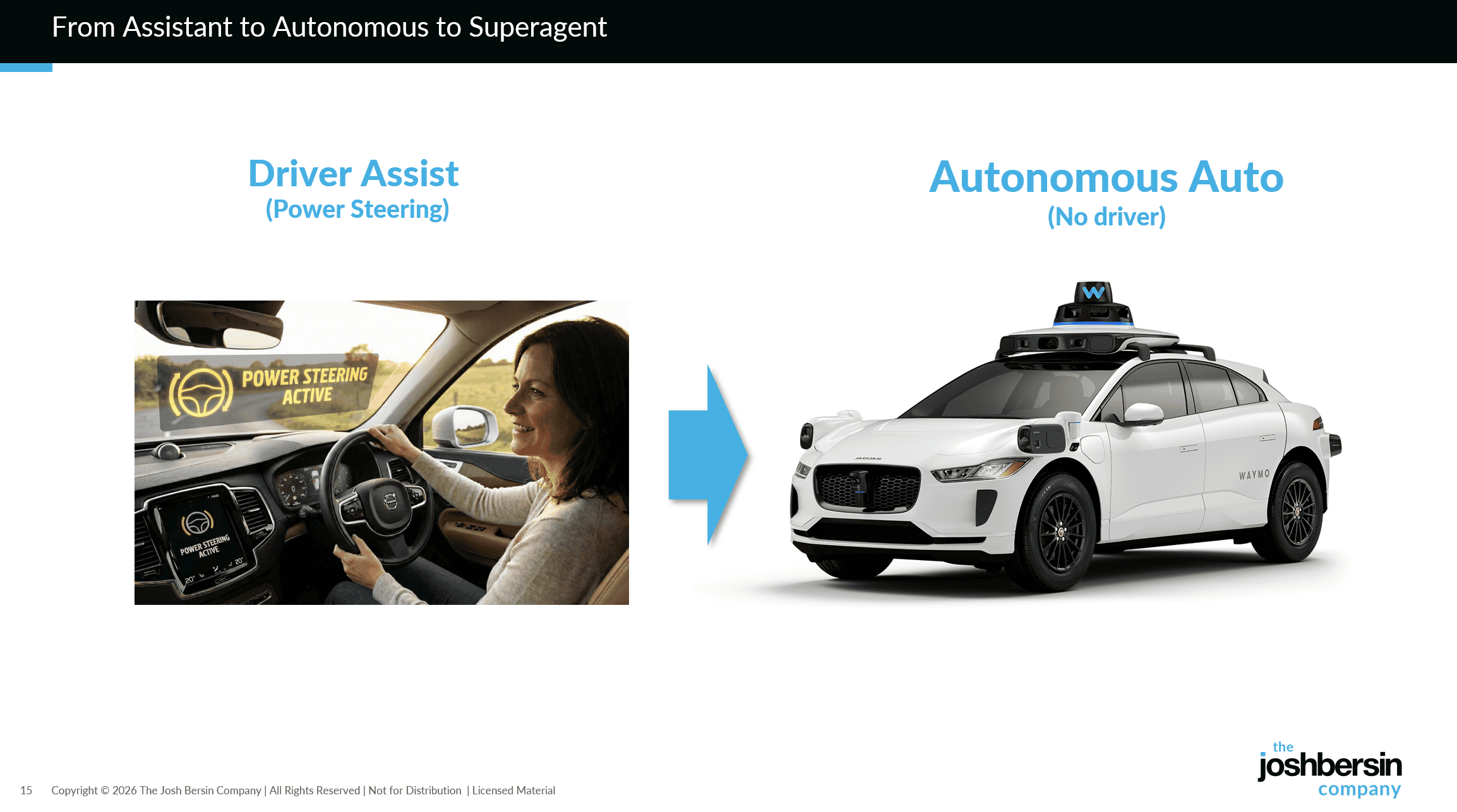
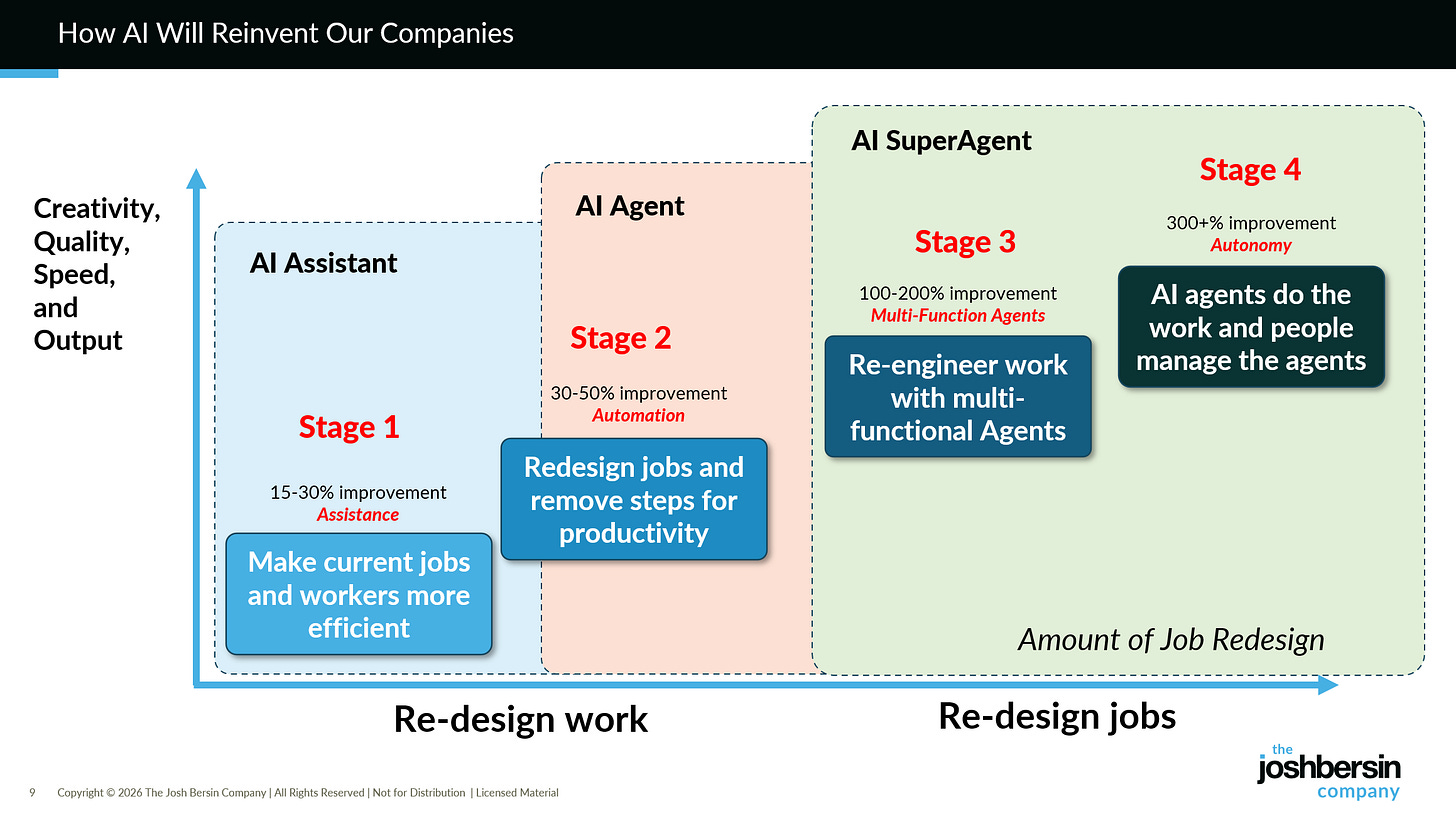
However, the emphasis appears to be heavily on automation – making existing SAP systems run more autonomously and effectively – rather than a radical overhaul of underlying business processes. This distinction is crucial. The author draws an analogy to the automotive industry, comparing SAP’s approach to Waymo’s self-driving car, which operates within the existing car framework, versus Zoox’s reimagined vehicle designed for an entirely new passenger experience. SAP, in this analogy, is positioning itself as a Waymo, enhancing and automating current operations rather than fundamentally redesigning the user experience or the core business logic.
Under the Hood: The Technological Foundation
At the heart of The Autonomous Enterprise lies a sophisticated AI architecture. A prominent "AI layer" integrates a data fabric with numerous AI models, including a large context window that allows SAP to ingest and process extensive business data. This enables the AI to understand and act upon the intricate relationships and rules embedded within SAP’s vast enterprise systems.
A key innovation highlighted is SAP’s proprietary tabular data model, SAP-RPT-1.5. Unlike general-purpose Large Language Models (LLMs) that can sometimes struggle with structured data, this model is specifically optimized for analyzing, evaluating, and modeling the massive tables that form the bedrock of business software. It empowers users to find, analyze, model, and perform "what-if" scenario planning on complex, real-time business data, offering a powerful tool for data professionals.
Another critical component is the SAP Knowledge Graph. This semantic layer acts as the "brain" of the system, mapping the thousands of business entities, structures, and rules within SAP into a coherent, queryable model. When a user asks a question, whether a simple one like "what is family leave for my new baby?" or a more complex business query, the Knowledge Graph translates it into context-specific queries across the SAP suite, retrieving the necessary data, information, or policy. This is complemented by Galileo, an intelligence layer that transforms the Knowledge Graph and Joule into a sophisticated HR, human capital, and leadership advisor, now integrated and available within SAP.
Joule, SAP’s copilot interface, has evolved significantly from its initial launch as a transaction-finding chatbot. The new Joule Studio provides an enterprise-class development environment for designing, building, testing, and managing AI agents of varying complexity. This robust toolset enables IT teams and SAP developers to create custom agents that can potentially redesign SAP workflows, such as building a highly personalized onboarding system that goes beyond standard offerings, or integrating with other systems through SAP’s data layer. This positions SAP as offering both an "agent platform that lives beyond SAP" and a "platform for agents," akin to competitors like ServiceNow and Workday, but with a unique focus on the deep SAP data objects and modules.
Furthermore, SAP is exploring the creation of "massive context windows" to store an entire "company memory." This concept, detailed in research like the HR 2030 blueprint, envisions AI models retaining a comprehensive dataset of operational knowledge – including customers, products, processes, rules, and documentation. This "company corpus" can then be used for continuous analysis, modeling, and improvement, potentially uncovering hidden operational best practices and driving significant performance gains.
AI Governance and the Future of Enterprise AI
Recognizing the potential risks associated with autonomous AI agents, SAP, alongside competitors like Workday and ServiceNow, is emphasizing AI governance. The new AI Agent Hub provides a management system for deploying, controlling, and monitoring these agents. This includes tools for throttling consumption, verifying agent integrity, managing data connections, and coordinating interactions between multiple agents. The challenge of inter-agent communication is significant, particularly in areas like HR, where a training agent, for example, needs to seamlessly interact with agents responsible for development planning, performance management, and work monitoring.

The broader implication of SAP’s announcement is its potential to solidify the position of established enterprise software vendors against the disruptive threat of AI-native startups. While concerns about a "SaaS Apocalypse" driven by new AI tools persist, SAP, like its peers, argues that re-engineering existing, deeply ingrained ERP and HCM systems with AI will take years. This strategy leverages decades of research and development, customer investment, and industry-specific knowledge, aiming to enhance, rather than replace, these foundational systems.
The goal is to drive cross-domain process innovation, elevate customer and employee experiences, and create smarter, more responsive business systems. This is being achieved by embedding AI-driven execution into agents that operate across the entire SAP suite. For finance, this means assistants for closing and controlling workflows; for procurement, sourcing and buying assistants; for supply chain, delivery assistants; and for HR, recruiting and career development assistants. This ubiquitous integration is what leads Christian Klein to assert that SAP is now an AI company.
SAP is not abandoning traditional software but rather making it less visible by embedding its functionality into intelligent agents. This shift promises to move customers away from static workflows and towards dynamic systems that can decide, recommend, escalate, and act autonomously. This evolving model is also expected to lead to a financial shift, with SAP potentially moving towards consumption-based and outcome-oriented pricing, rather than solely relying on seat licenses.
Conclusion and Future Outlook
SAP’s launch of The Autonomous Enterprise marks a pivotal moment for the company and the broader enterprise software industry. By integrating AI deeply into its core architecture, SAP aims to unlock unprecedented levels of efficiency, insight, and automation for its vast customer base. While the immediate focus appears to be on automating existing processes, the long-term potential for AI to drive fundamental business redesign is significant. The success of this strategy will hinge on the seamless integration of these new AI capabilities into existing workflows, the robustness of its AI governance, and its ability to continuously innovate and adapt in the rapidly evolving AI landscape. As SAP continues to roll out these advancements, its claim to be an AI company at its core will be put to the test, with the enterprise world watching closely.







