
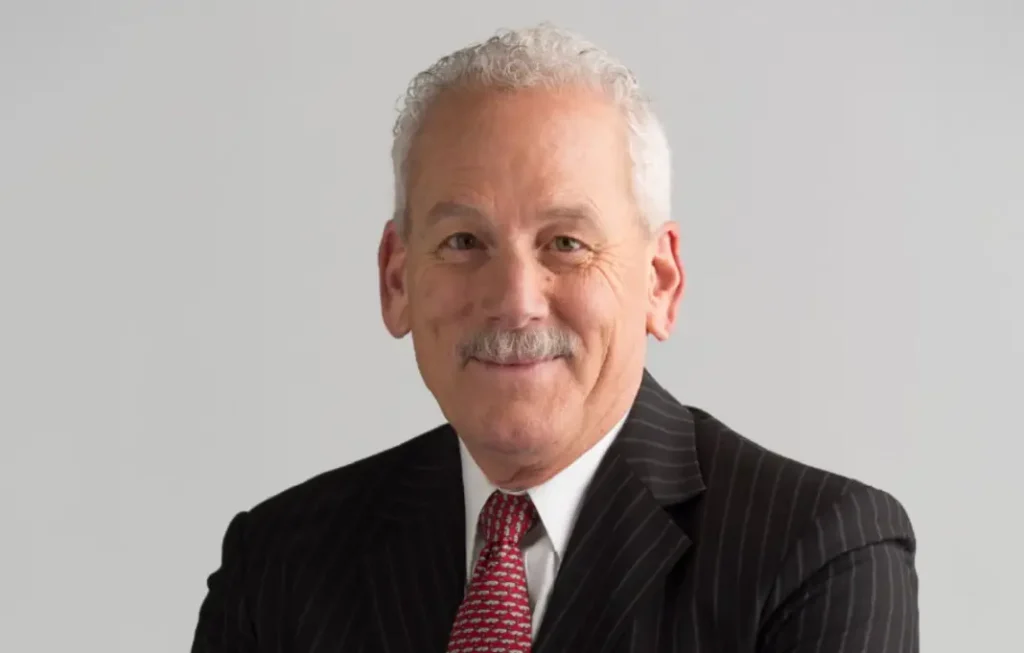
For John Waggoner, founder and chairman of Victory Cruise Lines, leadership is not merely a position of authority but a profound and sacred responsibility. His core belief, deeply ingrained in the operational ethos of his company, is that "many hands make for light work." This philosophy dictates that as one ascends in an organization, their willingness to actively participate and contribute should correspondingly increase. This principle is a cornerstone of Victory Cruise Lines, a company renowned for its captivating voyages along the Great Lakes and America’s historic waterways, where Waggoner expects every individual on board to embrace whatever task the moment demands.
Waggoner frequently illustrates this guiding tenet during the company’s annual orientation sessions. He recounts an anecdote that encapsulates his vision of leadership by example. On one occasion, while conducting a routine inspection of a ship, Waggoner observed deckhands diligently washing windows. Nearby, the ship’s captain was seated, seemingly disengaged, engrossed in a newspaper and a cup of coffee. Waggoner approached the captain and requested his assistance with the task at hand. The captain’s response, delivered with a degree of defiance, was, "But I’m the captain."
This reaction was antithetical to Waggoner’s understanding of leadership. For him, a captain’s role is to lead by example, not to shirk responsibility or delegate menial tasks. Consequently, Waggoner made the decisive action of dismissing the captain. He later clarified the intent behind this incident on an episode of the Corporate Competitor Podcast, stating, "This isn’t a story about washing windows. This is a story about all of us together doing whatever needed to be done on board to make it a perfect product for our guests." This anecdote serves as a powerful and memorable illustration of his commitment to a hands-on, collaborative leadership style, emphasizing that every member of the team, regardless of rank, plays a vital role in achieving collective success and delivering an exceptional experience for their guests.
The Endurance Athlete’s Mindset: Building a Company with Vision and Consistency
Waggoner’s leadership philosophy is deeply influenced by his background as an endurance athlete. His experiences as a cross-country runner, hurdler, and his recent completion of the challenging Escape from Alcatraz triathlon have instilled in him a profound understanding of competition. He views success not as a product of a quick start or a fleeting burst of effort, but rather as the result of sustained consistency and a clear, unwavering vision. This perspective has served as the bedrock upon which he has meticulously built Victory Cruise Lines, step by deliberate step.
He often draws parallels between athletic endeavors and business building. "A marathon is 26 one-mile races," Waggoner explains. This analogy reinforces his belief in the power of breaking down monumental goals into manageable segments, a strategy that fuels his determination. "That idea constantly reinforces in me that I can do whatever I set my mind to." This intrinsic motivation and disciplined approach are evident in the company’s steady growth and commitment to excellence in the competitive cruise industry.
Strategic Approaches to Guest Experience and Operational Efficiency
During his appearance on the Corporate Competitor Podcast, John Waggoner elaborated on several key strategies that underpin Victory Cruise Lines’ success, focusing on guest satisfaction and operational effectiveness.
Probing for Genuine Feedback: The Art of the "Owner’s Perspective"
A critical aspect of delivering superior guest experiences lies in understanding what truly matters to them. Waggoner eschews superficial inquiries, recognizing that generic questions often yield generic answers. Instead of asking guests, "How was your cruise?" he employs a more incisive approach: "If you were the owner of this boat, give me three things you’d change." This question is designed to elicit more candid and constructive feedback. The longer a guest takes to formulate their response, the more Waggoner perceives it as a positive indicator, suggesting that the guest has been prompted to think critically and engage deeply with their experience, thereby providing valuable insights for improvement. This method allows the company to move beyond superficial pleasantries and address potential areas for enhancement that might otherwise go unnoticed.
Embracing the "Toolbelt Mentality": Leading from Within
Waggoner’s philosophy of leadership extends to his belief in the power of shared effort. He advocates for a management style that involves working alongside employees, actively participating in their tasks. This is encapsulated in his "wear the toolbelt" analogy. When leaders demonstrate a willingness to roll up their sleeves and engage in the practical work, it fundamentally alters how they are perceived by their teams. "When I put on a toolbelt and work with people," he states, "at some point they forget who I am." This signifies a shift from a hierarchical dynamic to one of genuine collaboration, fostering an environment where team members feel supported and valued, and where the focus remains squarely on the collective objective of delivering an exceptional product. This approach is particularly relevant in the hospitality sector, where hands-on involvement can directly impact service quality and guest satisfaction.
The Power of Compartmentalization: Navigating Complexity with Clarity
Leading a large company like Victory Cruise Lines inherently involves managing a multitude of responsibilities and wearing many different "hats." Waggoner acknowledges that attempting to tackle all these demands simultaneously would be overwhelming and unproductive. His strategy for navigating this complexity is rooted in the principle of compartmentalization, a concept he links back to his marathon running analogy. "Any time you’re doing things," he advises, "break it down—compartmentalize." By dividing large tasks or complex projects into smaller, more manageable components, leaders can maintain focus, reduce stress, and approach challenges with greater clarity and efficiency. This methodical approach ensures that progress is made consistently across various operational areas, preventing any single aspect from becoming an insurmountable obstacle.
Victory Cruise Lines: A Journey Through Historic Waterways
Victory Cruise Lines operates a fleet of intimate, all-suite vessels designed to provide a luxurious and personalized cruising experience. The company specializes in voyages that explore the natural beauty and rich history of North America’s inland waterways, including the Great Lakes, the St. Lawrence Seaway, and the Mississippi River. These itineraries often feature extended stays in port, allowing guests ample opportunity to immerse themselves in local culture, history, and attractions.
The company’s commitment to guest experience is further evidenced by its focus on high-quality cuisine, personalized service, and enriching onboard programming. By offering a more unique and less crowded alternative to larger ocean-going cruise lines, Victory Cruise Lines caters to a discerning clientele seeking authentic and in-depth exploration of the destinations they visit. The operational philosophy espoused by John Waggoner directly contributes to the seamless execution of these meticulously crafted voyages, ensuring that every aspect of the guest’s journey is aligned with the company’s promise of excellence.
Broader Implications: The Enduring Value of Principled Leadership
John Waggoner’s leadership philosophy at Victory Cruise Lines offers a compelling case study in the enduring value of principled management. In an era where corporate culture is increasingly scrutinized, his emphasis on shared responsibility, leading by example, and a relentless focus on guest experience provides a blueprint for sustainable success.
The anecdote of the captain’s dismissal, while stark, serves as a powerful reminder that leadership is not a passive role. It demands active engagement and a commitment to upholding the standards that define an organization. By fostering an environment where every team member feels empowered to contribute and where leadership is embodied through action rather than mere title, Waggoner is cultivating a resilient and high-performing team.
The strategic insights shared by Waggoner—from eliciting honest feedback to the practical application of compartmentalization—demonstrate a thoughtful and data-driven approach to business management. These are not abstract theories but actionable principles that translate into tangible improvements in guest satisfaction and operational efficiency.
For the broader cruise industry, Victory Cruise Lines’ model highlights the potential for differentiation through a focus on authentic experiences and a strong, values-driven corporate culture. As travelers increasingly seek more meaningful and personalized journeys, companies that can effectively combine exceptional service with a genuine commitment to their mission are poised to thrive. John Waggoner’s unwavering dedication to these principles suggests that Victory Cruise Lines is well-positioned for continued growth and success, offering a compelling alternative for those seeking to explore the heartland of America from the unique vantage point of its waterways.








