Human resources leaders across industries universally acknowledge the profound impact of employee recognition. This sentiment is not merely about acknowledging achievements; it’s about cultivating an environment where contributions are celebrated in ways that resonate authentically, arrive in a timely manner, and are genuinely valued by the recipient. However, the reality of corporate budgeting often presents a significant hurdle. What might be a readily available resource for one department could be an unattainable aspiration for another. Rather than allowing financial constraints to dictate the scope of appreciation, organizations are increasingly shifting their focus towards creativity and intentionality – the true catalysts for memorable and impactful recognition programs.
The prevailing notion that significant employee appreciation hinges solely on substantial financial outlay is a misconception. Experts in organizational psychology and human resources consistently highlight that impactful recognition is driven by a confluence of factors: personalization, timeliness, and a deep understanding of individual preferences. Often, the most cherished gestures come with little to no monetary cost. Investing personal time, engaging in a thoughtful conversation, offering flexibility in work arrangements, or extending a public acknowledgment of gratitude are consistently ranked among the most valued rewards by employees. Research from various studies indicates that over 50% of employees consider recognition for their efforts more important than a modest pay raise, and a staggering 85% report that feeling appreciated directly enhances their productivity. When these intrinsically valuable actions are thoughtfully combined with occasional tangible rewards, the result is a workplace culture that fosters a sense of being seen, valued, and sustained.
This article delves into practical, readily implementable employee appreciation strategies, categorized by budget considerations. It moves from entirely free options designed to foster everyday goodwill, through low- and mid-range choices suitable for spot recognition, to premium rewards reserved for significant milestones and achievements. The aim is to provide a comprehensive toolkit, enabling organizations to strategically blend free, low-cost, and higher-value tactics to create a recognition framework that is frequent, fair, and deeply resonant with their workforce.
The Foundation of Appreciation: Zero-Cost Gestures
When financial resources are constrained, an organization’s most potent assets become its people’s time, attention, and flexibility. The most meaningful forms of recognition often transcend monetary value, requiring instead a deliberate investment of attention. By dedicating time, offering specific feedback, and demonstrating flexibility, employees feel genuinely seen and understood in ways that no budget can directly purchase. These zero-cost gestures are inherently inclusive and scalable, making them among the quickest to implement. Examples include timely public acknowledgments, peer nominations, offering a degree of schedule flexibility, dedicating time for growth-oriented conversations, or the simple, yet powerful, act of a handwritten note.
These seemingly small but intentionally delivered actions send a clear message to employees: "I notice you, I value your contribution, and I care about how you prefer to be recognized." This cultivates everyday momentum, strengthening the organizational culture without imposing additional financial burdens.

Flexible Time Off and Scheduling: A Powerful "Thank You"
Moments of flexibility can be perceived by employees as significant expressions of gratitude. When an individual goes above and beyond their expected duties, acknowledging this effort by offering compensatory time off or greater control over their schedule can be remarkably effective. For instance, a manager might say, "Thank you for staying late to ensure the successful release of the project. Please feel free to start an hour later tomorrow, and I’ll block your first hour for uninterrupted deep work – no meetings will be scheduled." This demonstrates an understanding of the employee’s commitment and a willingness to support their work-life balance.
To ensure fairness and practicality in implementing flexible scheduling, clear guidelines should be established. This includes defining eligibility criteria, outlining the process for requesting flexibility, and ensuring equitable distribution to prevent perceptions of favoritism. The goal is to make these arrangements accessible and beneficial to a wide range of employees, reinforcing that flexibility is a valued aspect of the work environment.
Public Recognition: Amplifying Success and Inspiring Others
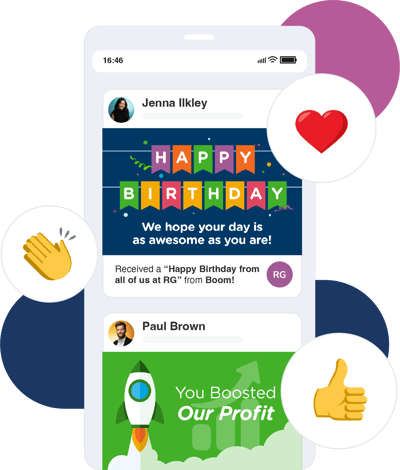
Public praise, when delivered thoughtfully and strategically, serves a dual purpose: it elevates the individual being recognized and models the desired behaviors for the entire team. Many organizations leverage internal communication platforms or dedicated employee engagement tools to facilitate this. For example, at Reward Gateway, the company utilizes its own Employee Engagement Platform (EXP) to send eCards, dubbed "boom!," allowing colleagues to share achievements, celebrate milestones, and acknowledge successes, both large and small, across the entire organization. This practice not only enhances cross-team transparency and collaboration but also helps employees better understand how their individual contributions align with the company’s broader objectives.
When implementing public recognition, best practices include being specific about the achievement, highlighting the individual’s impact, and aligning the recognition with company values. Platforms for free public recognition can include company-wide email newsletters, internal social media channels, team meetings, or dedicated "kudos" sections on intranet sites. The key is to make these channels visible and accessible to all employees.
Peer Shout-Outs: Empowering a Culture of Mutual Appreciation
Peer-to-peer recognition plays a critical role in scaling appreciation beyond the managerial hierarchy, surfacing valuable contributions that leaders might otherwise overlook. Employees navigate a complex balance between their individual tasks and collaborative teamwork on a weekly basis. Empowering them to recognize and thank one another provides a significant boost to the internal culture. Furthermore, it fosters cross-departmental empathy and strengthens collaboration, effectively reducing organizational silos.
To initiate a robust peer shout-out program, starter prompts can be highly effective. Questions like, "Whose work made your week significantly easier?" or "Who truly exemplified our value of ‘We Own It’ during this sprint?" can guide employees in identifying and articulating their appreciation for colleagues. To ensure the program’s health and effectiveness, guidelines should be established to encourage constructive and specific feedback, discourage reciprocal "pats on the back" without substance, and ensure recognition is distributed broadly rather than concentrated among a select few.
Career Development Opportunities: Investing in Future Potential
Growth and development represent one of the most profound forms of employee appreciation. Fortunately, many avenues for professional development are accessible at no direct cost, particularly when leveraging in-house expertise and real-world project assignments. Zero-cost ideas include offering mentorship opportunities with senior leaders, assigning stretch projects that push employees beyond their comfort zones, providing access to internal training sessions led by subject matter experts, and facilitating cross-functional shadowing or rotations to broaden skill sets and understanding of different business areas.
To make these development opportunities truly effective, it’s crucial to align them with individual career aspirations and organizational needs. This involves clear communication about the learning objectives, providing constructive feedback throughout the process, and ensuring that the acquired skills are integrated into future roles and responsibilities. Regular check-ins with employees to discuss their development goals and progress are essential.
Handwritten Notes: A Personal Touch That Endures
A thoughtfully crafted handwritten note transforms recognition into a tangible keepsake, signaling that the sender dedicated personal time and attention to acknowledging the recipient’s efforts. It highlights the details that were noticed and appreciated. In instances where paper usage is a concern for environmental or corporate social responsibility objectives, downloadable eCards can serve a similar purpose.
For maximum impact, handwritten notes should be specific, referencing concrete examples of the employee’s contribution and its positive effect. They can be used in various contexts, such as thanking someone for exceptional customer service, acknowledging a team’s hard work on a challenging project, celebrating a personal or professional milestone, or simply expressing gratitude for consistent dedication. Placing these notes on an employee’s desk, including them in a team meeting handout, or even mailing them to remote employees can enhance their significance.
Mid-Range Recognition: $25-$100 Budget Ideas
This budget tier represents a "sweet spot" for many teams, offering sufficient resources to fund meaningful experiences and development opportunities while remaining accessible for mid-sized groups and lean operational budgets. Investing within this range allows organizations to move beyond superficial tokens and provide recognitions that feel substantial, shareable, and memorable, all while maintaining program scalability and fairness.
A strategic approach here involves pairing thoughtful moments with opportunities for enhanced experiences or professional development. This creates a consistent cadence of recognition that is both meaningful and sustainable, without overwhelming organizational resources.

Professional Development Stipends: Investing in Employee Growth
A modest professional development stipend sends a powerful and unambiguous message: "We invest in your growth and your future." With budgets ranging from $25 to $100, employees can be empowered to purchase industry-relevant books, enroll in short online courses or webinars, or cover the cost of micro-credentials that enhance their skills and expertise.
Implementation of these stipends can be straightforward. Organizations can provide a clear allocation per employee per quarter or year, or offer them as rewards for specific achievements. To ensure these stipends are meaningful, it’s essential to align them with individual career aspirations and the company’s strategic objectives. This might involve a brief approval process to ensure the chosen development activity is relevant and beneficial.
Catered Team Events: Fostering Connection Through Shared Experiences
Food and shared experiences are powerful connectors, fostering camaraderie and rewarding collective effort. Within this budget, organizations can organize catered team lunches, send curated snack boxes to remote staff, or host small offsite coffee hours to celebrate team achievements. These events provide a valuable opportunity for team members to connect on a more personal level, reinforcing bonds and boosting morale.
Practical tips for implementing catered events include surveying team members for dietary preferences and restrictions, opting for local vendors to support the community, and ensuring inclusivity for remote or hybrid team members through virtual engagement options or mailed gift cards for local treats.
Local Experience Passes: Encouraging Exploration and Well-being
Small, local experiences can create lasting memories and often come with a manageable price tag. This could include providing tickets to local museums or zoos, offering passes for a pottery or art class, or granting drop-in access to a fitness studio. These experiences encourage employees to explore their local environment, engage in new activities, and prioritize their well-being outside of work.
When rolling out local experience passes, consider the geographical distribution of your workforce and offer options that cater to diverse interests. Ensuring fairness involves providing equivalent alternatives for employees who may not be able to access or utilize the specific local offerings, such as digital vouchers for online experiences or a small cash equivalent.

"Choose Your Own Reward" Marketplaces: Empowering Employee Choice
Reward marketplaces offer a flexible and engaging way for employees to select rewards that genuinely matter to them. These platforms typically feature a wide array of options, including gift cards, gadgets, experiential rewards, and even the ability to donate to charitable causes. This approach empowers individuals to choose what best suits their personal needs and preferences, significantly increasing the perceived value of the recognition. Crucially, these marketplaces simplify program administration while maintaining a high level of personalization.
Implementation tips for reward marketplaces include selecting a platform that offers a diverse and relevant catalog of rewards, clearly communicating the value of the rewards available, and ensuring equitable distribution of reward points or budgets across the workforce. Program best practices involve regular review of reward offerings to ensure they remain current and appealing, and providing clear guidelines on how to redeem rewards.
Subscription Bundles and Services: Delivering Ongoing Value
Short-term subscriptions to services like wellness apps, learning platforms, curated snack boxes, or meditation services can deliver repeated value that extends far beyond a single moment of recognition. These offerings provide ongoing benefits that support employee well-being and professional development.
Ways to offer these subscriptions include providing access to a popular meditation app for a few months, gifting a subscription to a professional development platform, or sending a curated box of healthy snacks to an employee’s home. When considering these options, it’s important to monitor subscription renewals and ensure the chosen services align with employee preferences and organizational values.
Premium Recognition: $100+ Budget Ideas
This tier of recognition is specifically designed for milestone moments and outstanding contributions. This includes celebrating work anniversaries, acknowledging major project successes, recognizing top performers, or implementing retention-driven rewards. For these significant achievements, the investment in recognition should directly reflect the importance and magnitude of the accomplishment.
When operating at higher value recognition levels, the focus shifts towards creating experiences that are truly celebratory and have a lasting impact. It is here that the principles of personalization and flexibility become even more critical.

Performance Bonuses and Spot Awards: Rewarding Exceptional Impact
High-impact moments demand high-impact rewards. A timely performance bonus or spot award serves as a powerful reinforcement of exceptional effort, signaling to the employee that their standout performance is not only noticed but deeply valued. For instance, a message accompanying a $250 spot award might read: "Thank you for leading the incident response that protected customer data and restored service. Your impact was significant and directly aligned with our value of ‘Own It.’ We are recognizing you with this award, effective this pay cycle."
Implementation of these awards requires clear criteria for eligibility and a streamlined approval process to ensure timeliness. Fairness and compliance are paramount, necessitating adherence to all relevant labor laws and internal compensation policies. Transparent communication about the criteria and the process helps build trust and reinforces the integrity of the recognition program.
Premium Gadgets: Enhancing Work and Well-being
The right premium gadgets can serve as both a coveted treat and a tool to enhance daily work. Allowing employees to choose what genuinely helps them focus, create, or recharge can significantly boost satisfaction and productivity. Great options include high-quality noise-canceling headphones, ergonomic desk accessories, advanced tech peripherals, or even smart home devices that promote a better work-life balance.
Implementation tips involve offering a curated selection of high-quality items, allowing for employee choice within a set budget, and ensuring equitable distribution based on role or achievement. It’s also beneficial to consider the practical aspects of deployment, such as shipping and setup, particularly for remote employees.
Company-Sponsored Retreats and Offsites: Building Trust and Momentum
Shared experiences are instrumental in building team trust and fostering collective momentum. A thoughtfully designed offsite or company retreat can serve as a powerful platform for celebrating recent successes, deepening interpersonal relationships, and aligning teams for future endeavors. These events provide an invaluable opportunity for strategic planning, team-building activities, and informal networking in a relaxed and engaging environment.
To make these events meaningful, meticulous planning is essential, focusing on activities that promote collaboration and shared learning. Equity and logistics are critical considerations, ensuring that all employees, regardless of their location or personal circumstances, can participate fully and feel included. This may involve providing travel assistance, accommodating diverse dietary needs, and offering flexible schedules where appropriate.

Spa Day Certificates and Wellness Experiences: Prioritizing Recharge
Wellness rewards are an excellent way to help employees recharge after periods of intense effort. Spa certificates, massage sessions, or other personalized wellness experiences can feel deeply restorative and individual. These gestures demonstrate a commitment to employee well-being beyond the confines of their professional duties.
When offering wellness rewards, it’s important to consider the diverse preferences of employees and provide options that cater to various needs. This could include offering a selection of services or allowing employees to choose a provider that best suits their location and preferences. Sample wording for such a reward might be: "Thank you for going above and beyond this quarter. Please enjoy a $150 wellness certificate – choose the experience that helps you unwind, from a massage to a meditation day pass."
Professional Certification Course Reimbursements: Investing in Expertise
Investing in professional certifications validates an employee’s expertise and can significantly elevate their career trajectory. Reimbursing exam fees, prep courses, or professional membership dues demonstrates a long-term commitment to an employee’s growth and development. This type of recognition not only benefits the individual but also enhances the organization’s collective skill set.
Implementation involves establishing clear policies on eligible certifications and reimbursement procedures. Policy best practices include defining the approval process, setting clear expectations for the return on investment for the organization, and ensuring transparency and fairness in the allocation of these funds.
Strategic Implementation: Tailoring Recognition to Your Budget
Selecting the most appropriate staff appreciation ideas hinges on clarity of purpose and strategic intent. Regardless of the budget allocated, the overarching goal remains consistent: to deliver recognition that is perceived as fair, frequent, and deeply personal. Therefore, building a robust recognition plan necessitates aligning available resources with the moments and contributions that hold the most significance.
Starting with Budget, Team Size, and Cadence
The foundation of any sustainable recognition program lies in working backward from what the organization can realistically sustain. This involves defining the annual recognition budget, understanding the total headcount, and determining the desired frequency with which each employee should feel recognized. A simple calculation for average spend per recognition can be derived: Total Budget ÷ (Headcount × Target Recognitions per Person). Establishing a baseline cadence – for example, weekly peer kudos, monthly manager spot recognition, and annual milestone celebrations – allows for the right-sizing of financial investments to fit these predetermined intervals.

Blending Free, Low, and Premium Tactics
An effective recognition strategy is characterized by a blend of approaches that reaches a broader audience without diminishing impact. Zero-cost initiatives are ideal for acknowledging everyday behaviors and fostering consistent positive reinforcement. Mid-range options ($25-$100) are well-suited for recognizing successful project sprints, significant effort on challenging tasks, or individual stretch goals. Premium rewards ($100+) are best reserved for major milestones, exceptional achievements, or critical retention efforts. By mapping specific tactics to particular moments, clear and repeatable criteria can be established. Crucially, equitable alternatives must be provided for frontline and distributed teams, such as time swaps or compensatory time for flexibility, digital vouchers for on-site perks, and virtual options for in-person events.
Letting Preferences Guide the Reward
The perceived meaning of a reward is often more closely tied to its personal fit than its monetary cost. Capturing simple recognition profiles during onboarding and in regular one-on-one meetings is essential. This includes understanding whether an employee prefers public or private acknowledgment, values time off over tangible gifts, has specific dietary preferences or accessibility needs, or is more motivated by growth opportunities versus material rewards. Offering choice, whether through a reward marketplace or a concise menu of options, ensures that employees can select what resonates most deeply with them. When a preferred option is unavailable, providing a comparable alternative of equal value is critical to maintaining trust and fairness.
Favoring Frequency and Timeliness Over Size
Ultimately, frequent and timely recognition, even if modest in value, tends to be more impactful than infrequent, large-scale gestures. The goal should be to acknowledge contributions within a few days of their occurrence, prioritizing more frequent touchpoints at moderate levels over rare, extravagant rewards. Streamlined approval processes are essential to empower managers to act swiftly, ideally within 48 hours. Every reward should be accompanied by a specific message detailing the behavior recognized and its impact, as the narrative surrounding the recognition is what truly makes the moment memorable. Regular monthly tracking of reach and equity ensures that recognition is distributed fairly and that the budget is being utilized effectively where it matters most.
Cultivating a Culture of Appreciation with Reward Gateway | Edenred
Recognition programs are most effective when they are consistent, personalized, and deeply integrated into the fabric of daily work life. Reward Gateway | Edenred offers a suite of tools designed to simplify the process of blending zero-cost gestures with tangible rewards, all while aligning with individual preferences and organizational budgets. From facilitating peer-to-peer shout-outs and providing curated reward marketplaces to managing milestone bonuses, these solutions empower organizations to build recognition programs that scale effectively and maintain high levels of employee engagement.
Through seamless integration across communication channels and personalized options tailored for every employee, organizations can foster a culture where appreciation is not only frequent and meaningful but also a celebrated component of the company-wide experience. More importantly, it becomes an intrinsic part of the organizational culture.
For organizations ready to embark on the journey of building a robust culture of appreciation and recognition, scheduling a demonstration with Reward Gateway | Edenred offers a direct path to explore how these comprehensive solutions can contribute to creating a more positive and productive work environment.