The landscape of human resources and talent acquisition is undergoing a profound transformation, driven by the rapid advancement and integration of artificial intelligence. Eightfold, a recognized leader in talent intelligence, has announced the launch of its AI-powered Candidate Agent, a sophisticated tool designed to streamline the initial stages of the hiring process. This new offering is not merely an incremental upgrade; it represents a significant step towards the realization of comprehensive multi-agent AI solutions, a vision that is increasingly shaping the future of HR, as outlined in the "HR 2030" framework.
The introduction of the AI Candidate Agent marks a strategic move by Eightfold to address the burgeoning demand in the high-volume hiring market. This market, characterized by a constant influx of applications for numerous positions, has long presented significant operational challenges for organizations. The AI Candidate Agent aims to alleviate these pressures by intelligently handling a wide array of candidate inquiries, ranging from specific job details to broader questions about company culture, compensation, benefits, and required qualifications. This capability is designed to foster a more positive and efficient candidate experience, building stronger initial relationships between employers and prospective employees.
The Rise of Agentic AI in HR
The concept of AI agents engaging directly with job seekers is not entirely novel. Chatbots have been present in the recruitment space for approximately a decade, primarily serving as initial contact points. However, the current generation of AI, powered by advanced machine learning and natural language processing, allows these agents to move beyond basic script-driven interactions. They can now engage in more nuanced, in-depth conversations, significantly enhancing their ability to inform, qualify, and guide candidates through the application journey.
This evolution is a critical component of what industry analysts are referring to as the "HR 2030" vision, a forward-looking perspective on how technology will redefine HR functions. As detailed in related industry analyses and podcasts, the future of talent acquisition involves a network of interconnected AI agents, each specialized to handle specific tasks within the broader recruitment workflow. The Eightfold AI Candidate Agent is a prime example of this emerging paradigm, working in tandem with other AI-powered tools, such as AI interview agents, to create a more cohesive and automated hiring ecosystem.
The AI Candidate Agent is engineered to manage a substantial volume of interactions, capable of addressing thousands of candidates across thousands of job openings concurrently. Its accessibility across multiple communication channels, including mobile devices, web interfaces, and collaboration platforms like Slack, ensures broad reach and convenience for job seekers. For organizations engaged in high-volume recruitment, this translates into a more efficient and scalable approach to qualifying, informing, and sourcing talent.
Beyond Initial Contact: A Multi-Agent Ecosystem
While the AI Candidate Agent excels at the initial touchpoint, its true power is realized when integrated into a broader system of AI-driven HR workflows. The "HR 2030" blueprint identifies a projected need for as many as 24 distinct agent workflows. In the case of Eightfold’s integrated system, a candidate interacting with the Candidate Agent can be seamlessly directed to an Eightfold-powered career site, proceed through the application process, and subsequently be introduced to the company’s AI interviewer. Crucially, the data gathered throughout this interaction is stored within Eightfold’s Applicant Tracking System (ATS), creating a unified data repository that can inform future recruitment efforts and talent management strategies.
Eightfold, as a pioneer in the field of talent intelligence, is leveraging its deep expertise to develop these advanced solutions. However, the trend towards multi-agent AI in talent acquisition is not exclusive to one vendor. Competitors such as Paradox (often integrated with Workday), Maki People, Phenom, SmartRecruiters, and UKG are also developing and deploying similar agentic functionalities. This competitive landscape underscores the growing industry consensus on the efficacy and necessity of AI-driven recruitment tools.
The effectiveness of these AI agents is intrinsically linked to their ability to access and process vast amounts of relevant data. For organizations implementing these tools, particularly in a multi-vendor environment, a robust data architecture for HR is paramount. This infrastructure must be capable of securely storing and managing policies, candidate profiles, and interaction data. The ability to leverage this data is crucial for identifying returning candidates, past applicants, or even internal talent pools, thereby enriching the recruitment process and enabling more personalized candidate journeys.
Empowering Customization and Specialization
Recognizing that vendor-provided agents may not always perfectly align with every organization’s unique needs, Eightfold has also introduced "Talent Forge." This suite of tools is designed to empower companies to build and customize their own AI agents. This move acknowledges that while off-the-shelf solutions are valuable, the ability to extend and tailor AI functionalities to specific use cases – such as pre-screening based on language proficiency or educational attainment, or developing specialized agents for internal mobility or downsizing scenarios – will be a key differentiator. Industry experts project that the initial 20+ identified HR agent use cases are merely the beginning, with potentially hundreds of business applications for agentic HR solutions yet to be explored.
Focus on the Frontline Workforce
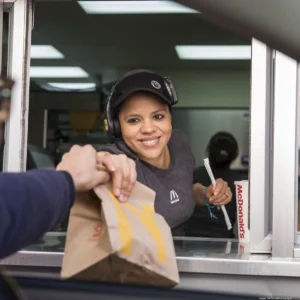
The high-volume hiring market, particularly for frontline workers, is experiencing explosive growth. Companies across sectors like distribution, hospitality, retail, transportation, and healthcare are increasingly prioritizing the optimization of this critical segment of their workforce. Research on "The Five Types Of Frontline Workers" highlights the strategic importance of developing targeted hiring and managerial programs for these roles. Eightfold’s entry into this space with its new AI tools is well-timed and poised for significant success with both existing and prospective clients.
The implications of these advanced AI solutions extend far beyond mere cost savings in HR operations. Companies that have adopted AI-powered recruiting tools have reported dramatic improvements in key hiring metrics. For instance, the time-to-hire can be reduced from weeks to mere days, leading to significant operational efficiencies. The automation of tasks previously handled by human recruiters, such as interview scheduling, can eliminate the need for large call center roles. Furthermore, the enhanced candidate experience and more sophisticated screening capabilities can lead to an increase in the quality of hire. Anecdotal evidence suggests that improved retention rates, as observed by companies like H&M, are a direct benefit of deploying in-depth assessments at scale, which AI agents facilitate.
The return on investment (ROI) for these technologies is substantial and multifaceted. Beyond internal efficiencies, these tools can directly impact business growth. For example, fast and high-quality hiring enables companies like Chipotle to accelerate their expansion plans and increase sales. In the context of high-volume hiring, these agentic systems are proving to be truly revolutionary.
A Market Ripe for Disruption
The global market for frontline workers is immense, encompassing over a million employers. Despite this vast potential, the adoption of agentic recruitment tools remains relatively low, with fewer than 5% of these employers currently utilizing such technologies. This indicates a significant market opportunity for vendors like Eightfold and their competitors. The current offerings represent just the nascent stages of what is expected to be a widespread integration of multi-agent AI solutions across the talent acquisition landscape.
Industry analysts strongly recommend that organizations explore the capabilities of leading vendors in this space, including Eightfold, Paradox, and Maki, among others. Understanding how these multi-agent systems collaborate and the depth of industry expertise each vendor brings is crucial for successful implementation. For a comprehensive understanding of the broader trends and strategic implications, consulting resources like the "HR 2030" blueprint or engaging with experts can provide valuable insights into the future of AI in talent acquisition.
The integration of these highly scalable and dynamic tools necessitates a fundamental re-evaluation of existing talent acquisition processes. Companies that have successfully implemented AI for high-volume hiring, such as ISS Facility Services and Fontainebleau Las Vegas, emphasize the critical importance of close collaboration between HR and IT departments to ensure a holistic approach to process optimization. This strategic alignment is key to fully harnessing the transformative potential of agentic recruitment solutions.
Looking Ahead
The field of AI in talent acquisition is one of the most mature and proven markets for artificial intelligence applications. The ongoing development and deployment of sophisticated tools like Eightfold’s AI Candidate Agent signal an exciting future for the recruitment industry. As the fall conference season approaches, the anticipation for further innovations and strategic discussions in this rapidly evolving domain is palpable.
For organizations seeking to stay at the forefront of talent acquisition, embracing these AI-powered solutions is not just an option but a strategic imperative. The ability to attract, engage, and hire talent efficiently and effectively will be a key determinant of business success in the coming years. The continued evolution of multi-agent AI systems promises to redefine the operational capabilities and strategic impact of HR departments worldwide.
Additional resources, including detailed research on the frontline workforce, interviews with industry leaders, and strategic frameworks for the future of HR, are available to provide deeper insights into this transformative period. The ongoing dialogue and innovation in AI-powered talent acquisition are setting the stage for a more intelligent, efficient, and candidate-centric future of work.