A significant shift is occurring in the UK’s job market, with jobseekers increasingly modifying their Curriculum Vitae (CVs) and cover letters to appeal to artificial intelligence (AI) screening systems rather than human recruiters. This trend, highlighted by new research from UK jobs site CV-Library, raises concerns that the burgeoning "AI arms race" in recruitment could inadvertently be making it harder for genuine talent to shine through, while simultaneously challenging employers’ ability to accurately assess candidates.
The study, which surveyed over 1,000 jobseekers and 233 recruiters and employers, found a growing apprehension among applicants that their applications will be initially reviewed by AI algorithms. This perception is driving a fundamental change in how job applications are crafted, with a substantial portion of candidates now actively tailoring their content to be parsed and prioritized by these automated systems.
The Rise of AI in Recruitment
The integration of AI into the recruitment process is not a new phenomenon, but its pervasiveness has accelerated in recent years. Companies are increasingly leveraging AI-powered Applicant Tracking Systems (ATS) to sift through thousands of applications efficiently. These systems are designed to scan CVs for specific keywords, phrases, and formatting conventions that align with the job description, aiming to identify the most suitable candidates for further review. The goal is to streamline the initial stages of recruitment, reduce the time-to-hire, and mitigate the potential for human bias.
However, the CV-Library research suggests that this technological advancement has spawned an unintended consequence: a focus on "gaming the system" rather than showcasing genuine qualifications and personality.

Candidate Concerns and Evolving Strategies
According to the survey, a significant majority of jobseekers—seven in ten—feel that this AI-centric approach to CV writing makes it more challenging for them to differentiate themselves. This sentiment underscores a growing anxiety among applicants that their unique skills, experiences, and individual attributes are being overshadowed by the need to conform to algorithmic preferences.
"Candidates are becoming so focused on writing for AI that they risk forgetting their real audience—the human making the final hiring decision," stated Alec Stanwell of CV-Library. This observation points to a critical disconnect: the optimization for a machine may be inadvertently alienating the very individuals who hold the power to grant employment.
The research indicates that jobseekers are employing various strategies to cater to AI. These can include:
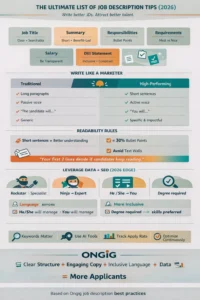
- Keyword Stuffing: Incorporating a high volume of keywords directly from the job description, even if they don’t perfectly reflect the candidate’s experience.
- Standardized Formatting: Adhering to very specific and often simplistic formatting to ensure ATS compatibility, potentially sacrificing readability and visual appeal for human readers.
- Objective Language: Using a more formal and less personal tone, avoiding subjective statements or creative descriptions that might be misinterpreted by AI.
- Quantifiable Achievements: Focusing heavily on numbers and metrics, which AI can easily identify and process, sometimes at the expense of qualitative achievements.
While these strategies might increase the chances of an application passing the initial AI screening, they risk creating a pool of candidates who appear technically qualified but may lack the personality, cultural fit, or nuanced skills that a human recruiter would readily identify.
Employer Challenges and Diminishing Confidence
The problem is not confined to jobseekers; recruiters and employers are also grappling with the implications of AI-optimized applications. A similar proportion of recruiters to jobseekers—seven in ten—believe that the proliferation of AI-generated or AI-tailored applications makes it more difficult to pinpoint the strongest candidates.

This difficulty stems from the fact that applications designed to please an algorithm can appear deceptively polished and generic. Recruiters may find themselves reviewing a stack of CVs that all superficially tick the right boxes, making it harder to discern genuine expertise from mere algorithmic compliance.
Adding to this concern, over a third of recruiters reported feeling less confident than they did a year ago that a CV or application accurately reflects a candidate’s true skills. This erosion of confidence suggests a growing skepticism about the authenticity and reliability of the information presented in job applications.
"For employers, increasingly polished applications mean it’s important to look beyond the CV, using interviews and skills-based assessments to understand what a candidate can do," Stanwell advised. This highlights a growing need for employers to adopt more robust and multi-faceted assessment strategies that go beyond the initial paper screening.
The Underlying Data and Context
The CV-Library study’s findings are particularly significant in the context of the evolving labor market. As of late 2023 and into 2024, the UK job market has seen fluctuating levels of demand and supply. While certain sectors continue to experience talent shortages, overall hiring has remained competitive, intensifying the need for efficient recruitment processes.
AI’s role in this environment has been to offer a solution to the sheer volume of applications received for many roles. A 2023 report by the Recruitment and Employment Confederation (REC) indicated that the average job vacancy attracts a significant number of applications, necessitating robust filtering mechanisms. While AI offers speed and scale, the CV-Library research suggests that the pursuit of efficiency may be compromising effectiveness in identifying the right fit.

The trend is also influenced by the increasing availability of AI-powered writing tools, such as ChatGPT and similar large language models. These tools can assist jobseekers in generating cover letters, refining CVs, and identifying relevant keywords, making the process of tailoring applications for AI more accessible than ever before. This accessibility democratizes the "AI optimization" strategy, meaning it’s not just a tactic for those with advanced technical skills, but a widespread practice.
Broader Implications for the Future of Work
The findings from CV-Library’s research have several important implications for the future of recruitment and the broader world of work:
- The Human Element in Hiring: The study reinforces the indispensable role of human judgment in the hiring process. While AI can efficiently screen, it cannot replicate the intuition, empathy, and nuanced understanding that human recruiters bring. The danger is that an over-reliance on AI could lead to a less diverse workforce, where candidates who don’t fit the algorithmic mold are overlooked.
- Skills vs. Presentation: There is a risk that the focus on "writing for AI" will lead to a disconnect between a candidate’s actual capabilities and their application’s presentation. This could result in candidates being hired based on their ability to optimize their CV rather than their demonstrable skills and potential.
- The Need for Evolving Assessment Methods: Employers must adapt their hiring practices. This could involve:
- Hybrid Approaches: Utilizing AI for initial screening but ensuring human oversight and review at crucial stages.
- Skills-Based Assessments: Implementing practical tests, coding challenges, or project-based evaluations to assess actual competencies.
- Behavioral Interviews: Focusing on questions that probe a candidate’s past behavior and problem-solving approaches, which are harder for AI to fake.
- Portfolio Reviews: Encouraging candidates to submit portfolios or examples of their work that showcase their abilities directly.
- Candidate Education and Transparency: Jobseekers need to be aware of the potential pitfalls of over-optimizing for AI. While understanding ATS is beneficial, they should be encouraged to maintain their authentic voice and highlight their unique strengths that appeal to human decision-makers. Employers could also benefit from greater transparency about their recruitment processes, including how AI is used.
- The Ethical Considerations of AI in Recruitment: This trend raises broader ethical questions about fairness, bias, and accountability in AI-driven recruitment. If AI systems are trained on biased data, they can perpetuate and even amplify existing inequalities. The CV-Library study suggests that the application of AI, even with good intentions, can lead to unintended negative consequences for candidates.
Expert Commentary and Future Outlook
Alec Stanwell’s comments offer a clear roadmap for both sides of the hiring equation. For candidates, the advice is to strike a balance. AI can be a tool to refine and improve an application, but it should not be allowed to strip away personality, unique skills, and concrete examples of real-world achievements. These are the elements that truly make a candidate memorable and compelling to a human hiring manager.
For employers, the imperative is to recognize the limitations of AI-generated applications. The increasing sophistication of AI in crafting plausible-sounding applications means that relying solely on CV screening is becoming less effective. Investing in robust interview processes, practical assessments, and perhaps even psychometric testing can provide a more holistic and accurate picture of a candidate’s suitability.
The current situation reflects an industry in transition, grappling with the rapid integration of powerful new technologies. The "AI arms race" in job applications is a symptom of this evolution, highlighting both the potential and the perils of automation in a fundamentally human endeavor like hiring. As AI continues to advance, the challenge for both jobseekers and employers will be to harness its power effectively without losing sight of the human element that remains at the core of successful recruitment. The ultimate goal should be to use AI to enhance, not replace, the human connection and judgment that lead to truly great hires.