The latest issue of Works magazine, available digitally and soon in print, offers a comprehensive exploration of the forces fundamentally reshaping workplace design. Issue 21 delves into the evolving landscape of work, examining critical trends such as the blurring lines between home and office, the strategic imperative of adaptive reuse, the growing significance of sustainability, the pervasive influence of artificial intelligence, and the continuous innovation within the furniture industry. This release arrives at a pivotal moment, characterized by rapid technological advancements, the widespread adoption of AI-generated content, and the enduring ramifications of the global pandemic. These factors are collectively creating a fertile ground for workplaces and publications that prioritize human experience, physical well-being, and seamless connectivity.
Redefining Physical Spaces: Case Studies in Innovation
Issue 21 directly addresses these transformative trends through a series of in-depth case studies showcasing how organizations are reimagining their physical environments to foster collaboration, well-being, and productivity.
Studio McW’s Headquarters: Merging Residential Comfort with Professional Functionality
In East London, the architectural practice Studio McW has established its new headquarters at Printing House Yard, a project that thoughtfully integrates lessons learned from residential design into its own workspace. This initiative goes beyond superficial aesthetics, focusing on how elements like natural light, carefully selected materials, inherent comfort, established routines, and a sense of psychological ease can collectively create an environment that employees genuinely desire to inhabit. The design prioritizes a feeling of belonging and well-being, moving away from the sterile, task-oriented office of the past towards a space that nurtures creativity and connection. This approach aligns with a growing body of research suggesting that workplaces that prioritize employee comfort and psychological safety can lead to increased engagement and reduced burnout. A 2023 study by the Global Wellness Institute found that 78% of employees believe a positive workplace environment contributes to their overall job satisfaction.
Reply House, Turin: Sustainable Adaptive Reuse of Historic Barracks
The magazine then transports readers to Turin, Italy, to explore Reply House, the innovative headquarters designed for the technology consultancy Reply within the historic De Sonnaz Barracks. This project, spearheaded by ACPV ARCHITECTS, tackles one of the most pressing questions in sustainable design: how to adapt existing buildings for contemporary work without sacrificing the historical character and intrinsic qualities that made them valuable in the first place. The design masterfully balances the preservation of the barracks’ historic features with the creation of dynamic collaborative spaces and the integration of modern workplace technology. This adaptive reuse strategy not only minimizes environmental impact by avoiding new construction but also imbues the workspace with a unique narrative and sense of place. The United Nations Environment Programme estimates that the building and construction sector accounts for nearly 40% of global energy-related carbon emissions, making adaptive reuse a crucial strategy for reducing the industry’s footprint. Reply House stands as a compelling example of how heritage and progress can coexist harmoniously.
DLA Piper’s Leeds Office: Consolidating Operations for a Hybrid Future
Returning to the UK, the focus shifts to Leeds and the new workplace for the international law firm DLA Piper at City Square House. This project consolidates teams previously dispersed across two separate locations into a single, cohesive office. The design reflects significant shifts occurring within the legal profession and the broader urban development of Leeds. Moving beyond the conventional, often rigid, law firm office model, the new space offers a rich tapestry of collaborative zones, hospitality amenities, dedicated well-being facilities, and a diverse range of settings specifically engineered to support hybrid working models. This move acknowledges the evolving demands of legal professionals who require flexibility and a variety of environments to suit different tasks and work preferences. The International Bar Association’s 2022 report on the future of law firms indicated that 85% of firms surveyed were implementing or considering hybrid work policies. DLA Piper’s new Leeds office is a tangible manifestation of this trend, prioritizing employee experience and operational efficiency.
Industry Voices: Challenging Norms and Embracing Change
Beyond project-specific insights, Issue 21 features prominent voices from the industry, offering critical perspectives on the challenges and opportunities facing the workplace sector.
Giesela Bailey of Flokk UK & Ireland: An Outsider’s Perspective on Industry Evolution
One of the issue’s most compelling contributors is Giesela Bailey, Managing Director of Flokk UK & Ireland. Her unconventional career path, which began with aspirations of becoming a farmer and then traversed the food and fashion industries before arriving in furniture, provides her with a unique outsider’s perspective on an industry she believes needs to critically examine its established practices. Bailey advocates for enhanced collaboration among manufacturers, the infusion of diverse talent from varied backgrounds into the sector, and a reimagining of the salesperson’s role. She posits that salespeople are transitioning from mere product specialists to trusted advisors who understand clients’ evolving needs. Furthermore, Bailey argues that sustainability is no longer a competitive differentiator but an increasingly fundamental expectation from clients and consumers alike. This sentiment is echoed by a recent survey from the marketing research firm Nielsen, which found that 73% of global consumers would change their consumption habits to reduce their environmental impact.
Emerging Trends and Future Outlook
The magazine further explores emerging trends and looks ahead to future developments in workplace design and culture.
Showroom: Innovations in Adaptability, Comfort, and Circularity
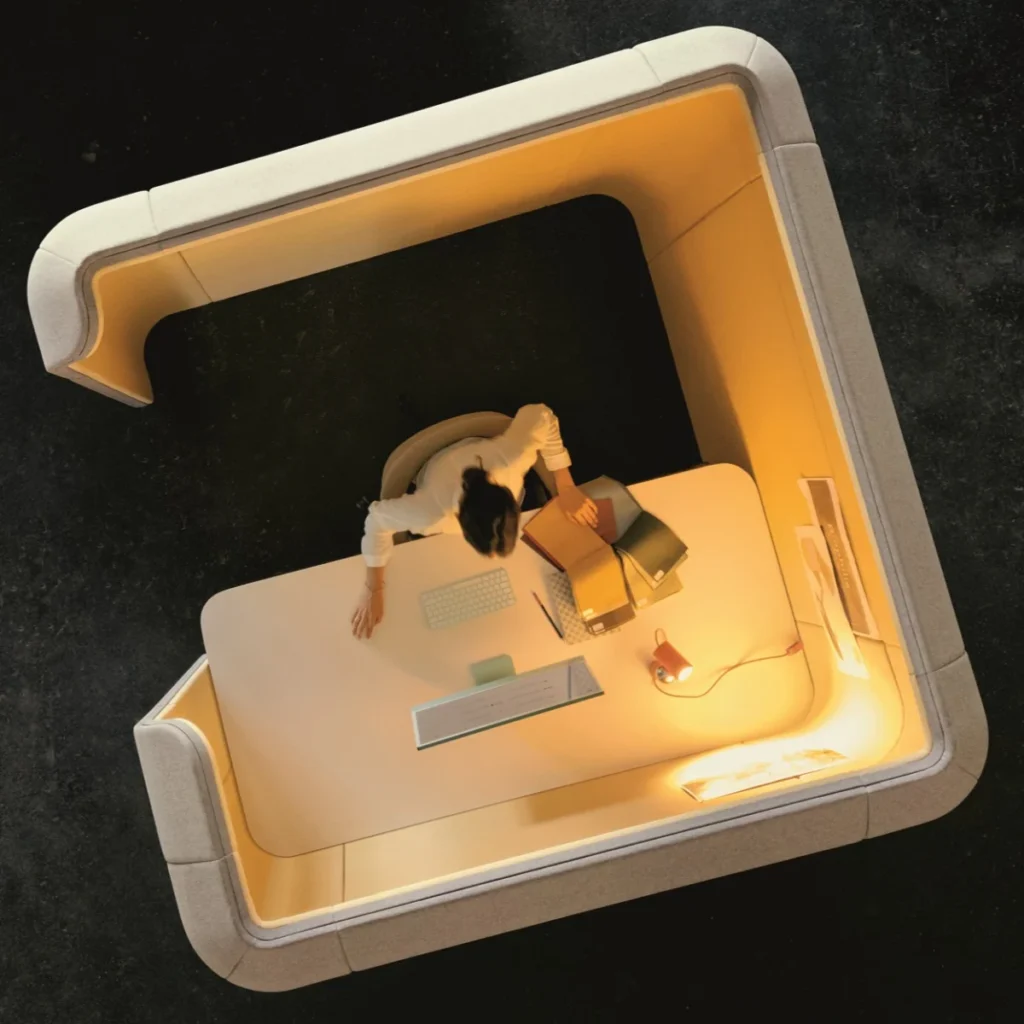
The "Showroom" section of the magazine highlights recent product launches and developments, underscoring the industry’s growing emphasis on adaptability, enhanced comfort, circular economy principles, improved acoustics, and the creation of more human-centred workplaces. This section provides a snapshot of how manufacturers are responding to the evolving demands of the modern work environment, with a particular focus on solutions that promote well-being and operational efficiency.
ORGATEC 2026: A Forum for Work Culture Debate
An international outlook is provided through a preview of ORGATEC, the renowned trade fair returning to Cologne in October. The article examines the event’s evolution from a traditional furniture exhibition to a broader platform for discussing work culture, technological integration, sustainability imperatives, and organizational transformation. The 2026 edition promises to be particularly significant, featuring the "Wherever Whenever – Work Culture Festival," which will explore critical themes such as Empowered Experience, Connected Cultures, and Radical Impact. ORGATEC, historically held biennially, has consistently served as a bellwether for the industry, showcasing innovations and fostering dialogue on the future of work. Its growing emphasis on broader cultural and technological aspects signifies a maturation of the sector’s focus beyond mere product design.
Sustainability Works: A Dedicated Publication for Environmental Responsibility
The issue also shines a light on the newly launched "Sustainability Works" magazine. Edited by industry veteran Joanna Knight of the Sustainable Design Collective, this new publication is dedicated to addressing crucial topics such as circularity, reuse, embodied carbon, product transparency, material innovation, and social value. Its inaugural issue features in-depth articles on Digital Product Passports and a case study on Grant Thornton UK’s London headquarters, highlighting a reuse-first approach to workplace design. The proliferation of dedicated publications like "Sustainability Works" signals a deepening commitment within the industry to environmental stewardship and responsible design practices.
Navigating Complexity and Making the Office Compelling
The magazine delves into the inherent complexities of workplace design and the ongoing challenge of creating offices that remain attractive destinations in an era of widespread remote and hybrid work.
The Paradox of Order: Embracing Complexity in Workplace Design
A thought-provoking piece questions why workplace concepts initially designed to embrace complexity often revert to simpler, hierarchical structures. This exploration delves into the psychological and organizational factors that can lead to such a regression, suggesting that a deeper understanding of human behavior within organizational settings is required to sustain more dynamic and adaptable work environments.
Projects: Making the Office an Irresistible Choice
The "Projects" section showcases a curated selection of workplaces intentionally designed to make the physical office a compelling and desirable destination. These projects demonstrate how innovative design, thoughtful amenity offerings, and a focus on experience can incentivize employees to return to the office, even when alternative working arrangements are available. This addresses the ongoing debate about the optimal balance between remote and in-office work, highlighting the critical role of the physical office as a hub for collaboration, culture, and connection. Data from a recent report by McKinsey & Company suggests that while flexibility is highly valued, employees still seek in-person interaction and a sense of community, which a well-designed office can provide.
Global Perspectives and Emerging Concerns
The issue broadens its scope to include international viewpoints and addresses contemporary anxieties surrounding technology.
Viewfinder: International Workplace Design Insights
The "Viewfinder" pages offer an international perspective, featuring projects from Nigeria and China. This global outlook provides valuable insights into how diverse cultural contexts and economic conditions influence workplace design strategies, showcasing a range of innovative solutions and approaches from different regions.
Gen Z and AI: A Generation’s Unease
In a timely comment piece, Stephanie Fitzgerald examines the growing unease among Generation Z regarding artificial intelligence. As AI technologies become more integrated into daily life and work, this generation’s concerns about its ethical implications, impact on employment, and potential for bias are becoming increasingly vocal. This piece highlights the need for open dialogue and thoughtful consideration of AI’s societal consequences.
Beyond the Workplace: Philosophical Inquiries
The magazine concludes with a contemplative piece that extends beyond the immediate concerns of workplace design.
Out of Office: The Enigma of Consciousness and AI
The "Out of Office" page tackles one of the year’s most debated questions: amidst the increasingly assertive claims surrounding conscious AI, do we possess a sufficiently profound understanding of consciousness itself to engage meaningfully in such discussions? This philosophical inquiry invites readers to consider the deeper implications of artificial intelligence and our current limitations in defining and recognizing consciousness. This adds a layer of intellectual depth to the publication, encouraging reflection on the broader societal and ethical landscape in which workplace evolution is taking place.
The availability of both digital and print editions ensures accessibility for a wide audience, reinforcing the magazine’s commitment to disseminating vital insights and fostering a robust community of professionals dedicated to shaping the future of work.