The prevailing narrative surrounding Artificial Intelligence often centers on job displacement, painting a picture of widespread automation leading to mass unemployment. However, a closer examination of current trends and data suggests a more nuanced and optimistic reality: AI is not merely eliminating tasks, but is actively transforming and enhancing jobs, making them more engaging, valuable, and ultimately more rewarding. This perspective is supported by extensive research and real-world observations, indicating that AI acts as a powerful catalyst for job creation and evolution.

The Shifting Landscape of Software Engineering
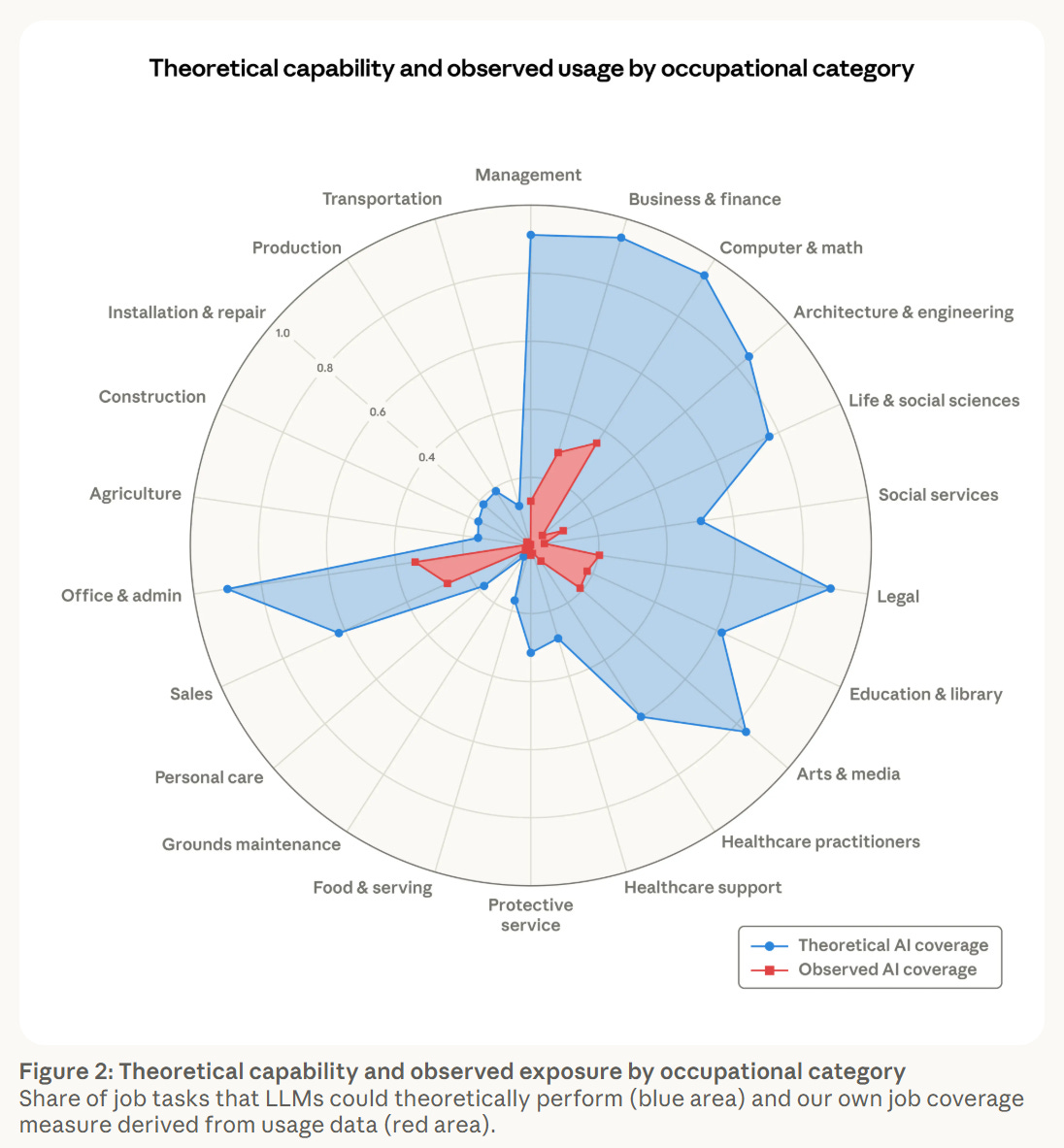
The software engineering sector, a cornerstone of the modern economy, exemplifies this transformative power of AI. Representing a significant portion of the global workforce, software engineers are integral to the design, development, testing, maintenance, and integration of technology that drives trillions of dollars in economic activity. While some analyses, such as those from Anthropic, suggest that large language models (LLMs) could theoretically automate a substantial portion of coding tasks, this perspective often overlooks the multifaceted nature of engineering roles.
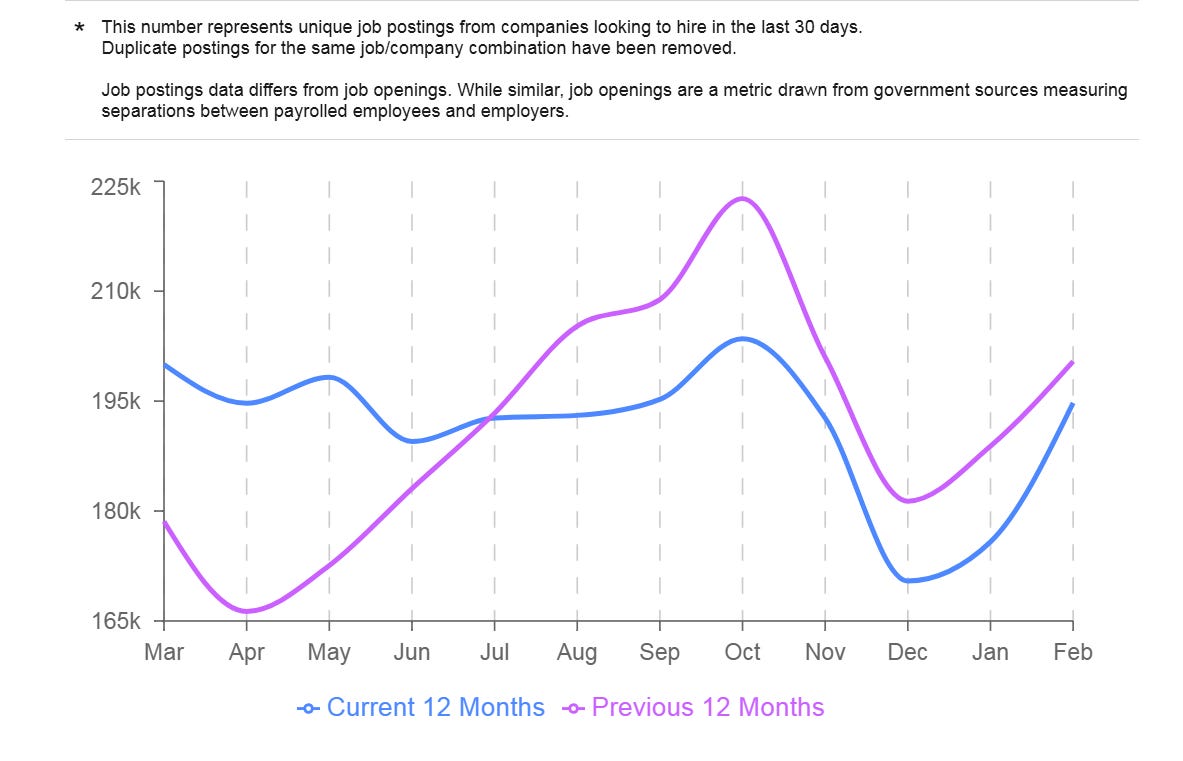
True software engineering extends far beyond simply writing code. It encompasses critical thinking, problem-solving, architectural design, user experience refinement, and strategic project scoping. These higher-order cognitive functions are areas where human expertise remains paramount. Data from labor market analytics firms like Draup and Lightcast paints a compelling picture that contradicts the doomsday predictions. Despite the advancements in AI’s coding capabilities, the number of job openings for software engineers has remained remarkably stable, and in some areas, has even seen an increase.

Lightcast data, for instance, reveals that global job postings for software engineering, design, and testing roles have not significantly declined. This stability is further underscored by the fact that companies at the forefront of AI development, such as OpenAI, are simultaneously experiencing a surge in demand for software engineering talent, with hundreds of positions open. This indicates a growing need for engineers to develop, implement, and manage AI systems themselves, creating new avenues for employment.
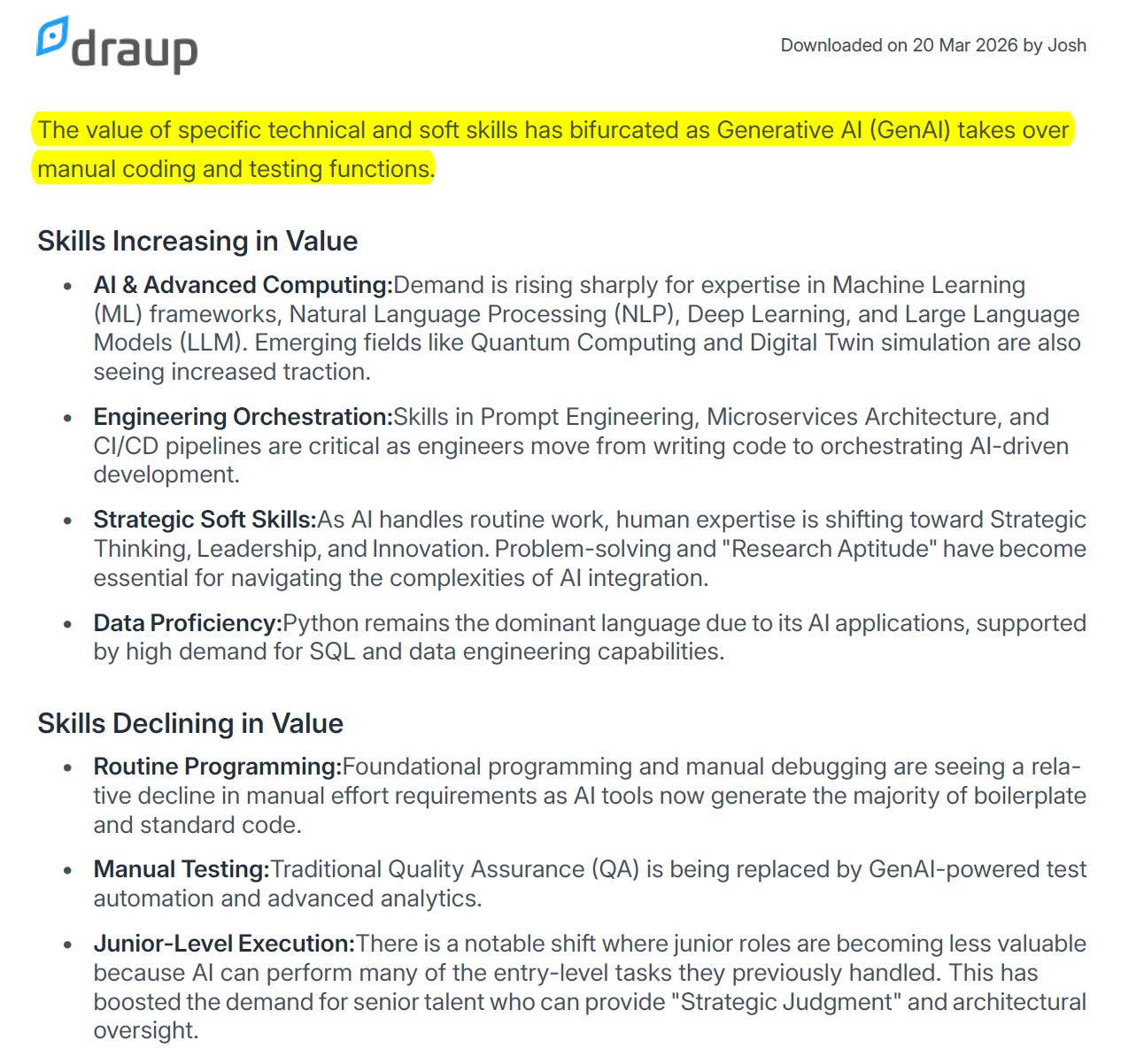
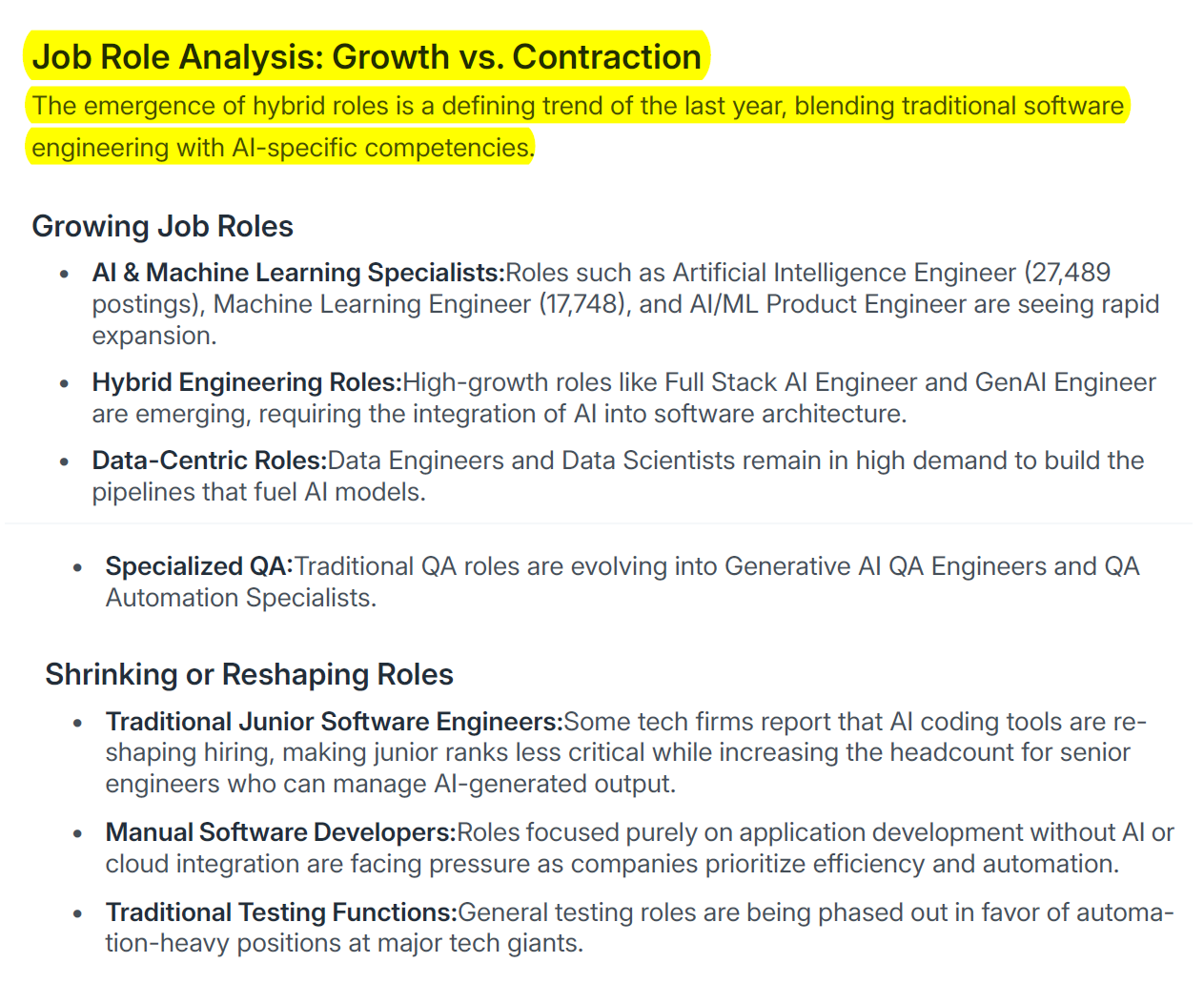
The nature of these roles is evolving, however. As AI takes on more routine coding and testing functions, the demand for skills shifts towards more complex and strategic areas. Draup’s analysis of job postings highlights a declining trend in entry-level "coding" and "testing" skills, while simultaneously showing an increase in demand for specialized roles such as "full-stack AI engineer," "GenAI engineer," and "AI/ML product engineer." This mirrors historical technological shifts, such as the decline of the traditional steno pool with the advent of word processors and the evolution of secretarial roles with the widespread adoption of communication technologies.
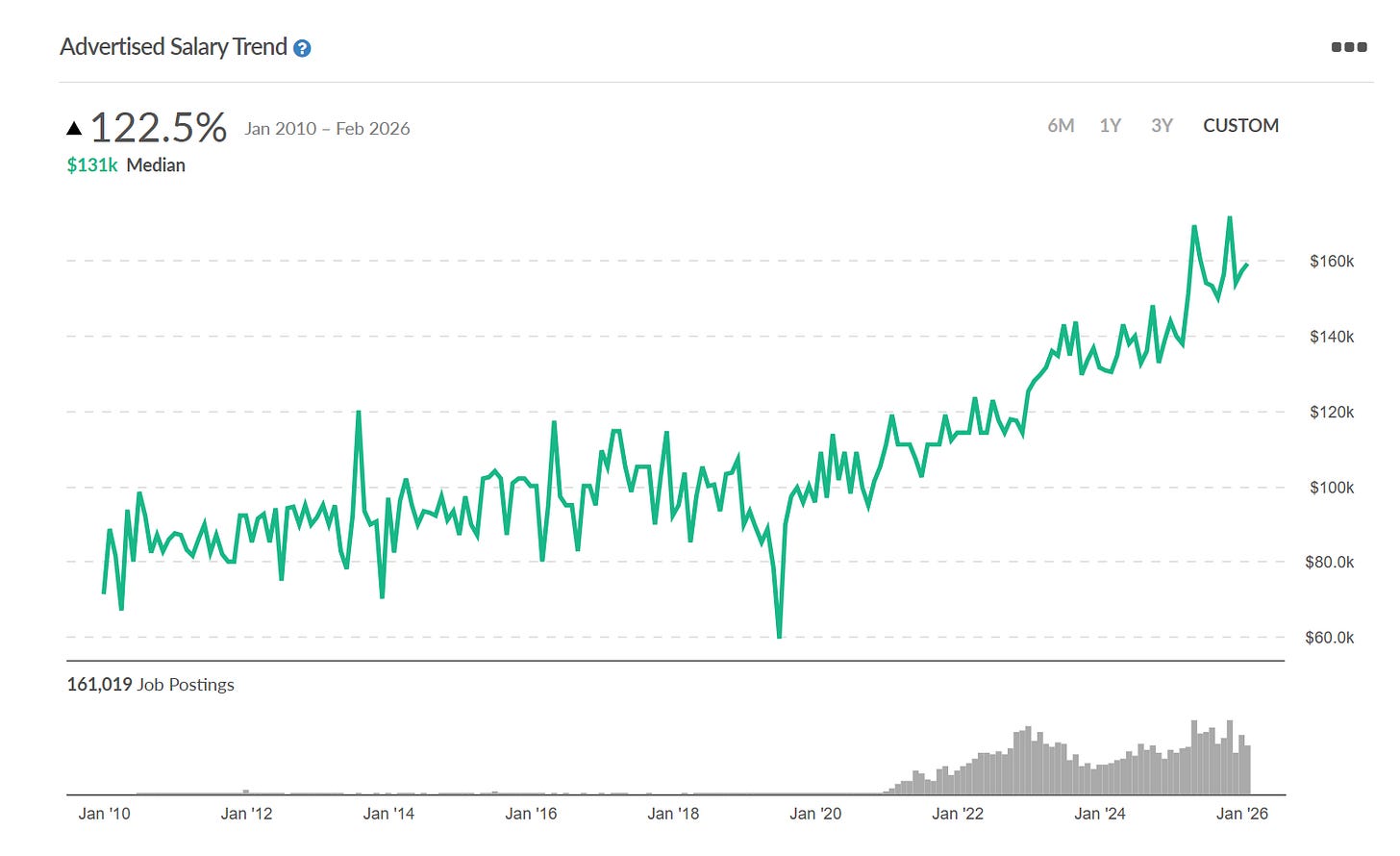
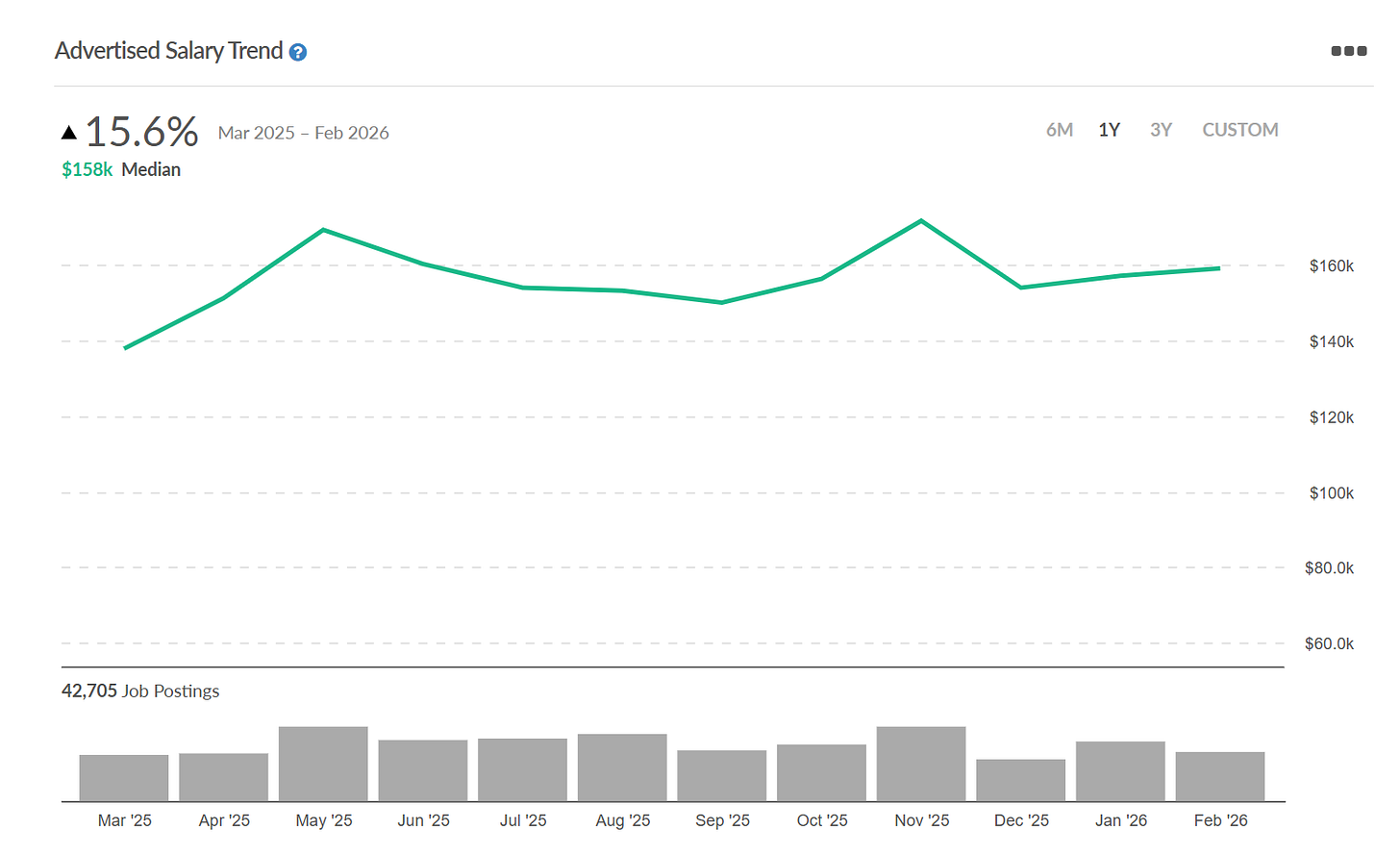
Crucially, this evolution is not leading to wage stagnation. The data indicates a significant upward trend in software engineering salaries. Over the past fifteen years, overall software salaries have more than doubled, with a notable increase of over 15% in the last year alone. This acceleration in compensation is a direct consequence of AI enhancing productivity and value, making skilled engineers more sought after and better compensated.
AI’s Impact on Healthcare: The Case of X-Ray Technologists
The healthcare sector provides another compelling case study of AI’s job-enhancing capabilities. For years, the integration of digital imaging technologies, and more recently AI-powered diagnostic tools, has led to speculation about the obsolescence of roles like X-ray technologists and diagnosticians. Early economic analyses suggested that AI’s ability to analyze medical scans with high accuracy would render these human roles redundant.
However, empirical evidence demonstrates a different outcome. Lightcast data shows a substantial year-over-year increase of 35% in job postings for imaging and medical diagnostics. This surge in demand is not a contradiction but rather a testament to AI’s role in augmenting human capabilities. AI tools can expedite the initial analysis of scans, identify anomalies with remarkable precision, and streamline workflows. This frees up healthcare professionals to focus on more complex patient care, interpretation of nuanced findings, and direct human interaction.
The roles themselves are transforming into "full-stack" positions, emphasizing patient communication, time management, and a deeper level of patient engagement. For instance, a recent personal anecdote illustrates this shift: a patient experiencing a persistent cough was advised by their doctor to get an X-ray. Within moments, a message was sent, and a pleasant nurse facilitated the procedure, promising a swift diagnosis. The patient received a call confirming all was well while still in their car. This efficient, patient-centric experience highlights how AI-enabled technology, coupled with skilled human professionals, leads to improved healthcare delivery.
Furthermore, the integration of AI in medical imaging has contributed to cost efficiencies. While the costs of other healthcare services have soared, the cost of imaging has become more manageable, and the volume of procedures has dramatically increased. Studies indicate that this increased accessibility and efficiency, driven by AI, has not resulted in a reduction of human labor but rather an expansion of services and a greater demand for skilled professionals. The X-ray technologist and the radiologist, in this context, are evolving into "superworkers," leveraging AI to enhance their diagnostic accuracy, improve patient outcomes, and manage a higher volume of cases more effectively.
Understanding the "Superworker" Phenomenon
The recurring pattern observed in fields like software engineering and healthcare points to a broader phenomenon: the emergence of the "superworker." This term, which will be detailed in upcoming research, describes individuals whose roles are significantly enhanced by technology, allowing them to perform at a higher level, take on more complex responsibilities, and achieve greater overall value.
For centuries, technological advancements have consistently reshaped the labor market, rather than eliminating it. The US unemployment rate, which has remained relatively stable around 4.5% for many years, is a testament to humanity’s remarkable capacity for adaptation. This resilience stems from our inherent ability to learn, innovate, and create value.
Human beings possess an innate drive to "make things better." This evolutionary trait, honed over millions of years, allows us to adapt to new circumstances, overcome challenges, and find solutions to complex problems. AI, rather than being a threat, is simply the latest tool in this ongoing human endeavor of innovation. It automates repetitive and mundane tasks, liberating human potential to focus on areas requiring creativity, critical thinking, emotional intelligence, and strategic decision-making.
The COVID-19 pandemic provided a stark reminder of this adaptive capacity. Businesses and individuals alike demonstrated an extraordinary ability to pivot, innovate, and maintain operations in the face of unprecedented disruption. Similarly, individuals facing disabilities or chronic illnesses often find ingenious ways to adapt and thrive, showcasing the power of human ingenuity. This inherent drive to improve and adapt is the fundamental force that propels progress and ensures the continued relevance of human contribution in an evolving technological landscape.
The Future is Not Jobless, It’s Superworked
The notion that AI will lead to mass unemployment is a flawed perspective that fails to acknowledge human adaptability and the evolving nature of work. Instead, AI is poised to reduce the drudgery associated with many tasks, empowering individuals to operate at a higher level. This liberation will allow for greater focus on strategic thinking, innovation, and the expansion of capabilities.
The implication for businesses and leaders is clear: the focus should shift from fearing AI-driven job losses to embracing AI as a tool for augmenting human potential. By facilitating, supporting, and driving the integration of AI, organizations can foster an environment where employees evolve into "superworkers," contributing more significantly to business growth and personal fulfillment.
This transformation will lead to the creation of new, more sophisticated job roles, increased productivity, and ultimately, higher value generation for both individuals and organizations. The future of work is not one of widespread unemployment, but rather one of enhanced human capability and redefined professional roles, driven by the intelligent application of AI.

Further Exploration and Resources
For those seeking to delve deeper into the evolving landscape of AI and its impact on the workforce, several resources offer valuable insights:
- Podcasts: Regular discussions on AI, its applications, and emerging workforce trends can be found on various industry podcasts.
- Conferences: Events like "Irresistible 2026" provide platforms for leaders to engage with emerging technologies and discuss their implications for the future of work.
- Research Platforms: Comprehensive research, case studies, and models on AI and workforce evolution are continuously updated on platforms dedicated to HR technology and labor market analysis. These resources offer deep dives into specific industries and the impact of AI on different job functions.
- Superworker Studies: Dedicated research exploring the concept of the "superworker" provides detailed analyses of how individuals are leveraging technology to enhance their professional capabilities and career trajectories.
Understanding these trends is crucial for navigating the future of work effectively. By embracing AI as a partner rather than an adversary, individuals and organizations can unlock new opportunities for growth, innovation, and professional fulfillment.