A significant and growing epidemic of loneliness is impacting the modern workplace, with profound implications for employee well-being, team performance, innovation, and retention. A recent survey by Kahoot! has revealed that a staggering 39% of office workers report feeling disconnected on the job, and nearly one-third indicate they often go an entire workday without speaking to a colleague. This pervasive sense of isolation is not merely an abstract concern; it translates into tangible challenges for businesses aiming to foster productive and engaged workforces.
The research, released in early 2024, highlights the generational and demographic dimensions of this issue. Millennials, in particular, are identified as the generation most likely to experience loneliness in the workplace, with one in five men and one in eight women having left a job specifically due to feeling disconnected from their colleagues. Furthermore, data from the Harvard Graduate School of Education’s "Loneliness in America 2024" report indicates a correlation between income and loneliness, suggesting that lower-earning employees are more susceptible to feelings of isolation. This insight underscores the critical need for organizations to pay close attention to the well-being of their frontline teams, who may often be overlooked in broader employee engagement strategies.

It is crucial to understand that workplace loneliness extends beyond the absence of physical presence. The true measure lies in the quality of relationships and the sense of belonging. An employee working in a bustling retail environment, for instance, can experience profound loneliness if they do not feel welcomed or comfortable interacting with their peers. Conversely, a remote worker who has cultivated strong, supportive connections with colleagues may feel less isolated than their in-office counterpart. This nuanced understanding is vital for developing effective interventions.
The Far-Reaching Impact of Workplace Loneliness
The ramifications of this widespread disconnection ripple outward, affecting not only individual employees but also the broader organizational ecosystem. When employees feel isolated, their capacity for trust and collaboration diminishes. This directly hampers innovation, as the free exchange of ideas and diverse perspectives is stifled. Efficiencies can also suffer, as teams that lack strong interpersonal bonds may struggle to coordinate efforts and achieve shared goals.
Moreover, the health consequences of loneliness are well-documented. Lonely employees are more prone to illness, burnout, and absenteeism. Gallup research has consistently found that lonely employees exhibit lower levels of motivation and engagement, impacting overall productivity and morale. The survey data suggests that Millennials and managers are particularly vulnerable demographics within the workforce regarding feelings of loneliness.

The Return-to-Work Debate and its Nuances
The findings also bring into sharp focus the ongoing debate surrounding return-to-work policies. While fully remote employees report higher rates of loneliness (25% compared to 16% in Gallup’s research), those working entirely on-site are more likely to experience burnout (29% versus 24% for fully remote workers). This suggests that neither a purely on-site nor a fully remote model inherently guarantees freedom from mental health challenges. Instead, the quality of social connection and the management of workload and stress are paramount, irrespective of the physical work arrangement.
Strategic Imperatives for Organizations to Combat Loneliness
Addressing the "epidemic of loneliness" requires proactive and strategic interventions from organizations. Managers, who are increasingly recognizing their role in team well-being, can take a lead in fostering more connected and supportive environments. A report on "Building Human Workplaces" indicated that 71% of managers feel responsible for their team’s overall well-being, highlighting a crucial opportunity to empower them with the tools and strategies needed to tackle this challenge.
Cultivating Connection: Practical Strategies for the Modern Workplace
Several actionable strategies can be implemented to foster greater connection and combat workplace loneliness:

Enhancing Social Interaction in Meetings
Integrating informal social elements into regular meeting structures can significantly boost day-to-day connections. Dedicating the first few minutes of team meetings or one-on-one check-ins to non-work-related conversations provides employees with the permission and opportunity to share aspects of their personal lives. Companies like Ulteig have successfully implemented programs where employees are intentionally paired to get to know each other better, fostering organic relationships. Organizations can formalize this through structured "connection" meetings or simply encourage employees to schedule informal chats with colleagues they may not know as well.
Weaving Social Threads into Digital Communication
In an era where digital communication platforms are central to daily operations, embedding social interactions within these channels can be highly effective. Regularly posing engaging, non-work-related questions or topics in team chats can spark conversations and build camaraderie. This could range from discussing upcoming summer blockbuster movies to hosting "Would You Rather" Wednesdays, as seen within some teams, which encourage lighthearted engagement and a break from work-related tasks. Managers can spearhead these initiatives to ensure consistency, or creative team members can take the lead in keeping these social threads vibrant.
Promoting and Empowering Employee Resource Groups (ERGs)
Employee Resource Groups offer invaluable opportunities for individuals to connect with colleagues who share common interests, backgrounds, or passions, extending beyond their immediate functional teams. These groups, whether focused on professional development, cultural affinity, or shared hobbies like running, crafting, or reading, provide a vital sense of community. Many organizations host ERGs for multiculturalism, social mobility, LGBTQIA+ inclusion, women’s empowerment, and accessibility. By providing platforms and support for these groups, organizations can facilitate the formation of meaningful bonds and foster a more inclusive environment.
Encouraging Commuter and Carpool Networks
Facilitating connections among employees who share similar commutes can serve a dual purpose: supporting sustainability goals and building interpersonal relationships. Encouraging carpooling or coordinating public transport travel can provide a friendly face and a sense of companionship during daily commutes. For employees who cycle to work, the formation of a commuter group can offer mutual support and safety, particularly in cases of unexpected mechanical issues.
Hosting Engaging Quarterly Challenges and Competitions
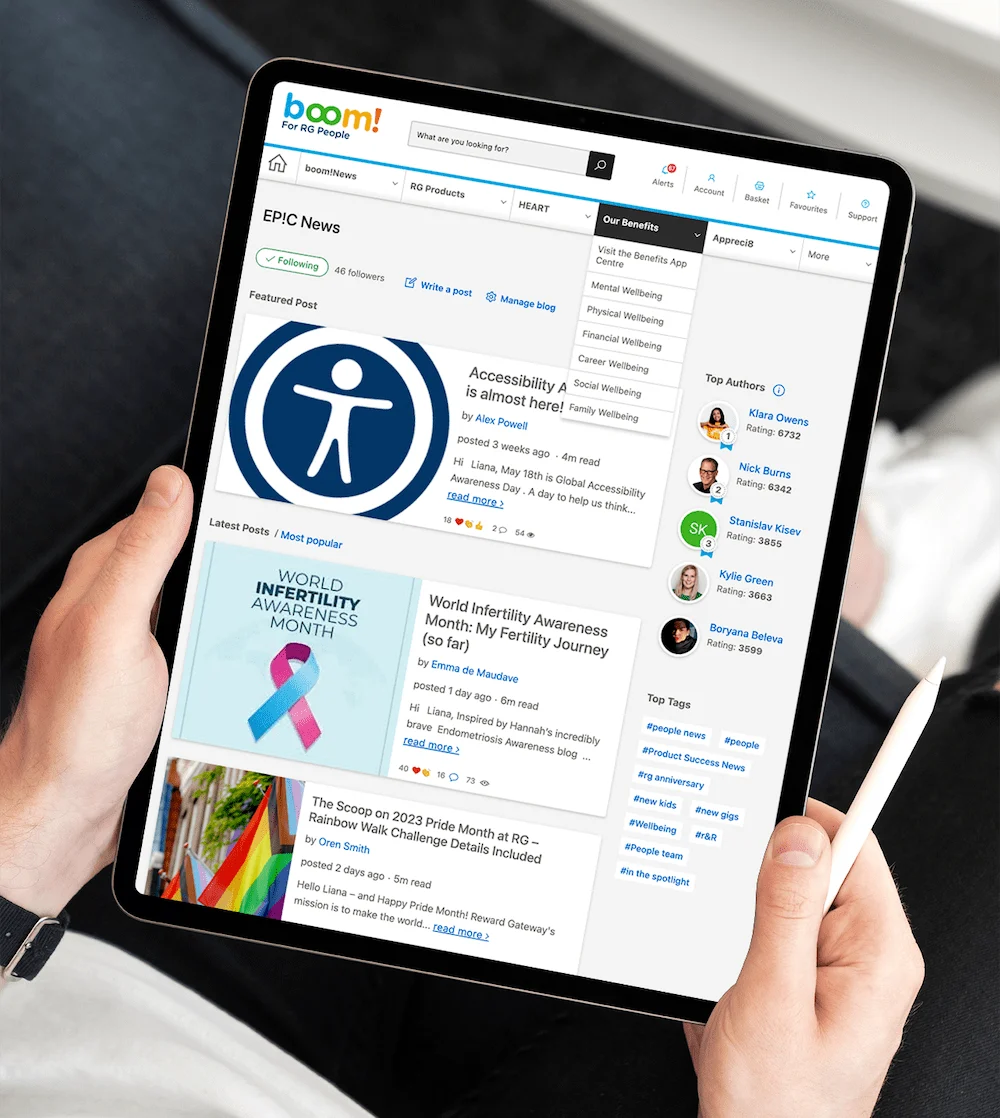
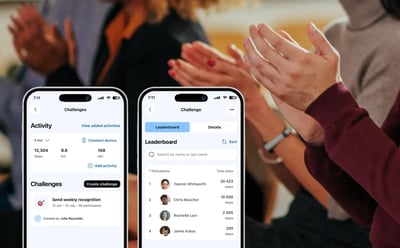
The introduction of quarterly challenges or competitions can inject a sense of fun and friendly rivalry into the workplace, fostering deeper connections. Whether it’s fantasy sports leagues, NCAA bracket pools, or well-being challenges, these activities provide common ground for employees to interact outside of their immediate work responsibilities. Such initiatives can spark conversations, create shared experiences, and build a more dynamic and engaging work environment. Platforms like Reward Gateway’s wellbeing app offer features that facilitate these kinds of social challenges.
Streamlining and Encouraging Employee Recognition
A robust recognition program is fundamental to building stronger connections, as feeling appreciated and valued by peers and superiors inherently strengthens interpersonal bonds. Research indicates that a significant majority of employees believe their workplace well-being would improve if they received more thanks. Organizations must actively encourage and remind employees to acknowledge and celebrate the great work of their colleagues. While in-person appreciation is valuable, extending praise through a public social feed can amplify its impact, fostering transparency and building trust, especially among those who feel less connected. This can help reframe perceptions, turning potential frustrations like "IT never responds to me" into an understanding of the IT team’s workload, as demonstrated through public recognition of their efforts.
A Call to Action for Human-Centric Workplaces
The data unequivocally points to a critical need for organizations to prioritize and actively cultivate a sense of connection and belonging. The "epidemic of loneliness" is not a peripheral issue; it is a core challenge that impacts employee well-being, organizational performance, and long-term success. By implementing thoughtful strategies that foster social interaction, encourage community building, and promote genuine recognition, businesses can transform their workplaces into more human-centric environments where every employee feels seen, valued, and connected. The investment in building these stronger relationships will yield significant returns in engagement, innovation, and overall organizational resilience.