The American Dream, long synonymous with upward mobility and financial security, is increasingly becoming an elusive prospect for millions. A stark reality is unfolding across the nation: the cost of essential goods and services is surging, while wage growth lags significantly behind, creating a widening chasm that impacts workers, families, and retirees alike. This isn’t merely a fleeting economic blip; data suggests a systemic issue with roots stretching back decades, prompting a critical re-evaluation of business practices and economic policies.

The Mounting Pressure of Inflation on Everyday Life
The current economic landscape is characterized by a sharp increase in the cost of living. Data from early 2026 indicates a dramatic rise in prices for necessities. For instance, gasoline prices have seen a 24% increase year-to-date, energy costs have climbed by 27%, and airline fares are up by 26%. Even the cost of basic foodstuffs has not been spared, with fruits and vegetables experiencing a 5% price hike. This inflationary pressure is not isolated to a few sectors; it’s a broad-based increase affecting the fundamental aspects of daily life.
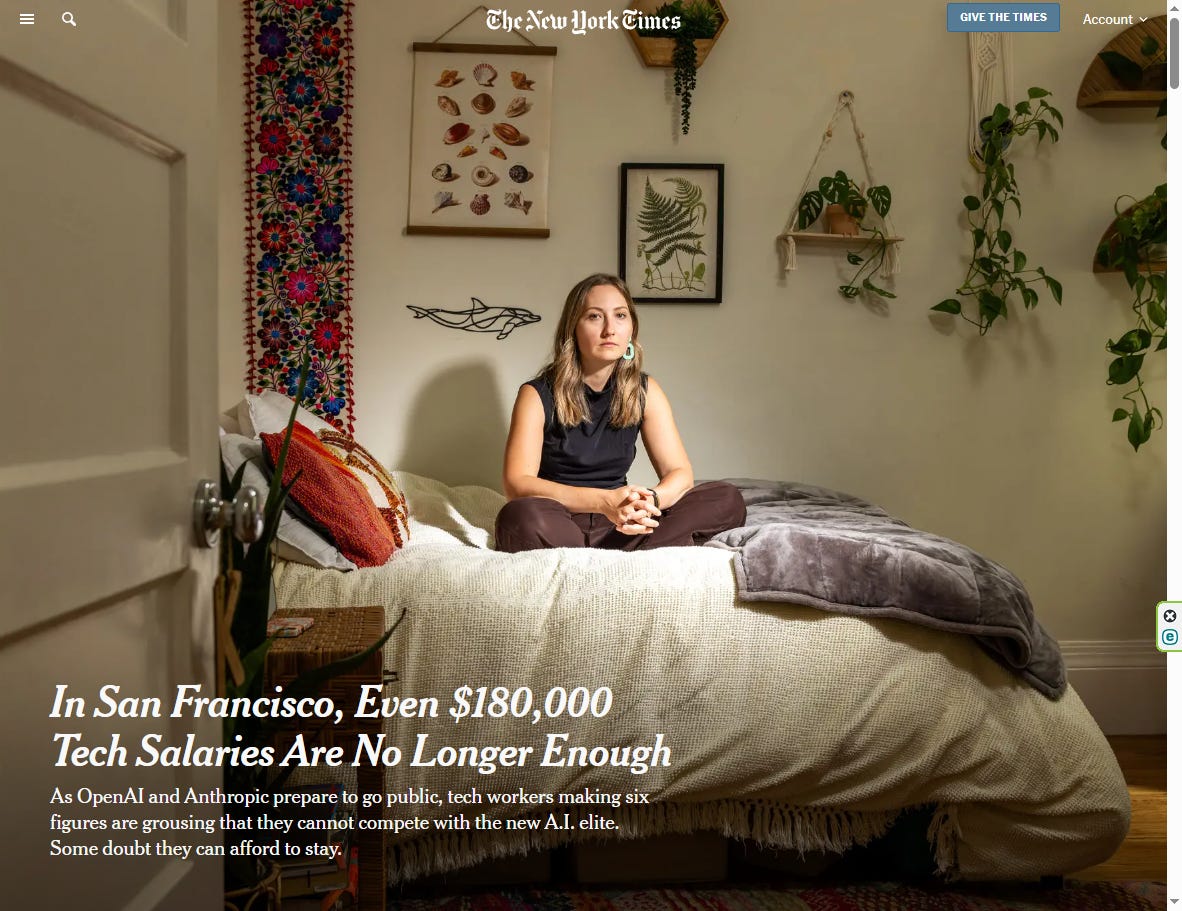
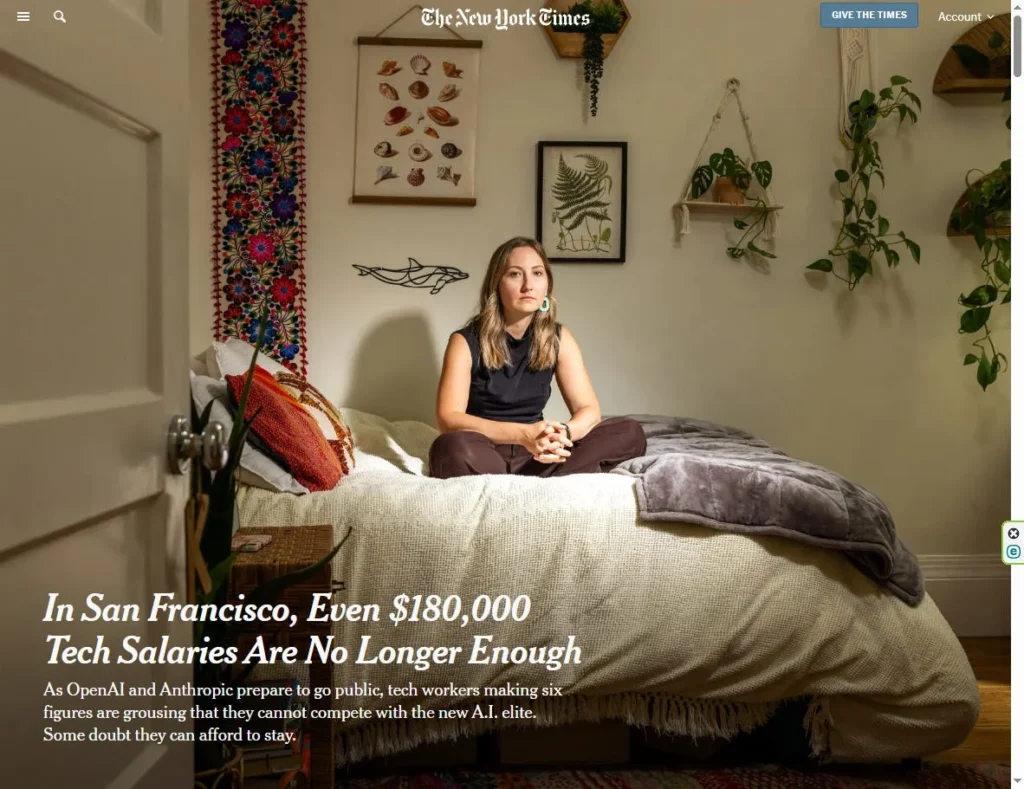
This trend is not confined to lower-income households. A report from The New York Times highlighted a striking example in San Francisco, a hub of the tech industry, where a combined household income of $370,000 is reportedly insufficient to secure a "nice" apartment. This underscores the severity of the housing affordability crisis, which is mirrored in many urban and suburban areas nationwide. The dream of homeownership or even secure rental housing is becoming increasingly out of reach for a significant portion of the population, regardless of their earning potential.
The "Unretirement" Phenomenon: A Sign of Economic Strain
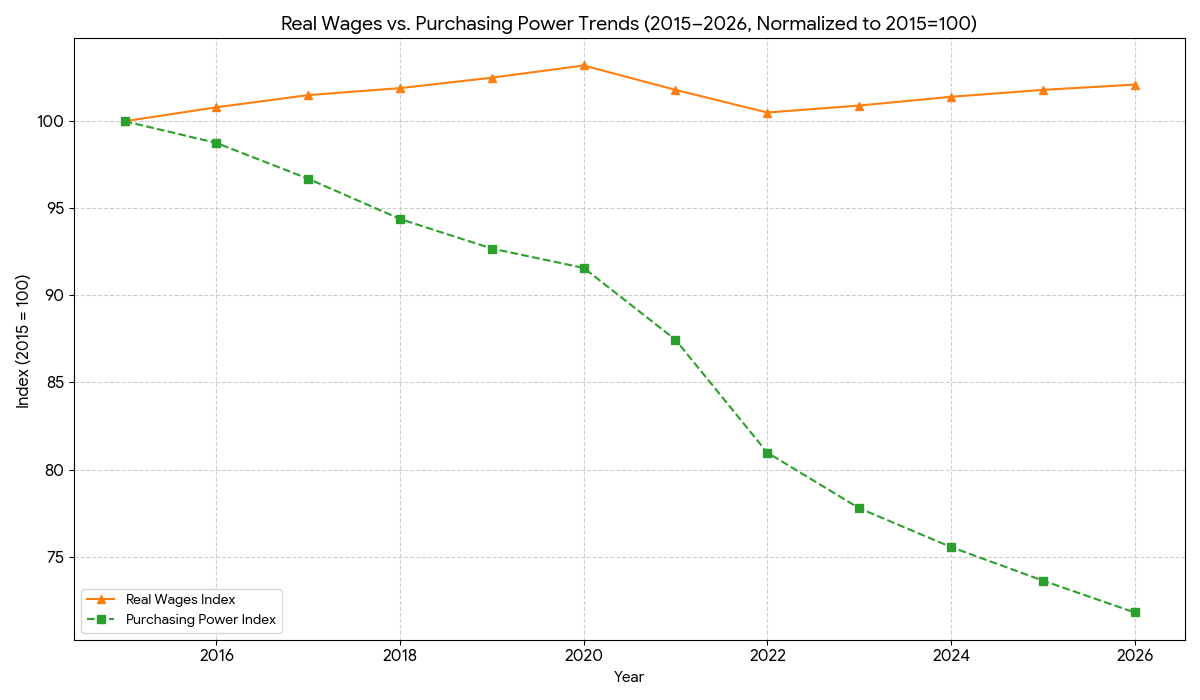
The strain of these rising costs is acutely felt by retirees, many of whom are being forced to re-enter the workforce. AARP reports that a notable percentage of retirees are "unretiring," with 7% returning to full-time employment and an additional 12% re-engaging in part-time work in 2026. This surge in older Americans seeking employment is directly linked to their inability to cover escalating expenses for healthcare, food, and energy on fixed incomes. This "unretirement" trend signals a significant challenge to retirement security and highlights the inadequacy of traditional retirement planning in the face of persistent inflation.
Decades in the Making: The Erosion of Purchasing Power
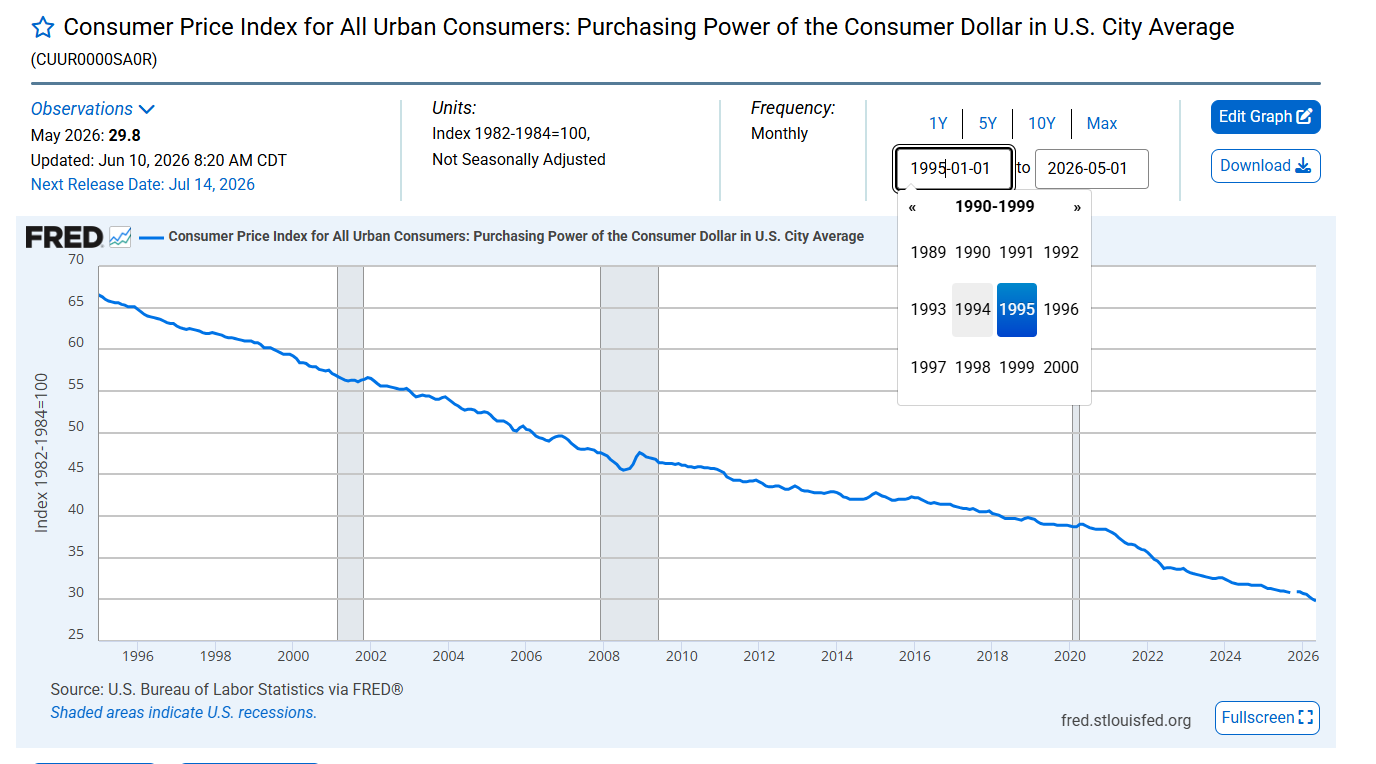
The current economic predicament is not a sudden development but rather the culmination of a trend that has been unfolding for nearly five decades. As a micro-economist specializing in employer relations, an analysis of long-term economic data reveals a concerning pattern: the erosion of real purchasing power for the average American worker.
Declining Real Wages: A Persistent Trend
Over the past 20 to 30 years, wages, when adjusted for inflation, have seen minimal growth. While nominal wages may have appeared to increase, the rapid pace of inflation has effectively negated these gains, leaving many workers with stagnant or even declining real incomes. Data from the St. Louis Fed illustrates this point starkly. A comprehensive look at "purchasing power" reveals a substantial decline of nearly 40% over a comparable period. This means that despite working, individuals find themselves able to afford less than they could in previous decades.
Productivity Gains Not Reaching the Workforce
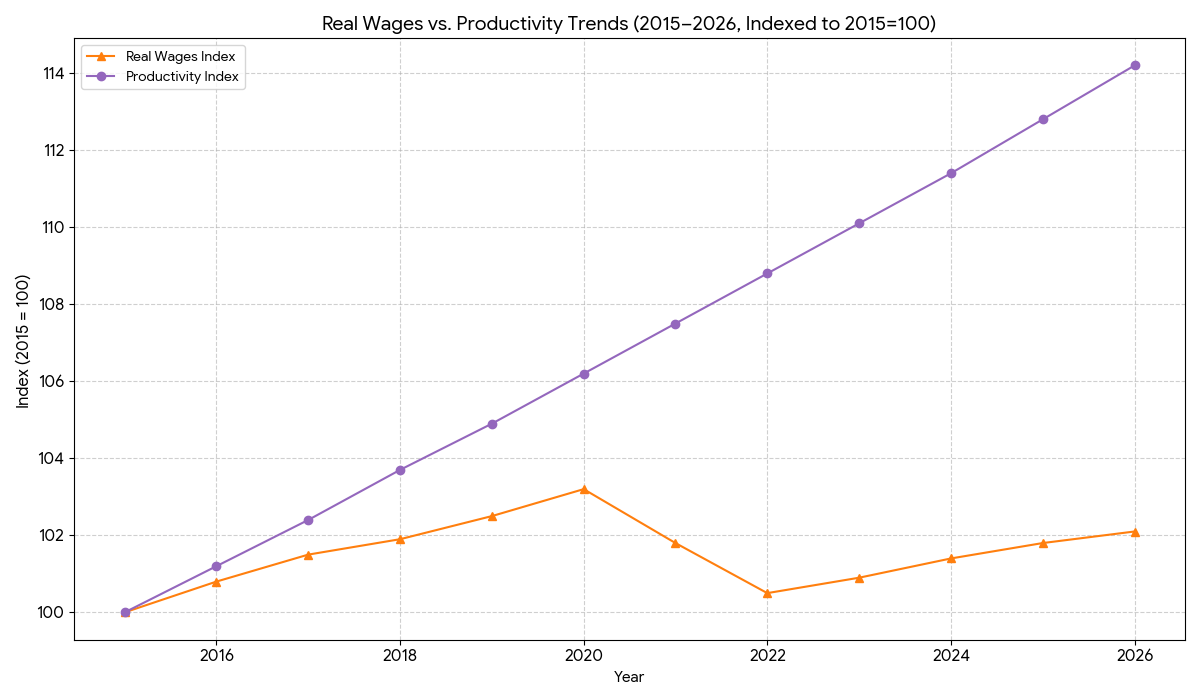
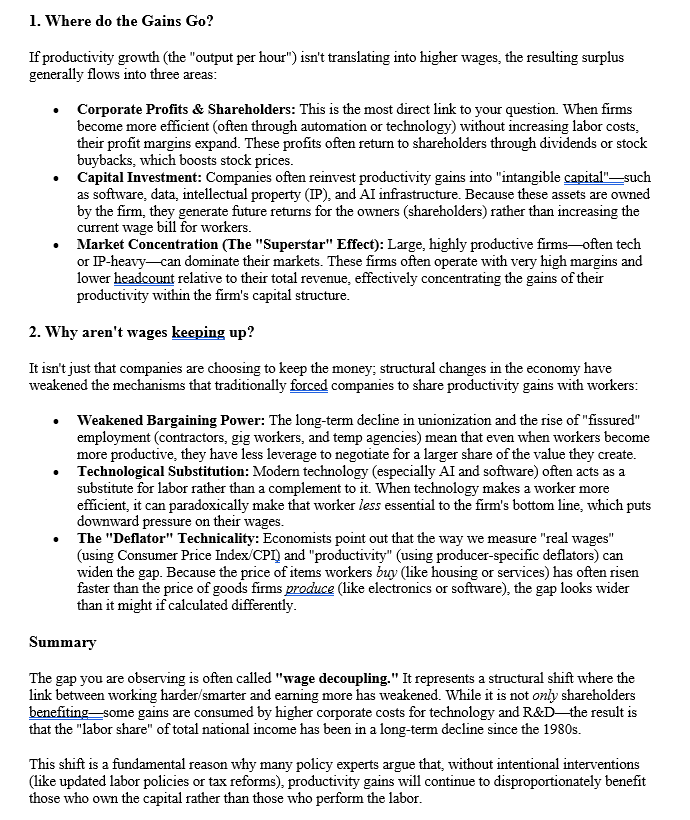
Simultaneously, the U.S. economy has experienced significant gains in productivity, largely driven by technological advancements over the past three decades. One would expect these productivity increases to translate into higher wages and improved living standards for workers. However, an examination of the data suggests a different outcome. A chart illustrating productivity versus wage growth shows a dramatic divergence. Productivity has increased by approximately 14% over a recent period, while wages have only risen by about 2%. This indicates that roughly 12% of the economic productivity gains have not been distributed to employees but have instead flowed to other stakeholders, primarily shareholders and corporate executives.
The Flow of Economic Gains: Shareholders Over Employees
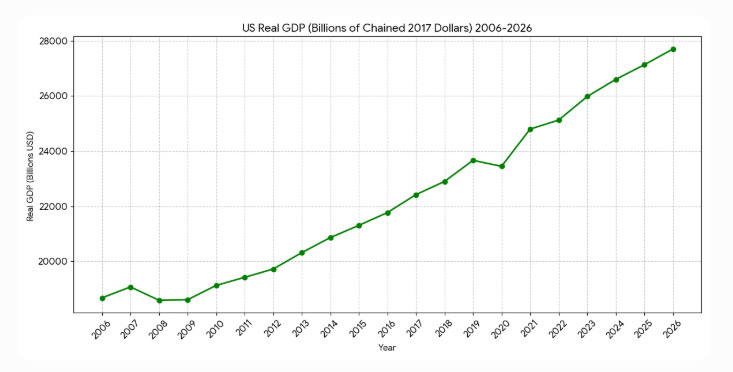
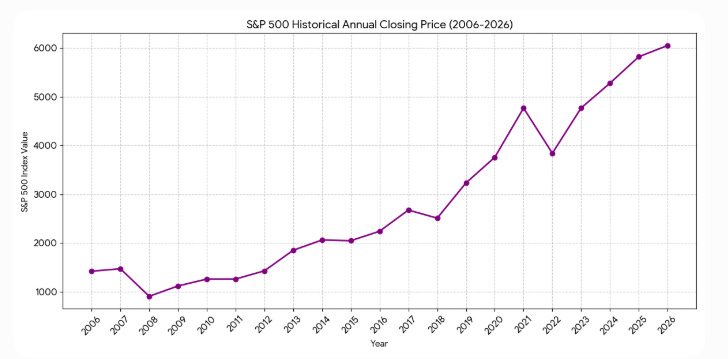
This widening gap between productivity and wages raises critical questions about how the benefits of economic growth are distributed. The analysis suggests that the substantial economic gains generated by increased productivity have largely bypassed the American workforce. This capital has been channeled into the stock market, leading to significant growth in stock prices, dividends, and overall shareholder value. The pursuit of maximizing shareholder returns, often driven by corporate governance structures and executive compensation models, appears to have prioritized capital investments and automation over wage increases and enhanced employee benefits.
The Role of Corporate Strategy and Policy
The economic landscape has been shaped by a series of policy decisions and corporate strategies that have, intentionally or unintentionally, contributed to the current affordability crisis.
Stagnant Federal Minimum Wage
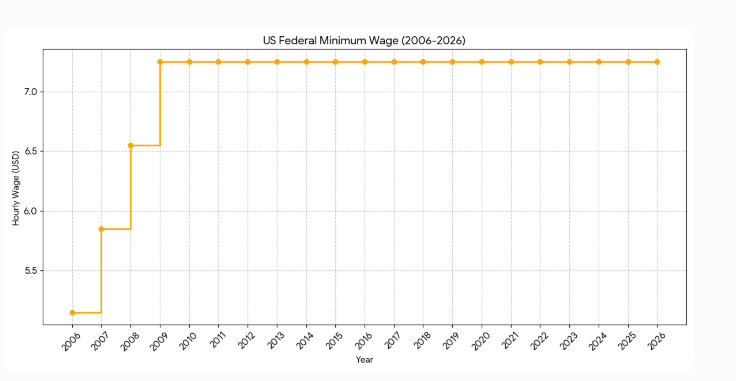
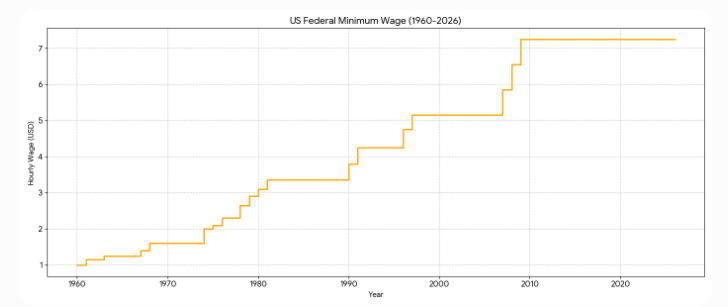
A significant factor contributing to the erosion of purchasing power, particularly for low-wage workers, is the stagnation of the federal minimum wage. For years, the federal minimum wage has remained largely unchanged, effectively losing significant value due to inflation. This policy has contributed to a situation where full-time work at the minimum wage is insufficient to lift individuals and families out of poverty or even provide a basic standard of living.
The Decline of Labor Unions
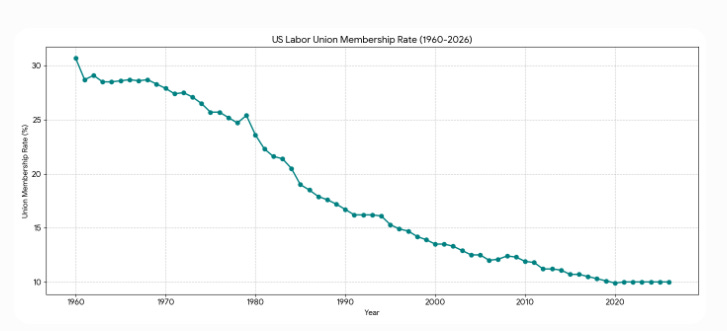
The diminished influence of labor unions in the United States has also played a role. Historically, unions have been instrumental in advocating for better wages, benefits, and working conditions for their members. However, a shift in political and economic climate, beginning in the late 20th century, led to a decline in union membership and bargaining power. This shift, coupled with policies that favored capital over labor, has weakened the collective voice of workers in negotiating for a fairer share of economic gains.
The Rise of Executive Compensation
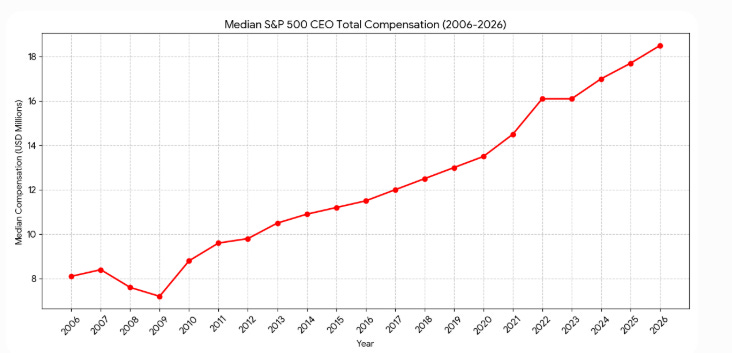
The disparity is further highlighted by the astronomical rise in executive compensation. Studies indicate that the average pay for Chief Human Resources Officers (CHROs) has reached millions of dollars, with CEO compensation often several times higher. This trend, where top executives benefit disproportionately from corporate profits and stock market performance, contrasts sharply with the stagnant wages of the average employee. This phenomenon has been linked by some economists to the increasing influence of business schools and the emphasis on maximizing shareholder value above all else.
Inflationary Expectations and Economic Uncertainty
Compounding these issues is the current inflationary environment. A confluence of factors, including supply chain disruptions, geopolitical events, energy price volatility, and increased government spending, has led to sustained inflation rates well above the Federal Reserve’s target of 2%. This sustained period of price increases, beginning around 2021, has ingrained an expectation of rising costs among consumers. The result is a situation where individuals are accustomed to the continuous increase in prices for everyday necessities, from groceries to gasoline, further diminishing their purchasing power. The burgeoning costs associated with AI development and adoption, along with persistent shortages in critical sectors like semiconductors, are further exacerbating these inflationary pressures.
Implications for the American Workforce and Economy
The cumulative effect of these economic trends is a growing sense of financial precarity and disillusionment. The inability to keep pace with the rising cost of living is driving increased engagement in speculative activities, such as cryptocurrency trading and online gambling, as individuals desperately seek ways to improve their financial standing. This desperation reflects a fundamental breakdown in the traditional pathways to economic security.
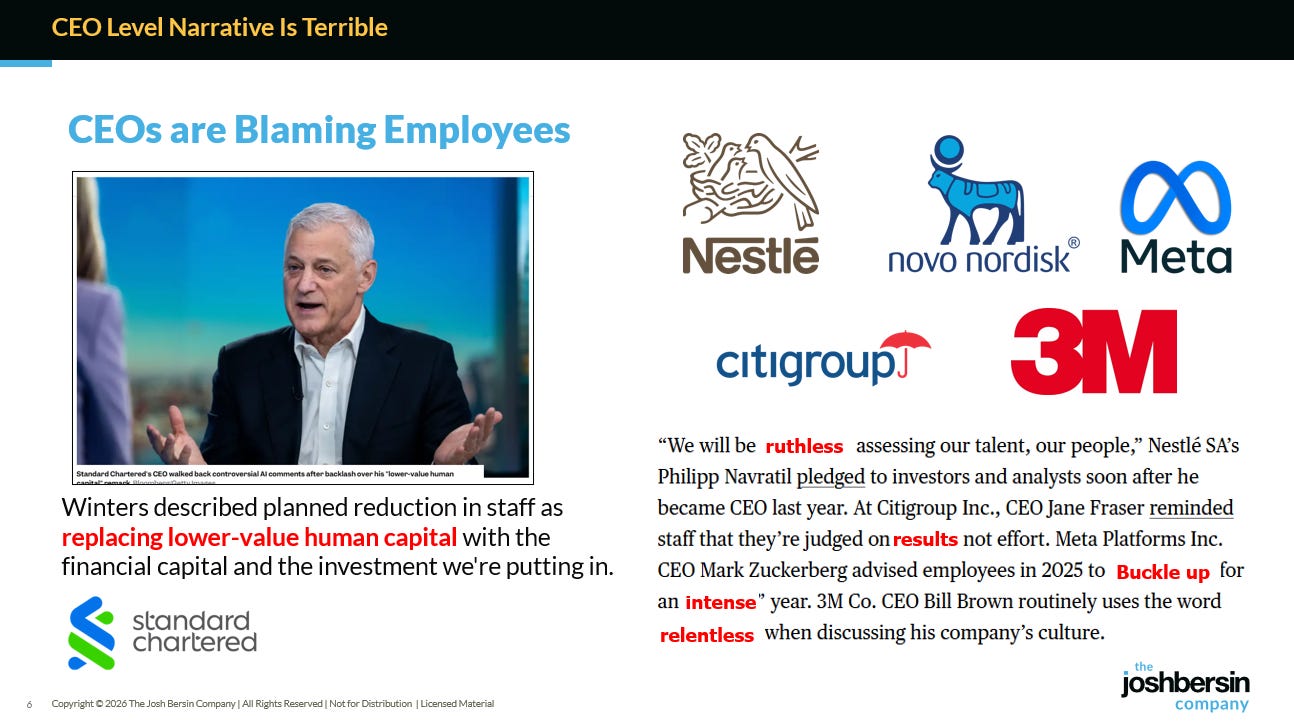
The implications extend beyond individual households. For businesses, this environment presents a critical challenge in attracting and retaining talent. Companies that fail to adequately compensate their employees risk losing valuable workers to competitors or seeing them exit the workforce altogether. This can lead to decreased productivity, increased recruitment costs, and a decline in overall organizational effectiveness.
What Businesses Can Do: A Call to Action for Leaders
While external factors like government policy and global economic conditions play a significant role, business leaders have a crucial responsibility and the power to implement solutions that can mitigate these challenges.
Rethinking Labor as an Investment, Not an Expense
The most fundamental shift in perspective required is to view labor not as a cost to be minimized, but as an investment to be nurtured. The traditional business model, focused on reducing labor expenses, has demonstrably failed to create broad-based prosperity. Instead, companies should embrace the concept of "labor as an investment." Investing in employees through competitive wages, robust benefits, and opportunities for growth yields significant returns. Highly compensated and engaged employees are more productive, innovative, and loyal, leading to higher customer satisfaction and sustained business success. Research, including findings from the author’s book "Irresistible," consistently demonstrates that organizations prioritizing their people achieve superior financial performance.
Focusing on Internal Talent Development and "Talent Density"
Instead of solely focusing on external hiring and potential layoffs, businesses should prioritize the development of their existing workforce. This involves investing in training, reskilling, and upskilling employees to meet evolving business needs. The rise of Artificial Intelligence, while transformative, should not be seen as a primary tool for headcount reduction. Instead, AI can augment human capabilities, creating "superworkers" and enabling increased speed and scale of operations. This productivity gain can then be reinvested in employees through higher compensation and improved benefits. The concept of "Talent Density," which emphasizes building teams of highly skilled and motivated individuals, becomes paramount. This approach, supported by models like the "4R model" (Recruit, Retain, Reskill, Redesign), fosters a culture of continuous improvement and enablement for growth, allowing wages to rise across the organization.
Prioritizing Internal Mobility and Employee Retention
The cost of employee turnover is substantial, often amounting to 50% or more of an employee’s annual salary when factoring in recruitment, onboarding, and lost productivity. Companies that foster a culture of internal mobility, where employees are encouraged and supported to move into new roles within the organization, not only improve engagement but also create opportunities to reinvest savings into higher wages. Studies indicate that companies with high rates of internal talent redeployment demonstrate significantly higher long-term profitability. This strategic approach reduces churn and builds a more dynamic and resilient workforce.
The Responsibility of Employers for Affordability
Ultimately, businesses bear a significant responsibility in addressing the affordability crisis. While external factors are at play, the internal decisions made by companies regarding compensation and employee development have a direct impact on the economic well-being of their workforce. Companies like Costco, known for their commitment to paying above-average wages, have demonstrated that such practices lead to higher profitability and employee loyalty. The success of their cashiers, some of whom have become millionaires through their tenure and compensation, serves as a powerful example of how prioritizing fair wages can create mutually beneficial outcomes.
The current economic trajectory suggests a potential shift in economic policy, moving away from a purely capital-centric approach. Echoing the principles of early industrial pioneers like Henry Ford, who understood the power of paying fair wages to create a consumer base, businesses have the opportunity to drive both economic growth and societal well-being. By making strategic investments in their people, fostering internal talent, and prioritizing fair compensation, employers can play a vital role in restoring the promise of the American Dream and creating a more equitable and prosperous future for all.