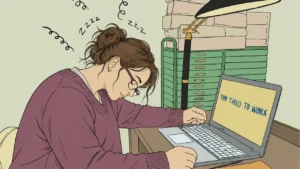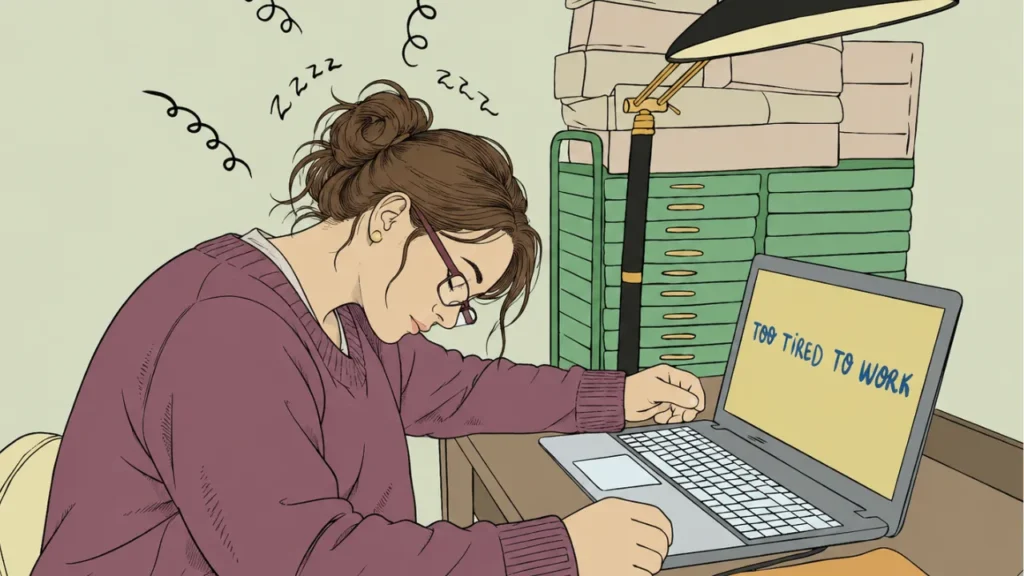
The modern American workplace is engaged in a widespread, clandestine ritual: the midday nap. Contrary to popular assumptions, a significant majority of working professionals are incorporating brief periods of sleep into their day, a new survey by Amerisleep reveals. This pervasive habit, however, is largely kept under wraps, with over 90% of respondents admitting to napping at least once during the workweek, while an overwhelming number deliberately conceal this practice from their managers and colleagues. This hidden phenomenon underscores a complex interplay between employee well-being, workplace culture, and the evolving understanding of productivity.
The Amerisleep study, which surveyed a broad spectrum of American workers, found that the drive for a midday reset is nearly universal. Employees are employing ingenious strategies to snatch moments of rest without drawing attention, ranging from brief car naps between meetings to discreet dozing at their desks. This widespread adoption of napping suggests a fundamental recognition among workers that sustained focus and energy levels are difficult to maintain throughout a demanding workday. The underlying reasons for this need for rest are multifaceted, encompassing biological rhythms, the intensity of modern work demands, and the pervasive challenge of achieving adequate sleep on a consistent basis outside of work hours.
The Ingenuity of the Office Snooze: Where and How Workers Recharge
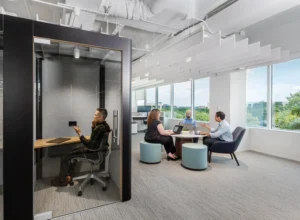
The survey highlights the creative lengths to which employees go to find a moment of respite. Desks and meeting rooms have emerged as the most common, albeit often improvised, nap locations. Approximately 70% of napping employees reported leaving their primary workstation to seek out other spaces. This includes utilizing unoccupied conference rooms, finding quiet corners, or even stepping outside the building for a brief escape. The remaining 30% of nappers opt for a more direct approach, resting their heads at or near their desks.
Preferences for napping environments reveal interesting demographic and gender-based trends. A dedicated rest space, such as a couch, bed, or recliner, is the ideal setting for 30% of nappers. This preference is more pronounced among women, with 36% favoring these comfortable spots compared to 23% of men. Conversely, men show a greater inclination to nap at their desks, with 22% of male respondents doing so compared to 15% of women.
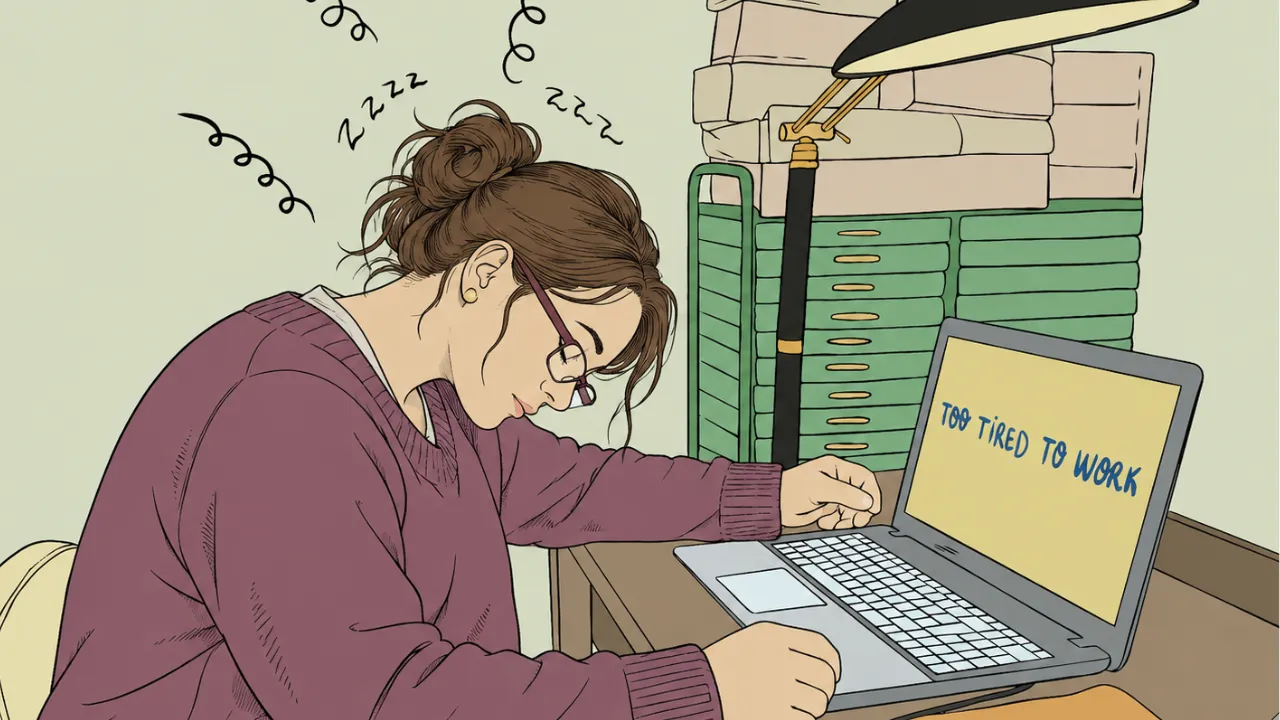
For a significant portion of the workforce, the commute itself offers a sanctuary. Twenty-two percent of nappers seek refuge in their vehicles or public spaces away from the office environment. The car, in particular, stands out as the location for the most unusual workday naps, cited by 38% of respondents. This was followed by napping at one’s desk (29%), in the break room (11%), and even in the bathroom (7%). These statistics paint a picture of a workforce actively seeking out any available opportunity to counter fatigue, often in less-than-ideal conditions.
The Predictable Rhythm of Fatigue: Timing the Midday Respite
The timing of these covert naps follows a predictable pattern, closely aligning with the natural dip in energy levels that many experience in the afternoon. The most popular window for napping is between 1 p.m. and 1:59 p.m., with 29% of workers choosing this hour. This is closely followed by the noon hour (27%) and then 2 p.m. (21%). This timing is not arbitrary; it aligns with established research on circadian rhythms. A 2021 meta-analysis of daytime napping found that afternoon naps can significantly improve alertness and cognitive performance. The study noted that the most potent benefits are typically associated with naps taken before 1 p.m., suggesting that earlier afternoon snoozes might be more restorative.
The Stigma of Slumber: Why Workers Remain Tight-Lipped About Napping
Despite the sheer prevalence of workplace napping, a strong culture of secrecy persists. The Amerisleep survey found that a substantial 59% of employees who nap at work actively conceal this habit from their managers, coworkers, or both. Furthermore, 42% of these nappers go to great lengths to keep their habit entirely hidden from everyone in their professional sphere. This reluctance to be open about napping suggests a perceived professional risk associated with admitting to a need for rest, even when that rest is beneficial for performance.
Generational differences are also apparent in attitudes towards openness about napping. Gen Z, the youngest cohort in the workforce, appears to be the most comfortable with napping, with only 53% concealing the habit. This contrasts with millennials, where 61% keep their naps secret, and Gen X, with 59% doing the same. This suggests that younger generations may be more receptive to the idea of napping as a legitimate productivity tool, potentially influenced by evolving discussions around mental health and work-life balance.
Workplace Culture as the Driving Force Behind Secrecy
The findings strongly indicate that workplace culture plays a pivotal role in determining the level of secrecy surrounding napping. In environments that prioritize a "power through" mentality, where employees are encouraged to push past fatigue, a staggering 80% of nappers feel compelled to hide their habit. In stark contrast, in workplaces that are characterized as "recovery-friendly," this figure drops significantly to just 50%. This substantial difference highlights how organizational attitudes towards rest and recovery directly influence employee behavior and comfort levels.

This dynamic is intrinsically linked to the broader "hustle culture" that has permeated many industries. In such environments, exhaustion can often be perceived as a badge of honor, a testament to dedication and hard work. Consequently, rest can be seen not as a necessary component of sustained performance, but rather as a sign of weakness or a lack of commitment, something to be apologized for rather than embraced as a normal part of the workday.
A notable disconnect also exists in the perception of napping between management and individual contributors. Nearly 39% of managers who nap view it as a valuable productivity tool or a healthy habit. This perspective is shared by a smaller, yet still significant, proportion of individual contributors, at 26%. This disparity could be attributed to several factors, including the potential for managers to have a clearer understanding of the benefits of rest on sustained cognitive function, or perhaps because managers themselves are more likely to be well-rested. A separate survey by Sleep Junkie indicated that well-rested supervisors tend to earn more and maintain better focus, suggesting that managers who prioritize their own rest might be more inclined to recognize and legitimize it for their teams.
Interestingly, the consequences of being caught napping are often minimal. Only 15% of nappers reported ever being discovered by a manager. Among those instances, a majority (46%) experienced no repercussions. A further 39% reported their manager making a lighthearted joke about the situation. A mere 9% indicated that being caught had a negative impact on how they were perceived at work. This suggests that while the stigma exists, the practical fallout of napping on the job is relatively low for most employees, further underscoring the cultural rather than punitive nature of the secrecy.
The Inherent Belief in Napping: Workers’ Intuition Aligns with Science
Despite the prevailing stigma, the vast majority of workers are convinced of the efficacy of midday naps. A compelling 86% of respondents believe that naps improve their focus and concentration. Similarly, 84% attest to naps reducing stress and burnout, with another 84% reporting a boost in overall productivity. Reflecting this strong conviction, only a negligible 1% of workers view midday napping as an indicator of poor work ethic.
The scientific community largely supports this intuition, albeit with important caveats. Research indicates that naps under 60 minutes can maximize cognitive benefits and reduce fatigue, while also potentially lowering the risk of chronic diseases. However, longer naps, exceeding an hour, have been linked to an increased risk of coronary heart disease, diabetes, and obesity. The optimal duration for performance enhancement is generally considered to be between 20 to 30 minutes, as both shorter and longer durations can diminish the restorative payoff.

Attitudes towards napping also vary significantly across different industries and generational groups. Workers in the technology (37%) and finance (33%) sectors are the most likely to view napping positively. Conversely, those in education (24%) and government (22%) roles tend to be more skeptical. This divide might correlate with industry-reported sleep quality data, with sectors showing lower sleep quality potentially exhibiting more resistance to napping. Gen Z leads the pack in viewing napping as a productivity tool or healthy habit, with 35% holding this view, followed by millennials (30%), Gen X (28%), and baby boomers (25%). This generational trend suggests a potential shift in workplace norms and expectations as younger employees enter and ascend through the professional ranks.
Implications for the Modern Workplace
The Amerisleep data paints a clear picture of a workforce that has, by necessity and personal conviction, quietly normalized napping as a strategy for personal well-being and enhanced performance. Yet, this normalization exists in a parallel universe to professional perception, where it is still largely treated as a liability. The paradox of nearly universal adoption coupled with widespread concealment reveals a fundamental tension between individual needs and organizational culture.
For employers, the widening chasm between fatigue-driven and recovery-friendly workplace cultures offers a critical insight. The extent to which employees feel comfortable resting openly can serve as a powerful indicator of the organization’s true values and priorities. It suggests that a company’s approach to employee well-being extends far beyond formal wellness programs and policies; it is deeply embedded in the daily lived experience and the unspoken norms that govern interactions and expectations. As the understanding of the link between rest, mental health, and sustained productivity continues to grow, organizations that fail to foster environments conducive to rest risk falling behind in attracting and retaining talent, and ultimately, in achieving peak performance. The secret life of the midday nap is, in essence, a quiet rebellion, a testament to the enduring human need for recovery in the relentless pace of modern work.