This week, Cornerstone, a titan in the corporate learning technology sector with an estimated annual revenue of $1 billion—approximately four times that of competitor Docebo—announced a significant strategic pivot into the realm of artificial intelligence. The move marks a comprehensive reinvention for the company, aiming to navigate the intricate and rapidly evolving landscape of AI-powered learning solutions. This development comes as the broader HR technology market braces for a profound transformation, a subject thoroughly explored in the forthcoming "HR 2030" report.
Cornerstone’s Established Position in the Learning Technology Market
For over 27 years, Cornerstone has been a formidable presence in the corporate learning space. Founded as an e-learning platform provider, the company has been instrumental in pioneering the "talent-driven learning platform" market. Its robust suite of offerings, primarily comprising Learning Management Systems (LMS) and Learning Experience Platforms (LXP), has garnered a substantial customer base exceeding 7,000 enterprise clients, including many of the world’s largest corporations. These platforms collectively serve approximately 140 million users globally. Beyond its core learning solutions, Cornerstone also boasts a significant talent management platform, further solidifying its position as a comprehensive human capital management provider.
The total addressable market for learning and talent technology is estimated to be around $30 billion. While this market is also contested by major players like Workday, Oracle, and SAP, Cornerstone has consistently demonstrated superior functionality, securing a dominant market share within its specialized segments. The company’s strategic growth has been fueled by both organic expansion and a series of astute acquisitions. Since its privatization in 2021 for $5.5 billion (representing approximately a 5x revenue multiple at the time), Cornerstone has strategically integrated key technologies and expertise through acquisitions such as EdCast (LXP), Skyhive (skills and labor market data), and Tailspin (VR), alongside several smaller content providers. Despite its profitability, the company’s market valuation has seen more modest growth, partly attributed to broader market pressures and shifts within the learning technology sector.

Cornerstone has been proactive in addressing market challenges by expanding its sales channels, offering more integrated solutions, and enhancing its feature set. However, the company has acknowledged that its brand perception has, in some instances, been perceived as dated, leading to customers exploring alternatives during renewal periods. This dynamic is not uncommon in the technology sector, where the allure of newer, more advanced systems can prompt businesses to re-evaluate their existing solutions. The current market landscape, however, is undergoing a particularly rapid and fundamental shift, necessitating a more aggressive and forward-looking strategy. Cornerstone’s leadership team, including Himanshu Palsule, Michael Pawlyszyn, and Vincent Belliveau, comprises experienced executives known for their execution-oriented approach, positioning the company to adapt to these changes.
The AI Disruption: A Fundamental Rethinking of Learning Content
The advent of advanced AI, exemplified by the public release of ChatGPT in the fall of 2022, has initiated a seismic shift across the entire e-learning and corporate training market. The traditional model, which has relied for decades on the laborious creation, publication, and licensing of static training content, is now being fundamentally reimagined at an unprecedented pace. This $400 billion market, once characterized by the painstaking efforts of instructional designers, graphic artists, and subject matter experts to develop courses, videos, assessments, and simulations, is on the cusp of a revolution.
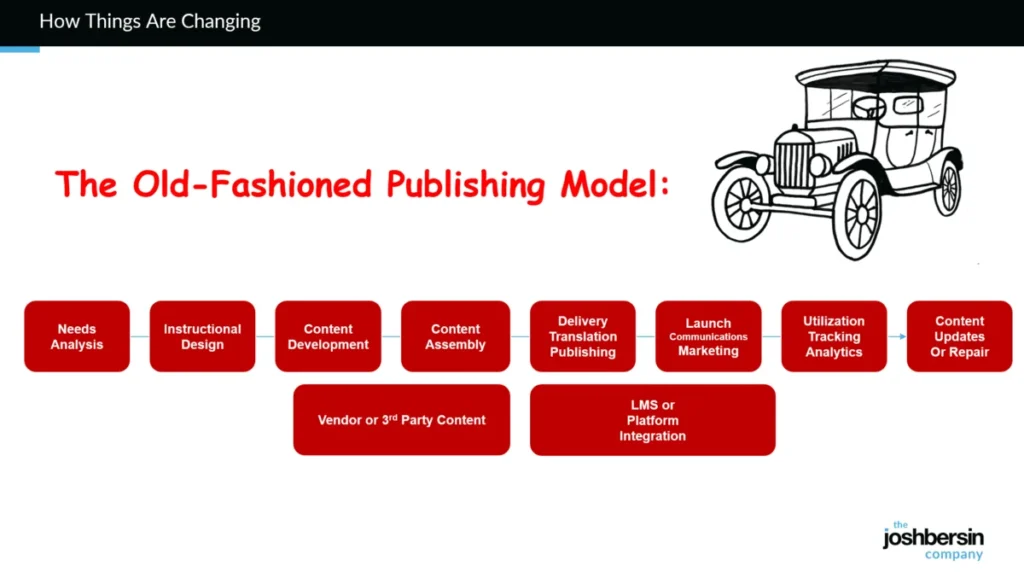
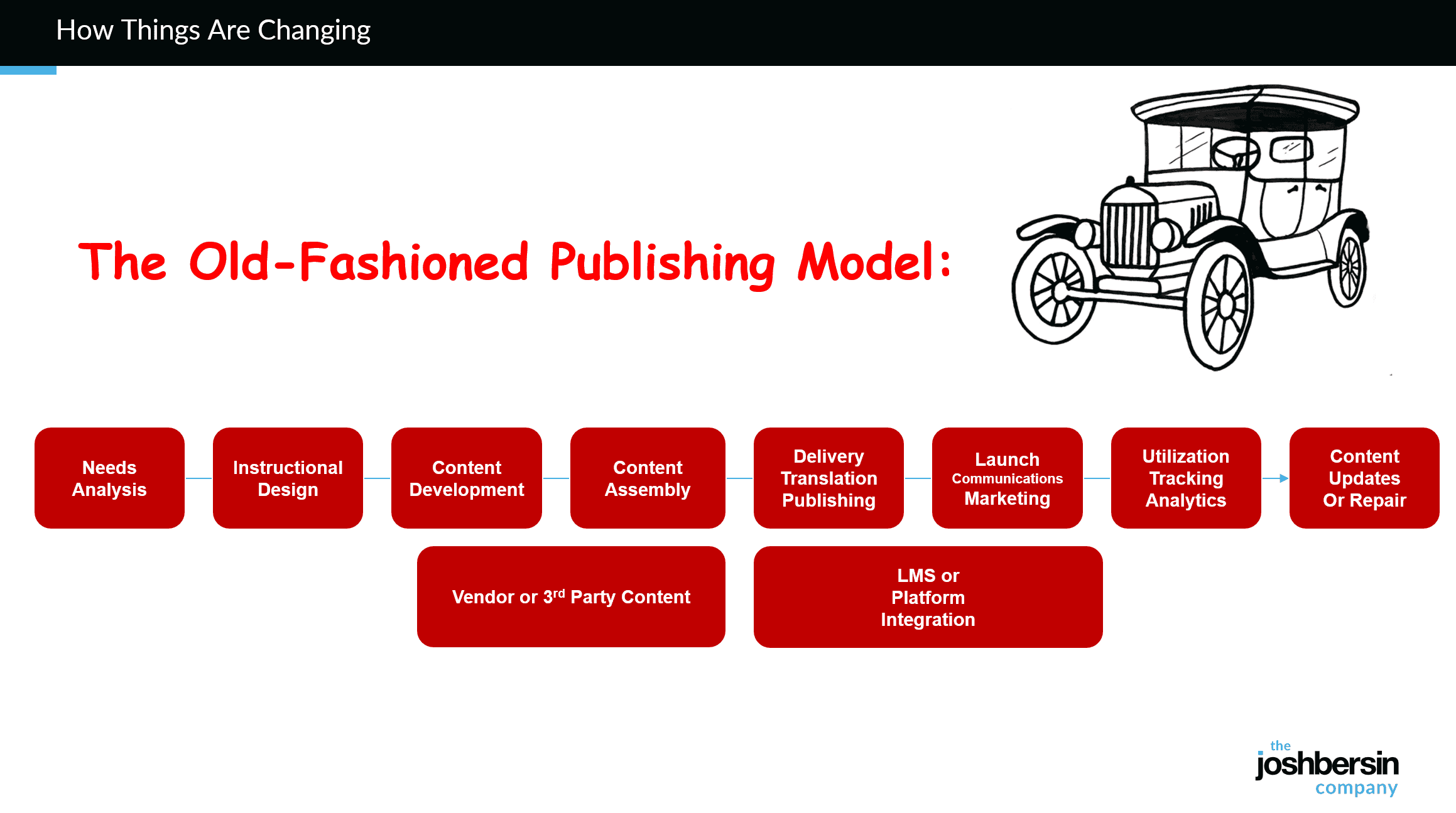
For 30 years, the process of creating a single training course was akin to authoring a book. It involved extensive design, content sourcing, audience targeting, and months of development. Once built, courses required translation, rigorous testing, and publication into LMS platforms, often adhering to the 35-year-old SCORM standard for tracking learner progress. This established workflow, while supporting millions of learning professionals, is proving to be slow, inflexible for updates, and prohibitively expensive. The cost of developing a single high-quality course could easily exceed $50,000, creating significant constraints for content publishers and internal L&D teams who were constantly challenged to demonstrate a tangible return on investment for lengthy development cycles.
The limitations of this traditional approach are starkly evident. The inherent complexity and time-intensive nature of content creation, coupled with ongoing debates among instructional designers about best practices, have historically hampered agility. While platforms like YouTube offer readily accessible knowledge, they lack the structured tracking and corporate governance essential for enterprise learning. This presents a substantial opportunity, with an estimated market exceeding $50 billion poised for disruption by AI-driven solutions.
AI’s Transformative Impact on Learning Experiences
The argument that AI-generated content might be rudimentary, akin to early AI-authored essays, overlooks the rapid advancements in the field. Current AI models are capable of producing high-quality, relevant content with remarkable speed and efficiency. The development and editing process, which once took months, can now be accomplished in days or even hours. Even if an initial AI-generated course is 70% perfect, the remaining time and resources can be efficiently dedicated to refinement.
However, AI’s impact extends far beyond mere content generation. A fundamental shift is occurring from passive consumption of linear course material to interactive, inquiry-based learning. AI-powered learning experiences empower users to "ask questions" directly, receiving immediate and contextualized answers, transforming the learning journey from navigating static chapters to engaging with a dynamic, responsive expert. This personalized approach means that every employee can access a tailored version of the knowledge they need, a capability that traditional SCORM-compliant materials have struggled to deliver.
Furthermore, AI-native learning platforms offer an unprecedented level of interconnectedness. If an employee in a refinery setting needs information on handling sulfur dioxide, a highly poisonous substance, they no longer need to search for a specific "sulfur dioxide safety" course. Instead, they can simply pose their question to the AI system, which can instantly retrieve relevant information from across the entire learning ecosystem. This seamless access to knowledge fundamentally redefines corporate learning, moving beyond traditional "learning" to "enablement." While employees may engage in formal learning during dedicated time, the majority of their workday is spent performing tasks, requiring immediate access to information, tips, advice, and expertise. AI-native learning experiences are exceptionally well-suited to meet these on-demand needs.
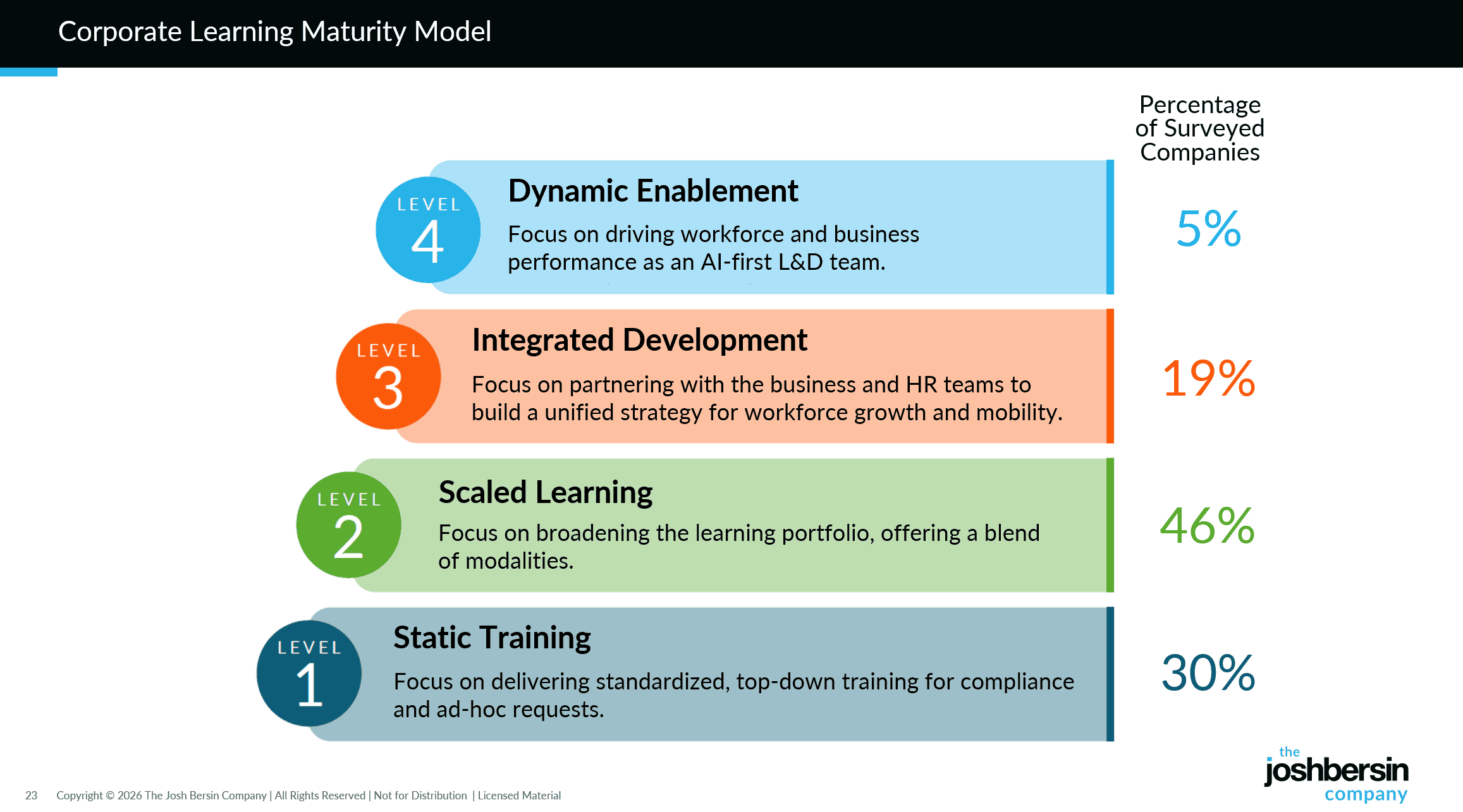
This paradigm shift represents a revolution not just in Learning and Development (L&D) but in business operations overall. L&D departments are likely to undergo significant streamlining, with many roles evolving to become direct business enablers rather than solely HR functions. The reinvention of L&D suggests a future where these departments operate as strategic partners, directly contributing to business outcomes, with the exception of core compliance training. Research indicates that companies operating at advanced stages of learning maturity—characterized by rapid skills development and content generation aligned with business needs—are significantly more innovative and agile.
Cornerstone’s Strategic Response: Workforce AI
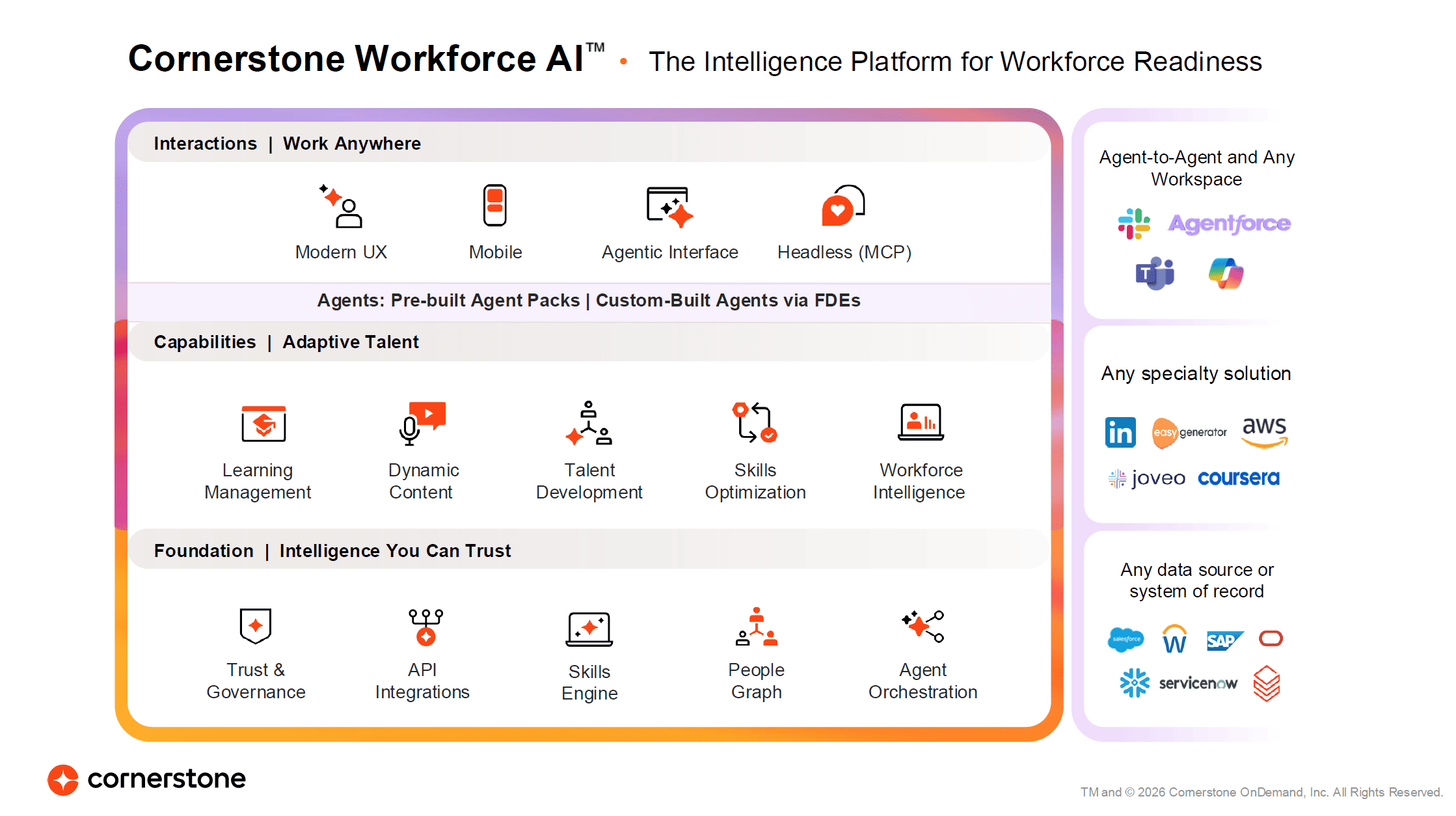
In response to these profound market shifts, Cornerstone has unveiled "Cornerstone Workforce AI," a comprehensive initiative representing a significant reinvention of its product strategy. This ambitious undertaking, spearheaded by AI lead Guna Jayaraman, aims to embed AI capabilities across its platform, addressing the evolving demands of the corporate learning landscape.
The new offering integrates several key components:
- Skills and Capability Inference: AI is employed to analyze employee data and infer existing skills and capabilities, forming the foundation for personalized learning pathways.
- Open "People Graph": This foundational element is designed to ingest data from a wide array of enterprise systems, including HRMS, LMS, project management tools, and employee engagement surveys. This comprehensive data aggregation creates a unified understanding of each employee’s profile, skills, experiences, and career aspirations.
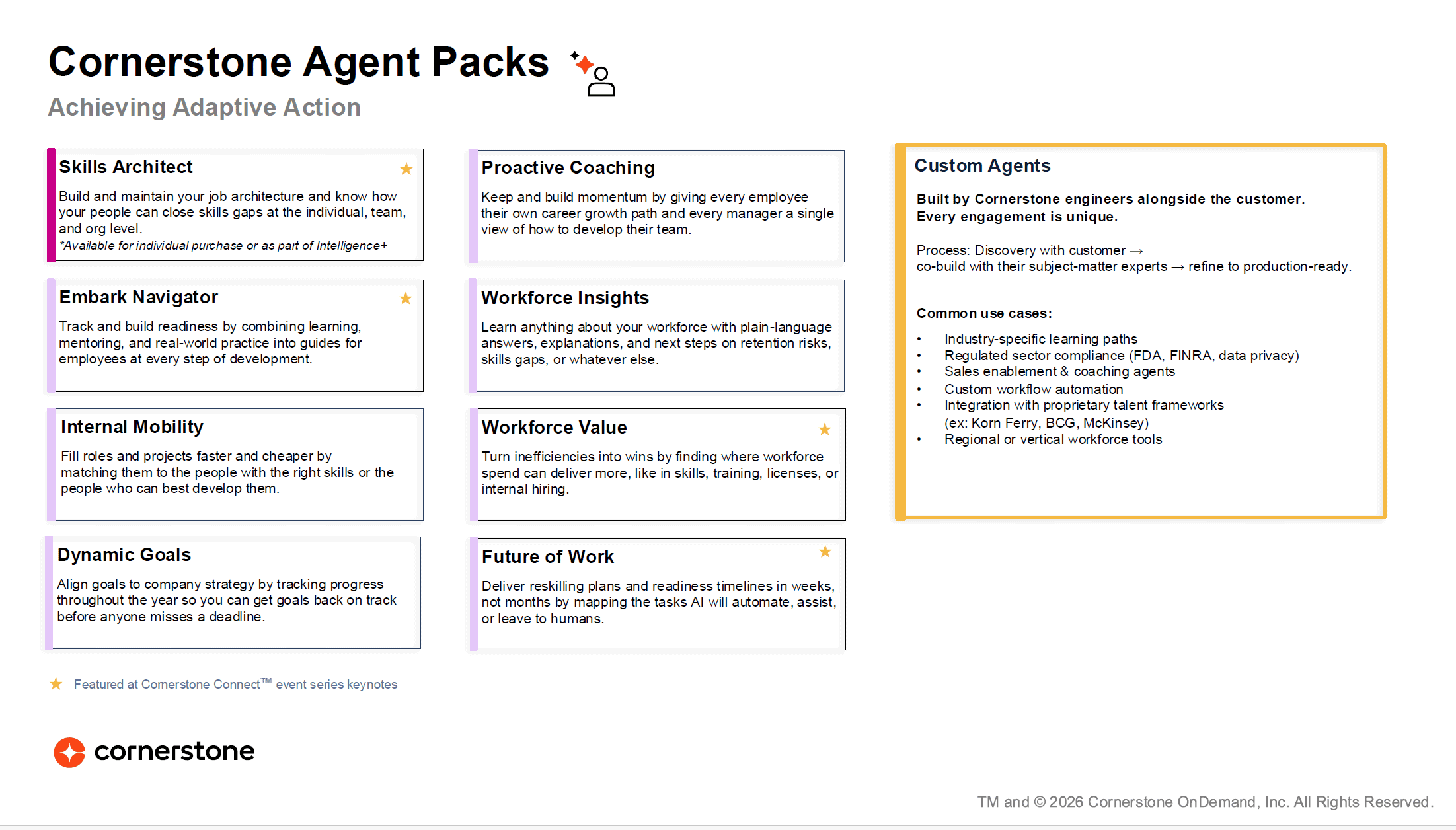
- Data Services and Readiness Agents: Leveraging acquisitions like Skyhive, the platform incorporates labor market data and provides pre-built "Readiness Agents." These agents are designed to address immediate business challenges by delivering targeted information and guidance.
While some functionalities will continue to be supported by Cornerstone’s existing platform, Galaxy, the new Workforce AI offering can be adopted either as a standalone solution or as an upgrade to existing licenses, unlocking the full suite of AI-powered features. Early customer feedback from organizations in wealth management and media, as well as discussions with major enterprises like Cisco, indicate significant potential for Workforce AI to drive transformations in skills development, employee mobility, and risk mitigation by integrating company-specific data.
Cornerstone’s Workforce AI platform, while not yet a fully "AI-Native" solution in the same vein as some newer market entrants like Sana, is rapidly evolving. The company has already introduced an AI content development tool and agents designed to streamline LMS administration and analysis. These AI-native content features are being integrated into both existing and new Cornerstone environments. The currently available packaged Agents, while not yet fully customizable by users, leverage the extensive data and intelligence within the Workforce AI platform to provide targeted support.
Broader Implications and Market Trajectory
The strategic pivot by a market leader like Cornerstone underscores the urgency for all players in the corporate learning technology space to embrace AI. Competitors such as Sana, Docebo, Absorb, Uplimit, and Arist are already offering AI-native learning solutions. Furthermore, major technology companies like OpenAI are actively integrating content from leading educational providers, and organizations like Anthropic are collaborating with businesses to implement AI-driven learning initiatives.
The future of corporate learning appears to be one where every employee has access to an AI agent—akin to Microsoft Copilot—that understands their role, communication patterns, and digital footprint. This agent can then provide highly personalized support, including onboarding plans, performance coaching, and skill development nudges, informed by a comprehensive "People Graph" of the individual’s skills, experiences, and career goals. This evolution marks a departure from traditional, slow-moving interventions such as external coaches and standardized assessments.
The implications for L&D professionals are significant. Budgets are increasingly shifting from traditional learning tools to AI-powered solutions. Leaders who fail to adapt to this AI-native approach risk losing their budgets, seniority, and relevance within their organizations. The question will increasingly become: "Why is this department investing heavily in solutions that are being rapidly superseded by more efficient, AI-driven alternatives?"
Cornerstone’s management acknowledges the challenges of transitioning existing customers while embracing a new technological frontier. However, this move presents a critical opportunity to shape the future of the market. As spending on traditional training solutions declines, the demand for AI-driven learning technologies is expected to surge. While established vendors are emerging, Cornerstone, with its substantial market presence and significant investment in Workforce AI, is well-positioned to capture a substantial share of this evolving market.
For organizations looking to navigate this "revolution in L&D," Cornerstone’s new AI platform offers a powerful foundation for ambitious initiatives. The platform’s capabilities empower businesses to rethink how they enable employees for success in a personalized and dynamic manner. The success of this transition will hinge on Cornerstone’s ability to clearly articulate the value proposition of its AI solutions within the volatile and rapidly changing AI market, ensuring that organizations can readily understand and leverage these transformative capabilities. The path ahead is complex, but the potential for enhanced employee enablement and business agility is immense.