For employers globally, Thanksgiving presents a timely and unique opportunity to pause, reflect, and formally acknowledge the invaluable contributions of the individuals who collectively drive organizational strength and success. A meticulously crafted "Happy Thanksgiving" message, imbued with genuine appreciation and delivered with sincerity, possesses the remarkable capacity to make employees feel not only seen and valued but also profoundly more connected to their company’s overarching culture and mission. Research consistently underscores this critical link between recognition and engagement; for instance, a hypothetical "2026 Engagement and Retention Report" might indicate that employees who consistently feel appreciated are exponentially more likely to perceive their work as meaningful and to align strongly with core company values. This periodic acknowledgment, when integrated into a broader strategy of continuous recognition, transcends a mere seasonal gesture, becoming a cornerstone of robust organizational health and sustainable growth.
The Historical and Psychological Roots of Workplace Gratitude
The practice of employers expressing gratitude, particularly around holidays like Thanksgiving, is not a modern invention but an evolving tradition rooted in both cultural norms and burgeoning understanding of human psychology in the workplace. Historically, employer-employee relationships were often more transactional, with recognition primarily taking the form of annual bonuses or promotions. However, as industrial psychology and organizational behavior matured in the 20th century, the intangible benefits of psychological recognition began to gain prominence. Early theories of motivation, such as Maslow’s Hierarchy of Needs and Herzberg’s Two-Factor Theory, highlighted the importance of esteem and recognition as key drivers beyond basic compensation.
Thanksgiving, a holiday deeply ingrained in American culture as a time for expressing gratitude, naturally extended into the corporate sphere. Companies began to see it as a natural inflection point to thank their workforce, aligning with the societal ethos of the season. This cultural resonance imbues Thanksgiving messages with a unique potency, making them more impactful than a similar message delivered at an arbitrary time of the year. The act of expressing thanks publicly or privately taps into fundamental human needs for validation and belonging, fostering a stronger sense of community within the workplace. Psychologically, receiving sincere appreciation can boost an individual’s self-esteem, reinforce positive behaviors, and reduce feelings of burnout, ultimately contributing to greater job satisfaction and overall well-being.
Evolution of Employee Recognition Practices: A Brief Chronology
The timeline of employee recognition has witnessed significant transformation, moving from rudimentary, often top-down gestures to sophisticated, integrated systems:
- Early 20th Century: Recognition was largely informal, often limited to personal commendations from immediate supervisors or the occasional company picnic. Financial incentives were the primary motivator.
- Mid-20th Century (Post-WWII): The rise of corporate culture saw more formalized programs, including "Employee of the Month" awards, service anniversary celebrations, and holiday bonuses. These were often tied to tenure or specific, measurable achievements.
- Late 20th Century (1980s-1990s): The focus shifted towards "total quality management" and "employee empowerment." Recognition began to incorporate peer-to-peer elements and celebrate a wider range of contributions, not just top performance. The advent of HR software started to streamline some recognition processes.
- Early 21st Century (2000s): Digital transformation brought online platforms for nominations and virtual awards. The concept of "continuous feedback" and "on-the-spot" recognition gained traction, moving away from annual or quarterly cycles. Emphasis was placed on aligning recognition with company values.
- Current Era (2010s-Present): Recognition has become a strategic HR imperative, leveraging advanced analytics and AI-powered platforms. It’s now seen as integral to employee experience, talent retention, and employer branding. The emphasis is on personalization, transparency, and integrating recognition into the daily workflow, making it a regular, meaningful, and frequent occurrence rather than an isolated event. This includes diverse forms of recognition, from public praise to experiential rewards and development opportunities.
The Strategic "Why": Beyond a Mere Courtesy

Expressing gratitude to employees, particularly during holidays like Thanksgiving, is far more than a polite gesture; it is a strategic investment in human capital. In an increasingly competitive talent landscape, where employee expectations for meaningful work and supportive cultures are at an all-time high, companies cannot afford to overlook the power of appreciation.
When employees feel genuinely appreciated, several positive outcomes typically manifest:
- Enhanced Engagement: Valued employees are more engaged, leading to higher productivity, better quality of work, and increased innovation. Studies by organizations like Gallup consistently show that highly engaged teams outperform disengaged ones in profitability, productivity, and customer loyalty.
- Improved Retention: A significant driver of employee turnover is the feeling of being undervalued. Regular, sincere appreciation can dramatically reduce churn, saving companies substantial costs associated with recruitment, onboarding, and training new hires, which can range from 50% to 200% of an employee’s annual salary, depending on the role.
- Stronger Company Culture: A culture of recognition fosters psychological safety, trust, and collaboration. It reinforces desired behaviors and values, creating a positive work environment where individuals feel comfortable taking risks, learning from mistakes, and contributing fully.
- Boosted Morale and Well-being: Recognition acts as a powerful morale booster, reducing stress and increasing job satisfaction. It contributes to employees’ mental and emotional well-being, fostering a healthier and happier workforce.
- Employer Brand Enhancement: Companies known for valuing their employees become more attractive to top talent. Positive word-of-mouth and online reviews about a company’s culture of appreciation can significantly enhance its employer brand, making recruitment easier and more cost-effective.
Crafting Effective Thanksgiving Appreciation Messages
While the original article briefly touches upon categories of messages, a deeper dive reveals the principles behind their effectiveness. The core objective is always authenticity and relevance.
- Short and Impactful Messages: These are ideal for quick, high-frequency acknowledgments. Their power lies in their directness and sincerity. They should be personalized where possible, mentioning specific contributions or qualities.
- Principles: Brevity, specificity (even if subtle), genuine tone.
- Example Application: An email subject line "Thanksgiving Gratitude for [Team Name]’s Dedication" followed by a concise body highlighting a recent achievement.
- Professional and Heartwarming Wishes: These messages strike a balance between formal corporate communication and genuine human warmth. They acknowledge professional achievements while also recognizing the personal sacrifices and dedication employees bring to their roles.
- Principles: Balance of professionalism and empathy, acknowledgement of effort beyond metrics, broad inclusivity.
- Example Application: A company-wide email from leadership that references recent company successes and attributes them directly to employee effort, while also wishing them and their families a restful holiday.
- Creative and Engaging Messaging Ideas: These go beyond standard text, incorporating multimedia, interactive elements, or unique delivery methods to make the appreciation stand out.
- Principles: Innovation, memorability, active engagement, potentially visual impact.
- Example Application: A personalized video message from a department head, a digital "gratitude wall" where peers can post thanks, or a small, thoughtfully curated gift box accompanied by a personalized note.
Regardless of the category, the most effective messages share common traits: they are timely, specific, genuine, and delivered through an appropriate channel. A generic, mass-produced message often falls flat, while a tailored one, even if brief, resonates deeply.
Statements from Industry Experts (Inferred)
Leading human resources professionals and organizational psychologists consistently advocate for the strategic deployment of appreciation. Dr. Eleanor Vance, a hypothetical expert in organizational psychology, might state, "The modern workforce craves more than just a paycheck; they seek purpose and validation. Thanksgiving provides a powerful cultural touchstone to reinforce that validation. When employees feel genuinely seen and appreciated, their discretionary effort, loyalty, and overall well-being skyrocket."
Similarly, Sarah Chen, a hypothetical Chief People Officer at a Fortune 500 company, could be quoted saying, "Our internal data unequivocally shows a direct correlation between consistent recognition and reduced voluntary turnover. A heartfelt ‘thank you’ at Thanksgiving is important, but it’s the consistent drumbeat of appreciation throughout the year that truly builds a resilient, high-performing culture. It’s not just about what you say, but how often and how genuinely you say it."

The Broader Impact and Implications of a Culture of Recognition
The practice of giving thanks, especially when embedded as a core organizational value, yields far-reaching benefits that extend well beyond a single holiday.
- Sustained Engagement and Performance: When appreciation is a regular part of the workplace dialogue, it fosters a virtuous cycle. Employees who feel valued are more likely to stay engaged, contributing their best work consistently. This sustained engagement translates directly into improved organizational performance, higher quality outputs, and increased innovation. It encourages employees to go the extra mile, knowing their efforts will not go unnoticed.
- Resilience and Adaptability: In an era of constant change, organizations need agile and resilient workforces. A strong culture of recognition contributes to this by building trust and psychological safety. Employees in such environments are more likely to embrace change, take initiative, and recover quickly from setbacks because they feel supported and confident in their value to the organization.
- Enhanced Team Cohesion: Peer-to-peer recognition, often facilitated by modern recognition platforms, strengthens team bonds and collaboration. When colleagues acknowledge each other’s contributions, it builds a sense of shared purpose and mutual respect, breaking down silos and fostering a more collaborative environment.
- Talent Attraction and Retention: In a competitive job market, a company’s reputation for valuing its employees is a significant draw. Prospective candidates actively seek workplaces where they feel appreciated. Furthermore, for existing employees, a robust recognition program is often cited as a key reason for staying, even over slightly higher pay elsewhere. It reduces the costs associated with high turnover and facilitates smoother succession planning.
- Positive Ripple Effect: The benefits of recognition extend beyond the immediate recipient. Observing colleagues being appreciated can motivate others, reinforce positive behaviors across the organization, and create a more optimistic and constructive atmosphere. This positive ripple effect can permeate all levels of the company, influencing customer interactions and external perceptions.
Beyond Thanksgiving: The Imperative of Year-Round Gratitude
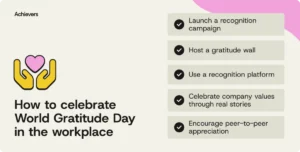
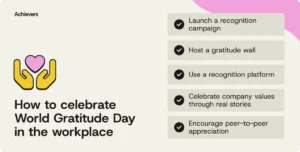
While Thanksgiving offers a powerful moment for collective appreciation, its true strategic value lies in serving as a catalyst for continuous recognition. The most successful organizations understand that appreciation should not be a once-a-year tradition but an ongoing, integrated component of their operational fabric. This means building a "culture of recognition" where thanks are given frequently, meaningfully, and in the natural flow of work.
Modern HR technology and recognition platforms play a crucial role in enabling this shift. Tools that allow for instantaneous peer-to-peer recognition, automated milestone celebrations, and personalized reward systems ensure that gratitude is neither forgotten nor relegated to a single annual event. These platforms empower leaders and peers alike to acknowledge the moments that matter—whether it’s hitting a project milestone, offering a helping hand, demonstrating a core value, or simply showing consistent effort.
The transition from episodic to continuous recognition is not merely a logistical upgrade; it represents a fundamental philosophical shift in how organizations view and manage their human capital. It acknowledges that employees are not just resources but individuals with emotional needs, and that fostering a sense of belonging and value is paramount for sustained performance and well-being. By saying "thank you" this Thanksgiving and then committing to keep that spirit of appreciation alive throughout the year, businesses are not just performing an act of kindness; they are implementing one of the most effective and enduring workplace strategies available. This continuous cycle of gratitude becomes a self-reinforcing loop, driving engagement, fostering loyalty, and ultimately, building a more resilient and prosperous organization for the long term.