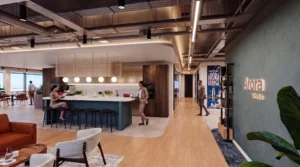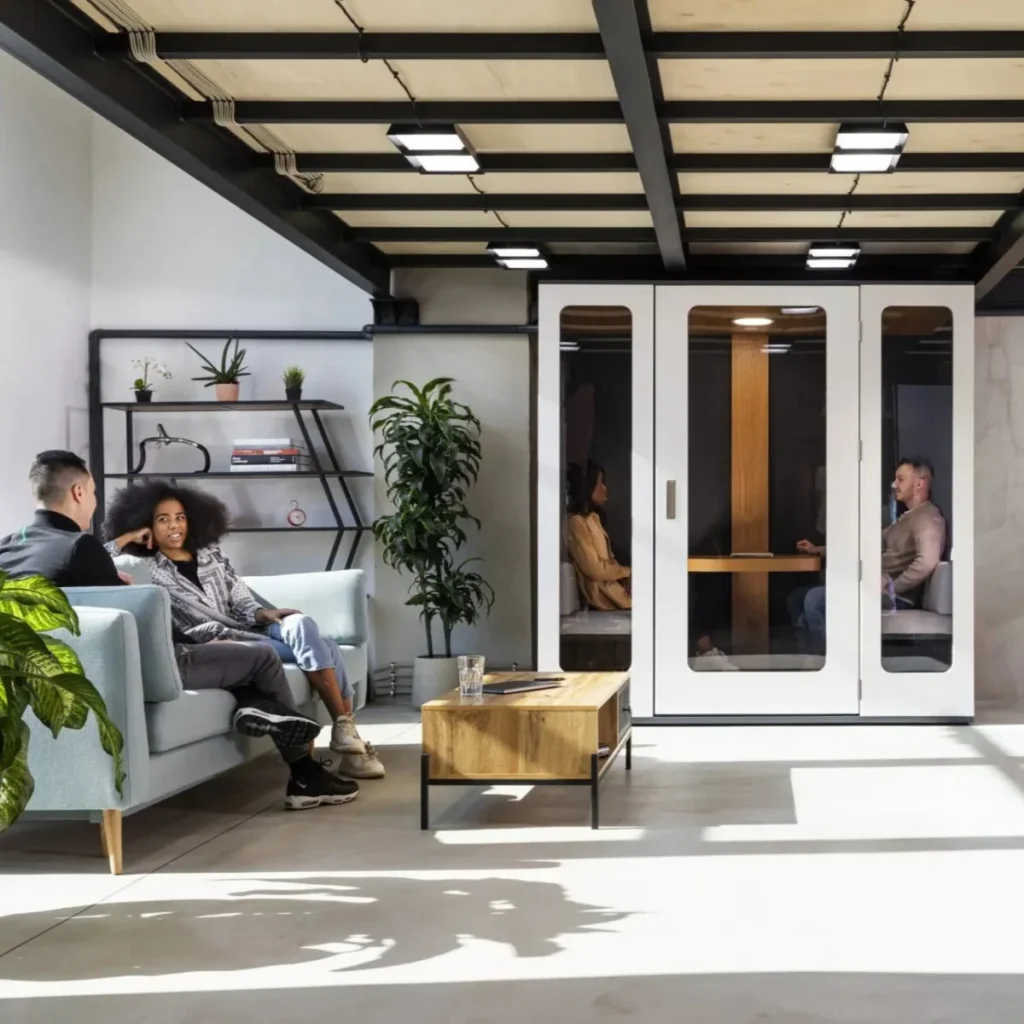
The modern office is experiencing a significant resurgence in attendance, with a growing number of employees embracing the hybrid work model. This shift necessitates a reevaluation of office space utilization, prompting organizations to consider how to best accommodate the varied needs of their workforce. Acoustic office pods, such as those designed by MEAVO, are emerging as a flexible and effective solution, offering dedicated private spaces for a range of work activities and thereby optimizing the use of valuable office real estate.
The Resurgence of Office Attendance and the Hybrid Model
Recent data underscores a clear trend: employees are returning to the office with greater frequency and predictability. JLL’s Global Occupancy Planning Benchmark Report for 2026 reveals a substantial increase in employees commuting to the office three to four days a week, rising to 55% – a jump of 19 percentage points in just one year. Concurrently, 62% of organizations have implemented a fixed number of office days, contributing to a global office utilization rate of 56%, nearing pre-pandemic levels. This trend is mirrored by CBRE’s 2026 Global Workplace and Occupancy Insights, which indicates average peak utilization reaching an impressive 80%. These figures paint an encouraging picture for the future of the office, signifying a deliberate choice by employees to engage in collaborative and productive in-person work.
This renewed engagement, however, presents a practical challenge: how can organizations effectively accommodate everyone on days when office attendance is at its peak? The solution, as it turns out, lies not necessarily in expanding physical footprints, but in optimizing the existing mix of spaces to align with the diverse activities that constitute the modern workday.
Reimagining Office Space: Matching Functionality to Purpose
The advent of widespread hybrid work has fundamentally reshaped the daily office experience. Video conferencing, once a supplementary tool, is now an integral part of nearly every role, often involving one or two individuals in the office connecting with remote colleagues. These interactions, alongside quick one-to-one conversations, informal check-ins, and periods of deep, focused work, all demand a quiet and private environment. Without adequate designated spaces, these activities naturally gravitate towards larger, often overbooked, meeting rooms, thus consuming valuable resources needed for larger-scale collaborative efforts.
Providing spaces tailored to specific needs offers a dual benefit. For individuals, it ensures a comfortable and private setting for essential communication and concentration, free from the distractions of an open-plan office. For teams, it offers dedicated areas for informal huddles and focused discussions. Crucially, it liberates larger meeting rooms, allowing them to be reserved for their intended purposes: workshops, intensive team sessions, and client meetings – the very activities that justify the commute and foster organizational cohesion.
The Evolution of Acoustic Pods: A Booth for Every Need
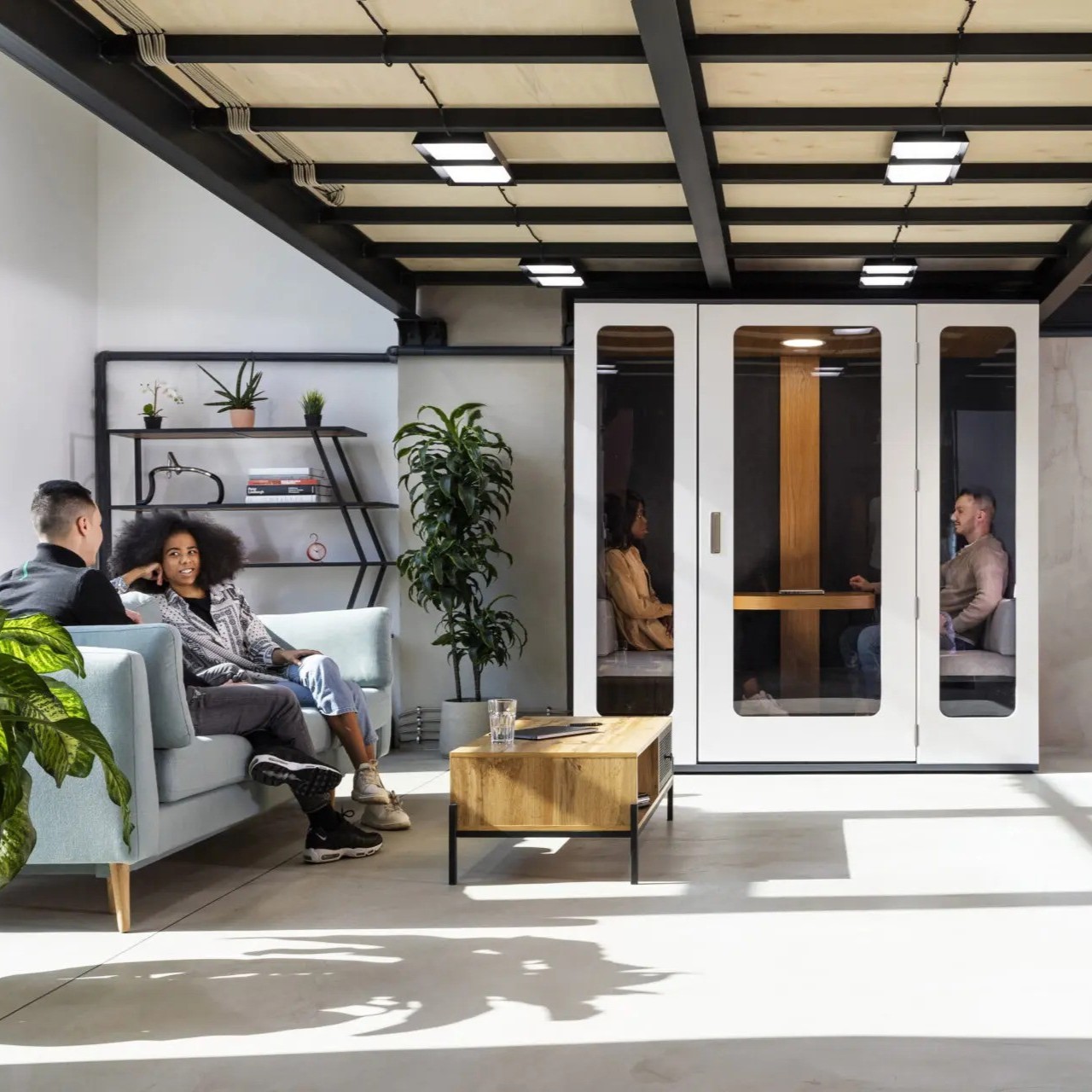
The contemporary market offers a diverse array of acoustic pods and booths, empowering organizations to curate a workspace that accurately reflects their employees’ working patterns. These modular solutions are designed to cater to a spectrum of requirements, ensuring that every type of work has an appropriate setting.
Single-Person Phone Booths: The Epitome of Private Communication
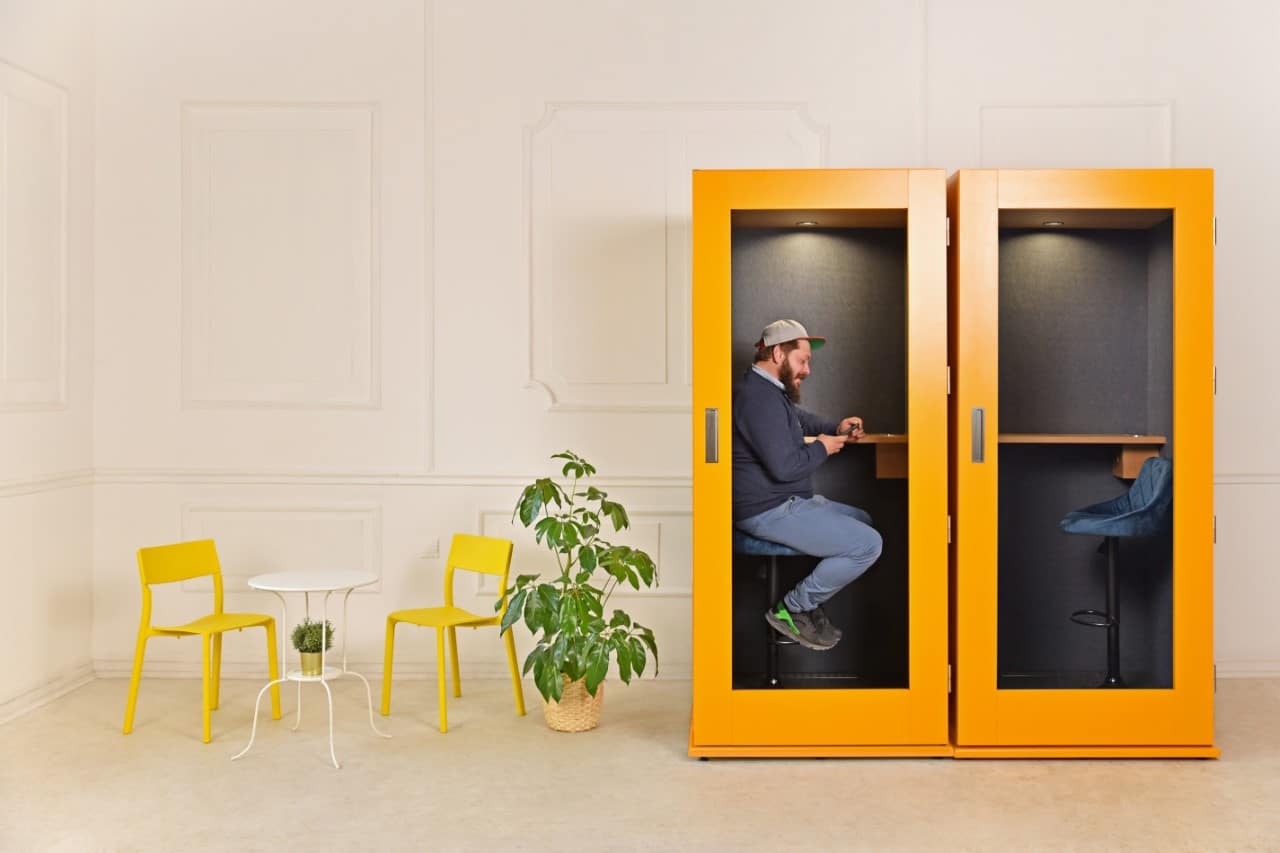
Designed specifically for individual calls and video meetings, single-person phone booths are a compact and acoustically shielded sanctuary. Their primary function is to provide a quiet, private space for conversations, ensuring that employees can communicate without disturbing their colleagues or inadvertently broadcasting sensitive information. This seemingly simple addition addresses a significant pain point in open-plan environments where uninterrupted calls are often a challenge.
Meeting Pods for Small Teams: Facilitating Collaboration and Connection
For smaller team interactions, meeting pods designed to accommodate up to four people have become indispensable. These pods offer a dedicated space for quick huddles, brainstorming sessions, and hybrid meetings. Equipped with seating, a table, and integrated technology for seamless video conferencing, they provide a more intimate and efficient setting for these interactions than a large, underutilized meeting room.
A Flexible Toolkit for the Modern Office
When combined, these various types of pods and booths form a highly adaptable toolkit for office design. A floor plan might strategically incorporate several single-person phone booths near high-traffic desk areas, a couple of focus booths in quieter zones for deep work, and a few meeting pods situated close to team neighborhoods. Each unit is intentionally sized to match the specific task it is intended to support, maximizing efficiency and minimizing wasted space.
Maximizing Office Investment: The Economic and Practical Advantages of Pods
Office space represents one of the most substantial investments an organization makes. Every square foot incurs significant costs, including rent, business rates, service charges, energy consumption, and ongoing fit-out expenses. Lambert Smith Hampton’s Total Office Cost Survey, which meticulously tracks occupancy costs across numerous UK locations and cost metrics, uses 100 square feet as a benchmark for a single workstation. In stark contrast, a single-person phone booth occupies little more than a square meter – approximately one-tenth of that benchmarked space.
This remarkably small footprint yields disproportionately large benefits. By relocating individual calls and small team discussions into dedicated booths and pods, larger meeting rooms are freed up for their intended collaborative functions. This effectively increases meeting capacity without requiring any additional floor space. For organizations contemplating expansion or lease negotiations, this capability can be transformative, enabling them to accommodate more personnel and a greater volume of activity within their existing premises.
Furthermore, the inherent flexibility of booths and pods far surpasses that of built-in rooms. As freestanding units, they can be swiftly installed without the need for disruptive partitions or extensive construction work. They can be easily repositioned as teams evolve or organizational structures change, and crucially, they can be relocated to a new office space when a lease expires. This represents a smart and sustainable approach to investing in adaptable workspace solutions that retain their value over time.
From a financial perspective, the savings are tangible. Creating meeting capacity through the strategic deployment of booths and pods, rather than constructing new rooms or acquiring additional space, circumvents the considerable costs associated with construction, supplementary rent, and the ongoing rates and service charges that accompany every extra square foot. Moreover, the ability to relocate these units ensures that the initial investment continues to yield returns across future office moves. For many organizations, acoustic phone booths are not merely a more effective way to utilize space; they are a demonstrably more cost-effective one.
Strategic Implementation: Getting Started with Acoustic Pods
The most successful implementations of acoustic pod solutions begin with a thorough understanding of current office usage patterns. A structured approach can ensure that the investment yields the maximum benefit.
Understanding Meeting Room Dynamics
The initial step involves meticulously analyzing how meeting rooms are currently booked and utilized. Over a period of several weeks, organizations should observe the typical number of attendees per meeting and the frequency with which rooms are booked for solo calls or small, informal conversations. This data provides a clear picture of existing space misalignments.
Planning for Peak Demand
When designing a new office layout or retrofitting an existing one, it is crucial to plan for the busiest days. If office attendance consistently peaks midweek, the spatial configuration should be optimized around these high-demand periods, rather than relying on average weekly attendance figures, which can be misleading.
Piloting for Success
A pragmatic approach involves initiating a pilot program. Introducing a curated mix of phone booths and meeting pods in popular and high-traffic areas allows for real-world testing. Subsequently, tracking their usage patterns and actively soliciting feedback from employees about their experience is essential for refining the deployment strategy.
Iterative Improvement and Refinement
The insights gleaned from the pilot phase should inform subsequent decisions. This iterative process allows for adjustments to the mix and placement of pods to best suit the evolving needs of the workforce. Furthermore, consideration should be given to how the newly freed-up larger meeting rooms can be reimagined and repurposed as dedicated collaboration zones or flexible work areas.
The quality of the chosen acoustic pods is paramount to their success. Selecting units with verified acoustic performance, efficient and quiet ventilation systems, and adequate lighting ensures that these spaces become genuinely desirable and comfortable for employees to use. This focus on user experience is key to driving adoption and maximizing the benefits.
The Future of the Office: Flexibility and Value
Acoustic phone booths and meeting pods offer a straightforward and elegant solution to a fundamental design challenge in the hybrid office: ensuring that every type of work activity has an appropriate and conducive setting. By creating dedicated, private spaces for individual calls, focused work, and small team discussions, these solutions liberate valuable meeting rooms for collaborative endeavors. They introduce an element of calm and order to the open-plan environment and, most importantly, empower every square foot of office space to deliver greater value. As offices continue to evolve and become more purposeful hubs for connection and collaboration, the flexibility and efficiency offered by acoustic pods are precisely what organizations need to thrive in the modern working landscape. The investment in these modular solutions represents a forward-thinking strategy that aligns workspace design with the dynamic realities of contemporary work, promising a more adaptable, productive, and cost-effective future for the office.