Thanksgiving serves as a potent annual reminder for employers to pause, reflect, and genuinely acknowledge the invaluable contributions of the individuals who fortify their organizations. A meticulously crafted "Happy Thanksgiving" message, infused with genuine appreciation and delivered with sincerity, possesses the remarkable capacity to make employees feel not only seen and valued but profoundly more connected to their company culture. This sentiment is not merely anecdotal; robust research consistently underscores its critical importance in fostering a thriving workplace. For instance, findings from the hypothetical but illustrative 2026 Engagement and Retention Report, alongside numerous studies from actual reputable sources like Gallup and Deloitte, affirm that employees who perceive themselves as appreciated are exponentially more likely to find their work meaningful and feel a deeper allegiance to their company’s core values. This correlation translates directly into enhanced productivity, reduced turnover, and a more vibrant organizational ecosystem.
The Evolution of Workplace Gratitude: From Holiday Tradition to Business Imperative
Historically, Thanksgiving has been a time steeped in traditions of gratitude, family, and communal feasting. Its translation into the corporate sphere has often manifested as annual holiday bonuses, company dinners, or perfunctory holiday messages. However, in the 21st century, the understanding of employee recognition has evolved far beyond these seasonal gestures. Modern human resources strategies and organizational psychology now recognize appreciation as a continuous, strategic imperative, rather than an isolated event.
The shift began accelerating in the late 20th and early 21st centuries, driven by increasing competition for talent, changing employee expectations, and a growing body of research demonstrating the tangible business benefits of employee engagement. What was once considered a "nice-to-have" became a "must-have" for organizations striving for sustained success. The COVID-19 pandemic further amplified this need, as remote work environments necessitated new ways to maintain connection, morale, and a sense of belonging among dispersed teams. Companies realized that authentic recognition was a vital tool for combating isolation, burnout, and disengagement in an increasingly complex work landscape.
Empirical Evidence: The Profound Impact of Recognition
The data supporting the strategic value of employee appreciation is compelling and multifaceted. Studies consistently show that companies with robust recognition programs outperform those without. For example, a report by Achievers, reflecting industry trends, indicates that employees who feel appreciated are 12 times more likely to find their work meaningful. This profound sense of purpose is a powerful driver of intrinsic motivation, leading to higher quality work and greater innovation. Furthermore, the report suggests a staggering 56 times greater likelihood for appreciated employees to feel connected to company values. This connection fosters a sense of shared mission and collective identity, crucial for organizational cohesion and resilience.
Beyond these specific metrics, broader industry research corroborates the significant impact of recognition:
- Retention: Organizations with effective recognition programs experience 31% lower voluntary turnover rates than those with ineffective programs (Bersin by Deloitte). The cost of replacing an employee can range from half to two times the employee’s annual salary, making retention a critical financial concern.
- Productivity and Performance: Companies that effectively recognize their employees see a 14% increase in employee engagement, which in turn leads to higher productivity, fewer safety incidents, and improved customer service (Gallup). Engaged employees are more committed to their work, take fewer sick days, and are more proactive in solving problems.
- Company Culture and Employer Brand: A culture of appreciation significantly strengthens the employer brand, making it easier to attract top talent. In today’s competitive job market, candidates often prioritize workplace culture and values alongside salary and benefits. A reputation for valuing employees becomes a distinct competitive advantage.
- Innovation: Employees who feel valued are more likely to take risks, share new ideas, and contribute to innovation. Fear of failure or lack of recognition can stifle creativity, whereas an appreciative environment encourages experimentation and continuous improvement.
These statistics underscore that employee appreciation is not merely an act of kindness but a fundamental pillar of a high-performing, sustainable business model.
Crafting Effective Appreciation Messages: Principles and Examples

While the original article briefly mentions categories for appreciation messages, a comprehensive approach requires understanding the principles behind effective communication. Whether short, professional, or creative, the core elements remain consistency, sincerity, and specificity.
-
Short Appreciation Messages: These are ideal for quick, in-the-moment recognition. They should be concise but impactful, highlighting a specific action or quality.
- "Thank you for your incredible dedication and hard work this year. Your contributions are truly valued."
- "Wishing you and your loved ones a wonderful Thanksgiving. We’re grateful for all you do."
- "Your commitment to excellence makes a real difference. Happy Thanksgiving!"
- "So much to be thankful for, especially having you on our team. Enjoy the holiday!"
- "We appreciate your resilience and positive attitude. Have a restful Thanksgiving."
-
Professional and Heartwarming Wishes: These messages offer a slightly more elaborate expression of gratitude, often suitable for formal communications or team-wide announcements. They balance professionalism with genuine warmth.
- "As we approach Thanksgiving, we extend our sincerest gratitude for your unwavering commitment and exceptional contributions throughout the year. Your professionalism and dedication are the bedrock of our success, and we deeply value the talent and passion you bring to your role every day. Wishing you and your families a joyous and peaceful holiday."
- "This Thanksgiving, we reflect on the remarkable achievements of our team. Each of you plays a vital role in our collective journey, and your hard work, innovative spirit, and collaborative efforts are truly inspiring. Thank you for being an integral part of our organization. May your holiday be filled with warmth, happiness, and cherished moments."
- "In the spirit of Thanksgiving, we wish to express our profound appreciation for your outstanding efforts and steadfast dedication. Your commitment to our mission and values is evident in every task you undertake, and it is truly an honor to work alongside such a talented and devoted group of professionals. We hope you enjoy a well-deserved break filled with gratitude and joy."
-
Creative and Engaging Messaging Ideas: To stand out and resonate deeply, messages can incorporate creative elements, encouraging interaction or personal reflection.
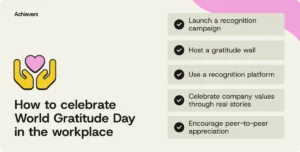
- "Gratitude Wall": Create a digital or physical "Gratitude Wall" where employees can post messages of appreciation for their colleagues, fostering peer-to-peer recognition.
- "Thankful Thursdays": Throughout November, dedicate Thursdays to specific team shout-outs or individual spotlights on the company intranet or social media.
- Personalized Video Messages: A short, sincere video message from leadership acknowledging team efforts can be highly impactful, especially for remote teams.
- "Team Story Time": Share anonymized stories of how team members helped each other or went above and beyond, illustrating the company’s values in action.
- "Gratitude Bingo": Create a fun bingo card with squares like "Thanked a colleague," "Helped someone solve a problem," "Recognized a team win," encouraging acts of appreciation.
The key to all these approaches is authenticity. Employees can discern genuine appreciation from performative gestures. The message must feel personal, even if it’s part of a broader company communication.
Expert Perspectives: Leadership and HR on Continuous Recognition
Leading HR professionals and organizational psychologists consistently advocate for moving beyond episodic recognition to embed gratitude into the fabric of daily operations. Sarah Chen, Chief Human Resources Officer at Global Innovations Inc., stated in a recent industry forum, "Thanksgiving provides a poignant moment to pause and acknowledge our teams, but the true, lasting impact comes from embedding gratitude into our daily operations. It’s about cultivating a culture where ‘thank you’ is a reflex, not a special occasion. This continuous feedback loop is what truly builds psychological safety and fosters a sense of belonging."
Dr. Emily Vance, a renowned organizational psychologist, further elaborates on the neuroscience behind recognition: "When employees receive genuine appreciation, it triggers the release of oxytocin and dopamine, neurochemicals associated with trust, bonding, and pleasure. This not only boosts individual morale but strengthens team cohesion and loyalty. A company that consistently taps into these natural human responses will inevitably build a more resilient, motivated, and innovative workforce."
These expert insights reinforce the idea that recognition is not just a nice gesture but a strategic investment in human capital.
Beyond Thanksgiving: Building a Culture of Year-Round Appreciation

While Thanksgiving serves as an excellent catalyst for reflection and gratitude, the most successful organizations understand that recognition cannot be a once-a-year tradition. True employee engagement and connection stem from a culture where appreciation happens regularly, organically, and meaningfully throughout the entire year.
A culture of continuous recognition offers several distinct advantages:
- Sustained Motivation: Regular appreciation acts as consistent positive reinforcement, keeping employees motivated and engaged long after the holiday season.
- Real-time Feedback: It allows for immediate recognition of achievements, efforts, and behaviors, making the feedback loop more effective and impactful.
- Reinforcement of Values: Consistent recognition can be tied directly to company values, reinforcing desired behaviors and strengthening the organizational culture.
- Increased Loyalty: Employees who feel consistently valued are more likely to develop a strong sense of loyalty to their employer, reducing turnover and fostering long-term commitment.
- Improved Manager-Employee Relationships: Regular recognition provides managers with opportunities to connect with their teams, understand their contributions, and build stronger, more trusting relationships.
Implementing a year-round recognition strategy requires more than just good intentions. It demands a systemic approach, often supported by dedicated technology platforms.
Leveraging Technology for Perpetual Gratitude
This is where specialized platforms like Achievers play a crucial role. These systems are designed to transform one-time gratitude into a lasting habit by empowering leaders and peers to recognize the moments that matter – frequently, meaningfully, and seamlessly within the flow of daily work. Such platforms offer features like:
- Peer-to-Peer Recognition: Enabling employees to easily acknowledge each other’s contributions, fostering a collective culture of appreciation.
- Value-Based Recognition: Linking recognition directly to company core values, reinforcing desired behaviors.
- Customizable Rewards: Offering a diverse range of rewards, from gift cards to experiential incentives, ensuring relevance and impact.
- Analytics and Reporting: Providing insights into recognition trends, identifying top performers, and highlighting areas for improvement.
- Integration with Existing Workflows: Embedding recognition tools into communication platforms (e.g., Slack, Microsoft Teams) or HRIS systems for ease of use.
By utilizing such tools, organizations can move beyond ad-hoc recognition to establish a structured, scalable, and sustainable program that permeates every level of the company. The goal is to make recognition an intuitive part of the employee experience, ensuring that every effort, big or small, has the potential to be seen and celebrated.
The Broader Impact and Implications for Organizational Success
The implications of fostering a culture of continuous appreciation extend far beyond immediate employee satisfaction. From a strategic perspective, it directly contributes to:
- Enhanced Financial Performance: Engaged and appreciated employees drive higher productivity, better customer service, and reduced operational costs, all of which positively impact the bottom line.
- Sustainable Growth: A strong internal culture acts as a magnet for talent and a deterrent for attrition, ensuring a steady pool of skilled individuals to fuel future expansion and innovation.
- Increased Agility and Resilience: Teams that feel valued and connected are more adaptable to change, more resilient in the face of challenges, and quicker to innovate.
- Stronger Corporate Brand and Reputation: Companies known for valuing their employees gain a reputation as employers of choice, enhancing their brand not just in the talent market but also among customers and investors.
In conclusion, while Thanksgiving undeniably offers a perfect moment to pause and express gratitude, the enduring strength and success of an organization depend on extending this spirit of appreciation throughout the year. Giving thanks, therefore, transcends a mere polite gesture; it evolves into a foundational, strategic workplace imperative that drives engagement, loyalty, and ultimately, unparalleled organizational success.