The Occupational Safety and Health Administration (OSHA) has issued critical new guidance aimed at equipping American workplaces to recognize and respond effectively to opioid overdoses, particularly those involving the potent synthetic opioid, fentanyl. This landmark directive, published on September 25, 2026, forms a central pillar of the Trump Administration’s broader "Great American Recovery Initiative," a comprehensive federal effort dedicated to tackling the nation’s escalating addiction crisis through enhanced treatment and recovery strategies. The guidance underscores the severe and growing threat fentanyl poses to the American workforce, advocating for proactive measures that transform workplaces into vital fronts in the fight against overdose fatalities.
White House Drug Czar Sara Carter emphasized the urgency of the new guidance, stating, "Because fentanyl has infiltrated the illicit drug landscape and acts as a chemical weapon against our people, it is critically important that the American workforce is familiar with drug overdose recognition and reversal." Carter commended the Department of Labor for its instrumental role in disseminating crucial information to employers and workers regarding life-saving overdose reversal treatments, specifically highlighting medications like naloxone. The initiative reflects a heightened governmental recognition of the workplace as a critical environment susceptible to the impacts of the opioid epidemic and a key setting for intervention.
The detailed fact sheet provided by OSHA outlines several preparedness strategies designed to empower employers and employees. These include the strategic placement and maintenance of overdose reversal medications such as naloxone or nalmefene, treating these kits with the same priority and accessibility as traditional first aid supplies. Furthermore, the guidance stresses the importance of educating all workers to accurately identify the symptoms of an opioid overdose and providing comprehensive training to designated personnel on the safe and effective administration of these life-saving medications. This holistic approach aims to create a more resilient and responsive workplace environment, capable of mitigating the immediate dangers of opioid misuse.
The Genesis of the Guidance: Great American Recovery Initiative and the Fentanyl Threat
The OSHA guidance arrives at a crucial juncture in the ongoing national struggle against the opioid epidemic. The Trump Administration formally launched the Great American Recovery Initiative in January 2026, articulating a renewed and intensified federal commitment to combating addiction across multiple fronts. This initiative builds upon years of governmental efforts to expand access to treatment, enhance prevention programs, and support recovery services, now extending its reach directly into the nation’s workplaces. The inclusion of a robust workplace preparedness component signals a critical evolution in the federal strategy, acknowledging that the crisis has permeated all sectors of society.
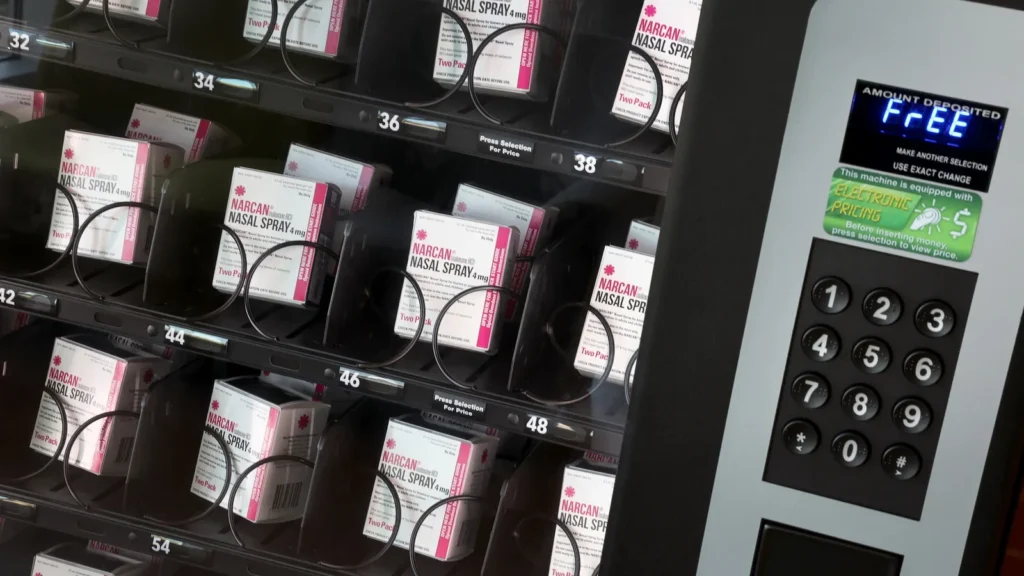
The escalating threat of fentanyl is a primary driver behind this focused guidance. Fentanyl, a synthetic opioid estimated to be 50 to 100 times more potent than morphine, has become the leading cause of overdose fatalities in the United States. Its illicit production and widespread presence in the drug supply, often clandestinely mixed into other substances like heroin, cocaine, or counterfeit pills without the user’s knowledge, dramatically increase the risk of accidental overdose. This extreme potency means even minuscule amounts can be lethal, necessitating immediate intervention with opioid antagonists like naloxone. The image of Narcan nasal spray, a common form of naloxone, made available for free in public vending machines, such as the one observed in Wheaton, Illinois, in September 2022, vividly illustrates the public health sector’s urgent response to this immediate threat, a readiness now being mandated for employers.

The Alarming Reality: Opioid Crisis and Workforce Impact
The human toll of the opioid crisis continues to be staggering, with profound implications for the American workforce. According to preliminary data from the Centers for Disease Control and Prevention (CDC), over 107,000 people died from drug overdoses in the U.S. in 2025. Synthetic opioids, predominantly fentanyl, were implicated in the vast majority of these deaths, underscoring the severity of the crisis and its relentless progression.
The impact on the nation’s labor force is equally concerning. A July 2025 report from clinical laboratory Quest Diagnostics, a leader in drug testing, revealed sobering statistics based on its U.S. workforce data. Utilizing both hair and urine tests for marijuana, cocaine, opiates, amphetamines, and methamphetamine, the report found that nearly one in five workers, approximately 19%, tested positive for drug use. This widespread prevalence highlights that substance use disorders are not confined to specific demographics or industries but are pervasive across the professional landscape.
Perhaps most alarmingly, the Quest Diagnostics report specifically identified opiate use as highest among healthcare workers. This finding is particularly troubling given the critical role healthcare professionals play in public well-being and their frequent exposure to controlled substances and high-stress environments. The economic burden of the opioid crisis on businesses and the broader economy is immense, with various studies estimating costs in the hundreds of billions of dollars annually due to lost productivity, increased healthcare expenditures, and criminal justice system strain. By equipping workplaces to respond to overdoses, OSHA aims to mitigate both the human and economic costs of this ongoing public health emergency.
Key Directives for Employers: Strategies for Preparedness
OSHA’s guidance provides a clear framework for employers to establish life-saving protocols. The core strategies emphasize proactive measures to ensure a rapid and effective response to potential opioid overdoses:
- Keeping Reversal Medications on Hand: Employers are advised to maintain a readily available supply of opioid reversal medications, specifically naloxone (often known by brand names like Narcan) or nalmefene. The guidance likens these kits to traditional first-aid supplies, stressing that they should be kept in visible and easily accessible locations throughout the workplace. This ensures that in an emergency, no time is lost in locating the life-saving antidote.
- Strategic Placement and Accessibility: Just as with fire extinguishers or AEDs, overdose kits must be strategically placed to ensure prompt access. Considerations include high-traffic areas, zones with identified higher risk, and locations that are easily reachable by trained personnel across all shifts. Regular checks for expiration dates and proper storage conditions are also implicit requirements.
- Educating Workers on Overdose Symptoms: A crucial preventive step is to educate all employees on how to recognize the signs and symptoms of an opioid overdose. These can include constricted pupils, slowed or stopped breathing, unresponsiveness, gurgling sounds, blue or gray lips/fingernails, and limpness. Early recognition is paramount for a timely intervention.
- Training Workers for Safe Administration: Beyond recognition, the guidance mandates training for designated workers on the safe and effective administration of naloxone or nalmefene. This training should cover the proper use of nasal sprays or injectable forms, understanding the dosage, and what to do in the aftermath of administration, including calling emergency services. The objective is to empower bystanders to act confidently and competently during a critical emergency.
Official Voices: Leadership Perspectives on the Initiative
The OSHA guidance represents a concerted effort across various government agencies to address a multifaceted crisis. The initial statement from White House Drug Czar Sara Carter underscores the administration’s resolve, portraying fentanyl as a "chemical weapon" necessitating a robust defense.
Officials from the Department of Labor (DOL), OSHA’s parent agency, have also weighed in, emphasizing the critical link between worker safety and public health. A hypothetical statement from the Secretary of Labor might highlight, "Our priority is always the well-being of the American worker. This new guidance reflects our understanding that the opioid crisis, particularly the threat of fentanyl, has permeated all aspects of society, including the workplace. Equipping employers and employees with the tools and knowledge to save lives is not just a moral imperative, but a fundamental aspect of maintaining a safe and productive workforce, ensuring economic stability and individual dignity."

Employer associations, such as the U.S. Chamber of Commerce or the Society for Human Resource Management (SHRM), are expected to express cautious support. While acknowledging the severity of the crisis, they may also raise practical concerns regarding implementation. A spokesperson from such an organization might comment, "Employers recognize the critical importance of addressing the opioid crisis. This OSHA guidance provides a much-needed framework for workplace preparedness. We are committed to working with our members to ensure they understand their responsibilities and have access to the necessary resources for effective implementation, including training programs and access to life-saving medications. We also advocate for clear guidelines on privacy and liability to ensure smooth adoption and avoid undue burdens on businesses."
Worker advocacy groups and labor unions are likely to welcome the guidance as a significant step forward in protecting employees. A representative from a major union could state, "This guidance is a vital recognition that workers are not immune to the opioid crisis. It’s a positive step towards ensuring that every workplace is equipped to respond to emergencies and that employers are actively involved in protecting the health and safety of their employees. We will continue to push for robust training, accessible resources, and support systems that destigmatize addiction and prioritize recovery, ensuring a safe and supportive environment for all."
Public health experts generally laud the integration of workplaces into the broader public health response. Dr. Emily Chen, a prominent epidemiologist specializing in addiction, might remark, "Bringing overdose reversal strategies directly into the workplace is a game-changer. It expands the reach of life-saving interventions and helps normalize the conversation around addiction, shifting it from a moral failing to a treatable medical condition. This move by OSHA could significantly reduce overdose fatalities and promote a healthier, more supportive environment for individuals struggling with substance use, contributing to overall community resilience."
Legal and Ethical Considerations for Employers
Implementing OSHA’s guidance requires employers to navigate a complex landscape of legal and ethical considerations, particularly concerning employee privacy and anti-discrimination laws. The Americans with Disabilities Act (ADA) plays a pivotal role here, as substance use disorders, particularly opioid addiction, are often recognized as disabilities under federal law.
Previous legal precedents highlight the importance of adhering to ADA requirements. In a notable case, a software company paid $80,000 to settle a U.S. Equal Employment Opportunity Commission (EEOC) disability discrimination lawsuit. The lawsuit alleged that the company fired an employee who took leave for inpatient treatment for substance abuse. The worker, who had a history of opiate addiction and was participating in doctor-supervised medication-assisted treatment, was deemed by the EEOC to have been terminated because he was regarded as disabled, a clear violation of the ADA. This case underscores the legal imperative for employers to provide reasonable accommodations for employees seeking treatment for addiction and to avoid discriminatory practices.
The new OSHA guidance implicitly supports this by fostering an environment where responding to medical emergencies related to substance use is integrated into workplace safety protocols, rather than treated as grounds for termination or punitive action. Employers must ensure their policies on substance use, emergency response, and employee support align with ADA requirements, ensuring confidentiality and non-discrimination. Furthermore, concerns about legal liability for administering naloxone are often mitigated by state-level "Good Samaritan" laws, which typically protect individuals who administer life-saving measures in good faith from civil liability. Employers should review relevant state laws and consult legal counsel to establish clear internal policies that protect both the company and its employees who act as first responders.

Implementation Challenges and Best Practices
While the OSHA guidance is a critical step, its effective implementation will present several practical challenges for employers:
- Overcoming Stigma and Ensuring Privacy: One of the most significant hurdles is addressing the pervasive stigma associated with substance use disorders. Employees may fear judgment, job loss, or legal repercussions, making them hesitant to report incidents or seek help. Employers must cultivate a culture of support, confidentiality, and non-discrimination, ensuring that protocols adhere to ADA requirements and privacy laws like HIPAA, where applicable.
- Training Logistics and Cost: Providing comprehensive training for all employees on overdose recognition and for designated personnel on naloxone administration requires significant resources. Small and medium-sized businesses, in particular, may struggle with the cost and logistics of securing training programs and maintaining a consistent supply of reversal medications. OSHA and state public health departments may need to provide accessible resources, grants, or partnerships to alleviate this burden.
- Strategic Availability and Maintenance of Medications: Ensuring naloxone and nalmefene are readily available, properly stored, and regularly checked for expiration dates adds an administrative layer. The guidance suggests treating them like first-aid kits, implying visible and accessible locations, but specific protocols for storage in diverse workplace settings (e.g., manufacturing plants, construction sites, remote offices) will require careful planning.
- Integration into Existing Safety Protocols: The new guidance must be seamlessly integrated into existing workplace safety and emergency response plans. This requires updating safety manuals, conducting drills, and ensuring that all relevant personnel, from HR to safety managers, are fully aware of their roles and responsibilities.
To overcome these challenges, employers can adopt several best practices:
- Develop a Clear and Compassionate Policy: Establish a written policy that outlines the company’s commitment to employee safety, protocols for overdose response, strict confidentiality measures, and robust support for employees seeking treatment or recovery.
- Designate and Train Responders: Identify a sufficient number of employees to be trained in naloxone administration, ensuring adequate coverage across all shifts and locations. Training should be recurrent, perhaps annually, to reinforce skills and update knowledge.
- Strategic Kit Placement and Communication: Place overdose reversal kits in easily identifiable, accessible, and well-lit locations, clearly marked. Regularly communicate with employees about the policy, the availability of resources, and the importance of bystander intervention, promoting awareness campaigns to reduce stigma.
- Form Partnerships: Collaborate with local emergency services, public health agencies, and addiction treatment providers to leverage external expertise, training resources, and support networks.
- Continuous Review and Adaptation: Periodically review the effectiveness of the program, gather employee feedback, and update policies and training based on new guidance, incident reviews, and evolving drug trends.
Broader Societal Impact and Future Outlook
The OSHA guidance represents a pivotal and strategic shift in the national approach to the opioid crisis. By integrating workplace safety with public health initiatives, it explicitly acknowledges that addiction is not merely an individual’s struggle but a societal challenge with profound implications for economic productivity, community well-being, and public safety. This move could catalyze a broader cultural transformation, further destigmatizing addiction and normalizing the presence of overdose reversal medications in everyday environments, much like AEDs have become common in public spaces.
In the long term, this initiative holds the potential to significantly reduce workplace-related overdose deaths, thereby contributing to an overall decline in national overdose fatalities. It also sets a crucial precedent for how government agencies can adapt regulations and provide actionable guidance to address rapidly evolving public health emergencies. The success of the Great American Recovery Initiative, and this OSHA component specifically, will be measured not only by the number of lives saved but also by its ability to foster more supportive, informed, and recovery-oriented workplaces across the nation.
Future legislative efforts or further guidance might explore incentives for employers to adopt these measures, potentially through tax credits or grant programs, or even consider mandating such preparedness in certain high-risk industries. Continuous monitoring of illicit drug trends, especially the proliferation of new synthetic substances and their analogues, will be paramount for OSHA to adapt its guidance proactively, ensuring the American workforce remains adequately protected against an ever-changing threat landscape. This comprehensive approach signifies a maturation of the national response, moving beyond treatment and prevention to direct, life-saving intervention within the crucial context of the American workplace.