Thanksgiving, a time-honored tradition deeply rooted in gratitude, serves as a poignant annual reminder for employers to acknowledge and appreciate the dedicated individuals who form the backbone of their organizations. While the holiday naturally prompts reflection on blessings and contributions, its significance in the corporate realm extends far beyond a singular gesture. A sincere expression of thanks, thoughtfully delivered, possesses the remarkable capacity to enhance employee morale, reinforce feelings of value, and strengthen the crucial bonds within a company’s culture. Recent findings from the Achievers 2026 Engagement and Retention Report underscore this imperative, revealing that employees who consistently feel appreciated are an astonishing 12 times more likely to perceive their work as meaningful and 56 times more likely to feel a profound connection to their company’s core values. These statistics are not merely anecdotal; they represent a compelling data-driven argument for integrating recognition as a continuous, strategic component of organizational strategy, rather than confining it to seasonal observances. The transition from sporadic acknowledgment to a pervasive culture of appreciation is increasingly recognized as a critical differentiator for fostering engagement, boosting retention, and ultimately, driving sustained business success in a competitive global landscape.
The Annual Pause: Thanksgiving’s Role in Corporate Gratitude
Historically, Thanksgiving has been a moment for communities and families to gather and express thanks for the harvest and collective well-being. This cultural sentiment naturally extends into the professional sphere, offering a unique opportunity for organizations to formally pause and acknowledge the collective efforts that drive their success. For many companies, the period leading up to Thanksgiving becomes a natural inflection point to communicate appreciation, ranging from company-wide messages from leadership to team-specific acknowledgments. These messages, whether short and impactful or more detailed and personal, contribute significantly to the psychological contract between employer and employee. They signal that leadership sees and values the commitment, hard work, and resilience demonstrated throughout the year.
However, the challenge lies in transcending the transactional nature of holiday greetings and embedding the spirit of appreciation into the daily operational fabric. While a "Happy Thanksgiving" message can be a powerful catalyst, its true impact is realized when it reinforces an existing culture of recognition, rather than serving as an isolated event. This annual moment, therefore, becomes an opportunity to set the stage for a broader, more consistent approach to valuing employees, reminding everyone that gratitude is a year-round endeavor that underpins a thriving workplace.
Unpacking the Data: The Business Case for Appreciation
The Achievers 2026 Engagement and Retention Report provides compelling empirical evidence supporting the profound impact of appreciation. The findings highlight a direct correlation between feeling valued and key metrics of employee satisfaction and organizational alignment. The statistic that employees who feel appreciated are 12 times more likely to find work meaningful speaks to the intrinsic human desire for purpose. When individuals perceive their contributions as meaningful, they are more engaged, exhibit higher levels of discretionary effort, and are less susceptible to burnout. This translates directly into enhanced productivity, improved quality of work, and greater innovation within teams.
Furthermore, the report’s revelation that appreciated employees are 56 times more likely to feel connected to company values underscores the foundational role of recognition in cultural integration. Company values are often aspirational, but appreciation makes them tangible. When an employee’s actions are recognized in alignment with core values (e.g., innovation, collaboration, integrity), it reinforces those values, making them living principles rather than mere statements on a wall. This deep connection fosters loyalty, reduces cynicism, and cultivates a sense of belonging that is crucial for long-term retention. Industry analyses from organizations like Gallup and Deloitte consistently corroborate these findings, indicating that highly engaged teams, often characterized by strong recognition cultures, report 21% higher profitability and 17% higher productivity. Moreover, businesses with effective recognition programs have been shown to experience a 31% lower voluntary turnover rate compared to those without, representing significant cost savings in recruitment and training.
From Seasonal Gesture to Strategic Imperative: The Evolution of Workplace Recognition
The concept of employee recognition has evolved significantly over the past few decades, moving from occasional, top-down rewards to a more dynamic, peer-to-peer, and integrated approach. In the mid-20th century, employee appreciation often manifested as annual bonuses, service awards for longevity, or formal "employee of the month" programs. While well-intentioned, these systems were often infrequent, lacked personalization, and sometimes failed to acknowledge the day-to-day efforts that truly drive organizational success.

The late 20th and early 21st centuries saw a growing understanding of human psychology in the workplace, spurred by research into motivation, engagement, and organizational behavior. Academics and HR professionals began to advocate for more immediate, specific, and authentic recognition. The rise of the "knowledge worker" and the increasing importance of intellectual capital shifted the focus from purely task-based work to valuing creativity, problem-solving, and collaboration. This period also witnessed the emergence of more sophisticated HR technologies, laying the groundwork for digital recognition platforms.
The past decade, further accelerated by global events such as the COVID-19 pandemic and the widespread adoption of remote and hybrid work models, has cemented recognition as a strategic imperative. The blurring lines between work and home life, coupled with increased anxieties and pressures, made consistent appreciation more vital than ever. Leaders quickly realized that without the informal interactions of an office environment, deliberate mechanisms for acknowledging contributions were essential to maintain connection and morale. This timeline underscores a clear trajectory: what was once a benevolent gesture is now recognized as a critical tool for talent management, culture building, and sustained organizational performance. Companies that have successfully navigated this evolution understand that recognition is not merely a perk but a fundamental aspect of employee experience and a key driver of business outcomes.
Cultivating a Continuum of Thanks: Strategies for Year-Round Engagement
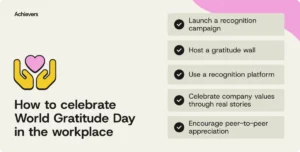
While Thanksgiving provides a natural occasion for expressing gratitude, the most successful organizations extend this sentiment into a continuous, year-round practice. Building a culture of appreciation requires intentional design and consistent execution. This involves several key strategies:
- Multi-directional Recognition: Appreciation should flow not just from top-down, but also peer-to-peer and even bottom-up. Empowering employees to recognize each other’s efforts fosters a collaborative and supportive environment where contributions at all levels are valued.
- Timely and Specific Feedback: Recognition is most impactful when it is immediate and clearly links the employee’s action to its positive outcome. Generic "good job" messages are less effective than specific acknowledgments like, "Thank you for staying late to finalize the report; your dedication ensured we met the client deadline and strengthened our relationship."
- Variety in Recognition: While monetary rewards have their place, non-monetary recognition often holds greater psychological value. This can include public acknowledgment in meetings, personalized thank-you notes, opportunities for professional development, extra time off, or simply a verbal expression of gratitude.
- Alignment with Company Values: Integrating recognition with core company values reinforces desired behaviors and helps embed the culture. For example, recognizing an employee for "innovative problem-solving" directly champions the value of innovation.
- Leadership Buy-in and Modeling: Leaders must not only advocate for a culture of appreciation but actively participate in it. When senior management regularly recognizes employees, it sets a powerful example and signals the importance of this practice throughout the organization.
- Regular Communication and Reinforcement: Companies can integrate appreciation into regular team meetings, company newsletters, and internal communication channels. Celebrating milestones, project successes, and individual achievements consistently ensures that gratitude remains top-of-mind.
- Training and Education: Providing managers and employees with training on how to give effective recognition can significantly improve its quality and impact. This includes guidance on being specific, authentic, and timely.
By implementing these strategies, organizations can transform isolated acts of thanks into a pervasive culture where every employee feels seen, valued, and motivated to contribute their best, far beyond any single holiday.
The Technological Advancement of Recognition
The advent of digital platforms has revolutionized how organizations approach employee recognition, transforming it from an often-cumbersome manual process into an accessible, real-time, and highly engaging activity. Platforms like Achievers, for instance, are designed to turn sporadic gratitude into a lasting habit. These systems provide intuitive interfaces where leaders and peers can effortlessly recognize moments that matter, frequently, meaningfully, and seamlessly within the flow of daily work.
Key features of modern recognition platforms often include:
- Social Feeds: Similar to social media, these feeds allow public recognition, making achievements visible across the organization and fostering a sense of community and shared success.
- Points and Rewards Systems: Employees can accumulate points for their recognized contributions, which can then be redeemed for various rewards, offering a flexible and personalized incentive structure.
- Value-Based Recognition: Platforms often allow users to tag recognition with specific company values, reinforcing desired behaviors and making abstract values tangible.
- Analytics and Reporting: HR and leadership can gain valuable insights into recognition patterns, identifying high-performing teams, areas for improvement, and overall sentiment. This data can inform talent development strategies and pinpoint cultural strengths.
- Integration with Existing Workflows: Many platforms integrate with communication tools (e.g., Slack, Microsoft Teams) or HRIS systems, making recognition a natural extension of existing work processes rather than an additional task.
These technological advancements ensure that recognition is not only easier to administer but also more inclusive, transparent, and impactful. They democratize the act of appreciation, enabling every employee to become an active participant in building a positive and supportive workplace culture.

Expert Insights: A Holistic View of Employee Value
Leading HR analysts and organizational psychologists consistently emphasize that a holistic approach to employee value extends beyond compensation and benefits. Dr. Brené Brown, a research professor known for her work on vulnerability, courage, shame, and empathy, often speaks about the human need for belonging and connection, which recognition directly addresses. Similarly, experts in organizational development highlight that intrinsic motivators, such as feeling valued, respected, and heard, often outweigh extrinsic motivators in fostering long-term engagement and loyalty.
"HR leaders are increasingly moving away from a transactional view of employment to one that prioritizes the entire employee experience," states Sarah Jenkins, a senior HR consultant specializing in talent management. "In this paradigm, genuine recognition acts as a powerful lever for psychological safety, encouraging employees to take risks, innovate, and bring their authentic selves to work. It builds trust, reduces stress, and cultivates a sense of psychological ownership that no mere paycheck can replicate."
Furthermore, employee advocacy groups and unions, traditionally focused on fair wages and working conditions, are also beginning to emphasize the importance of non-monetary recognition and a positive work environment. They argue that a culture of appreciation contributes to overall employee well-being, reducing instances of burnout and promoting a healthier work-life balance. This broad consensus from various stakeholders underscores that appreciation is not merely a benevolent act but a fundamental element of a sustainable, human-centric business strategy.
The Ripple Effect: Broader Organizational and Economic Impacts
The strategic implementation of a year-round recognition program creates a powerful ripple effect that extends far beyond individual employee morale, influencing broader organizational health and economic performance.
- Enhanced Employer Brand: Companies known for their strong cultures of appreciation become magnets for top talent. In an increasingly competitive job market, an organization’s reputation for valuing its employees is a significant draw, reducing recruitment costs and improving the quality of hires.
- Improved Customer Satisfaction: Engaged and appreciated employees are more likely to deliver exceptional customer service. Their positive internal experience translates into enthusiasm, responsiveness, and a genuine desire to meet customer needs, leading to higher customer loyalty and positive brand perception.
- Boosted Innovation and Creativity: When employees feel secure and valued, they are more willing to share ideas, experiment, and contribute to problem-solving. This psychological safety is a fertile ground for innovation, providing a tangible competitive advantage.
- Reduced Absenteeism and Presenteeism: A workplace where employees feel appreciated tends to have lower rates of absenteeism, as individuals are more motivated to come to work. It also reduces "presenteeism," where employees are physically present but disengaged, ensuring higher levels of active contribution.
- Stronger Leadership Development: Leaders who consistently practice recognition develop stronger emotional intelligence and more effective coaching skills. This cultivates a more empathetic and capable leadership pipeline, vital for long-term organizational stability.
- Positive Financial Outcomes: The cumulative effect of reduced turnover, increased productivity, enhanced innovation, and improved customer satisfaction directly impacts the bottom line. Studies often show a clear return on investment (ROI) for well-structured employee recognition programs, demonstrating their financial viability as a strategic expenditure.
In essence, investing in a culture of continuous appreciation is not an expense but a strategic investment in human capital, yielding substantial dividends across all facets of the business.
Conclusion: The Future of Valued Workforces
Thanksgiving, with its inherent message of gratitude, serves as an excellent annual prompt for organizations to reflect on the invaluable contributions of their employees. However, the insights from the Achievers 2026 Engagement and Retention Report, alongside broader industry research, emphatically demonstrate that recognition cannot be confined to a seasonal observance. The profound impact on employee meaningfulness, connection to values, and ultimately, organizational success, necessitates a shift towards a pervasive, year-round culture of appreciation.
The evolution of workplace dynamics, technological advancements in recognition platforms, and a deeper understanding of human motivation all point to the same conclusion: consistent, authentic, and multi-directional appreciation is no longer a "nice-to-have" but a strategic imperative. Organizations that successfully embed this principle into their DNA will not only cultivate more engaged, motivated, and loyal workforces but will also gain a significant competitive edge in an increasingly dynamic global economy. Therefore, while saying "thank you" this Thanksgiving is essential, the true measure of an organization’s commitment to its people lies in its ability to keep that spirit of gratitude alive, every single day. Because, ultimately, giving thanks is not just a gesture; it is the most powerful workplace strategy for building resilient, thriving enterprises.