Employee turnover represents one of the most significant and costly workforce challenges facing industries today, particularly within the healthcare, financial services, manufacturing, and professional services sectors. The departure of skilled talent can create a ripple effect, disrupting productivity, eroding organizational culture, and ultimately impacting customer outcomes. Research from the Achievers Workforce Institute (AWI) highlights a persistent disconnect: while many employees report strong trust in their managers and express a desire for long-term employment, a significant percentage remain actively seeking new opportunities. This paradox underscores a critical truth: employees who feel undervalued, unrecognized, or disconnected from their work experience are more susceptible to leaving, regardless of perceived managerial support.
AWI’s analysis reveals that between 12% and 14% of employees are actively engaged in job searching. This statistic is particularly concerning given that many of these individuals may outwardly appear satisfied or committed to their current roles. The underlying issue, as identified by AWI, is a deficit in feeling valued, recognized, and connected to the broader work experience. This sentiment is amplified in industries that rely on specialized expertise, where the cost of replacement can escalate rapidly. For sectors like healthcare, finance, manufacturing, and professional services, the loss of a single skilled professional can have a disproportionately large impact, necessitating a strategic shift towards fostering environments that prioritize employee recognition, well-being, and a robust organizational culture.
Employee Turnover by Industry: A Deeper Dive
The impact of employee turnover varies across different sectors, but the underlying causes and consequences often share common threads. Industries characterized by high skill requirements and demanding work environments are particularly vulnerable. The financial burden of replacing such talent is substantial, encompassing recruitment expenses, onboarding, training, and the inevitable dip in productivity during the transition period.
Healthcare: A Sector Under Immense Strain
The healthcare industry has been navigating a protracted period of intense pressure, and employee turnover remains a critical concern. In 2025, the turnover rate for registered nurses reached 16.4%, while physician turnover stood at 13%. Hospitals, on average, experienced annual turnover rates of 20.7%, with even higher figures reported in nursing homes and home care settings. A significant finding from the Achievers Workforce Institute’s "Healthcare Industry Recognition Report" indicates that only 23% of surveyed healthcare staff feel productive in their roles.
The primary drivers behind these elevated turnover rates are burnout and persistent staffing shortages. The World Health Organization (WHO) projects a global shortfall of 11 million healthcare workers by 2030, a trend that will continue to exacerbate existing pressures. When critical roles remain unfilled, the workload intensifies for remaining staff, creating a vicious cycle that erodes morale, compromises psychological safety, and further hinders retention efforts. Investing in a culture that actively promotes recognition and supports employee well-being is not merely beneficial; it is essential for the long-term sustainability of the healthcare sector.

Financial Services: Beyond the Paycheck
Despite offering competitive compensation, the financial services industry is experiencing a concerning upward trend in employee turnover. Non-officer roles now face approximately 20% turnover, while officer-level positions have seen a nearly twofold increase since 2021, reaching 6.5%. Historically a high-stress, high-reward field, financial services now faces the reality that salary alone is insufficient to retain talent.
Today’s workforce in this sector seeks more than just financial remuneration; they are looking for flexibility, a sense of purpose, and consistent recognition. The demand for remote work options and a genuine feeling of being valued is paramount. Employers are increasingly being evaluated not just on profitability and growth, but on their ability to foster an environment where employees feel connected to the company’s mission and their contributions are acknowledged. AWI’s "Financial Services Recognition Report" reveals that a mere 19% of employees report their managers regularly recognize them in a way that makes them feel valued. This lack of visibility significantly undermines retention efforts across the industry. Proactive tracking of key retention metrics, such as voluntary turnover, early-stage new hire departures, and overall employee satisfaction, is crucial for financial organizations to move beyond anecdotal evidence and implement data-driven strategies for creating workplaces that employees are motivated to remain in.
Manufacturing: The Cost of Lost Expertise
In the manufacturing sector, employee turnover has a tangible impact on both morale and the bottom line. Deloitte estimates that replacing a single skilled frontline worker can cost between $10,000 and $40,000. With an average monthly quit rate of 1.6%, these costs quickly accumulate. AWI’s "Manufacturing Recognition Report" further indicates that 13% of surveyed employees are actively looking for new jobs.
Two significant challenges contribute to this trend: wage competition and workplace safety. While many manufacturers are increasing wages to remain competitive, this alone is not a panacea for turnover. A concerning statistic reveals that nearly one-third of manufacturing employees feel their concerns about workplace safety are ignored. This highlights a critical need for manufacturers to actively listen to and act upon employee feedback, particularly regarding safety. Organizations that prioritize safety, foster open communication, and consistently recognize employee contributions are more likely to cultivate loyalty and reduce turnover.
Professional Services: The Flight of High Performers
The professional services industry, encompassing fields such as consulting, legal services, and information technology, has long attracted high performers. However, it has also become a sector characterized by high turnover. Many firms within this space have witnessed attrition rates exceeding hiring, raising significant concerns about the shrinking pool of skilled talent.
The primary drivers of departures in professional services are multifaceted, centering on career growth, job satisfaction, and workload management. Employees in this sector desire meaningful work, manageable hours, and a clear trajectory for advancement, alongside competitive compensation. When promotional opportunities stagnate or workloads become unsustainable, top talent often seeks opportunities elsewhere. A survey of over 7,700 tech professionals found that one-third had changed jobs in the past two years, with firms expressing significant concern about talent retention. AWI’s "Professional Services Recognition Report" indicates that only 25% of employees perceive a long-term career path at their current company, citing compensation, career development, and a lack of engaging work as key reasons for seeking new roles. Furthermore, 54% identified heavy workloads as a significant stressor. Effective retention in professional services hinges on robust recognition programs, supportive management, and open dialogue about career aspirations and success metrics, aligning both individual goals with organizational objectives.
Strategic Approaches to Combatting Turnover
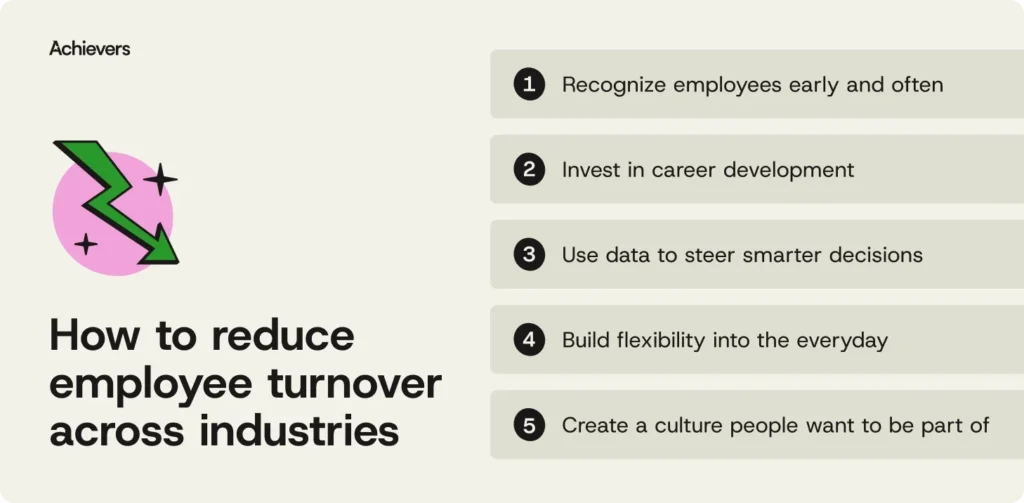
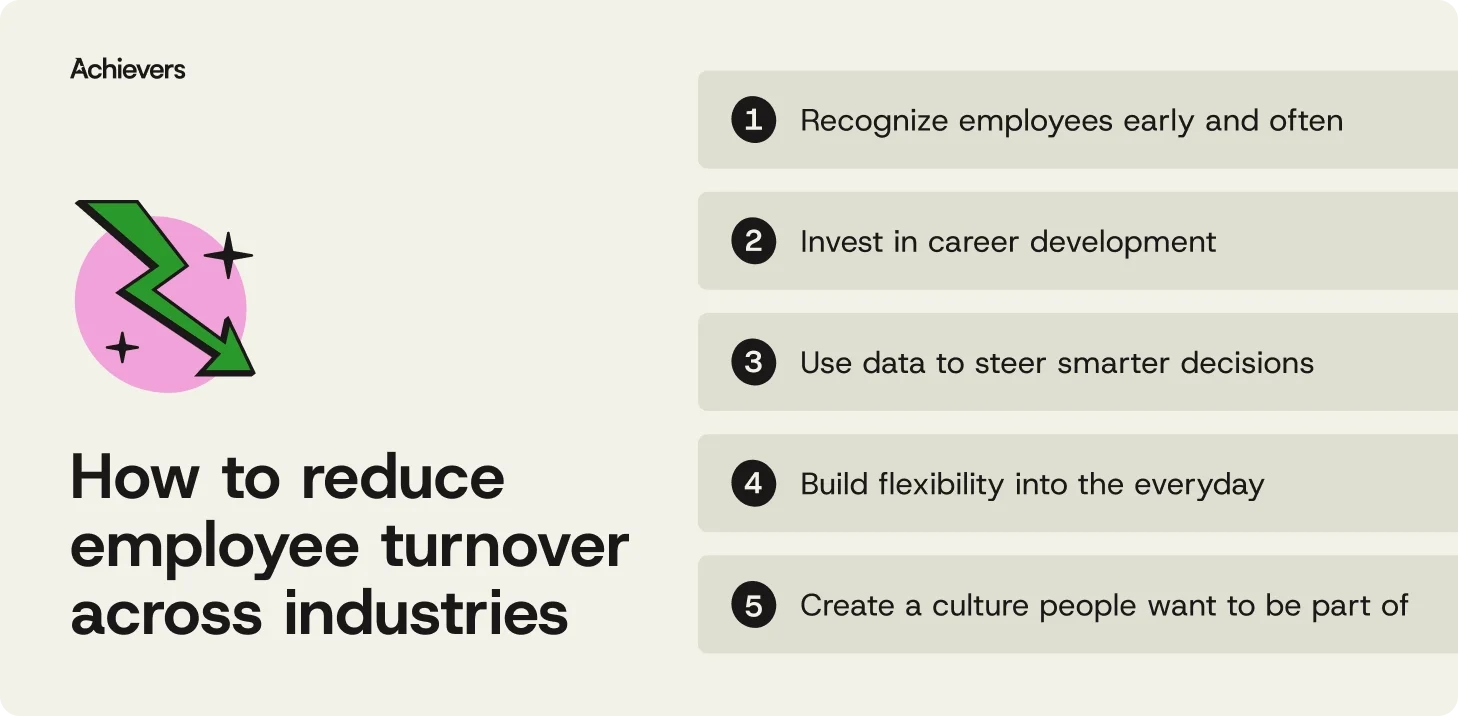
Addressing employee turnover requires a proactive and multifaceted approach. Organizations, particularly those in high-impact industries, can implement several proven strategies to enhance retention, foster engagement, and cultivate environments where top talent chooses to stay and thrive.
1. Prioritize Meaningful and Frequent Recognition
Appreciation, especially in demanding roles, is a powerful retention tool. Recognition initiatives should go beyond superficial gestures, focusing on acknowledging specific contributions and behaviors that align with company values. This can range from formal awards to informal thank-yous, consistently reinforcing that employees’ efforts are seen and valued.
2. Invest in Comprehensive Career Development
Employees are more likely to remain with an organization that offers clear pathways for growth and development. Investing in training, mentorship programs, and opportunities for skill enhancement demonstrates a commitment to employees’ long-term career aspirations. This fosters a sense of loyalty and provides tangible reasons for individuals to advance within the company rather than seeking external opportunities.
3. Leverage Data for Informed Decision-Making
Utilizing people analytics and real-time feedback mechanisms is crucial for identifying potential retention issues before they escalate. Regularly surveying employees, analyzing engagement data, and tracking key performance indicators can provide actionable insights into employee sentiment and allow for timely interventions.
4. Integrate Flexibility into the Workday
Work-life balance is no longer a mere buzzword but a critical factor in employee satisfaction and retention. Offering flexible work arrangements, such as remote or hybrid options, and promoting a culture that respects personal time can significantly enhance an employee’s overall experience and commitment.
5. Cultivate a Positive and Engaging Culture
Organizational culture is the bedrock of employee retention. Building a culture of trust, open communication, and shared values requires consistent effort and reinforcement. When employees feel a sense of belonging and connection to their colleagues and the company’s mission, they are more likely to be engaged and committed.
6. Champion Employee Well-being as a Business Imperative
Employee well-being, encompassing physical, mental, and emotional health, is intrinsically linked to retention and productivity. Organizations that prioritize comprehensive well-being programs, provide access to mental health resources, and foster a supportive environment empower employees to manage stress and maintain resilience, leading to greater job satisfaction and longevity.
The Tangible Benefits of Controlled Turnover
Successfully managing employee turnover extends beyond simply plugging a staffing deficit; it involves building a sustainable and attractive workplace. The financial implications of high turnover are substantial, with the cost of replacing an employee potentially reaching up to four times their annual salary when accounting for recruitment, onboarding, training, and lost productivity. Beyond the financial drain, high turnover erodes morale, disrupts team cohesion, and leads to the loss of invaluable institutional knowledge.
Conversely, a stable and motivated workforce fosters continuity, deepens expertise, and enhances the quality of service delivery – benefits that are directly observable and appreciated by customers. Vistex, a company with over 1,500 employees, experienced a 22% reduction in turnover after implementing a peer-to-peer recognition program through Achievers. This case exemplifies how simple, yet impactful, initiatives can yield significant returns.
Securing Performance Through Retention
While the acute pressures of the "Great Resignation" may have subsided, industries like healthcare, finance, manufacturing, and professional services continue to grapple with the substantial costs associated with employee turnover. No organization is entirely immune to the impact of losing top talent, which invariably affects productivity, culture, and profitability.
The antidote lies in strategic investment. Leading organizations in retention do not rely on chance; they actively cultivate loyalty. This involves a deliberate focus on employee engagement, consistent recognition, clear career progression pathways, flexible work options, and the development of a compelling organizational culture. When these efforts are informed by real-time data and feedback, their effectiveness is amplified.
Achievers offers a platform designed to eliminate the guesswork in employee engagement. By providing actionable insights, facilitating high-frequency recognition, and enabling continuous feedback, the platform equips organizations with the tools necessary to cultivate a motivated workforce that is empowered to perform at its best. Ultimately, retaining exceptional talent is not merely a sound business practice; it is the cornerstone of sustainable growth and long-term success.