Non-monetary rewards, such as recognition, opportunities for growth, and a sense of purpose, are increasingly recognized as the critical drivers of employee satisfaction and retention, lingering in an individual’s consciousness long after the payday has passed. This concept, often termed the "emotional salary," represents the intangible yet profoundly impactful aspects of compensation that make employees feel genuinely valued. When this emotional salary is robust, organizations witness a tangible uplift in workforce engagement, performance, and loyalty.
The contemporary workplace is increasingly defined by a shift in employee priorities, where meaningful acknowledgment and personal development are gaining prominence over purely financial incentives. While a competitive salary remains a fundamental expectation, it is no longer the sole determinant of an employee’s commitment or willingness to go the extra mile. The research underscores a growing disconnect between what organizations believe constitutes valuable recognition and what employees actually experience. A recent study from the Achievers Workforce Institute revealed that while only 11% of HR leaders report that organizations commonly offer non-monetary perks like flexibility and time off, a significant 44% of employees identified their most meaningful recognition experiences as specific and non-monetary. This data suggests a critical opportunity for employers to recalibrate their reward strategies.
The enduring importance of non-monetary rewards is rooted in the fundamental human need for validation and belonging. Financial compensation, while necessary, often fails to address the deeper psychological drivers of job satisfaction. Employees who feel appreciated, connected to their colleagues, and supported in their professional journeys are more likely to exhibit higher levels of discretionary effort and remain with their employers for extended periods. The absence of these "emotional salary" components can diminish the impact of even generous financial packages, leading to disengagement and increased turnover.
Organizations that are achieving the strongest outcomes in employee engagement and retention are not viewing monetary and non-monetary rewards as competing investments. Instead, they are adopting a holistic approach that integrates both. This dual strategy involves delivering meaningful recognition that actively reinforces desired behaviors and company values, complemented by a flexible rewards system that allows employees to personalize their incentives. This can encompass a diverse marketplace of experiences, travel opportunities, curated merchandise, charitable giving options, and other tailored benefits that resonate with individual preferences.
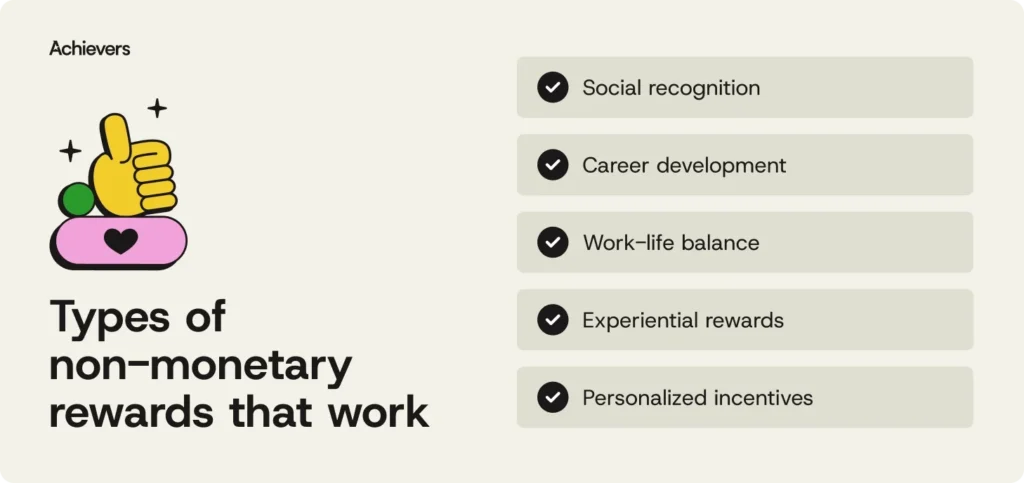
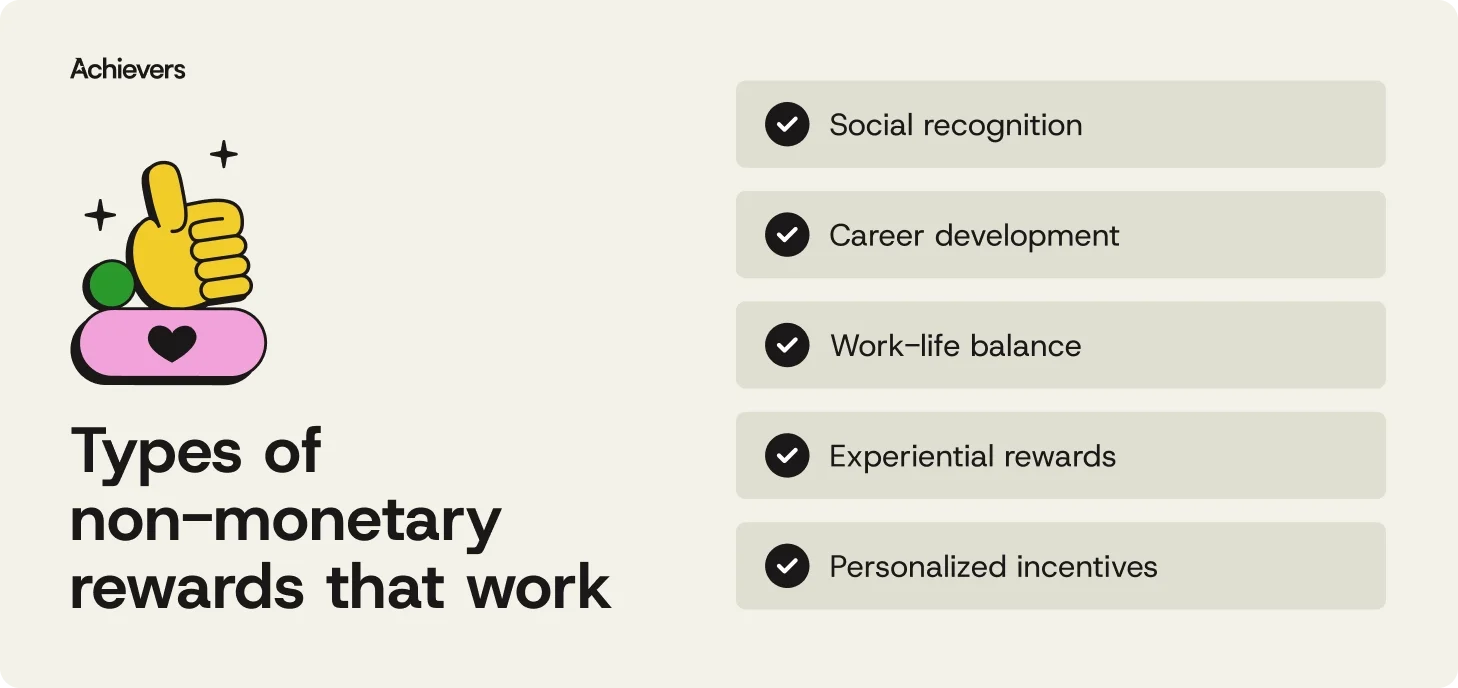
The Pillars of a Strong Emotional Salary: Five Key Non-Monetary Rewards
To cultivate a truly engaged and motivated workforce, organizations must strategically implement and champion a variety of non-monetary reward systems. These are not merely supplementary benefits but integral components of a comprehensive employee value proposition.
1. Social Recognition: Fostering Connection and Belonging
Social recognition is a cornerstone of a thriving workplace culture, directly contributing to an employee’s sense of belonging and connection. When colleagues and managers acknowledge and appreciate an individual’s contributions, it creates a powerful feedback loop that reinforces positive behaviors and strengthens interpersonal relationships. The impact of regular social recognition is profound. According to the 2026 State of Recognition Report, employees who receive weekly recognition are more than four times as likely to feel included and over four and a half times as likely to report strong coworker connections. This highlights recognition as one of the most potent drivers of a sense of belonging within an organization.
The timeliness and authenticity of social recognition are crucial. Public acknowledgments, whether through team meetings, company-wide platforms, or informal shout-outs, amplify the impact and create a ripple effect of appreciation. This fosters an environment where employees feel seen, heard, and valued by their peers, which can be even more impactful than top-down commendations.
2. Career Development Opportunities: Investing in Future Growth
Investing in an employee’s professional future through career development opportunities is one of the most valuable non-monetary rewards an organization can offer. It signals a commitment to an individual’s long-term success and demonstrates that the company sees them as more than just a current asset but as a future leader. This form of recognition is intrinsically linked to an employee’s sense of purpose and ambition.

The connection between recognition and development is synergistic. The 2026 State of Recognition Report further indicates that employees who receive weekly recognition are over eleven times more likely to receive coaching and more than eight times as likely to feel their manager actively supports their growth goals. When managers make recognition a consistent leadership practice, it naturally opens avenues for more frequent and meaningful development conversations. This consistent feedback and support provide employees with clearer, more actionable pathways for advancement within the organization. Offering opportunities for upskilling, cross-training, mentorship programs, and leadership development not only benefits the employee but also strengthens the organization’s internal talent pipeline.
3. Flexible Work and Work-Life Balance: Prioritizing Employee Well-being
In an era where the lines between professional and personal life have become increasingly blurred, work-life balance and flexible work arrangements have emerged as highly effective non-monetary rewards. Companies that offer adaptable schedules, robust wellness initiatives, additional paid time off, and genuine support for personal priorities demonstrate a profound level of trust and acknowledge that employees are multifaceted individuals beyond their job descriptions.
The impact on employee well-being is substantial. The 2026 Engagement and Retention Report highlights that employees who feel appreciated and engaged are an astonishing 47 times more likely to feel supported in their overall well-being. This underscores the critical role that employers play in fostering a healthy and sustainable work environment. Recognition also plays a crucial role in how employees perceive their well-being at work; when achievements are acknowledged, it can alleviate stress and enhance job satisfaction, further contributing to a positive mental and emotional state. Offering options such as remote work, hybrid models, compressed workweeks, or flexible start and end times allows employees to better manage personal responsibilities, reduce commuting stress, and achieve a more harmonious integration of their work and personal lives.
4. Experiential Rewards: Creating Lasting Memories
Experiential rewards offer a unique and powerful way to create lasting memories that become intrinsically linked to the moments of recognition. Unlike tangible gifts, experiences often carry a greater emotional weight and can provide a more profound sense of value and appreciation. Employees increasingly express a preference for rewards that offer flexibility and choice, allowing them to select experiences that align with their personal interests and aspirations.
Research from the Achievers Workforce Institute in 2026 indicated that employees believe access to a rewards marketplace significantly influences behavior (30%) and supports retention efforts (30%). This suggests that providing a curated selection of experiences, such as travel vouchers, tickets to concerts or sporting events, unique local activities, or enriching team outings, can be highly motivating. These rewards move beyond generic merchandise and tap into an individual’s desire for personal enrichment and memorable moments, making the act of recognition feel more personal and impactful.
5. Personalized Incentives: Tailoring Rewards to Individual Needs
The principle that "one size never fits all" is particularly relevant when it comes to employee incentives. Recognizing that each employee possesses unique values, preferences, and life circumstances is paramount to delivering truly meaningful rewards. While one individual might deeply appreciate a charitable donation made in their name, another may find greater value in a gift card to a local business, a coveted travel experience, or branded company merchandise that reflects their personal style.
Organizations that empower employees with choice in their incentives create recognition experiences that are perceived as more relevant, memorable, and aligned with what individuals genuinely value. This personalization demonstrates a deeper understanding of the workforce and a commitment to meeting diverse needs. Implementing a flexible rewards system that allows employees to select from a broad spectrum of options ensures that the recognition they receive resonates on a personal level, reinforcing their engagement and loyalty.
Strategic Implementation: Enhancing Non-Monetary Rewards
To effectively leverage the power of non-monetary rewards, organizations must adopt a strategic and proactive approach. This involves moving beyond ad-hoc gestures and embedding recognition into the fabric of the company culture.
One of the most effective strategies is the implementation of robust recognition platforms that facilitate real-time, peer-to-peer acknowledgments. These platforms can democratize recognition, allowing every employee to participate in celebrating the achievements of their colleagues. Furthermore, these systems can be integrated with performance management tools to ensure that recognition is aligned with company goals and values.
A critical component of successful non-monetary reward programs is consistent communication and training for managers. Leaders must be equipped with the skills and understanding to effectively deliver meaningful recognition, provide constructive feedback, and champion employee development. Regular workshops and resources can help managers cultivate a recognition-rich environment.
Organizations should also actively solicit employee feedback regarding their preferences for non-monetary rewards. Through surveys, focus groups, and direct conversations, companies can gain valuable insights into what truly motivates their workforce. This feedback loop ensures that reward programs remain relevant and impactful.
Success Story: General Motors Reimagines Employee Recognition
The transformative impact of a well-executed recognition program is vividly illustrated by the experience of General Motors (GM). Facing a workforce that was actively seeking greater transparency, more meaningful appreciation, and rewards that held genuine significance, GM embarked on a comprehensive overhaul of its employee recognition strategy. The company partnered with Achievers to implement a global platform designed to make real-time, peer-to-peer recognition both accessible and engaging.
The initiative yielded immediate and impressive results. Within the first month of launch, an overwhelming 87% of employees actively participated, generating an astonishing 80,000 recognitions across the company. This overwhelming adoption underscored a fundamental truth: when the process of expressing appreciation is simplified and made engaging, employees readily embrace it.
Since its inception, the program has maintained remarkable momentum, with 90% of GM’s global workforce continuing to engage on a monthly basis, including a significant 80% of managers. This sustained engagement is a powerful testament to the fact that recognition is not merely a peripheral perk but a fundamental catalyst for cultural transformation.
Spanning 26 countries and reaching 67,000 employees, GM’s recognition program seamlessly integrates personalized rewards with meaningful non-monetary acknowledgment. This approach empowers employees to transform appreciation into something tangible and personally resonant, whether through rewards tailored to their individual interests or the intrinsic satisfaction of being recognized for their contributions. The ultimate outcome is a more cohesive workforce, a deeply ingrained culture of appreciation, and employees who feel a profound sense of belonging. GM’s success story serves as compelling evidence that when recognition is implemented thoughtfully and effectively, it serves as a powerful engine for driving engagement, shaping culture, fostering loyalty, and cultivating a true sense of belonging.
Achievers: Driving Employee Recognition Forward
While bonuses and salary increases are important, the long-term success of an organization hinges on its ability to cultivate a culture where employees feel genuinely valued, not just financially compensated. This is where the strategic implementation of non-monetary rewards becomes indispensable.
Achievers offers a comprehensive platform designed to streamline the delivery of real-time social recognition and provide flexible, personalized rewards that resonate deeply with employees. By making appreciation a daily habit and scaling recognition efforts across the entire workforce, Achievers empowers organizations to foster a more engaged, motivated, and loyal employee base. Whether it’s a simple peer-to-peer acknowledgment or a carefully curated reward from a global marketplace, Achievers facilitates the creation of a workplace where appreciation is not an afterthought but a cornerstone of daily operations.
The implications of this shift in focus are far-reaching. Organizations that prioritize non-monetary rewards not only see improvements in employee retention and engagement but also foster a more positive and collaborative work environment. This, in turn, can lead to enhanced innovation, increased productivity, and a stronger employer brand, making them more attractive to top talent in a competitive market. As the modern workforce continues to evolve, the strategic integration of non-monetary rewards will undoubtedly remain a critical differentiator for organizations striving for sustained success and a truly thriving culture.