The corporate landscape has undergone a seismic shift, redefining the very essence of the modern workplace. For years, the conventional office setup, characterized by fixed desks and rigid schedules, was the undisputed norm. However, the past decade, and particularly the events of the early 2020s, have accelerated a fundamental rethinking of how physical office environments can and should support the dynamic nature of contemporary work. Flexible workspaces, once considered a niche perk or a progressive trend, have now firmly established themselves as a crucial strategic asset. Businesses that have proactively embraced this paradigm shift are already reaping tangible rewards, observing significant improvements in productivity, enhanced cost efficiencies, and a marked increase in employee satisfaction. This evolution is not merely about aesthetics or employee comfort; it represents a fundamental recalibration of how organizations can foster innovation, attract and retain top talent, and ultimately, drive sustainable growth in an increasingly agile world.
The most compelling argument underpinning the widespread adoption of flexible work models is its direct correlation with enhanced employee performance. The traditional nine-to-five routine, tethered to a singular desk, often stifles individual work styles and preferences. In contrast, flexible workspaces empower individuals to make conscious choices about their environment, selecting the location that best aligns with the specific demands of their current task. For some, this might mean a quiet, secluded zone designed for deep concentration and focused output. For others, the proximity of colleagues, fostering spontaneous collaboration and the organic exchange of ideas, is paramount. This inherent adaptability allows employees to curate their workday, minimizing distractions and optimizing their working methods. Moreover, extensive research consistently demonstrates that granting employees autonomy and trust in managing their work environment leads to demonstrably higher levels of engagement and a significant reduction in absenteeism attributed to burnout. This trust fosters a sense of ownership and responsibility, creating a more motivated and resilient workforce.
Driving Productivity Through Environmental Choice
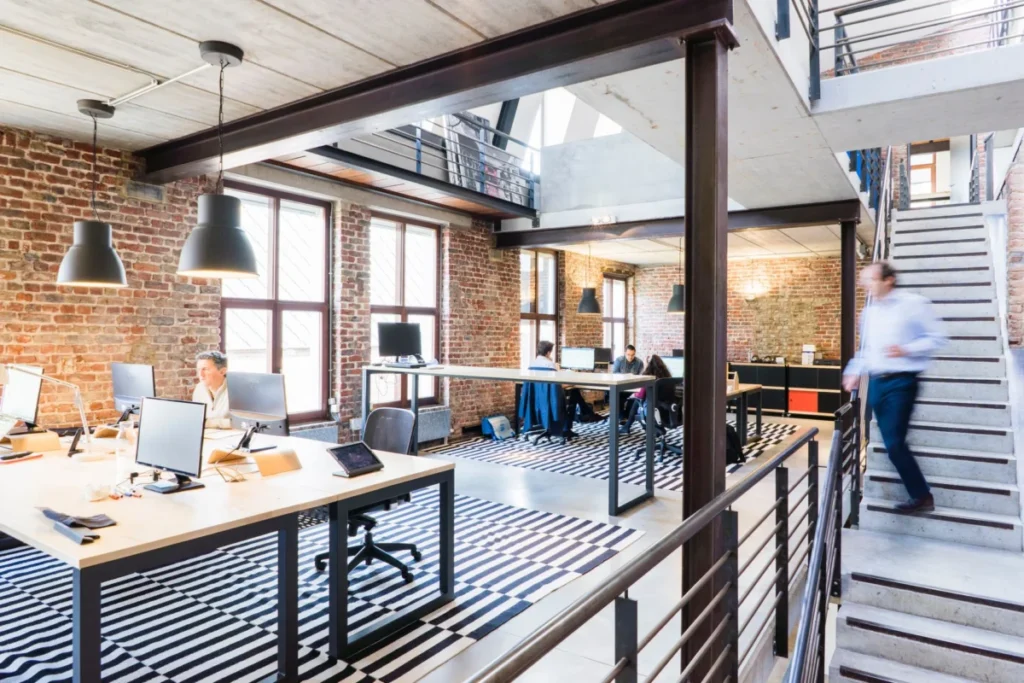
The foundational principle behind the surge in flexible workspaces is the recognition that a one-size-fits-all approach to office design is inherently counterproductive in today’s diverse professional environment. When employees are liberated from the constraints of a designated desk, they are naturally inclined to seek out the physical space that best facilitates their immediate needs. This could manifest as a quiet pod for a critical report, a collaborative hub for brainstorming sessions, or even a comfortable lounge area for informal discussions. The ability to seamlessly transition between these varied environments allows for a more dynamic and efficient workflow.
A study conducted by the Global Workplace Analytics in 2023, analyzing data from over 500 companies, revealed that organizations with robust flexible work policies reported a 15% increase in employee productivity compared to their counterparts with traditional office structures. This increase is attributed to several factors, including reduced interruptions, improved focus, and the ability for employees to work during their most productive hours, irrespective of a rigid schedule. Furthermore, the research highlighted a 20% decrease in reported stress levels among employees who had the autonomy to choose their workspace, directly impacting their ability to perform at their peak.
Optimizing Operational Costs Without Compromising Quality
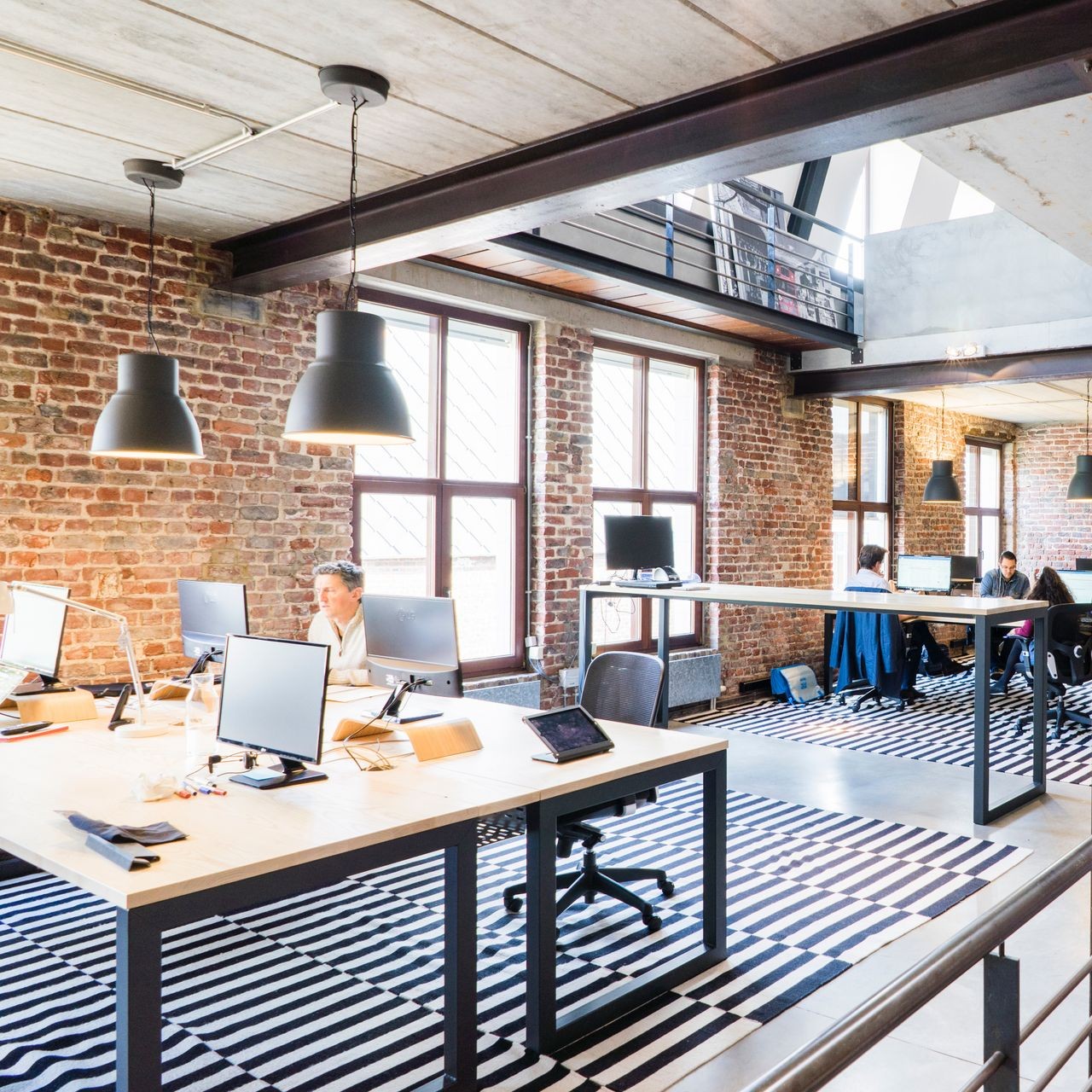
One of the most significant financial burdens for any business is the cost associated with maintaining physical office space. This expense, often a substantial fixed overhead, can be significantly mitigated through the strategic implementation of flexible work models. The core principle here is straightforward: if not every employee requires their own dedicated desk on a daily basis, the overall spatial footprint of the office can be substantially reduced. This is particularly pertinent for organizations that have adopted hybrid work policies, where employees split their time between remote and in-office work.
The savings realized from downsizing office space can be strategically reallocated to enhance the quality of the remaining workspace. This could involve investing in higher-quality, more collaborative shared areas, upgrading technological infrastructure to support seamless connectivity and remote collaboration, or funding professional development programs that further empower employees. For instance, a recent report by Commercial Real Estate Services (CRES) in late 2025 indicated that companies transitioning to hybrid models and reducing their office footprint by 30% were able to reinvest an average of 10-15% of their previous real estate budget into employee benefits and technological advancements, leading to a subsequent uptick in employee retention and engagement.
Streamlining Shared Workspace Management with Technology
The transition to a flexible workspace environment necessitates more than simply removing fixed workstations. Without effective management systems in place, the operational complexities can quickly escalate, leading to inefficiencies and frustration. This is precisely where the integration of technology becomes indispensable. Organizations that leverage specialized software for managing shared workspaces, such as hot-desking and meeting room booking platforms, gain a crucial advantage.
Platforms like Flexwhere, for example, offer a structured and intuitive system that empowers employees to reserve desks, meeting rooms, and other shared resources in advance. This proactive approach eliminates the uncertainty and potential for conflict that can arise on busy office days, ensuring a smooth and efficient flow of operations. Beyond employee convenience, these systems provide managers with invaluable real-time insights into space utilization. This data-driven approach enables informed decision-making regarding office layout optimization, capacity planning, and strategic investments in future workplace enhancements. A case study from a multinational tech firm, published in the Journal of Facilities Management in early 2026, demonstrated that implementing a desk-booking system resulted in a 25% improvement in space utilization and a 15% reduction in operational friction, as measured by employee feedback surveys.
Fostering Employee Well-being and Retention
The impact of flexible workspaces extends far beyond mere operational efficiency; it significantly contributes to an enhanced overall employee experience. In today’s professional arena, employees across all sectors increasingly expect a degree of autonomy over their work environment, including where and how they choose to perform their duties. Organizations that fail to offer this flexibility risk not only falling behind in the talent acquisition race but also facing challenges in retaining their existing workforce.
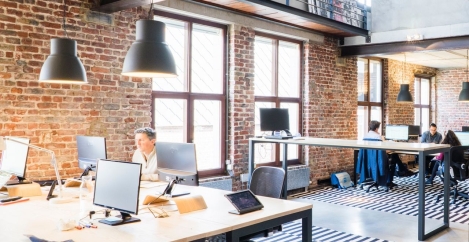
When flexible working is seamlessly integrated with hybrid work models, it offers employees a tangible benefit: the reduction of arduous commuting times. This, in turn, allows for a more effective and harmonious balance between professional responsibilities and personal life. The ripple effects of this improved work-life integration are profound, directly impacting employee morale, reducing stress levels, and contributing to a more sustainable and fulfilling career path. Consequently, this leads to a significant increase in long-term employee retention rates. A survey by the Society for Human Resource Management (SHRM) in mid-2026 revealed that companies offering comprehensive flexible work options experienced a 30% lower voluntary turnover rate compared to those with predominantly traditional office structures. This underscores the critical role of flexibility in building a loyal and engaged workforce.
The Broader Implications: A New Era of Work
The ongoing evolution of flexible workspaces signifies more than just a change in office design; it represents a fundamental recalibration of the employer-employee relationship and the very definition of a productive work environment. As businesses continue to navigate the complexities of a globalized and technologically advanced world, the ability to adapt and innovate in their workspace strategies will be a key differentiator. The data overwhelmingly suggests that embracing flexibility is not merely a trend but a strategic imperative for sustained success.
Looking ahead, the implications of this shift are far-reaching. We can anticipate a continued emphasis on creating dynamic, multi-functional spaces that cater to a diverse range of work activities. The integration of smart building technologies will further enhance the efficiency and user experience of flexible environments. Furthermore, the concept of the "office" is likely to expand beyond traditional brick-and-mortar structures to encompass a broader ecosystem of work locations, including co-working spaces and remote hubs, all managed under a unified flexible work strategy. Organizations that proactively invest in understanding and implementing these evolving workspace paradigms will undoubtedly be best positioned to thrive in the future of work, fostering environments where both individuals and the business can reach their full potential. The journey towards truly agile and employee-centric workplaces is well underway, and its transformative impact on the corporate world is only just beginning to unfold.