The landscape of talent acquisition is undergoing a profound transformation, driven significantly by the widespread adoption of artificial intelligence tools among job seekers. A recent survey conducted by Built In, which examined the behavior of 119 job seekers, revealed a striking trend: an overwhelming 88% of respondents reported utilizing AI to identify potential employers or to conduct in-depth investigations into companies they were considering for employment over the past year. This paradigm shift, where candidates are empowered with unprecedented access to aggregated information, poses considerable challenges to traditional recruitment methodologies and necessitates a re-evaluation of employer branding strategies.
The Invisible Funnel: AI Empowers Candidate-Driven Vetting
Maria Christopoulos Katris, CEO of Built In, succinctly articulated the core implication of these findings, stating, "AI is changing how employers compete for talent." Her observations underscore a critical development: candidates are now discovering, evaluating, and even eliminating companies from their consideration based on information they encounter via AI, often without the employer ever being aware of the interaction. This phenomenon creates an "invisible funnel" where companies are being filtered out long before a resume enters an applicant tracking system (ATS) or a hiring manager ever initiates contact. The traditional recruitment funnel, which typically begins with an application or direct outreach, is being preceded by a powerful, AI-driven pre-vetting phase controlled entirely by the candidate.
The survey further highlighted the discerning nature of AI-assisted job seekers: 68% of AI users reported that they "always or often" verify the information generated by AI. This statistic is particularly illuminating, emphasizing that the sheer volume of information provided by AI is not enough; its trustworthiness and currency are paramount. For employers, this translates into an urgent need to ensure their online presence is not only comprehensive but also accurate, consistent, and genuinely reflective of their organizational culture and values. Discrepancies, outdated information, or negative sentiment can be quickly amplified by AI tools, leading to swift candidate disengagement.
Katris reiterated the evolving starting point of talent attraction: "Talent attraction increasingly starts before a candidate visits a careers site or speaks with a recruiter." She emphasized the imperative for employers to "understand how they show up in AI, what information is shaping candidate decisions and be able to act on it." This necessitates a proactive and strategic approach to managing digital footprints, extending far beyond the traditional scope of a career page.
A Chronology of AI’s Ascendance in Human Resources
The integration of artificial intelligence into the human resources and talent acquisition spheres has evolved considerably over the past decade, accelerating dramatically in recent years.
- Early 2010s: Automation and Basic Screening: The initial wave of AI adoption in HR focused primarily on automating repetitive tasks. This included the use of sophisticated Applicant Tracking Systems (ATS) that leveraged AI for keyword matching in resumes, helping recruiters sift through vast applicant pools. Chatbots began to appear, offering basic FAQ support for candidates. The emphasis was on efficiency and reducing manual workload.
- Mid-2010s: Predictive Analytics and Candidate Experience: As AI capabilities matured, its application expanded into more sophisticated areas. Predictive analytics started to be used for forecasting talent needs, identifying flight risks among current employees, and even predicting candidate success. Companies began to experiment with AI-powered tools to personalize the candidate experience, offering tailored job recommendations and automated communication. Video interview analysis, using AI to assess non-verbal cues, also emerged during this period, albeit with ongoing debates about bias.
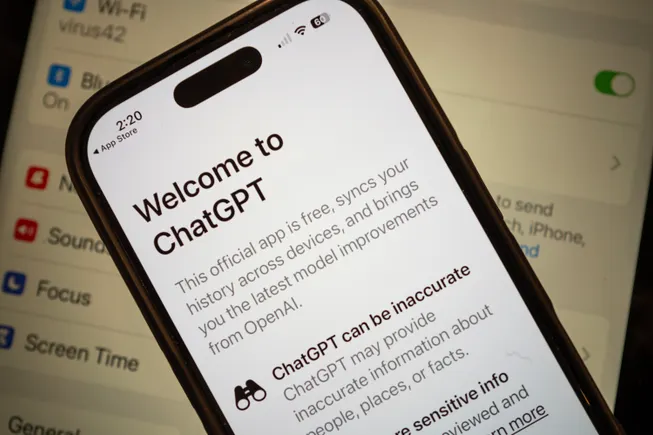
- Late 2010s – Early 2020s: Rise of Generative AI and Candidate Empowerment: The introduction of advanced generative AI models, such as OpenAI’s ChatGPT and Google’s Bard (now Gemini), marked a pivotal turning point. These tools democratized AI access for individuals, providing powerful capabilities for content generation, research, and analysis. This era saw candidates rapidly adopt AI for tasks like resume optimization, cover letter generation, interview preparation, and, critically, comprehensive company research, as highlighted by the Built In survey. The focus shifted from AI as solely an employer’s tool to a potent resource for job seekers.
- Present Day and Future Outlook: Strategic Integration and Ethical Considerations: Today, AI is deeply embedded in both employer and candidate workflows. Recruiters use AI for sophisticated sourcing, candidate engagement, diversity and inclusion analytics, and even onboarding. Simultaneously, candidates continue to push the boundaries of AI’s utility in their job search. The future points towards hyper-personalized recruitment journeys, AI-driven skill gap analysis for upskilling, and predictive modeling for long-term talent strategy. However, this advancement is inextricably linked with a growing emphasis on ethical AI, addressing concerns around bias, transparency, and data privacy.
How AI Empowers the Modern Job Seeker
The shift observed by Built In is fundamentally about empowering the job seeker with unprecedented access to, and synthesis of, information. This empowerment manifests in several key ways:
- Comprehensive Company Vetting: Before AI, candidates relied heavily on company career pages, LinkedIn profiles, and perhaps a few online reviews. Now, AI tools can scour the entire internet – news articles, financial reports, employee reviews (Glassdoor, Indeed), social media sentiment, public statements, CEO interviews, and even legal filings – to construct a holistic profile of an organization. This allows candidates to assess not just the job description, but the company’s financial health, corporate culture, leadership style, commitment to diversity, work-life balance, and even its ethical track record.
- Personalized Insights and Red Flags: AI can process this vast data to identify patterns and highlight potential "red flags" or attractive attributes that might not be immediately obvious. For example, consistent themes in employee reviews about high turnover, lack of promotion opportunities, or toxic leadership can be aggregated and presented. Conversely, strong positive sentiment around innovation, employee development, or corporate social responsibility can become compelling selling points for a candidate.
- Strategic Application and Interview Preparation: With a deeper understanding of a company’s strategic priorities, challenges, and culture, candidates can tailor their applications and interview responses with remarkable precision. AI can help them identify keywords prevalent in the company’s public statements or job descriptions, allowing for optimized resumes and cover letters. During interview preparation, AI can generate likely questions based on the role and company, and even help formulate sophisticated answers that resonate with the company’s stated values.
- Salary Negotiation Leverage: Access to market data on compensation, company financial performance, and industry benchmarks – all digestible through AI – gives candidates a stronger position in salary negotiations. They can enter discussions armed with factual data, rather than relying solely on personal expectations or limited research.
Challenges for Traditional Recruitment and Employer Branding
The rise of the AI-powered job seeker presents multifaceted challenges for talent acquisition professionals and their organizations.
- The "Invisible Disqualification": The most pressing challenge, as Katris noted, is the increasing likelihood of candidates self-selecting out of the hiring process before any official interaction. This "invisible disqualification" means companies may never know why promising candidates chose not to apply, losing valuable talent without ever having the chance to engage. Traditional metrics for recruitment success, such as conversion rates from application to hire, become less indicative if a significant portion of the talent pool never even reaches the application stage.
- Data Integrity and Digital Reputation Management: The 68% verification rate underscores the critical importance of a meticulously managed online presence. Every piece of public information about a company – from outdated press releases to unaddressed negative reviews on employer sites – can be surfaced and scrutinized by AI. Companies must invest heavily in managing their digital footprint, ensuring all information is accurate, up-to-date, and consistently reflects their desired employer brand. This includes proactive engagement on review sites, consistent messaging across all platforms, and swift correction of misinformation.
- Authenticity Over Artifice: In an era where AI can quickly expose discrepancies, authenticity becomes paramount. Companies can no longer rely on carefully curated marketing language if their internal culture or employee experiences tell a different story. AI tools, by aggregating vast amounts of qualitative data, are adept at identifying inconsistencies between a company’s stated values and its perceived reality. A genuine, transparent employer value proposition (EVP) is more crucial than ever.
- Measuring Impact and ROI: Tracking the effectiveness of employer branding efforts becomes more complex when candidates are vetting companies through unmonitored AI channels. It’s difficult to attribute source of influence when a candidate’s initial exposure and decision-making occurs outside of a company’s direct marketing or career site analytics. This requires new approaches to understanding candidate journeys and attributing success.
- The Talent Acquisition Professional’s Evolving Role: Recruiters, traditionally tasked with sourcing, screening, and selling the company, must now adapt. Their role is shifting from simply presenting opportunities to actively managing the company’s digital narrative and being prepared to address sophisticated, AI-informed candidate questions. They need to understand how candidates are using AI and leverage that knowledge to better engage and convert talent.
Supporting Data and Broader Industry Trends
The Built In survey is not an isolated finding; it aligns with broader industry trends indicating a pervasive integration of AI across the HR spectrum.
- Widespread AI Adoption in HR: According to a 2023 report by Gartner, 70% of HR leaders plan to invest in AI and automation in the next two years, with talent acquisition being a primary focus area. A 2023 LinkedIn Talent Trends report indicated that 75% of talent professionals believe AI will improve their ability to hire quality candidates. These statistics highlight AI’s dual impact: empowering candidates while simultaneously offering tools to recruiters.
- Focus on Employer Branding Investment: As a direct response to the "invisible funnel" phenomenon, companies are significantly increasing their investments in employer branding. A study by Universum found that companies with strong employer brands see a 43% decrease in cost-per-hire. With AI magnifying every aspect of a company’s public image, this investment is now critical not just for attracting, but for retaining candidates in the pre-application phase.
- Skills Gap in HR for AI Literacy: The rapid evolution of AI necessitates a new skill set for HR professionals. A 2023 survey by SHRM revealed that only 31% of HR professionals feel adequately prepared to leverage AI in their roles. This highlights a significant training gap that must be addressed to ensure HR teams can effectively navigate the AI-driven talent landscape, both in using AI themselves and understanding how candidates employ it.
- Ethical AI in Recruitment: The use of AI, particularly in screening and evaluation, has raised significant ethical concerns regarding bias, fairness, and transparency. Industry bodies and regulatory frameworks are emerging to address these issues. For instance, New York City’s Local Law 144, which regulates automated employment decision tools, signifies a growing legislative push for accountability and transparency in AI-powered hiring. This push impacts both how companies use AI internally and how they manage their public-facing data, which AI tools then consume.
Official Responses and Industry Adaptations
Organizations are beginning to acknowledge the transformative power of AI in talent acquisition and are adapting their strategies accordingly.
- Proactive Digital Footprint Management: Leading companies are adopting a proactive stance on managing their digital reputation. This involves dedicated teams monitoring online mentions, engaging with reviews, publishing authentic content across various platforms (blogs, social media, employee testimonials), and ensuring consistent messaging about their culture and values. They understand that every online interaction, every news article, and every employee comment contributes to the AI-parsed narrative.
- AI-Enhanced Recruiter Tools: While candidates use AI, recruiters are also leveraging advanced AI tools to stay competitive. This includes AI-powered sourcing platforms that can identify passive candidates with greater precision, intelligent chatbots for initial candidate engagement and scheduling, and AI-driven analytics to identify trends in candidate behavior and optimize recruitment strategies. The goal is to use AI to augment human recruiters, allowing them to focus on high-value interactions.
- Training and Upskilling for HR Teams: Companies are investing in training programs to equip their HR and talent acquisition teams with AI literacy. This involves understanding how AI works, its limitations, ethical considerations, and how to effectively use AI tools in their daily workflows. More importantly, it involves training recruiters to anticipate and respond to candidates who are using AI, preparing them to answer sophisticated questions about company culture, challenges, and future direction.
- Emphasizing Authenticity and Transparency: Recognizing that AI exposes incongruencies, many organizations are doubling down on authenticity. They are focusing on genuinely living their stated values, fostering positive employee experiences, and openly communicating about challenges as well as successes. Transparent communication about company policies, career paths, and even the use of AI in their own hiring processes builds trust with AI-informed candidates.
- Developing an "AI-Proof" EVP: Crafting an Employer Value Proposition (EVP) that resonates in an AI-dominated world means focusing on unique aspects that are harder for AI to misinterpret or dismiss. This includes genuine stories from employees, clear articulation of mission and purpose, and demonstrated commitment to employee growth and well-being.
Broader Implications and Future Outlook
The integration of AI into job seeking and talent acquisition has profound implications that extend beyond immediate hiring practices, touching upon the very nature of work and organizational competitiveness.
- Redefining the Recruiter’s Role: The traditional recruiter, often seen as a gatekeeper, is evolving into a strategic advisor, brand ambassador, and relationship builder. With AI handling much of the initial screening and information gathering, recruiters can focus on deeper engagement, cultural fit assessment, and personalized candidate experiences. Their human touch, empathy, and ability to sell the intangible aspects of a role and culture become even more critical.
- Intensified Competition for Talent: Companies that fail to adapt to this AI-driven reality risk falling behind in the race for top talent. Those that proactively manage their digital presence, understand AI’s impact, and integrate ethical AI practices will gain a significant competitive advantage. The war for talent is now fought not just on compensation and benefits, but on digital reputation and candidate experience, largely mediated by AI.
- Policy and Regulatory Scrutiny: As AI becomes more ubiquitous, there will be increased calls for regulation regarding its use in hiring. This includes ensuring fairness, mitigating bias, protecting candidate data privacy, and mandating transparency about how AI is used in decision-making. Companies must stay abreast of evolving legal and ethical frameworks to ensure compliance and maintain public trust.
- Continuous Learning as a Prerequisite: Both job seekers and employers face a future where continuous learning and adaptation are not merely advantageous but essential. Candidates must learn to leverage AI effectively and critically, verifying information and developing their own discernment. Employers must continuously monitor AI advancements, understand their impact on candidate behavior, and iterate their talent strategies accordingly.
- The Future of Work and Skills: The skills required for success are also shifting. Beyond technical prowess, critical thinking, adaptability, and emotional intelligence become even more valuable in a world where AI handles routine cognitive tasks. For talent acquisition, this means a focus on identifying and nurturing these uniquely human capabilities.
In conclusion, the Built In survey underscores a fundamental shift in the power dynamic between job seekers and employers. AI has democratized information, empowering candidates to conduct rigorous pre-application vetting that can make or break a company’s chances of attracting talent. For organizations, this necessitates a strategic overhaul of employer branding, a vigilant management of their digital footprint, and a renewed commitment to authenticity and transparency. The companies that embrace this new reality, adapting their strategies to engage with the AI-informed job seeker, will be best positioned to thrive in the evolving talent landscape.