
Psychological safety at work is the bedrock upon which innovative, high-performing, and resilient organizations are built. It represents a shared belief among team members that they will not be punished or humiliated for speaking up with ideas, questions, concerns, or mistakes. This crucial element fosters an environment where individuals feel empowered to be their authentic selves, take calculated risks, and engage in open dialogue, ultimately driving organizational success. Far from being a mere "nice to have," psychological safety has a tangible impact on an organization’s bottom line, its ability to innovate, and its capacity to navigate challenges.
The concept of psychological safety gained significant traction following the seminal work of Google’s Project Aristotle, which identified it as the most critical factor in high-performing teams. This research, spanning several years and analyzing hundreds of teams, concluded that teams with high psychological safety consistently outperformed those without it, experiencing fewer interpersonal conflicts and greater overall effectiveness. The study revealed that when individuals feel safe to be vulnerable, they are more likely to collaborate, share diverse perspectives, and contribute to a collective intelligence that fuels innovation.
Defining the Core of Psychological Safety
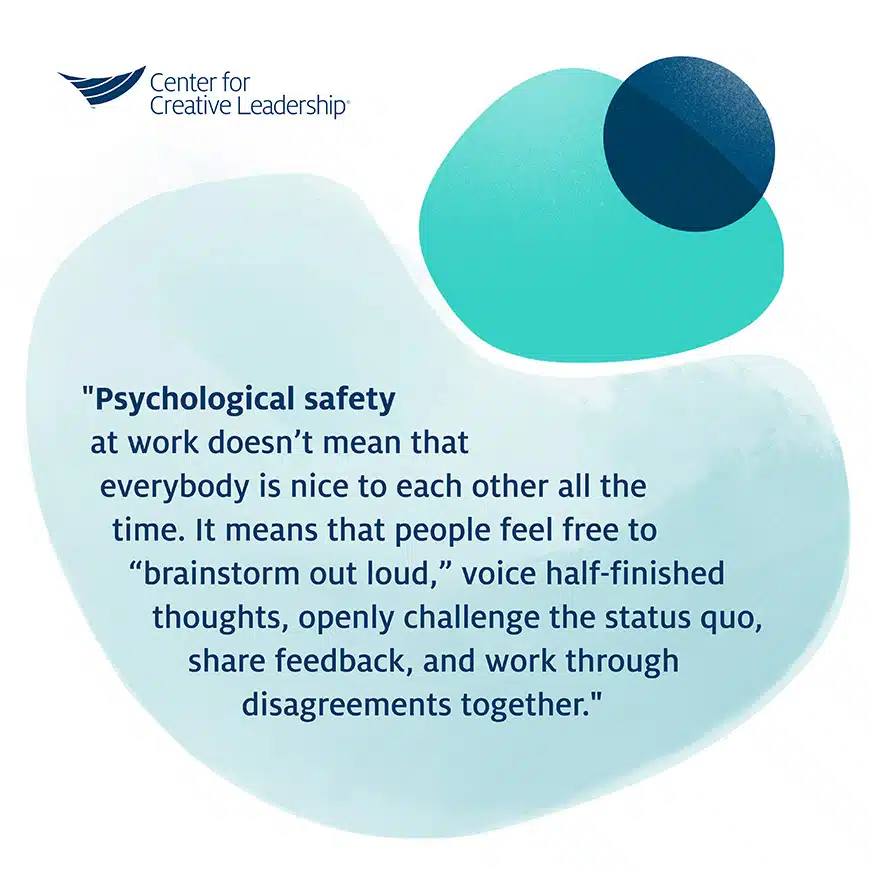
At its core, psychological safety in the workplace is not about constant amiability or the absence of disagreement. Instead, it signifies a team culture where members feel secure enough to "brainstorm out loud," articulate half-formed thoughts, challenge the status quo, offer feedback, and navigate disagreements constructively. This is underpinned by the understanding that leaders value honesty and candor, and that teammates will support each other. When psychological safety is present, employees are comfortable "laying themselves on the line" without fear of reprisal. Organizations that cultivate such environments are demonstrably better positioned to harness the full potential of their workforce.
A research study involving nearly 300 leaders over a 2.5-year period corroborated these findings. Teams exhibiting high degrees of psychological safety reported significantly higher levels of performance and notably lower levels of interpersonal conflict. This data underscores the direct correlation between a safe environment and positive team dynamics.
However, it is critical to acknowledge that perceptions of psychological safety can vary significantly among team members. The stakes are particularly high for senior leadership teams, where research has indicated the greatest discrepancies in perceived safety levels. In one sample, a substantial 62% of senior teams demonstrated considerable variability in their members’ sense of psychological safety. This disparity can have profound business repercussions. When innovative ideas remain unspoken due to fear, creative problem-solving is stifled, and teams are unable to collaborate and innovate to their full potential.
The Undeniable Importance for Organizational Success
The importance of psychological safety in the workplace extends far beyond fostering positive interpersonal relationships; it directly impacts an organization’s financial health and long-term viability. A consistently high level of psychological safety unlocks the full contributions of all talent within an enterprise, equipping the organization to proactively prevent failures and capitalize on opportunities.
Organizations have long recognized the benefits of diversity of thought, understanding that individuals with varied life experiences are better equipped to identify problems and devise creative solutions. Yet, the effectiveness of this diversity is contingent on an environment where all voices can be heard. When team members are hesitant to speak up due to fear of negative repercussions, the organization forfeits the invaluable insights and perspectives that could drive progress.
A 2019 Gallup poll highlighted this critical gap, revealing that only three out of ten employees strongly agreed that their opinions were valued at work. This statistic is particularly concerning when considering the challenges faced by members of marginalized social identity groups. For instance, a recent survey by Catalyst indicated that nearly half of female business leaders encounter difficulties speaking up in virtual meetings, with one in five reporting feeling overlooked or ignored during video calls. Individuals from historically underrepresented groups often experience these realities with even greater intensity.
Colleagues who perceive their work environment as psychologically safe are more inclined to engage in interpersonal risk-taking behaviors that are essential for organizational innovation. This includes speaking up with novel ideas, posing challenging questions, voicing unspoken reservations, and respectfully disagreeing. Such behaviors cultivate a more robust, dynamic, innovative, and inclusive organizational culture. Conversely, low psychological safety can lead to initiatives that are destined to fail moving forward unchallenged, a diminished capacity to prevent errors, and widespread employee disengagement. When employees are not fully invested in shared organizational success, ideas are not rigorously stress-tested, processes remain suboptimal, and solutions are not thoroughly vetted, representing a significant loss of untapped potential.
Navigating the Modern Workplace: Increased Complexity and Opportunity
The advent of the hybrid workplace and the widespread adoption of remote work arrangements since the global pandemic have introduced new complexities to fostering psychological safety. Leaders now face the challenge of building trust and connection when team members are not co-located and many interactions occur virtually. The absence of spontaneous, in-person conversations can make it more difficult to gauge team dynamics and build rapport.
However, these very challenges can present unique opportunities for leaders. Leading remote teams, when approached intentionally, can foster deeper connections and enhance psychological safety. In virtual meeting settings, leaders can maintain focused eye contact with participants, a practice that might feel awkward or intrusive in person but is more readily accepted on video calls. This allows leaders to absorb not only the spoken words but also the underlying emotions and values conveyed by speakers. By seizing these opportunities, leaders can explore authentic communication in virtual settings, prioritizing active listening and genuine engagement.
Furthermore, many individuals find it easier to express vulnerable thoughts and concerns through the written word on a screen, such as in a meeting chat, than to articulate them verbally in person. This allows for more considered responses and can maximize the impact of their contributions. Leaders who acknowledge the courage it takes for individuals to share their honest thoughts, and respond with appreciation, can significantly bolster psychological safety.
Eight Steps Towards Cultivating Psychological Safety
Creating a psychologically safe workplace requires deliberate effort and a commitment from leadership. Here are eight key steps leaders can implement:
-
Make Psychological Safety an Explicit Priority: Openly discuss the importance of psychological safety with your team, connecting it to broader organizational goals like innovation, engagement, and inclusion. Model desired behaviors by asking for and offering help freely. Employ inclusive leadership practices to set the tone.
-
Facilitate Everyone Speaking Up: Cultivate genuine curiosity and champion frankness and truth-telling. Act as an open-minded, compassionate leader, prepared to listen when team members voice challenging perspectives. Organizations with a strong coaching culture are more likely to foster team members who possess the courage to speak their truth.

-
Establish Norms for Handling Failure: Avoid punishing experimentation and reasonable risk-taking. Frame mistakes as opportunities for growth and learning. Share your own hard-won lessons from failures to encourage innovation rather than stifle it. Use candor when expressing disappointment while also offering genuine appreciation.
-
Create Space for New Ideas (Even Wild Ones): Provide challenges within a supportive framework. Be open to accepting highly creative, unconventional ideas, even if they are not yet fully formed. While asking tough questions is important, always maintain a supportive demeanor.
-
Embrace Productive Conflict: Foster sincere dialogue and constructive debate, and work towards resolving conflicts productively. Establish clear team expectations that contribute to psychological safety, and actively discuss these expectations with your team. This includes addressing questions like: How will we ensure everyone has an opportunity to contribute? How will we handle disagreements? How will we ensure feedback is constructive and received well?
-
Pay Close Attention and Look for Patterns: Monitor team members’ perceived patterns of psychological safety, rather than just an overall average. Identify if certain individuals consistently experience lower or higher levels of safety. Psychological safety is dynamic and can fluctuate; periodic surveys are insufficient for tracking these shifts. Leaders can observe behavioral signals related to learning, voice, openness, and integration to gauge team sentiment in real-time.
-
Make an Intentional Effort to Promote Dialogue: Develop skills in both giving and receiving feedback, and create avenues for team members to voice concerns. Pose powerful, open-ended questions and actively listen to understand not only facts but also underlying feelings and values. Invest in strengthening the quality of conversations across the organization, as better conversations directly lead to a better culture. Enhanced feedback skills, combined with a psychologically safe environment, will encourage team members to share reservations and propose solutions that have undergone rigorous stress-testing.
-
Celebrate Wins: Acknowledge and celebrate successes, however small. Positive interactions are built on trust and mutual respect. Share credit, embrace collective expertise, and move away from a singular "hero" mentality. Expressing gratitude reinforces team members’ sense of self and encourages them to take risks, ask for help, and admit mistakes, fostering a reciprocal environment of trust.
The Four Stages of Psychological Safety
As organizations mature in their journey to build psychological safety, four distinct stages typically emerge. These stages, as outlined by Dr. Timothy Clark, author of The 4 Stages of Psychological Safety, represent a progression that enables employees to feel comfortable making valuable contributions and challenging the status quo.
-
Stage 1: Inclusion Safety: This foundational stage addresses the basic human need to connect and belong. Individuals feel safe to be themselves and are accepted for their unique attributes and characteristics.
-
Stage 2: Learner Safety: Satisfying the need to learn and grow, this stage allows individuals to feel safe engaging in the learning process. This includes asking questions, giving and receiving feedback, experimenting, and learning from mistakes.
-
Stage 3: Contributor Safety: This stage fulfills the need to make a difference. Employees feel secure using their skills and abilities to make meaningful contributions to the organization.
-
Stage 4: Challenger Safety: Addressing the need to improve, this stage empowers individuals to speak up and challenge the status quo when they identify opportunities for change or enhancement.
When a team or organizational climate is characterized by interpersonal trust, respect, and a strong sense of belonging, members are more likely to collaborate effectively and take risks, ultimately driving innovation.
Psychological Safety as a Mirror to Organizational Culture
The prevailing levels of psychological safety within an organization serve as a direct reflection of its climate and culture. Culture, often defined as "the way we do things around here," is shaped by the collective actions and beliefs of all individuals. Leaders, in particular, play a pivotal role in molding this culture.
While transforming organizational culture is a challenging and often lengthy process, building psychological safety for everyone is an endeavor with profound rewards. The journey of transformation is best approached through incremental changes that yield consistent wins. Encouraging a commitment to improving by just 1% each day can lead to exponential organizational strength over time.
Ultimately, the goal is to cultivate a workplace where team members are not apprehensive about rejection when they speak up. When this is achieved, interpersonal risk-taking becomes the norm, and teams become significantly more adaptable and resilient in the face of change. Such environments empower individuals to understand the challenges and opportunities within the organization and to recognize their own integral role in making it a better place.
Organizations that actively invest in fostering psychological safety are not only creating more positive and engaging work environments but are also building a more robust, innovative, and future-ready enterprise. The benefits are clear: improved performance, reduced conflict, enhanced creativity, and a workforce that is empowered to contribute its best.








