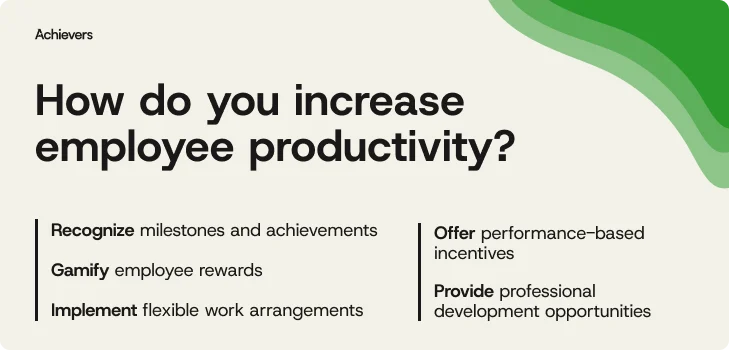
The pursuit of enhanced employee productivity has long been a cornerstone of organizational success, yet current global trends reveal a significant disconnect between potential and realization. At its core, employee productivity hinges on enabling individuals to concentrate on their most impactful work, equipped with the necessary resources and support, and to progress steadily without encountering undue obstacles. This fundamental requirement is proving elusive for a substantial number of organizations worldwide.
Recent data paints a stark picture: a mere 20% of employees globally reported feeling engaged in their roles in 2025. This widespread disengagement translates into a staggering estimated $10 trillion in lost productivity annually, according to research by Gallup. The root causes are seldom dramatic or overtly negative; rather, they are deeply structural. These include ambiguous priorities, a fragmented landscape of disconnected digital tools, inconsistent or absent recognition for contributions, and work that often feels demanding but lacks a sense of meaningful purpose. This article delves into ten practical strategies designed to bolster employee productivity, from refining communication channels to reinforcing recognition programs, aiming to foster a symbiotic relationship between efficiency and engagement, rather than allowing them to operate in perpetual conflict.
Understanding the Multifaceted Nature of Employee Productivity
Employee productivity is broadly defined as the efficiency with which individuals complete their assigned tasks. This is typically quantified by measuring output in relation to input – essentially, the quality and volume of work produced within a given timeframe. However, a critical nuance exists: true productivity is not merely about the sheer number of tasks checked off a list. It is fundamentally about cultivating a sustainable equilibrium between operational efficiency and employee well-being. The consequences of neglecting this balance are severe, leading to widespread burnout, which demonstrably erodes performance and diminishes overall results. Gallup’s findings underscore this point, indicating that engaged employees are a remarkable 17% more productive than their disengaged counterparts. Therefore, achieving a harmonious balance – driving performance without precipitating employee exhaustion – is paramount. The adage that a happy team is a productive team, while seemingly simple, holds profound truth in the contemporary workplace.
Ten Strategic Imperatives for Elevating Workplace Productivity
The continuous goal of increasing employee productivity is a constant endeavor for any forward-thinking organization. Crucially, this objective is not met by simply demanding longer hours or more intense effort. Instead, the focus must shift towards working smarter, not harder. By strategically addressing key influencing factors such as recognition, the clarity of objectives, the effectiveness of communication, and the promotion of a healthy work-life balance, companies can cultivate a workforce that is not only more efficient but also significantly more motivated and engaged. The following ten strategies offer a comprehensive approach to enhancing productivity while simultaneously safeguarding and elevating employee morale.
1. Cultivating a Culture of Recognition and Engagement
Recognition serves as a powerful mechanism for reinforcing the behaviors that directly contribute to organizational success. When employees consistently feel that their contributions are observed and genuinely valued, their propensity to remain engaged and to channel their efforts into high-impact activities increases substantially. The provision of consistent and timely recognition acts as a powerful catalyst, building not only morale but also a tangible sense of momentum. Furthermore, it provides employees with a clear understanding of what constitutes exemplary performance, setting aspirational benchmarks for all.
2. Establishing Crystal-Clear Goals and Expectations
Productivity levels can plummet rapidly when organizational priorities are vague or subject to constant, unpredictable shifts. The establishment of well-defined goals provides employees with a unified understanding of what is most important and establishes a clear framework for measuring success. Frameworks such as SMART (Specific, Measurable, Achievable, Relevant, Time-bound) goals are instrumental in helping teams to precisely focus their time and energy, thereby minimizing rework and mitigating confusion. When expectations are unambiguously articulated, individuals are empowered to move forward with confidence, free from the debilitating effects of constant second-guessing.
3. Optimizing Communication and Collaboration Dynamics
Effective work is intrinsically linked to the seamless flow of information. Robust internal communication protocols and strong collaborative practices are essential for reducing delays, preventing the duplication of effort, and minimizing unnecessary friction between teams. When employees possess the ability to easily share updates, pose critical questions, and reach consensus on decisions, the pace of work accelerates, and the occurrence of avoidable complications is significantly reduced.
4. Investing in Professional Development and Training
Employee productivity is intrinsically tied to their capacity to adapt and keep pace with evolving demands and technological advancements. Comprehensive training and development programs equip employees with the necessary skills to perform their current roles more effectively while simultaneously preparing them for future challenges and opportunities. When an organization actively supports employee growth, individuals tend to exhibit greater confidence, enhanced capability, and a deeper investment in the quality of their work.
5. Enhancing the Workplace Environment
The physical or remote work environment plays a more significant role in employee productivity than is often acknowledged. The provision of comfortable workspaces, thoughtful design elements, and the minimization of distractions collectively contribute to an employee’s ability to concentrate effectively. When the environment is conducive to the nature of the work being performed, employees expend less energy compensating for suboptimal conditions and dedicate more time to producing impactful results.
6. Leveraging Technology and Automation Strategically
The judicious application of appropriate technology can significantly reduce the burden of mundane, repetitive tasks, thereby liberating employees to focus on higher-value activities. Automation can effectively manage routine processes, while integrated collaboration and planning tools ensure teams remain organized and synchronized. When technological systems are designed to work in concert, productivity naturally improves, not because individuals are compelled to work faster, but because they are empowered to work more intelligently.
7. Championing Work-Life Balance and Employee Well-being
Sustained productivity is fueled by energy and vitality, not by sheer endurance. The offering of flexible work arrangements, comprehensive wellness support, and the establishment of realistic workloads are critical in preventing burnout before it manifests as disengagement or errors. When employees have adequate opportunities to rest and recharge, they are demonstrably better equipped to maintain focus, engage in effective problem-solving, and sustain consistent performance levels over the long term.
8. Streamlining Processes and Pruning Unnecessary Meetings
Overly complex workflows and an excessive number of meetings can quietly but effectively siphon away valuable productive time. The streamlining of operational processes and the strategic elimination of meetings that do not contribute tangible value return precious time to employees for focused, deep work. A reduction in interruptions directly translates to clearer thinking, faster execution, and a decrease in pervasive frustration across teams.
9. Implementing Robust Performance Tracking and Feedback Systems
Productivity experiences significant improvement when feedback is delivered in a timely, specific, and constructive manner. Ongoing performance tracking, coupled with regular check-ins, provides employees with a clear understanding of their progress and identifies areas where adjustments may be beneficial. These clear feedback loops serve to eliminate unwelcome surprises, foster a culture of continuous improvement, and ensure that individual progress remains aligned with overarching expectations.

10. Promoting Team Building and Workplace Connections
The cultivation of strong interpersonal working relationships significantly enhances the ease and effectiveness of collaboration. When employees trust one another and feel a genuine sense of connection to their teams, communication flows more freely, and problems are resolved with greater alacrity. Productivity benefits immensely when individuals derive satisfaction from their collaborative efforts, not solely from the enjoyment of the process, but from the tangible reduction of friction and obstacles.
Critical Factors Influencing Employee Productivity
Employee productivity does not exist in an isolated vacuum; it is profoundly shaped by a myriad of elements, ranging from the overarching organizational culture to the specific technological infrastructure in place. A comprehensive understanding of the underlying drivers of employee performance is essential for creating an environment where individuals can not only thrive but also find genuine satisfaction in their daily work. Let us examine the most significant factors and their impact when they are either effectively managed or neglected.
Workplace Culture and Environment: The Foundation of Performance
A positive and supportive workplace culture acts as a powerful catalyst, enabling employees to perform at their best. Conversely, a toxic or unsupportive environment can act as a significant deterrent, often leading to increased turnover and reduced morale. Factors such as psychological safety, opportunities for growth, and a sense of belonging are integral to a thriving culture.
Employee Engagement and Motivation: The Driving Force
When employees feel a genuine connection to their work and their organization, they are more likely to invest their full effort and creativity. Conversely, a lack of engagement often results in employees merely fulfilling their basic job requirements without contributing discretionary effort. Fostering intrinsic motivation through meaningful work and clear career paths is crucial.
Access to the Right Tools and Technology: The Enabler of Efficiency
The availability of appropriate and well-functioning tools and technology can transform wasted time into tangible output. Inefficient or outdated systems, however, can turn productive hours into frustrating troubleshooting sessions. Ensuring employees have access to a modern, integrated technology stack is a critical investment.
Workload Management and Role Clarity: The Path to Focus
Clearly defined roles and equitable workload distribution are fundamental to maintaining employee focus and preventing burnout. When employees understand their responsibilities and their workload is manageable, they are better positioned to concentrate on their tasks without feeling overwhelmed or frazzled.
Leadership and Management Style: The Guiding Influence
Effective leadership can illuminate the path forward for employees, providing direction and support. Conversely, ineffective or obstructive management can create significant barriers to progress. A supportive and visionary leadership style is instrumental in fostering a productive and motivated workforce.
Measuring Success: Quantifying Productivity Improvements
The principle of "you can’t improve what you don’t measure" holds particularly true for employee productivity. Guesswork is an unreliable strategy; instead, organizations must establish Key Performance Indicators (KPIs) that directly align with their strategic objectives. Metrics such as output per employee, project turnaround times, and customer satisfaction scores provide valuable insights into real performance, distinguishing genuine productivity from mere busywork. For instance, the speed of email response, while seemingly efficient, does not inherently equate to productive output.
However, quantitative data alone does not tell the complete story. Employee feedback and engagement surveys offer invaluable qualitative insights into underlying motivation, the perceived level of support, and potential areas of friction. Platforms that capture real-time employee sentiment can provide a more accurate and nuanced understanding of both engagement and productivity trends.
A compelling case study is Sobeys, a large retail organization. By integrating a robust recognition and feedback system through Achievers, they reported a significant uplift in both employee engagement and overall productivity across their extensive workforce of 131,000 employees. This illustrates the power of combining quantitative metrics with qualitative employee feedback to create a comprehensive picture and a clear roadmap for continuous improvement.
Driving Sustainable Productivity: The Path Forward
The endeavor to boost employee productivity should not be misconstrued as an effort to extract every last ounce of energy from a workforce. Instead, it is about constructing a workplace environment where individuals are intrinsically motivated to perform at their highest level. From nurturing a culture that consistently celebrates achievements to establishing unambiguous goals, streamlining technological processes, and prioritizing employee well-being, the most effective strategies are invariably those that place people at the forefront, with processes following as a supportive mechanism.
For organizations seeking enduring results, the reliance on mere willpower, copious amounts of caffeine, or optimistic hopes is an insufficient strategy. A genuine investment in the right tools, a commitment to actively listening to employee feedback, and the creation of an environment that actively supports individual and collective thriving are essential. When employees feel empowered, engaged, and appropriately resourced, sustained productivity naturally becomes an outcome.
The ultimate benefit of cultivating a highly productive workforce extends far beyond immediate gains in output. It is a fundamental driver of employee retention, a catalyst for innovation, and a cornerstone of long-term business growth. Ultimately, prioritizing the well-being and empowerment of one’s people proves to be not just an ethical imperative, but the most astute and strategic business decision an organization can make.