The digital age has ushered in an era where first impressions are increasingly curated through pixels and algorithms. In the professional realm, this often manifests in the form of profile pictures, particularly on platforms like LinkedIn. While a polished headshot can convey professionalism and approachability, the rise of sophisticated AI-generated imagery is creating a new, subtle dilemma: when does a perfect picture become a red flag, signaling inauthenticity and potentially undermining professional credibility? This article delves into the growing concern surrounding AI-generated headshots in professional networking, exploring their impact on trust, perception, and the fundamental nature of human connection in business.
The narrative begins with a personal anecdote, highlighting an immediate, visceral reaction to an overly perfect profile picture. The author recounts an interaction on LinkedIn with a young woman pitching her company’s services. The headshot was technically flawless – good lighting, clean background, a professional veneer. Yet, this very perfection triggered a sense of unease, described as an "uncanny valley" experience, akin to encountering a Stepford wife. This gut feeling, an automatic response rather than a deliberate analysis, led the author to disengage from the potential business opportunity. This immediate dismissal underscores a critical point: profile pictures are not mere decorations; they are potent signals that shape perception before any substantive interaction occurs.
The Shifting Landscape of Professional Visuals
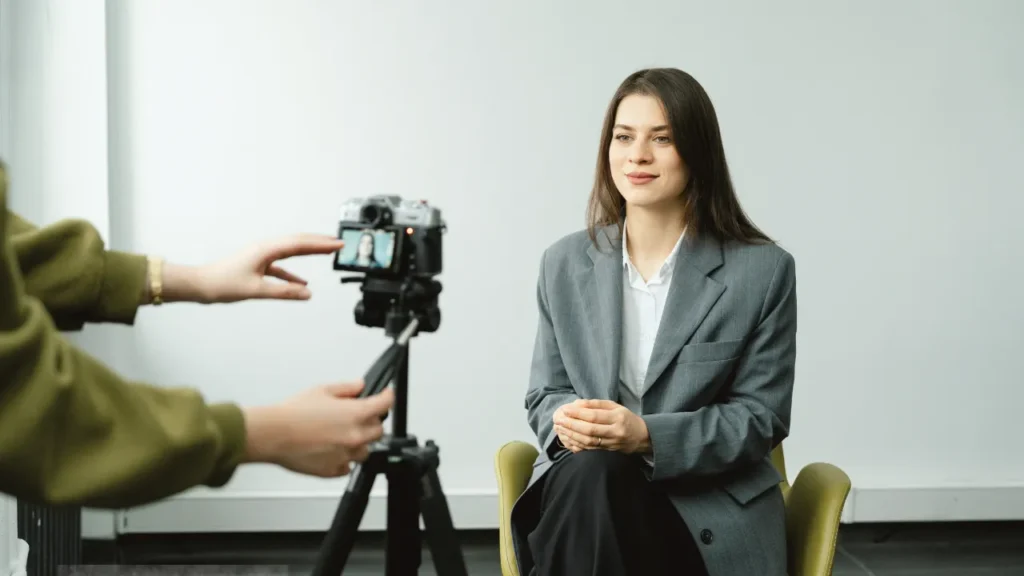
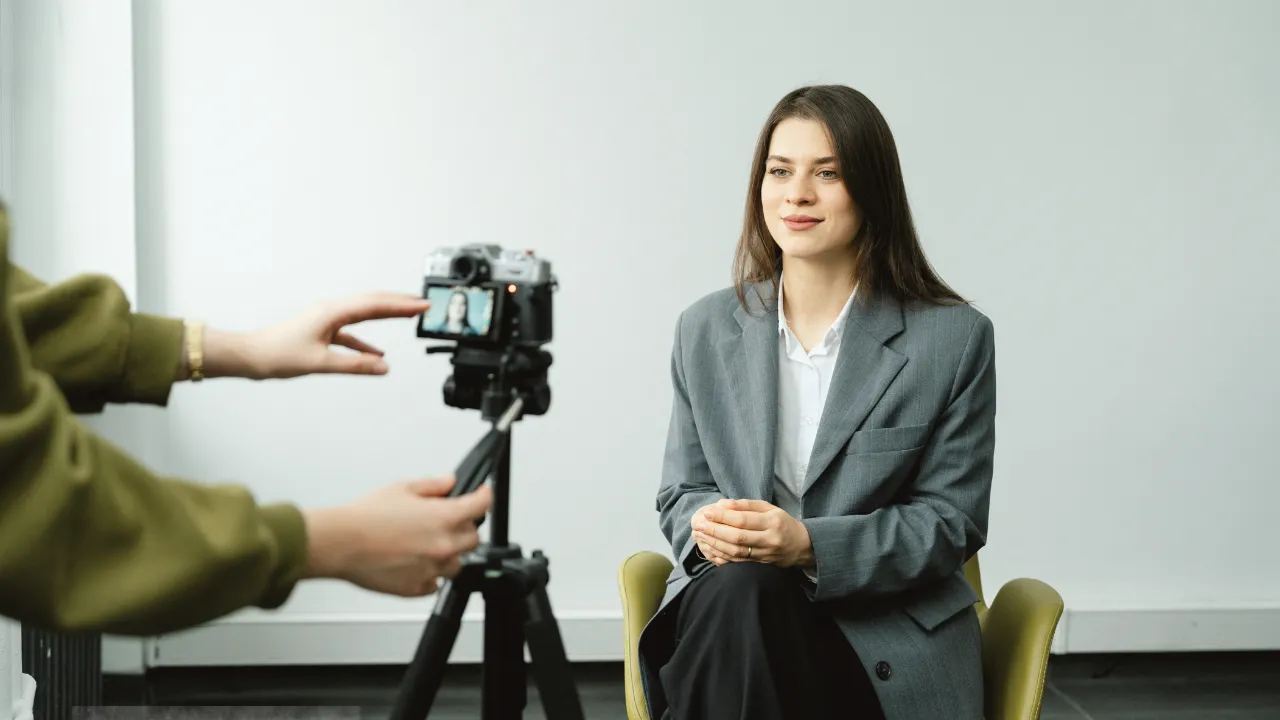
The professional world has long understood the power of a well-crafted headshot. For decades, photographers have specialized in capturing individuals in a way that highlights their best qualities, projecting confidence, competence, and approachability. This process involves understanding lighting, posing, and expression to create an image that resonates positively with viewers. The author, a headshot photographer, emphasizes the transformative impact a good headshot can have on an individual’s self-perception and, consequently, their professional interactions. This personal investment in authentic representation is contrasted sharply with the perceived ease of generating AI-generated images.
The underlying issue with AI headshots, as argued by proponents of authentic imagery, lies in the signal they transmit. While a user might choose an AI image because it closely resembles them or because they find it aesthetically pleasing, the audience may interpret it differently. The perception of "low effort" is a recurring theme. In a professional context, where diligence, attention to detail, and genuine engagement are highly valued, an AI-generated headshot can inadvertently suggest a tendency to cut corners or seek the path of least resistance. This is particularly concerning in hiring processes or when seeking new business partnerships, where trust and reliability are paramount.
AI Headshots: A Signal of Inauthenticity?
The proliferation of AI image generation tools has made it increasingly accessible to create highly realistic, yet entirely fabricated, portraits. These tools can synthesize faces based on prompts, allowing users to generate an image that is tailored to their desired appearance. While the technology itself is remarkable, its application in professional contexts raises significant ethical and practical questions.
The core of the debate centers on authenticity. In business, trust is the bedrock of relationships. When individuals present a digital representation that is not their actual likeness, it can be perceived as a form of deception. This is akin to "catfishing" on a dating app, a behavior widely condemned for its dishonesty. In a professional setting, a fake handshake, represented by an inauthentic profile picture, can erode the nascent trust necessary for any successful business engagement.
Data and Trends in Digital Identity
While specific data on the prevalence of AI headshots in professional networks is still emerging, anecdotal evidence and the rapid advancement of AI technology suggest a growing trend. Studies on online first impressions consistently highlight the significant role of visual cues. For instance, research in social psychology has shown that even fleeting glances at profile pictures can trigger rapid judgments about personality traits, including trustworthiness and competence. The advent of AI-generated images complicates these judgments by introducing a layer of artificiality that may not be immediately discernible but can still influence perception.

The economic implications of this trend are also worth considering. Companies and individuals invest considerable resources in building their brand and reputation. If AI-generated images are perceived as disingenuous, they could inadvertently damage this investment. The author’s experience of immediately disengaging from a potential business contact due to a suspicious headshot illustrates the tangible consequences of this phenomenon. This suggests that while AI can offer convenience, it may come at the cost of genuine connection and credibility.
The Psychological Impact of Authentic Representation
Beyond the immediate transactional aspects of business, the psychological impact of authentic representation is profound. For individuals who have worked hard to achieve personal and professional growth, their face, in a sense, becomes a "scoreboard" of their habits, discipline, and experiences. A genuine headshot captures this journey, reflecting the effort, self-care, and dedication that have shaped them. To replace this with a computer-generated hallucination, as the author eloquently puts it, is to dilute the very essence of their achievements.
The pride derived from a well-executed, authentic headshot is a powerful motivator. It signifies a self-acceptance that allows individuals to present their best, real selves to the world. This is fundamentally different from the satisfaction derived from an AI-generated image, which may offer a superficially improved appearance but lacks the underlying authenticity of lived experience. The author’s belief that a real photograph, even if it captures a less-than-perfect moment, is superior to a dozen fake ones because it is "honest and intentional" encapsulates this sentiment.
The Unraveling of Trust: A Broader Implication
The implications of widespread AI-generated professional imagery extend beyond individual interactions. In a broader sense, it threatens to create a digital landscape where authenticity becomes increasingly scarce and suspect. When the visual cues we rely on to gauge sincerity and credibility are manufactured, the foundation of trust that underpins professional networks begins to erode.
Consider the potential impact on remote work and distributed teams, where visual representation plays a crucial role in fostering a sense of camaraderie and shared identity. If colleagues are presenting artificial versions of themselves, it can create a subtle but persistent barrier to genuine connection and team cohesion.
Furthermore, the ease with which AI can generate deceptive imagery raises concerns about the future of professional verification. As AI technology advances, distinguishing between real and fake images may become increasingly difficult, potentially leading to a crisis of confidence in digital identity.
Expert Perspectives and Industry Reactions
While the original text is a personal reflection, a journalistic approach would seek broader perspectives. Experts in digital ethics, human-computer interaction, and professional branding have begun to weigh in on this evolving issue. Many express concern that the widespread adoption of AI-generated professional profiles could lead to a devaluation of genuine human interaction and an increase in sophisticated scams.
"We are entering a phase where the line between reality and simulation is blurring at an unprecedented rate," states Dr. Anya Sharma, a leading researcher in digital ethics. "In professional environments, where trust is a currency, the use of artificial representations can have significant negative consequences. It’s not just about deception; it’s about the erosion of the very fabric of professional relationships."

Professional networking platforms themselves are grappling with how to address this challenge. While some may implement AI detection tools, others are focusing on educational initiatives to guide users on best practices for online representation. The long-term strategy for platforms like LinkedIn will be critical in shaping how this trend evolves.
Navigating the Future: The Value of Authenticity
The author’s concluding thoughts offer a poignant reminder of the intrinsic value of authenticity. The anecdote about a friend using an AI photograph and her rationalization highlights a disconnect that can arise when convenience trumps integrity. The assertion that if one is "catfishing themselves," they are ultimately undermining their own credibility is a powerful critique.
The article implicitly argues for a conscious choice to prioritize authenticity in professional representation. This means embracing one’s real self, imperfections and all, and understanding that genuine confidence and likability are not manufactured but cultivated. The "best version of yourself" captured in a real photograph is one that has earned through effort and experience, not generated by an algorithm.
In conclusion, the rise of AI-generated headshots presents a complex challenge to the principles of trust and authenticity in the professional world. While the technology offers unprecedented creative possibilities, its application in professional networking necessitates careful consideration. The immediate, instinctual reactions to overly perfect, artificial imagery serve as a stark reminder that in the realm of human connection, genuine representation, even with its flaws, often speaks louder and builds stronger foundations than any flawless fabrication. The future of professional networking may depend on our collective ability to discern and value authentic human presence in an increasingly digitized world.