The landscape of corporate education has undergone a radical transformation, moving from a reactive pandemic-era necessity to a proactive, strategic driver of global workforce evolution. As organizations approach 2026, the traditional reliance on academic degrees is being superseded by sophisticated, AI-driven learning ecosystems designed to bridge the widening gap between institutional education and the practical demands of the modern enterprise. This shift represents a fundamental change in how businesses view human capital, treating continuous upskilling not as a peripheral benefit, but as a core engine for growth and competitive advantage in an era of unprecedented technological disruption.
The Strategic Pivot: Beyond Digital Content Delivery
The evolution of corporate learning can be categorized into distinct phases of maturity. In the immediate aftermath of 2020, the primary objective for most organizations was survival through digitization. This period saw a massive, often disorganized, rush to move classroom-based training into virtual environments. However, by 2024, the focus shifted from mere content delivery to the integration of learning into the broader business infrastructure.
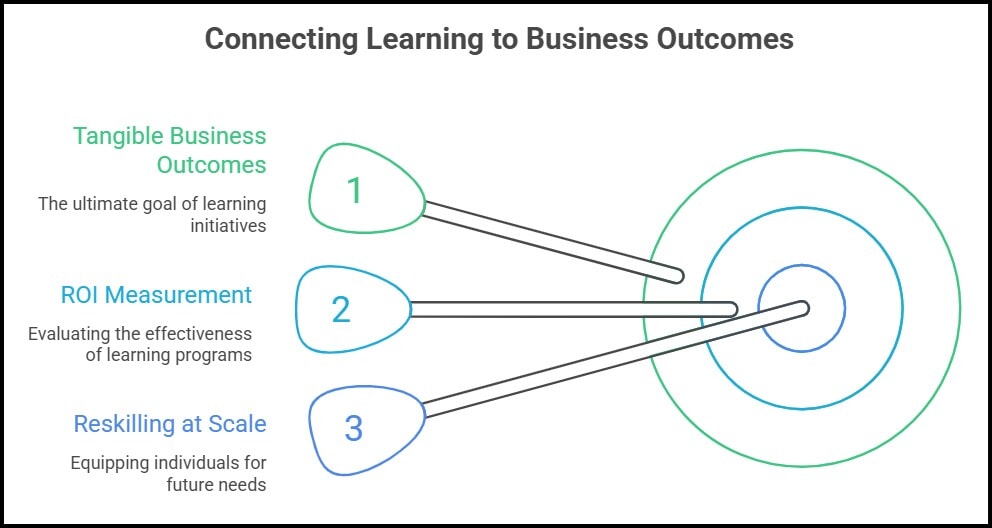
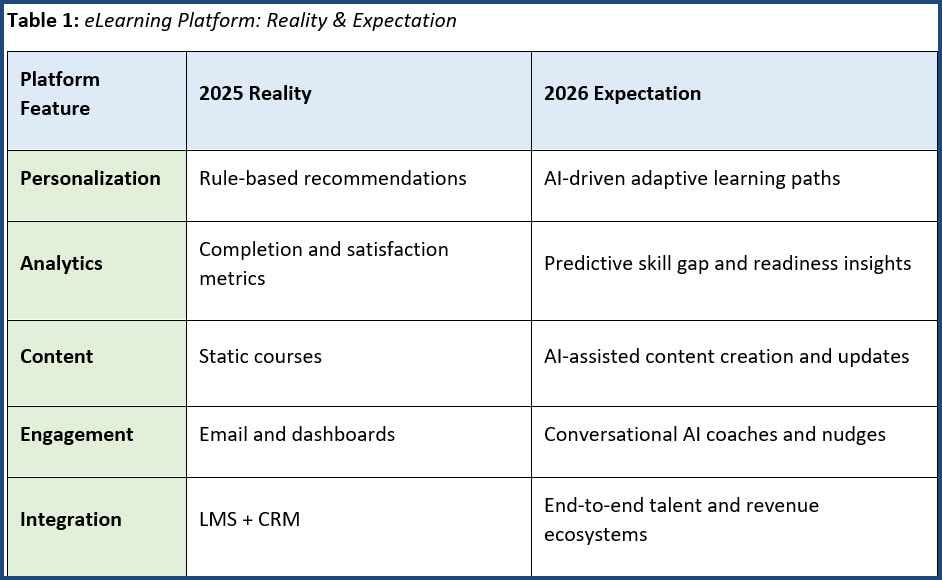
Today, the most successful enterprises have moved beyond the "emergency response" phase. They are now building integrated digital ecosystems that link learning management systems (LMS) with customer relationship management (CRM) tools, human resources information systems (HRIS), and advanced analytics. This integration allows for a seamless flow of data, enabling organizations to track how specific training modules correlate with sales performance, customer satisfaction scores, and employee retention rates. The goal is no longer just "completion" but "capability," ensuring that every hour spent in a digital classroom translates into a measurable business outcome.
A Chronology of Workforce Transformation (2020–2026)
To understand the current state of B2B learning, one must examine the chronological progression of the industry over the last half-decade:
2020–2022: The Digitization Sprint
Organizations focused on the rapid conversion of physical assets into digital formats. Speed was prioritized over user experience. Higher education institutions began offering their first major B2B platforms, though these often remained siloed from the actual workflows of the corporate partners.
2023–2024: The Integration Era
Enterprises began demanding more than just "Netflix-style" libraries of content. The focus turned to ecosystem integration. Platforms like Salesforce became central hubs where learning data was merged with business performance data. This period marked the beginning of the "skills-based organization," where job roles started being defined by competencies rather than titles.
2025: The Skills-Degree Realignment
A critical turning point occurred as research highlighted a massive disconnect between traditional education and workplace needs. Data from DeVry University indicated that 67% of employers found undergraduate degrees misaligned with the actual skills required for entry-level and mid-management roles. This led to a surge in co-created programs between universities and corporations.
2026 and Beyond: The Intelligence Phase
The current frontier is defined by the transition from static platforms to intelligent ecosystems. In this phase, AI does not just host content; it predicts needs. Learning environments are now capable of suggesting specific modules based on real-time market volatility, geopolitical shifts, and internal role changes.
Supporting Data: The Case for Skills-Based Learning
The urgency of this transformation is supported by a growing body of evidence suggesting that the traditional educational model is failing to keep pace with the Fourth Industrial Revolution. According to research from Preply, nearly 50% of the American workforce feels that their formal college education did not adequately prepare them for the complexities of their current jobs. This sentiment is echoed by employers who struggle to fill vacancies despite a high number of degree-holding applicants.
The "silent standoff"—a term used to describe the tension between employers who hesitate to invest in training for fear of talent poaching, and employees who feel they lack the resources to upskill themselves—is finally being resolved through B2B partnerships. By 2025, economic volatility and the acceleration of generative AI made skill relevance a "moving target." Organizations that failed to implement continuous learning loops saw a marked decrease in productivity and a higher rate of "skills obsolescence" among their staff.
The Role of Artificial Intelligence in Workforce Intelligence
Artificial Intelligence has moved from a speculative future technology to the foundational backbone of modern learning platforms. In 2026, AI-powered workforce upskilling is characterized by three core pillars: personalization, predictive insights, and automated integration.
- Adaptive Learning Paths: AI algorithms analyze a learner’s current proficiency, past performance, and career goals to create a hyper-personalized curriculum. This eliminates the "one-size-fits-all" approach that historically led to low engagement rates.
- Predictive Skill Gap Analysis: By analyzing market trends and internal business data, AI can predict which skills will be in high demand six to twelve months before the need becomes critical. This allows organizations to "pre-skill" their workforce for upcoming challenges.
- Conversational Coaching: Generative AI interfaces now act as 24/7 digital coaches, guiding learners through complex subjects, answering technical questions in real-time, and providing instant feedback on practical exercises.
From a technical perspective, the convergence of learning data and business data within ecosystems like Salesforce has been transformative. When an employee’s learning progress is visible alongside their performance metrics, education ceases to be a "cost center" and becomes a "growth engine." For example, if a service representative’s customer satisfaction scores dip, the system can automatically recommend a micro-learning module on conflict resolution or new product features.
Industry Reactions and Official Responses
Industry leaders and Chief Information Officers (CIOs) have increasingly voiced the need for a more integrated approach to human capital. In various industry forums, the consensus has shifted toward "human-centered AI."
"The challenge is no longer about the availability of information; it’s about the relevance of that information to the specific task at hand," noted one digital transformation executive during a recent workforce summit. "We are seeing a move away from ‘learning for the sake of learning’ toward ‘learning for the sake of doing’."
Higher education institutions are also responding to this pressure. Many universities have established dedicated B2B divisions that work directly with Fortune 500 companies to design "stackable" credentials. These programs allow employees to earn certifications that are both immediately applicable to their jobs and transferable toward a full degree later in their careers. This hybrid approach addresses the "silent standoff" by providing value to both the employer (immediate skill gain) and the employee (long-term career mobility).
Emerging Innovations: The 2026 Landscape
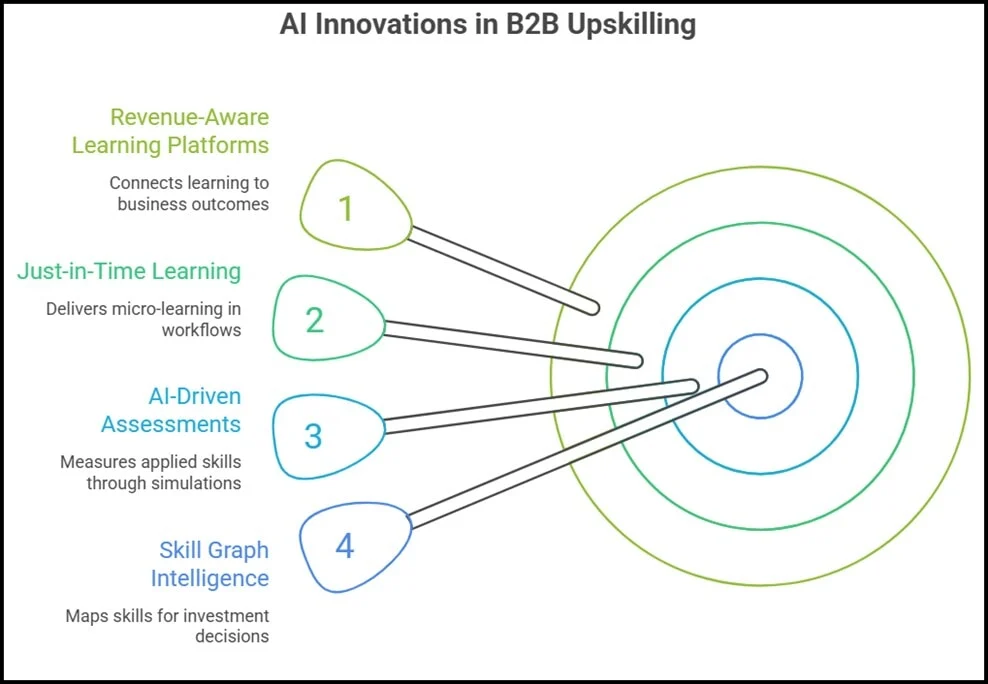
Several specific AI-driven innovations are currently reshaping the B2B upskilling market:
- Skill Taxonomies: AI now maps the internal skills of an entire organization, creating a "live" inventory of talent. This allows leaders to identify hidden experts within their ranks and deploy them to high-priority projects.
- Micro-Credentialing at Scale: Instead of multi-year programs, organizations are moving toward granular, high-impact certifications that can be completed in hours or days, directly addressing immediate project needs.
- Automated Enrollment and Invoicing: For large-scale B2B partnerships, the administrative burden has been solved through AI-driven automation within CRM systems, allowing for the seamless management of thousands of learners across different global regions.
Broader Impact and Economic Implications
The implications of this shift extend far beyond the corporate boardroom. On a macro-economic level, the transition to AI-powered, skills-based learning is a prerequisite for maintaining national competitiveness. As AI automates routine tasks, the "human" skills of critical thinking, complex problem-solving, and emotional intelligence become more valuable. However, these skills must be cultivated through intentional, data-driven programs.
Furthermore, the focus on relevance and transparency is rebuilding trust in the educational process. When workers see a clear path between a learning module and a promotion or a salary increase, engagement levels skyrocket. This transparency is essential for reducing the "future anxiety" that many workers feel in the face of rapid technological change.
In conclusion, the year 2026 represents a maturation of the digital learning industry. We have moved from the "what" (content) and the "where" (platforms) to the "how" (intelligence) and the "why" (business outcome). By leveraging AI to create deeply integrated, relevant, and human-centered learning experiences, organizations are not just training their employees—they are future-proofing their entire business model. The transition from digital platforms to intelligent learning ecosystems is not merely a technological upgrade; it is a fundamental re-imagining of the relationship between work, education, and human potential.