The conflation of employee rewards and benefits, a common oversight in corporate human resources, often stems from their shared goal of demonstrating employee value. However, a granular understanding of their distinct roles is critical for fostering a truly engaged, productive, and loyal workforce. While benefits serve as the foundational bedrock, encompassing the essential provisions employees expect as part of their employment contract, rewards function as dynamic instruments of recognition, motivation, and strategic reinforcement of desired behaviors that propel organizational progress. The intentional differentiation and thoughtful deployment of each are no longer mere HR best practices but a strategic necessity in today’s evolving talent landscape, particularly within the competitive and rapidly changing environment of the United Kingdom.
The Evolving Landscape of Employee Expectations in the UK
The nature of employee expectations has undergone a profound transformation in recent years, accelerated by global events and shifting societal values. Beyond competitive salaries, today’s workforce, especially in the UK, places unprecedented emphasis on holistic well-being, genuine work-life balance, and personalized benefits that resonate with their individual needs rather than feeling like generic, performative gestures. This shift is not merely a preference but a critical business consideration, with tangible financial implications for organizations that fail to adapt.
Recent research from the Institute for Public Policy Research (IPPR) starkly illustrates the cost of this misalignment, revealing a staggering £30 billion increase in costs to UK workplaces since 2018. This escalation is directly attributable to pervasive issues such as poor health, widespread burnout, and increased time away from work, collectively undermining productivity and operational efficiency. The COVID-19 pandemic, in particular, acted as a catalyst, prompting employees to re-evaluate their priorities, seek greater flexibility, and demand more comprehensive support for their mental and physical health. This period saw a rise in "presenteeism"—where employees are physically at work but unproductive due to illness or mental distress—and "quiet quitting," where individuals disengage from going above and beyond, strictly adhering to their job descriptions. These trends underscore a workforce yearning for authentic appreciation and support beyond the traditional remuneration package.
Conversely, investing in employee well-being has demonstrated significant returns. Research from Deloitte, a prominent global consultancy, indicates that for every £1 invested in mental health and well-being initiatives, UK employers realize an average return of £4.70 in enhanced productivity. This compelling data transforms well-being support from a perceived cost center into a strategic investment with a clear and measurable ROI. The message is unequivocal: a standardized, one-size-fits-all benefits package is no longer sufficient. A truly holistic and nuanced approach, incorporating a dedicated rewards program, is essential to address the multifaceted values of the contemporary workforce. When support is perceived as relevant and recognition is timely and authentic, it fosters a deeper sense of belonging, driving engagement, motivation, and ultimately, enduring loyalty.
Understanding Rewards vs. Benefits: A Deeper Dive
To effectively leverage these tools, organizations must first meticulously define their functions. Benefits are intrinsically tied to the employment contract, forming the foundational pillars of stability, well-being, and financial security that employees expect. They delineate clear terms of employment, establishing a baseline of support. Rewards, by contrast, are discretionary and dynamic, serving to acknowledge exceptional effort, celebrate milestones, reinforce positive behaviors, and highlight individual or team contributions in real time. While benefits cultivate a sense of consistency and security, rewards provide the critical impetus for individuals to feel truly seen, valued, and understood, signaling what behaviors and achievements are celebrated within the organizational culture.
What are Benefits? The Non-Negotiable Foundations
Benefits represent the fundamental aspects of an employment package, many of which are statutorily required or have become industry standards. They are designed to provide a safety net and ensure basic well-being and security.
- Statutory Benefits: In the UK, these include minimum holiday entitlement (28 days for full-time employees, including bank holidays), statutory sick pay (SSP), statutory maternity, paternity, and adoption leave, and National Insurance contributions. These are non-negotiable legal obligations for employers.
- Workplace Pensions: Mandatory enrollment in a workplace pension scheme is a cornerstone of financial security for employees, ensuring a provision for retirement.
- Health and Safety Provisions: Employers are legally bound to provide a safe working environment, which includes risk assessments, appropriate equipment, and training.
- Other Common Benefits: Beyond legal requirements, many employers offer additional benefits such as private medical insurance, life assurance, income protection, cycle-to-work schemes, discounted gym memberships, or employee assistance programs (EAPs) for mental health support. These are often considered standard components of a competitive compensation package and are crucial for attracting and retaining talent. They contribute to an employee’s overall financial and personal stability, acting as a crucial component of their decision to join and remain with an organization.
What are Rewards? The Drivers of Engagement and Performance
Rewards are strategic tools used to motivate, recognize, and reinforce specific actions and outcomes. They are typically discretionary, varied, and often personalized, designed to make employees feel genuinely appreciated for their contributions.
- Recognition Programs: These can range from formal peer-to-peer recognition platforms, where colleagues can acknowledge each other’s efforts, to manager-led shout-outs, digital badges, or public acknowledgments in company meetings or newsletters. The key is timeliness and specificity.
- Incentives: These are often tied to specific goals or achievements, such as sales bonuses for exceeding targets, project completion bonuses for outstanding teamwork, or innovation awards for creative problem-solving.
- Professional Development: Offering access to specialized training courses, certifications, mentorship opportunities, or funding for higher education can be a powerful reward, demonstrating investment in an employee’s long-term career growth.
- Experiential Rewards: Beyond monetary value, experiences can be highly motivating. Examples include team outings, company-sponsored events, tickets to cultural or sporting events, or even an extra day off.
- Lifestyle Perks: These are tailored to enhance an employee’s personal life and well-being. Examples include flexible working arrangements (beyond a standard policy), subsidized wellness activities (e.g., yoga classes, mindfulness subscriptions), discounted services (e.g., travel, retail), or even personalized gifts aligned with individual interests.
The most impactful rewards are those that are personal, intentional, transparent, and aligned with what employees genuinely value and with the organization’s strategic objectives and cultural values. They are not merely transactional but relational, building a stronger bond between the employee and the employer.
The Risks of Merging Rewards with Traditional Benefits
While both rewards and benefits aim to demonstrate employee value, conflating them can dilute the efficacy of both. Benefits, as the expected fundamentals, provide a sense of security and a baseline of support. Rewards, conversely, are designed to inspire, acknowledge exceptional effort, and celebrate specific achievements. When these two distinct concepts are blended, the line between what is earned through outstanding contribution and what is simply an entitlement of employment becomes blurred.
This blurring carries several significant risks:
- Devaluation of Recognition: If a "reward" is perceived as just another benefit, its power to motivate and acknowledge goes down. Employees may feel less genuinely recognized if a special bonus feels like a standard perk rather than an acknowledgment of extraordinary effort.
- Reduced Motivation: When discretionary recognition is perceived as an entitlement, it loses its capacity to inspire employees to go above and beyond. Why strive for excellence if the recognition for it is indistinguishable from standard employment provisions?
- Misallocation of Resources: Organizations might inadvertently spend resources on "rewards" that do not resonate as impactful recognition, thus failing to achieve the desired motivational outcomes.
- Erosion of Culture: A strong rewards program reinforces desired behaviors and organizational values. If rewards are indistinct from benefits, they fail to communicate what truly matters to the company, potentially leading to a less cohesive and purpose-driven culture.
- Confusion and Dissatisfaction: Employees may become confused about the purpose of various offerings, leading to dissatisfaction if expectations for recognition are not met in a meaningful way.
In the UK context, many benefits platforms that attempt to incorporate "recognition" often fall short. They provide transactional, generic recognition that lacks personalization and impact. Feedback mechanisms are often rudimentary, and performance incentives are treated as afterthoughts. This represents a significant missed opportunity for UK companies to cultivate a vibrant culture, boost employee engagement, and enhance retention in a fiercely competitive talent market. The distinction is crucial: benefits build stability, while rewards build momentum and reinforce a culture of appreciation and high performance.
Why Rewards Should Be a Standalone Program
Treating rewards as a standalone program allows for precision, personalization, and agility that a generalized benefits package cannot offer. This dedicated approach ensures that recognition is tailored, impactful, and clearly communicates value. High-quality rewards platforms, like Achievers, are specifically engineered for flexibility and responsiveness, adapting to the individual, the context of their contribution, and the specific behaviors being recognized. This moves beyond a "one-size-fits-none" approach to truly impactful recognition.
Key advantages of a standalone rewards program include:

- Targeted Reinforcement: Rewards can be precisely aligned with specific performance metrics, project milestones, or demonstrations of company values, making the recognition highly relevant and meaningful.
- Personalization and Choice: Modern platforms allow employees to choose rewards that genuinely appeal to them, whether it’s a gift card for their favorite store, a charitable donation, or a wellness experience. This personalization significantly enhances the perceived value of the reward.
- Timeliness and Frequency: Standalone programs facilitate real-time recognition, allowing managers and peers to acknowledge contributions as they happen, reinforcing positive behavior immediately.
- Enhanced Visibility and Transparency: Dedicated platforms make recognition public (where appropriate), creating a culture of appreciation and allowing others to see and celebrate success, fostering a sense of community and shared achievement.
- Data and Analytics: Advanced platforms provide valuable insights into who is being recognized, for what, and the impact of these programs on engagement and retention, allowing for continuous optimization.
- Cultural Alignment: Rewards can be explicitly tied to core company values, reinforcing desired behaviors and strengthening organizational culture. For example, an "Innovation Award" could celebrate creative problem-solving, directly linking recognition to a key company value.
By keeping rewards distinct from benefits, organizations gain sharper tools to drive engagement, foster a culture of appreciation, and demonstrate a genuine investment in employee success beyond mere compliance.
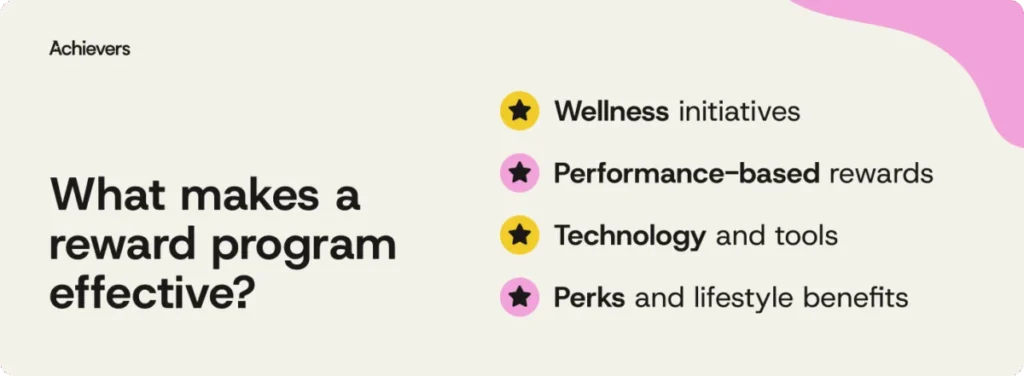
Key Components of an Effective Rewards Program
An effective rewards program must be dynamic, user-friendly, and capable of accommodating a diverse range of meaningful recognition moments. Generic, repetitive rewards quickly lose their impact. The goal is to create memorable experiences that resonate with individuals.
-
Wellness Initiatives:
Recognizing the significant impact of well-being on productivity, particularly in the wake of a global pandemic, wellness initiatives are a critical component. The World Health Organization estimates that depression and anxiety cost businesses an estimated 12 billion working days globally each year, highlighting the pervasive issue of workplace burnout. Integrating wellness into a rewards program demonstrates a proactive investment in employee health.- Mental Health Support: Access to mental health counseling, mindfulness apps, stress management workshops, or subsidized therapy sessions.
- Physical Health Incentives: Subsidized gym memberships, corporate fitness challenges with rewards, ergonomic workstation assessments, or healthy eating programs.
- Financial Wellness: Access to financial planning workshops, debt management resources, or tools for budgeting and saving, recognizing that financial stress profoundly impacts overall well-being.
-
Perks and Lifestyle Offerings:
With the prevalence of hybrid work models, perks that support work-life integration and personal interests are highly valued. These offerings help employees achieve a healthier, more sustainable rhythm.- Flexible Work Options: Beyond standard policies, offering additional flexibility as a reward for sustained performance or loyalty (e.g., occasional "work from anywhere" days, adjusted hours for personal commitments).
- Time Off: Opportunities for extra paid time off, sabbaticals for long-serving employees, or paid volunteer days to support community engagement.
- Experiential Rewards: Vouchers for experiences like cooking classes, spa days, cultural events, or family outings.
- Convenience Services: Subsidized meal delivery, concierge services, or discounts on travel and entertainment.
-
Performance-Based Rewards:
These are direct acknowledgments of exceptional contributions, reinforcing the link between effort, impact, and recognition. When employees know their hard work is noticed and rewarded, they are more likely to remain motivated and engaged.- Spot Bonuses: Immediate financial rewards for outstanding contributions on a project or initiative.
- Project Completion Incentives: Bonuses or special recognition for successfully delivering complex projects on time and within budget.
- Sales and Goal Achievement Bonuses: Structured incentives for meeting or exceeding specific targets.
- Peer-to-Peer Recognition with Value: Empowering colleagues to reward each other with small monetary values or points redeemable for various items.
- Career Advancement Opportunities: Fast-tracking high-potential employees for promotion, providing leadership training, or offering mentorship from senior executives.
-
Technology and Tools:
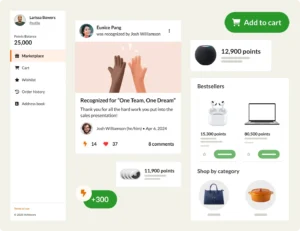
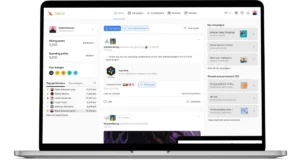
The backbone of any effective, scalable rewards program is robust technology. Without the right platform, even the best intentions can be bogged down by administrative overhead. Modern HR tech can transform rewards into a seamless, engaging experience.- Intuitive Recognition Platforms: Easy-to-use interfaces for submitting and receiving recognition, accessible via web and mobile.
- Customizable Reward Catalogs: A wide array of redemption options, including gift cards, merchandise, experiences, charitable donations, and company-specific perks.
- Social Recognition Feeds: Public platforms where recognition can be shared, celebrated, and commented on, fostering a sense of community.
- Integration with HRIS and Communication Tools: Seamless connectivity with existing HR systems (e.g., payroll, performance management) and internal communication platforms (e.g., Slack, Microsoft Teams).
- Analytics and Reporting: Dashboards that provide insights into program utilization, popular rewards, recognized behaviors, and overall impact on engagement metrics.
Integrating Rewards with the Employee Experience
A thoughtfully designed rewards program transcends mere transactional exchanges; it becomes an intrinsic part of the holistic employee experience. It imbues employees with a sense of purpose, clarifies their contribution to the broader organizational vision, and consistently reinforces that their efforts are valued. This holistic integration leads to significantly higher engagement, reduced employee turnover, and a thriving culture where individuals feel genuinely valued and inspired.
Practical steps for seamless integration include:
- Aligning with Company Values: Ensure that the rewards program explicitly recognizes behaviors and achievements that embody the organization’s core values. This makes recognition more meaningful and reinforces cultural norms.
- Manager Training: Equip managers with the skills and tools to deliver timely, specific, and authentic recognition. This includes understanding the reward platform, knowing how to tailor rewards, and providing constructive feedback.
- Continuous Feedback Loops: Implement mechanisms for employees to provide feedback on the rewards program itself, ensuring it remains relevant and impactful. This could be through surveys, focus groups, or suggestion boxes.
- Clear Communication Strategy: Transparently communicate the purpose, criteria, and types of rewards available. Educate employees on how to give and receive recognition effectively.
- Integration with Performance Management: Link rewards to performance reviews and goal setting, ensuring that high performance is consistently acknowledged and celebrated throughout the employee journey.
- Promoting Peer Recognition: Encourage and facilitate peer-to-peer recognition, fostering a supportive and appreciative work environment where everyone feels empowered to celebrate success.
When executed well, rewards transcend being mere "nice extras"; they become fundamental to how employees perceive their value, feel supported, and are inspired to deliver their best work, creating a virtuous cycle of positive reinforcement and enhanced organizational performance.
Challenges in Implementing Separate Rewards Programs
While the strategic value of a standalone rewards program is clear, its implementation is not without potential hurdles. Organizations, particularly those undergoing significant cultural shifts, may encounter various roadblocks.
Potential Roadblocks:
- Budget Constraints: Allocating dedicated funds for a new rewards program, distinct from existing benefits, can be a challenge, especially for smaller businesses or those with tight margins.
- Lack of Leadership Buy-in: Without strong advocacy from senior leadership, securing resources and driving cultural adoption can be difficult. Leaders must genuinely believe in the program’s strategic value.
- Complexity of Administration: Managing a separate, often personalized, rewards system can appear administratively burdensome, particularly for HR teams already stretched thin.
- Ensuring Fairness and Equity: Designing a program that feels fair and equitable to all employees, across different roles, departments, and levels, requires careful consideration to avoid perceptions of favoritism.
- Communication Challenges: Effectively communicating the distinction between rewards and benefits, and the new program’s purpose, can be complex, leading to confusion or skepticism.
- Cultural Resistance to Change: Employees and managers accustomed to traditional approaches might resist adopting new tools or mindsets for recognition.
- Measuring ROI: Demonstrating the tangible return on investment for a rewards program can be challenging, requiring robust data collection and analytical capabilities.
Solutions for Successful Implementation:
The good news is that these challenges are surmountable with strategic planning and proactive measures.
- Build a Strong Business Case: Quantify the potential benefits (e.g., reduced turnover costs, increased productivity, improved engagement scores) to secure leadership buy-in and budget allocation. Highlight the ROI data from studies like Deloitte’s.
- Phased Rollout and Pilot Programs: Introduce the program in phases or pilot it with a smaller group to gather feedback, refine processes, and demonstrate early successes before a full organizational launch.
- Robust Communication and Education: Develop a comprehensive communication plan that clearly articulates the "why" behind the new program, distinguishes it from benefits, and explains how it works. Provide training for all employees and managers.
- Leverage HR Technology: Invest in a dedicated, user-friendly rewards platform that automates administrative tasks, offers diverse reward options, and provides analytics. This reduces complexity and increases efficiency.
- Establish Clear Guidelines and Criteria: Define transparent criteria for recognition and reward eligibility to ensure fairness and prevent perceptions of bias. Regularly review and adjust these guidelines.
- Solicit Employee Feedback: Actively involve employees in the design and ongoing evaluation of the program. Their input ensures relevance and fosters a sense of ownership.
- Champion Advocacy: Identify and empower internal champions at all levels to promote the program, share success stories, and encourage participation.
- Track and Report Metrics: Utilize the analytics capabilities of the rewards platform to track key performance indicators (e.g., participation rates, types of recognition given, impact on engagement surveys) to demonstrate ROI and inform continuous improvement.
Ultimately, successful implementation hinges on building trust, demonstrating clear value, and fostering an inclusive process where everyone understands and participates in the new approach to recognition. A unified employee rewards and recognition program guide can serve as an invaluable resource, streamlining strategy and ensuring consistency across the organization.
The Strategic Value of a Separate Rewards Program
In conclusion, adopting a standalone rewards program is a shrewd and strategic move for any forward-thinking organization. While comprehensive benefits packages provide the essential foundations of employment, a dedicated rewards program transcends these basics, delivering profound and lasting value to both employees and the business.
Tailored recognition and rewards, especially those facilitated by advanced platforms, can significantly boost employee engagement, offering UK employers a distinct competitive edge in an increasingly fierce talent market. Rewards are not merely about acknowledging past contributions; they are powerful proactive tools for attracting top-tier talent, cultivating a vibrant and positive workplace culture, and driving overall job satisfaction. They represent a clear commitment to fostering an environment where effort is seen, impact is celebrated, and individual contributions are genuinely appreciated, rather than just vaguely acknowledged.
By strategically designing a flexible, people-first rewards program that complements—rather than replaces—its benefits offering, an organization can craft a truly compelling employee experience. This integrated approach not only elevates employee morale and motivation but also translates directly into enhanced productivity, innovation, and long-term organizational success, positioning the business as an employer of choice in the modern economy.