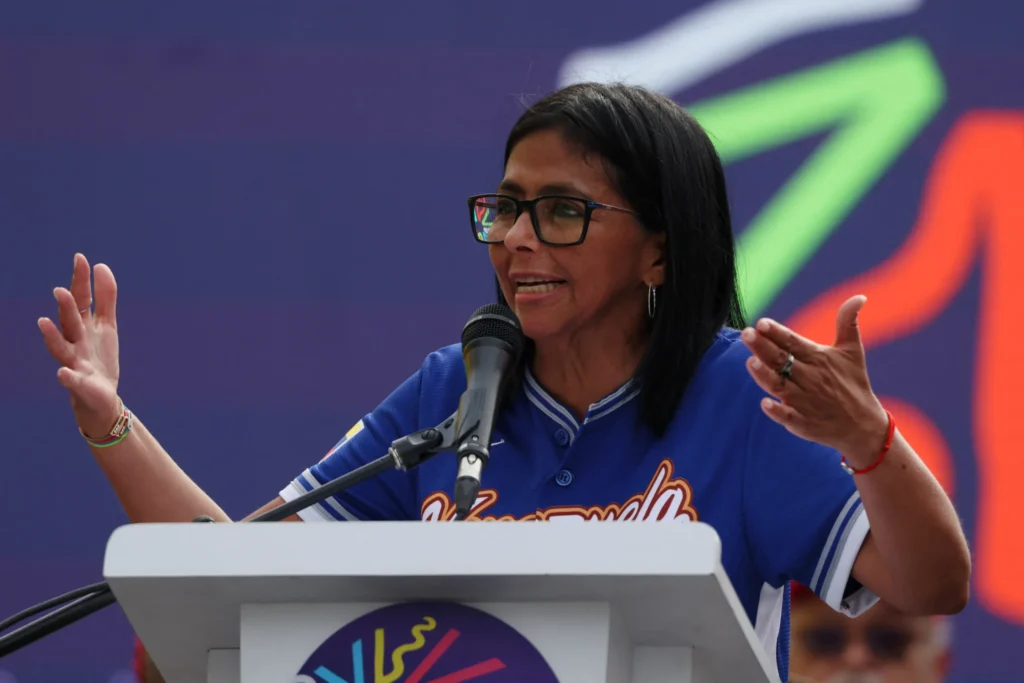
Venezuela’s acting president, Delcy Rodriguez, announced on Thursday a significant increase in the monthly minimum income to $240 and a rise in pensions to $70, a move that comes as employees across various sectors continue to voice demands for higher salaries to combat crippling triple-digit inflation. The announcement marks the government’s latest effort to address growing public discontent fueled by a severe economic crisis that has eroded the purchasing power of ordinary Venezuelans.
The previous monthly minimum wage had dwindled to a mere fraction of a U.S. dollar, a stark indicator of the nation’s economic turmoil. While the government had previously stated that combined bonuses could bring incomes up to $190 per month, the persistent and accelerating inflation had rendered even these figures insufficient to cover basic living expenses. This disparity has been a primary driver of the escalating protests.
Rodriguez acknowledged the validity of the workers’ grievances, stating, "When I see workers protesting, I think, ‘They’re right.’ We want better wages for workers. We want to fully restore what wages are meant to represent. Of course. This is then the first step toward being able to guarantee the purchasing power of workers across the country." She linked the potential for increased wages and economic recovery to the lifting of U.S. sanctions, a stance she has consistently advocated, arguing that their removal would facilitate foreign investment and stimulate the Venezuelan economy. However, Rodriguez did not specify the exact breakdown of the new $240 monthly income between the base minimum salary and the various bonuses, leaving room for interpretation and potential further scrutiny by labor unions and economists.
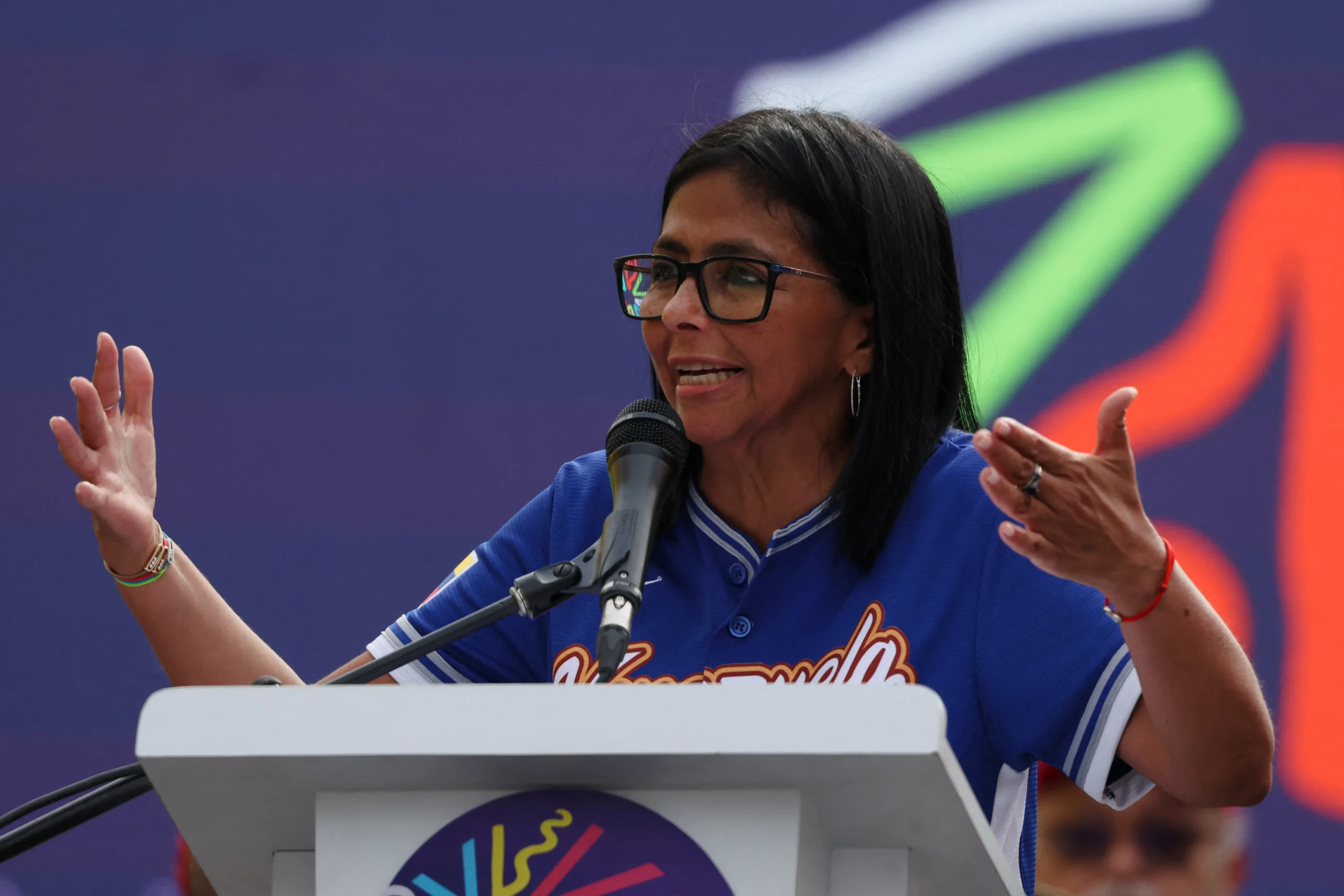
The increase in pensions for the elderly, a demographic particularly vulnerable to economic hardship, was also highlighted. Rodriguez stated, "I also want to report that our elderly – our grandfathers and grandmothers, those who have been hit the hardest – will receive a pension equivalent to $70, which represents a 40% increase. It is not enough. It is not enough," she admitted, signaling that further measures to support this segment of the population would be considered. This acknowledgment, while tempered with the caveat of insufficiency, underscores the depth of the economic challenges facing Venezuela.
A Deepening Economic Crisis and Rising Social Unrest
Venezuela has been grappling with one of the most severe economic crises in its modern history, characterized by hyperinflation, a significant decline in oil production, and widespread shortages of essential goods. The bolivar, the national currency, has experienced relentless depreciation, making imported goods prohibitively expensive and eroding savings. Annual inflation rates have remained alarmingly high, with data from the central bank indicating a figure of 649% as of March. This sustained inflationary pressure has made it nearly impossible for many Venezuelans to sustain a basic standard of living on their current wages.
The last significant adjustment to the base salary and pay scale for public sector workers occurred in March 2022. Since then, the persistent devaluation of the bolivar has dramatically increased the cost of government-funded bonuses. Economists in Caracas have reported that the monthly expenditure on these bonuses surged to approximately $400 million in April, a substantial increase from around $250 million in December. This escalating cost, coupled with the diminishing real value of these payments, has amplified worker dissatisfaction.
Adding to the complexity of the situation are reports that since the alleged capture of President Nicolás Maduro and his wife by U.S. forces in January, some bonuses have reportedly ceased to be paid. While official confirmation of this specific event remains elusive, the widespread reporting of such disruptions has undoubtedly contributed to the growing discontent among the populace and has been cited as a factor in alleged defections from the ruling socialist party. The government’s narrative often attributes the nation’s economic woes to external factors, particularly U.S. sanctions, but internal economic mismanagement and structural issues are also frequently cited by critics and analysts.

The Resurgence of Worker Protests
The frequency and intensity of worker protests have seen a notable increase since the aforementioned January events. Employees in critical sectors such as education, healthcare, and public services have been at the forefront of these demonstrations, demanding not only higher salaries but also better working conditions and a restoration of their dignity. These protests have gained momentum, particularly as oil deals with the United States have reportedly begun to channel hundreds of millions of dollars into government coffers, leading to questions about the allocation of these revenues.
On Thursday, a planned union march in the capital city of Caracas, intended to voice demands for improved salaries, was reportedly met with a significant police presence and was overshadowed by a government-organized demonstration calling for an end to U.S. sanctions. This situation highlights the government’s strategy of counter-mobilization, aiming to control the narrative and suppress dissenting voices by orchestrating its own public displays of support. The logistical challenges faced by independent unions in mobilizing their members in such an environment underscore the difficulties in organizing and advocating for workers’ rights in Venezuela.
The public sector in Venezuela is a substantial employer, encompassing more than 3 million individuals, with approximately 5 million pensioners also relying on government support, according to official figures. This vast demographic makes any changes to wages and pensions highly impactful and politically sensitive. The government’s announcement, while a step, is being viewed by many as a temporary measure rather than a sustainable solution to the deep-seated economic problems.
Background and Context: A Nation in Crisis
Venezuela’s economic collapse is a multifaceted issue with deep historical roots. Decades of reliance on oil exports, coupled with policies that have led to declining production, mismanagement of state enterprises, and a significant drain of capital, have contributed to the current crisis. The political climate, marked by polarization and accusations of authoritarianism, has further complicated efforts to implement effective economic reforms.

The impact of U.S. sanctions, imposed in response to alleged human rights abuses and electoral fraud, has been a contentious point. The Venezuelan government consistently blames these sanctions for the nation’s economic hardship, arguing they cripple its ability to trade and access international financial markets. Conversely, critics and international observers suggest that while sanctions have undoubtedly had an effect, they are not the sole cause of the crisis, and that internal policies have played a significant role in exacerbating the situation.
The announcement by Delcy Rodriguez comes at a time when the government is seeking to project an image of stability and control, particularly in light of renewed international engagement through oil deals. The increased income and pension amounts, while potentially offering some immediate relief, are unlikely to fully address the systemic issues driving inflation and poverty. The long-term viability of these increases will depend on the government’s ability to stabilize the economy, control inflation, and foster sustainable economic growth, which many economists argue requires fundamental structural reforms and a more transparent and accountable governance.
Analysis and Implications
The government’s decision to raise minimum income and pensions reflects a recognition of the untenable economic conditions faced by a significant portion of the Venezuelan population. The projected monthly income of $240, while a notable increase from the previous de facto levels, still falls short of what is considered a living wage in many contexts, especially when factoring in the persistent high cost of essential goods and services in Venezuela. The pension increase to $70, while a 40% rise, also remains modest in the face of ongoing inflation.
The government’s emphasis on the role of U.S. sanctions in hindering economic recovery suggests a strategic effort to deflect blame and rally domestic support by framing the economic struggle as an external imposition. This narrative is crucial for maintaining political legitimacy, especially among supporters. However, for independent labor unions and economists, the focus remains on the need for concrete economic policies that address inflation, boost productivity, and ensure fair wages, regardless of the geopolitical landscape.

The government’s commitment to "fully restore what wages are meant to represent" and "guarantee the purchasing power of workers" will be tested in the coming months. The sustainability of these increases will hinge on various factors, including the government’s fiscal capacity, the performance of the oil sector, and its ability to manage inflation. The lack of clarity on the composition of the new minimum income package raises questions about its true impact on the ground.
The broader implication of these developments is the ongoing struggle for economic stability and social well-being in Venezuela. The persistent protests signal a deep-seated demand for change and a more equitable distribution of national wealth. The government’s response, while offering some immediate financial relief, appears to be part of a broader political strategy to manage public discontent while navigating complex international relations and internal economic challenges. The effectiveness of these measures in the long term will be closely watched by both domestic stakeholders and the international community. The Venezuelan public will be looking for more than just a temporary reprieve; they will be seeking a sustainable path towards economic recovery and improved living standards.