A landmark government office situated in the heart of Whitehall has achieved a prestigious industry award for its commitment to inclusive design, marking a significant milestone in the modernization of historic government properties. The Government Property Agency (GPA) announced that its hub at 22-26 Whitehall has been bestowed with the Inclusive Environments Recognition by the Construction Industry Council (CIC). This accolade specifically acknowledges the building’s innovative approach to integrating accessibility and inclusivity within a historically significant setting, a challenge often fraught with complexity.
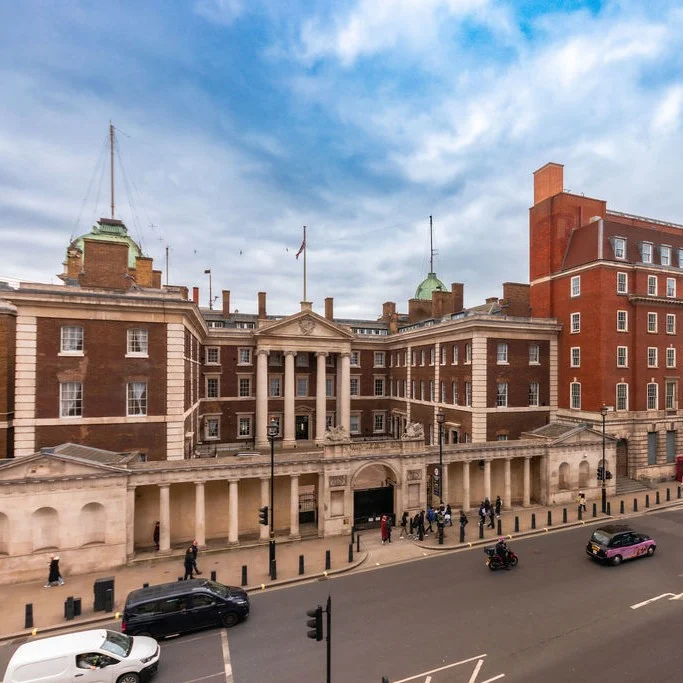
The recognized site is a notable amalgamation of the Grade I listed Ripley Building and the adjacent Kirkland Building. This historic complex now serves as the London headquarters for the Department for Science, Innovation and Technology (DSIT), embodying the government’s broader strategy to streamline its property portfolio and foster shared, efficient workspaces for civil servants. The award, presented on May 4, 2026, underscores a comprehensive refurbishment program that concluded in 2025, aiming to balance contemporary functional requirements with the preservation of the buildings’ inherent historical character.
A Harmonious Blend of Heritage and Modern Accessibility
The refurbishment project at 22-26 Whitehall was meticulously designed to enhance accessibility for a diverse range of users, a core tenet of the CIC’s Inclusive Environments Recognition scheme. This initiative rigorously assesses how well buildings cater to individuals with a wide spectrum of physical, sensory, and cognitive needs. The GPA highlighted that the successful integration of accessibility features throughout the design and implementation phases was central to earning this recognition.
Key enhancements implemented during the refurbishment include the introduction of step-free access throughout the entire building, ensuring seamless navigation for individuals with mobility impairments. Power-assisted doors have been installed to facilitate easier entry and exit, while circulation routes have been optimized for improved flow and reduced congestion. Furthermore, the project saw the addition of accessible shower and changing facilities, alongside upgraded welfare provisions, demonstrating a holistic approach to user comfort and dignity.
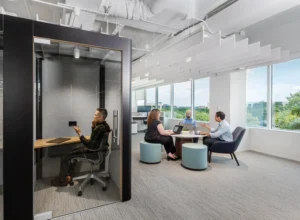
The internal workspace design itself reflects a commitment to accommodating diverse working styles. The office environment now features a variety of settings tailored to support different tasks and preferences. This includes height-adjustable desks, providing ergonomic solutions for a broad user base, and a range of meeting spaces designed for collaboration. Crucially, quieter zones have been incorporated to support concentration and focused work, recognizing the importance of a balanced and adaptable work environment. These thoughtful additions are intended to bolster both individual productivity and team synergy.
A Pioneering Achievement for Heritage Buildings
The award for 22-26 Whitehall holds particular significance as it marks the first time a listed building managed by the GPA has received this particular accreditation. Adapting heritage structures to meet contemporary accessibility standards and building regulations presents a unique set of technical and regulatory hurdles. This is especially true for central government properties, many of which are steeped in history and subject to stringent heritage protection. The successful transformation of 22-26 Whitehall serves as a compelling case study for future heritage refurbishment projects within the public sector.
The CIC’s Inclusive Environments Recognition scheme is a testament to the growing imperative for universal design principles in the built environment. It goes beyond mere compliance, seeking to ensure that spaces are welcoming, usable, and equitable for everyone, irrespective of their abilities or circumstances. The recognition signifies that the Whitehall hub has successfully met these high standards, demonstrating that historical significance and modern inclusivity are not mutually exclusive.
The Government Hubs Programme: A Vision for the Future Estate
The 22-26 Whitehall hub is an integral component of the wider Government Hubs Programme. This ambitious initiative, spearheaded by the GPA, aims to consolidate government departments into a more concentrated network of shared offices across the United Kingdom. The overarching objectives of this program are to significantly reduce the overall footprint of the government’s estate, thereby achieving substantial cost savings and environmental benefits, and to foster a more agile and flexible working culture for civil servants.
The program’s strategy involves rationalizing the existing government property portfolio, disposing of underutilized or outdated assets, and investing in the refurbishment and development of modern, efficient, and collaborative workspaces. The goal is to create environments that not only support the day-to-day operations of various departments but also encourage inter-departmental collaboration and innovation, a critical factor in a rapidly evolving public service landscape.
Background and Chronology of the Refurbishment
The journey to this recognition began with the initiation of the refurbishment program, which commenced in the latter half of 2024, with substantial works concluding in 2025. This timeline allowed for a deliberate and phased approach to modernizing the complex while ensuring minimal disruption to ongoing government operations where possible.
- Pre-Refurbishment (Prior to 2024): The buildings at 22-26 Whitehall, comprising the historic Ripley Building and the adjoining Kirkland Building, were part of the existing government estate. While functional, they likely presented challenges in terms of accessibility and modern workplace amenities, typical of older structures.
- Program Initiation (Mid-2024): The Government Property Agency, as part of its broader estate rationalization strategy, identified 22-26 Whitehall for a significant refurbishment project. The brief prioritized modernization, efficiency, and, crucially, the integration of inclusive design principles.
- Refurbishment Works (Late 2024 – 2025): The extensive refurbishment program was undertaken. This period saw the implementation of structural modifications to improve circulation, the installation of new accessibility features such as step-free access and automated doors, and the upgrade of welfare facilities. The interior fit-out focused on creating a diverse range of work settings.
- Completion and Departmental Move-in (Early 2026): The refurbishment was successfully completed, and the buildings were prepared for occupation. The Department for Science, Innovation and Technology (DSIT) established its London headquarters within the revitalized complex.
- Award Recognition (May 4, 2026): The Construction Industry Council formally recognized the inclusive design achievements at 22-26 Whitehall with its Inclusive Environments Recognition award. This acknowledges the successful realization of the project’s accessibility goals.
Supporting Data and Industry Context
The importance of inclusive design in the workplace is increasingly supported by data highlighting the benefits for both employees and organizations. Studies have shown that accessible and inclusive workplaces can lead to increased employee retention, higher productivity, and improved morale. For instance, research by the Centre for Economic Performance at the London School of Economics has indicated a strong correlation between inclusive work environments and enhanced organizational performance.
Globally, the trend towards universally designed buildings is gaining momentum. The United Nations Convention on the Rights of Persons with Disabilities (CRPD), ratified by the UK, emphasizes the importance of accessibility in all aspects of life, including the built environment. The CIC’s recognition scheme is a direct response to these evolving standards and societal expectations.
The refurbishment of 22-26 Whitehall also aligns with broader government targets for sustainability and estate efficiency. By consolidating departments into shared hubs, the government aims to reduce its carbon footprint through decreased energy consumption and optimized space utilization. The Government Hubs Programme projects significant savings in operational costs and a reduction in the overall size of the government estate, contributing to fiscal responsibility and environmental stewardship.
Official Responses and Expert Commentary (Inferred)
While direct quotes from specific individuals beyond the GPA are not available in the source material, it is reasonable to infer the sentiment and importance attributed to this achievement from various stakeholders.
A spokesperson for the Government Property Agency (GPA) would likely express pride in this accomplishment: "We are immensely proud to see 22-26 Whitehall recognized for its exceptional inclusive design. This project demonstrates our unwavering commitment to creating workplaces that are not only efficient and modern but also welcoming and accessible to all members of our diverse civil service. Successfully integrating these principles into a Grade I listed building is a testament to the skill and dedication of our project teams and partners."
The Construction Industry Council (CIC), through its Inclusive Environments Recognition scheme, would highlight the significance of such projects: "The award for 22-26 Whitehall is a clear indication of how heritage buildings can be transformed to meet the highest standards of inclusivity. This project serves as an exemplar for the industry, proving that thoughtful design can overcome the challenges of historical context to create spaces that truly serve everyone. We commend the GPA for their forward-thinking approach."
Representatives from the Department for Science, Innovation and Technology (DSIT), as the primary occupants, would likely emphasize the positive impact on their workforce: "Our new London headquarters at 22-26 Whitehall is more than just an office; it’s an environment designed to foster innovation and collaboration. The focus on accessibility and varied work settings means our teams can work in comfort and with the resources they need to excel. This award reflects the creation of a truly supportive and functional workspace."
Broader Implications for the Public Estate
The successful refurbishment and recognition of 22-26 Whitehall carry significant implications for the future management and development of the UK’s public sector property portfolio.
- Setting a Precedent for Heritage Integration: This project provides a strong blueprint for how other historic government buildings can be adapted to meet modern accessibility and inclusivity standards. It demonstrates that heritage preservation and contemporary user needs can be effectively balanced through careful planning and innovative design solutions.
- Enhancing Civil Service Employee Well-being: By prioritizing inclusive design, the GPA is contributing to a more equitable and supportive work environment for civil servants. This can lead to improved job satisfaction, reduced staff turnover, and greater overall productivity.
- Driving Efficiency and Cost Savings: As part of the Government Hubs Programme, this initiative contributes to the broader goal of a more consolidated and cost-effective government estate. Shared workspaces reduce operational overheads and can facilitate more agile deployment of resources.
- Promoting Universal Design: The award reinforces the importance of universal design principles across the construction industry. It encourages architects, designers, and developers to consider the needs of all users from the outset of any project, not as an afterthought.
- Enhancing Government’s Public Image: By showcasing a commitment to inclusivity and responsible estate management, the government enhances its reputation as a forward-thinking and socially conscious employer and landlord.
In conclusion, the recognition of 22-26 Whitehall for its inclusive design is a notable achievement that extends beyond a single building. It represents a significant step forward in the evolution of government workspaces, demonstrating a commitment to heritage, accessibility, and the well-being of its workforce, while setting a benchmark for future developments within the public sector.