Employee engagement in 2026 isn’t quietly declining – it’s becoming an expensive liability, threatening to impose a staggering financial burden on U.S. employers. A groundbreaking report by the Achievers Workforce Institute (AWI) forecasts that current job-seeking behavior alone could lead to over $1 trillion in turnover costs next year if organizations fail to implement significant changes. This isn’t a speculative risk; it’s a deeply embedded consequence of a workforce feeling increasingly disconnected and ready to seek opportunities elsewhere. Disengagement has transcended its traditional categorization as merely a "culture problem" to become a critical balance-sheet issue, demanding immediate strategic attention from leadership across all sectors.
The data unequivocally indicates a profound shift: when employees perceive a lack of appreciation, connection, or support, their response extends beyond mere disengagement. They actively begin to plan their departure. These individual decisions create widespread ripple effects, negatively impacting organizational productivity, hindering talent retention efforts, and ultimately undermining long-term performance and profitability. The essence of true employee engagement, therefore, has never resided in superficial perks like free snacks or infrequent team-building events. Instead, it is rooted in fostering an environment where individuals genuinely feel seen, valued, and intrinsically motivated to contribute their best, not out of obligation, but because their work experience provides compelling reasons to invest themselves wholeheartedly.
The stark statistics presented in the AWI’s 2026 Engagement and Retention Report form the bedrock of this analysis. This comprehensive study is not an aggregation of third-party benchmarks but comprises original, primary data gathered from employees and HR leaders spanning diverse industries and geographic regions. Its purpose is to meticulously pinpoint the specific areas where engagement is faltering and, crucially, to identify where organizations still possess significant leverage to intervene effectively. The following sections will delve into the most salient employee engagement statistics for 2026, revealing critical insights necessary for cultivating workplaces where employees are not merely present but are genuinely invested and thriving contributors.
Defining and Measuring Employee Engagement in a Volatile Landscape
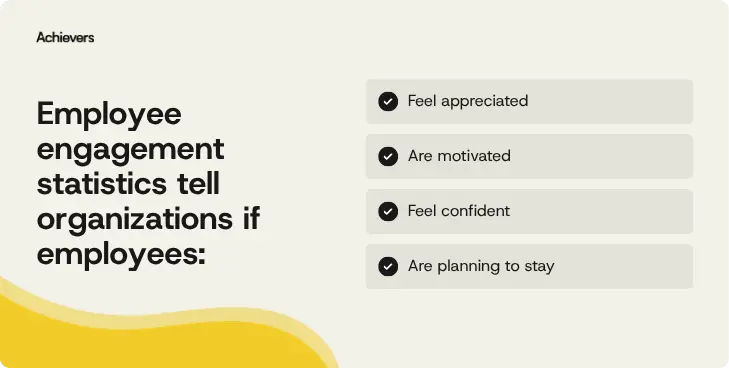
Employee engagement statistics are critical data points that quantify how employees perceive their work, their direct leaders, and their broader organization, reflecting how these sentiments manifest in observable behaviors. These metrics provide a measurable framework for understanding levels of commitment, motivation, connection, and the intent to remain with an employer, thereby transforming what might otherwise be perceived as an intangible "culture problem" into concrete, actionable insights for leaders. Such statistics are typically derived from structured employee surveys and rigorous workforce research, exemplified by the Achievers Workforce Institute’s 2026 Engagement and Retention Report. This report meticulously captures the multifaceted employee experience, assessing factors such as appreciation, opportunities for growth, interpersonal connection, a sense of purpose, and the quality of leadership.
When deployed effectively, employee engagement statistics empower organizations to address fundamental questions concerning their human capital, offering clarity on the health of their internal culture and the efficacy of their talent management strategies. Crucially, these statistics reveal discernible patterns. Moving beyond isolated data points, a comprehensive picture emerges, highlighting where the employee experience is robust and where it is critically deficient. These patterns serve to underscore the widening discrepancies between evolving employee expectations and the actual deliverables many organizations are providing. Far from being mere metrics, well-utilized employee engagement statistics function as vital signals. They illuminate areas where the organizational culture is flourishing, where it is under strain, and precisely where strategic interventions—such as enhanced recognition programs, initiatives to foster connection, or opportunities for professional development—can yield the most significant positive impact. In essence, these data-driven insights equip leaders with the precision required to move beyond guesswork and intentionally and consistently shape a highly engaged workforce.
The Alarming State of Engagement: Key Statistics from 2026
The AWI report paints a concerning picture of the modern workforce, with several statistics demanding immediate attention from business leaders and HR professionals alike. A deeply engaged workforce is a cornerstone of productivity, innovation, and sustained success. Conversely, widespread disengagement not only drains morale but also imposes substantial tangible costs.
Here are 15 pivotal employee engagement statistics from the 2026 Engagement and Retention Report, exposing the current landscape of the workforce:
- Only 26% of Employees are Engaged at Work: A sobering statistic indicating that just over one-quarter of the workforce feels genuinely engaged. This implies a vast majority are either disengaged or emotionally detached, signaling a profound impact on productivity, innovation capacity, and overall retention. Engagement can no longer be assumed; it requires deliberate cultivation.
- Just 25% of Employees Feel Appreciated at Work: Recognition remains a critically undervalued driver of engagement. The fact that only a quarter of employees feel genuinely appreciated underscores a significant systemic gap. Employees who report feeling appreciated are 12 times more likely to find their work meaningful and an astounding 17 times more likely to foresee a long-term career with their current organization. Appreciation is not a mere perk; it is a powerful predictor of both engagement and enduring loyalty.
- 34% of Employees Plan to Look for a New Job: More than one-third of the workforce is actively seeking new employment opportunities this year, compounded by an additional 22% who remain undecided about their tenure. This places over half the total workforce at a significant risk of turnover, highlighting a fragile commitment problem and presenting an immense opportunity for organizations adept at fostering engagement.
- Only 25% of Employees Envision a Long-Term Career with Their Employer: A mere one in four employees can project a future within their current organizational structure. This statistic is not solely about immediate departures but about a pervasive inability to perceive a compelling reason to stay. Without clear pathways for growth, consistent appreciation, or strong professional connections, engagement erodes, and loyalty dissipates long before a formal resignation is tendered.
- Employees Who Feel Appreciated Are 17x More Likely to Envision a Long-Term Career: This stands out as one of the most compelling insights in the report. Feeling appreciated dramatically alters an employee’s perspective on their future with an organization. Recognition transcends simple motivational tool; it fundamentally shapes career commitment and retention.
- Only 22% of Employees Feel They Have Access to Growth Opportunities: Career development is a primary driver of engagement. Yet, fewer than a quarter of employees believe their organization provides adequate tools, resources, or avenues for professional growth. When perceived growth opportunities are blocked, engagement inevitably stalls, and the propensity for job searching accelerates.
- Employees with Development Opportunities Are 2.5x More Engaged: The correlation is clear: when employees can visualize a tangible path for advancement and skill development, their engagement levels surge. Data demonstrates that access to learning and development programs makes employees 2.5 times more likely to be engaged and, critically, 2.5 times less likely to actively seek new employment. Growth is not an optional add-on; it is foundational to sustainable engagement.
- Only 19% of Employees Feel Connected to Their Manager: Managers are pivotal in shaping the employee experience and driving engagement. Alarmingly, fewer than one in five employees report feeling genuinely connected to their direct leader. This profound disconnect severely limits the efficacy of trust, feedback loops, and consistent recognition – all indispensable components for a highly engaged workforce.
- Recognition from Managers Makes Employees 2.8x More Likely to Feel Connected: When managers consistently provide recognition, the level of connection rapidly improves. Employees who receive regular appreciation from their managers are 2.8 times more likely to feel connected to their organization and 2.7 times more likely to feel supported in their professional growth. Managerial recognition is a tangible expression of leadership in action.
- Only 25% of Employees Feel Their Work Is Meaningful: A sense of purpose is deeply intertwined with engagement. However, only a quarter of employees report that their work feels meaningful. The data further reveals that employees who feel appreciated are 12 times more likely to find meaning in their work, underscoring the powerful link between recognition and purpose fulfillment.
- Only 23% of Employees Feel They Have the Resources They Need to Do Their Best Work: Engagement can falter not only due to motivational issues but also due to operational friction. Fewer than one in four employees feel adequately equipped to perform optimally in their roles. When employees are expected to deliver without appropriate tools, clear direction, or necessary support, effort quickly devolves into frustration. Over time, this cumulative friction steadily erodes engagement, diminishes performance, and undermines trust. Enablement is not merely tangential to engagement; it is a fundamental prerequisite.
- Disengagement Could Cost Employers Up to $1.3 Trillion in Attrition: This is perhaps the most alarming financial projection. If current trends in job-seeking behavior persist, U.S. employers stand to incur losses of at least $1.3 trillion due to turnover in 2026. This transforms disengagement from a cultural concern into a monumental financial risk.
- 75% of Employees Feel Overlooked at Work: A vast majority – three-quarters of the workforce – experience a sense of being overlooked or invisible. This feeling directly compromises engagement, erodes trust, and saps motivation. Individuals who do not feel seen or acknowledged are unlikely to remain engaged for an extended period.
- Employees Who Feel Appreciated Are 56x More Likely to Feel Connected to Their Organization: Connection is unequivocally one of the strongest predictors of sustained engagement, and recognition is demonstrated as the most rapid and effective means to foster it. Employees who experience appreciation are dramatically more connected to their organizations and significantly more inclined to remain with their employers.
- Recognition, Connection, and Growth Are the Top Engagement Drivers: Consistently across all surveyed regions, the data points to three dominant levers for robust employee engagement: recognition, connection, and growth. Organizations that strategically invest in all three pillars are poised to cultivate cultures where individuals not only perform their duties but genuinely thrive, contributing to their fullest potential.
The Trillion-Dollar Question: Understanding the Financial Impact
The projected $1.3 trillion cost of attrition in 2026 is not merely a large number; it represents a tangible economic threat. This figure is derived from the direct and indirect costs associated with employee turnover. Direct costs include recruitment expenses (advertising, interviewing, screening), onboarding and training new hires, and administrative separation costs. Indirect costs, often far more substantial, encompass lost productivity during vacancy periods, reduced team morale, decreased quality of work, loss of institutional knowledge, and the time diverted by management to handle transitions and train new staff. For a workforce of approximately 160 million in the U.S., even a conservative estimate of turnover costs per employee can quickly escalate to such astronomical figures when a significant percentage (over one-third actively job-seeking) is considered.
This financial drain impacts businesses of all sizes, but particularly those in competitive industries or with high-skill requirements. It stunts innovation, diminishes market responsiveness, and diverts capital that could otherwise be invested in research and development, technology upgrades, or market expansion. The AWI’s report underscores that this is not a future problem but one already "baked into" the current sentiment of the workforce. The financial implications are a direct consequence of a systemic failure to address fundamental human needs within the workplace.
A Historical Perspective on Employee Engagement

The concept of employee engagement, while seemingly modern, has roots in early 20th-century industrial psychology, evolving from notions of job satisfaction and morale. Initially, the focus was largely on productivity and compliance. The mid-to-late 20th century saw a greater emphasis on employee well-being and the psychological contract, recognizing that motivated employees were more productive. However, it was in the late 1990s and early 2000s that "employee engagement" truly gained traction as a distinct and measurable construct, championed by organizations like Gallup.
The rise of the knowledge economy, globalization, and the increasing recognition of human capital as a strategic asset propelled engagement to the forefront of business priorities. The Great Recession (2008) briefly shifted focus to survival, but the subsequent economic recovery brought engagement back, often framed around retaining top talent. The COVID-19 pandemic, however, proved to be an unprecedented catalyst. It forced a rapid shift to remote and hybrid work models, blurred work-life boundaries, heightened awareness of mental health, and prompted a mass re-evaluation of career priorities, famously dubbed the "Great Resignation" or "Great Reimagination." These seismic shifts have profoundly altered employee expectations, making the traditional approaches to engagement largely obsolete and rendering the current crisis more acute than ever before. The AWI’s 2026 report reflects the culmination of these evolving dynamics, highlighting a critical inflection point where outdated engagement strategies are proving insufficient.
Broader Industry Trends and Corroborating Evidence
The findings of the Achievers Workforce Institute are not isolated. They resonate with broader trends identified by other leading HR consultancies and research institutions worldwide. Recent reports from firms like Gallup, Deloitte, and PwC have consistently pointed to declining global engagement rates and escalating concerns about talent retention. For instance, Gallup’s "State of the Global Workplace" report has similarly highlighted persistently low engagement levels, noting the significant economic costs associated with a disengaged workforce globally. Many studies echo the AWI’s emphasis on the importance of recognition, growth, and meaningful work.
Industry analysts suggest that the rise of hybrid work, while offering flexibility, has also inadvertently contributed to feelings of disconnection, particularly between employees and their managers, and with the broader organizational purpose. The increased adoption of AI and automation, while promising efficiency, also introduces anxieties about job security and the need for continuous skill development, which, if not addressed through clear growth opportunities, can further erode engagement. The AWI data, therefore, serves as a crucial U.S.-specific validation of a more widespread global phenomenon: the traditional employer-employee contract is under immense pressure, and organizations that fail to adapt their engagement strategies face severe competitive disadvantages.
Root Causes of Disengagement: Beyond the Statistics
While the statistics highlight the symptoms, understanding the underlying causes is crucial for effective intervention. Several factors contribute to the widespread disengagement observed:
- Lack of Psychological Safety: Employees may feel unable to express ideas, challenge norms, or admit mistakes without fear of retribution, stifling innovation and connection.
- Poor Leadership Capability: Many managers, particularly first-line leaders, lack adequate training in empathy, effective communication, providing feedback, and fostering team cohesion in complex work environments. The AWI’s finding that only 19% feel connected to their manager underscores this deficit.
- Inadequate Communication and Transparency: A lack of clear communication regarding organizational goals, strategy, and individual contributions can leave employees feeling adrift and purposeless.
- Work-Life Imbalance and Burnout: The expectation for constant availability, coupled with increasing workloads, leads to burnout, making it difficult for employees to sustain engagement.
- Evolving Employee Expectations: Younger generations, in particular, prioritize purpose, flexibility, and a strong sense of community in their workplaces, often finding traditional corporate structures rigid and unfulfilling.
- Perceived Inequity: Issues of pay, promotion, and opportunities, if perceived as unfair or biased, can quickly dismantle trust and engagement.
- Digital Fatigue: The constant reliance on digital tools for communication and collaboration can lead to exhaustion and a craving for more authentic human connection.
Strategic Imperatives for 2026 and Beyond
The AWI report provides a clear roadmap for action, emphasizing recognition, connection, and growth as the primary levers for re-engaging the workforce. However, addressing the challenge effectively requires a multi-faceted and sustained strategic approach:
- Prioritize Continuous, Authentic Recognition: Move beyond annual awards. Implement integrated recognition platforms that enable peer-to-peer, manager-to-employee, and leadership recognition for both big achievements and everyday efforts. This fosters a culture of appreciation and reinforces desired behaviors.
- Invest in Managerial Training and Development: Equip managers with the skills to be empathetic leaders, effective communicators, and genuine connectors. This includes training in active listening, providing constructive feedback, fostering psychological safety, and leveraging recognition tools. Managers are the frontline of engagement, and their effectiveness is paramount.
- Cultivate Meaningful Connection: Design initiatives that foster genuine connections, both within teams and across the organization. This could involve structured mentorship programs, informal social events (both virtual and in-person), employee resource groups, and platforms that facilitate cross-functional collaboration and knowledge sharing.
- Create Transparent Growth Pathways: Clearly articulate career development opportunities, provide access to continuous learning resources, and encourage internal mobility. Employees need to see a future within the organization, supported by skill-building and advancement opportunities.
- Enhance Employee Enablement: Ensure employees have the necessary tools, technology, and support to perform their roles effectively. Reduce unnecessary friction points, streamline processes, and actively solicit feedback on resource needs.
- Reinforce Purpose and Value Alignment: Regularly communicate the organization’s mission, vision, and values, and help employees understand how their individual contributions align with and contribute to these larger objectives. This instills a sense of meaning and collective purpose.
- Leverage Data for Action: Utilize engagement survey data not just for reporting, but for real-time insights and targeted interventions. Identify specific departments or demographics with low engagement and tailor solutions accordingly.
Implications for the Economy and Future of Work
The pervasive issue of employee disengagement, with its projected $1.3 trillion price tag, carries profound implications far beyond individual companies. On a macro-economic level, such a significant drain on productivity and talent can impede national economic growth, diminish global competitiveness, and stifle innovation. Industries reliant on highly skilled labor, in particular, face the risk of talent shortages and increased competition for engaged workers.
The future of work is intrinsically linked to how organizations respond to this crisis. Companies that proactively invest in creating highly engaged, supportive, and purpose-driven cultures will emerge as talent magnets, enjoying lower turnover, higher productivity, and stronger brand reputations. Conversely, those that ignore the signals risk becoming talent deserts, struggling to attract and retain the workforce necessary to remain competitive in an increasingly dynamic global economy. The AWI report serves as a clarion call, signaling that the time for incremental adjustments has passed. A fundamental re-evaluation and strategic overhaul of how organizations engage with their most valuable asset – their people – is not just advisable, but an existential imperative for sustainable success in 2026 and beyond.
The findings from the Achievers Workforce Institute’s 2026 Engagement and Retention Report paint a clear and urgent picture: the current state of employee engagement is not merely a challenge but a crisis poised to inflict immense financial damage on U.S. employers. With only 26% of employees reporting engagement and a staggering 75% feeling overlooked, the problem is not a lack of effort from employees, but a fundamental deficiency in how their contributions are recognized, their growth is supported, and their connection to the organization is fostered. The opportunity, however, is equally profound. By strategically prioritizing recognition, nurturing authentic connection, and providing clear pathways for growth, organizations can reverse this trend. These are not abstract concepts but actionable levers that reshape employee commitment and redefine their future at work. Engagement is not built through grand gestures, but in the consistent, everyday moments where employees feel seen, supported, and truly valued. Organizations that embrace this reality, transforming these crucial employee engagement statistics into decisive action, will not only mitigate financial risk but cultivate thriving workplaces where individuals choose to stay, grow, and contribute meaningfully.