Feeling safe at work should be a fundamental expectation, not a rare privilege. Yet, global data paints a stark picture of workplaces where psychological well-being is often compromised. The World Health Organization (WHO) reports a staggering 12 billion workdays lost annually due to depression and anxiety, translating into an approximate $1 trillion drain on the global economy each year. This monumental cost underscores a deeper crisis: when employees do not feel secure enough to voice concerns, share innovative ideas, or admit mistakes, the repercussions extend far beyond financial spreadsheets, stifling innovation, eroding trust, and ultimately hindering organizational growth and resilience.
The modern workplace is grappling with unprecedented challenges, from rapid technological shifts to a heightened awareness of mental health. In this dynamic environment, the ability to foster a company culture where every individual feels heard, valued, and genuinely human is paramount. This article delves into the core tenets of psychological safety, elucidating its profound business advantages, exploring how leading nations and organizations are actively addressing it, and outlining actionable strategies for creating an environment where employees can truly thrive as their authentic selves.
Understanding Psychological Safety: More Than Just "Niceness"
At its heart, psychological safety is the shared belief held by members of a team that the team is safe for interpersonal risk-taking. Pioneered by Harvard Business School professor Amy Edmondson, this concept posits that individuals should be able to speak up, ask questions, admit errors, and share ideas without fear of embarrassment, rejection, or punishment. It is not merely about being polite or comfortable; rather, it is about creating an environment of candor and mutual respect where challenging the status quo and acknowledging vulnerability are seen as strengths, not weaknesses.
When psychological safety is present, teams exhibit superior collaboration, foster greater innovation, and experience reduced stress levels. A seminal study linked to the Harvard T.H. Chan School of Public Health confirmed that in workplaces characterized by higher levels of psychological safety, employees reported significantly lower instances of job burnout, even when operating under conditions of high stress and resource scarcity. This critical insight reinforces the understanding that psychological safety is not a soft skill but a hard requirement for sustained performance, robust employee retention, and foundational trust. Organizations that prioritize this aspect of workplace culture are demonstrably more successful and resilient.
The Profound Business Case for Psychological Safety
The economic and human costs of neglecting psychological well-being are undeniable. Beyond the WHO’s $1 trillion figure, studies by organizations like Gallup consistently show that highly engaged teams—often a byproduct of psychologically safe environments—are 21% more profitable. Conversely, disengaged employees, frequently found in cultures lacking safety, cost the global economy billions in lost productivity.
Psychological safety directly impacts several key business metrics:
- Innovation: When employees fear failure or ridicule, they hold back ideas. A safe environment encourages experimentation, learning from mistakes, and radical thinking, which are the bedrock of innovation. Google’s Project Aristotle, for instance, famously identified psychological safety as the single most important factor distinguishing high-performing teams from others.
- Talent Retention: In an era defined by the "Great Resignation" and fierce competition for skilled labor, psychological safety is a powerful differentiator. Employees are more likely to remain with organizations where they feel respected, valued, and free to express themselves. Data from OysterHR indicates that 84% of employees consider psychological safety a top workplace priority, placing it just behind pay and flexibility.
- Problem-Solving and Decision-Making: Diverse perspectives are crucial for effective problem-solving. When individuals feel safe to voice dissenting opinions or highlight potential flaws, organizations make more informed decisions and avoid costly errors.
- Employee Well-being and Mental Health: A psychologically safe workplace significantly reduces stress, anxiety, and burnout. This not only benefits individual employees but also reduces healthcare costs, absenteeism, and presenteeism (being physically present but mentally disengaged). According to the American Psychological Association (APA), organizations with strong cultures of psychological safety report higher rates of employee satisfaction and lower turnover.
A Global Movement: How Nations and Organizations Are Responding
The increasing recognition of psychological safety’s importance is not confined to academic discussions; it’s translating into policy and corporate strategy worldwide. Many countries are beginning to integrate mental well-being and psychosocial risk management into their occupational health and safety regulations. For example, some European Union member states have introduced legislation requiring employers to assess and mitigate psychosocial risks, akin to physical hazards. Canada has developed voluntary National Standard of Canada for Psychological Health and Safety in the Workplace, providing a framework for organizations to proactively address mental well-being.

Forward-thinking organizations are also establishing dedicated roles, such as Chief Well-being Officers, and investing heavily in training programs for leaders and managers focused on emotional intelligence, empathy, and creating inclusive environments. This shift reflects a broader understanding that a healthy workforce is not just about physical safety, but holistic well-being.
11 Pillars for Cultivating Psychological Safety in the Workplace
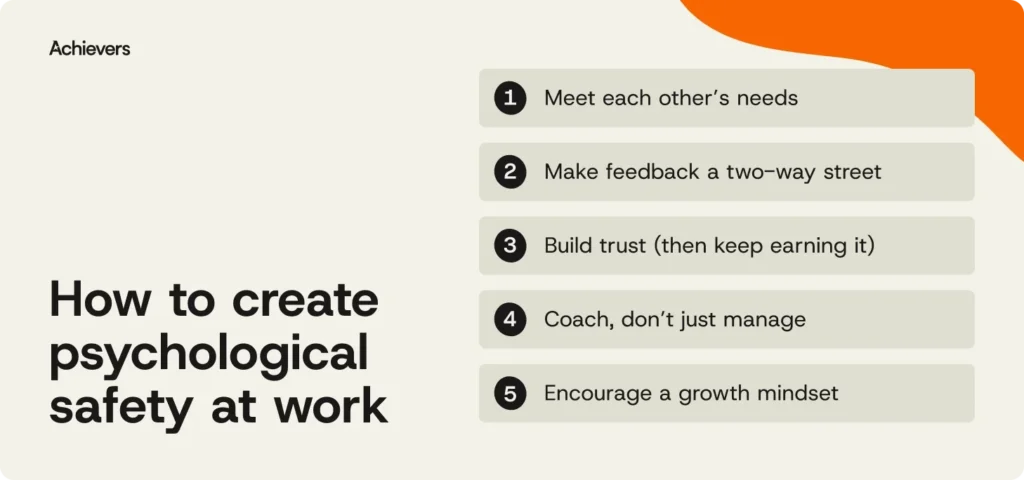
Building a culture of psychological safety is not a passive endeavor; it requires intentional, consistent effort from HR leaders, managers, and every employee. It’s an investment that yields substantial returns in engagement, performance, and overall organizational health. Here are 11 actionable strategies:
-
Prioritize Individual Needs and Flexibility:
Psychological safety begins with a deep understanding and respect for individual differences. Instead of making blanket assumptions, managers must proactively inquire about their team members’ specific needs regarding communication styles, meeting preferences, workload management, and feedback mechanisms. These needs are dynamic, necessitating continuous check-ins and adaptable approaches. Acknowledging hard work, providing tailored growth opportunities, and ensuring equitable participation in decision-making all contribute to a safe and motivating environment. This personalized approach fosters a sense of belonging and validates each employee’s unique contribution. -
Establish Robust Two-Way Feedback Channels:
Effective feedback is a cornerstone of psychological safety, but its efficacy hinges on its reciprocal nature and tangible outcomes. Merely soliciting employee input without demonstrating a commitment to action rapidly breeds disengagement and cynicism. Research from Achievers reveals that 62% of employees desire "hard conversations" but refrain due to a lack of perceived safety. Implementing tools like pulse surveys offers a timely, unbiased mechanism for gathering candid insights. When employees observe their feedback catalyzing real organizational change, their willingness to contribute further solidifies trust and drives meaningful results. It’s crucial for leaders to "close the loop" by communicating how feedback has been considered and what actions are being taken. -
Build and Consistently Earn Trust:
Trust is the bedrock of any high-performing team. While 86% of executives may believe they trust their teams, only 60% of employees reciprocate that sentiment, according to PwC. This trust deficit highlights a critical disconnect. Genuine trust is not an inherent given; it is painstakingly built through consistent actions: unwavering honesty, profound empathy, reliable follow-through on commitments, and empowering employees with autonomy over their work. Shifting from a top-down directive approach to one that empowers and respects employee agency cultivates a deeper sense of responsibility and engagement, directly correlating with enhanced performance. -
Embrace a Coaching, Not Just Managing, Philosophy:
Transitioning from a traditional managerial role to a coaching one is pivotal for psychological safety. Coaching involves actively listening, demonstrating genuine curiosity, and guiding employees to connect their daily tasks with their broader career aspirations and personal goals. This approach builds confidence, fosters growth, and strengthens the manager-employee bond. By prioritizing mentorship over micromanagement, leaders signal support and investment in their team members’ development, making employees feel seen and valued, which significantly improves retention rates and overall team morale. -
Cultivate a Growth Mindset Across All Levels:
A growth mindset, popularized by Carol Dweck, posits that abilities can be developed through dedication and hard work. Applying this to the workplace means viewing challenges as opportunities for learning rather than as career-threatening failures. When employees feel safe to share incomplete work, admit mistakes, or experiment without fear of punitive repercussions, they are far more likely to innovate, collaborate, and push creative boundaries. The APA reports that 37% of employees leave jobs due to a lack of growth opportunities, underscoring the importance of fostering an environment where continuous learning and development are celebrated alongside concrete results. -
Actively Create Space for Bold and Diverse Ideas:
Innovation rarely flourishes in environments of constraint or fear. It thrives where individuals feel genuinely safe to articulate novel, even unconventional, ideas. Leaders must actively solicit and genuinely welcome fresh perspectives, encourage respectful debate, and protect those who offer "out-of-the-box" thinking. This signals to employees that their intellectual contributions are valued, fostering a culture where groundbreaking ideas are more likely to emerge. When employees trust that their ideas, regardless of initial feasibility, will not result in negative consequences, they are empowered to contribute truly transformative solutions. -
Institutionalize Frequent and Meaningful Appreciation:
Regular recognition is a powerful catalyst for boosting morale, reinforcing desired behaviors, and profoundly enhancing psychological safety. Achievers’ research indicates that 53% of employees who receive consistent praise from their managers report feeling safe, valued, and authentic at work. Implementing a robust recognition platform allows for real-time acknowledgment of both significant achievements and daily efforts. Whether through public shout-outs or quiet expressions of gratitude, frequent appreciation strengthens interpersonal connections, validates individual contributions, and reminds employees that their work genuinely matters. -
Proactively Address and Mitigate Negativity:
Unchecked negativity can rapidly corrode workplace culture, productivity, and retention. Yet, a WorldatWork study revealed that only 56% of people leaders feel adequately equipped to support employees experiencing mental health issues, which can often manifest as negative behavior. Leaders must approach negative behaviors with curiosity and empathy, rather than immediate judgment. Often, such behaviors stem from deeper issues like personal stress, communication breakdowns, or a feeling of being unheard. Addressing the root causes of a toxic work environment with compassion and decisive action demonstrates genuine care for both the individual and the collective team, preventing issues from festering and showing that silence is not an option for effective leadership.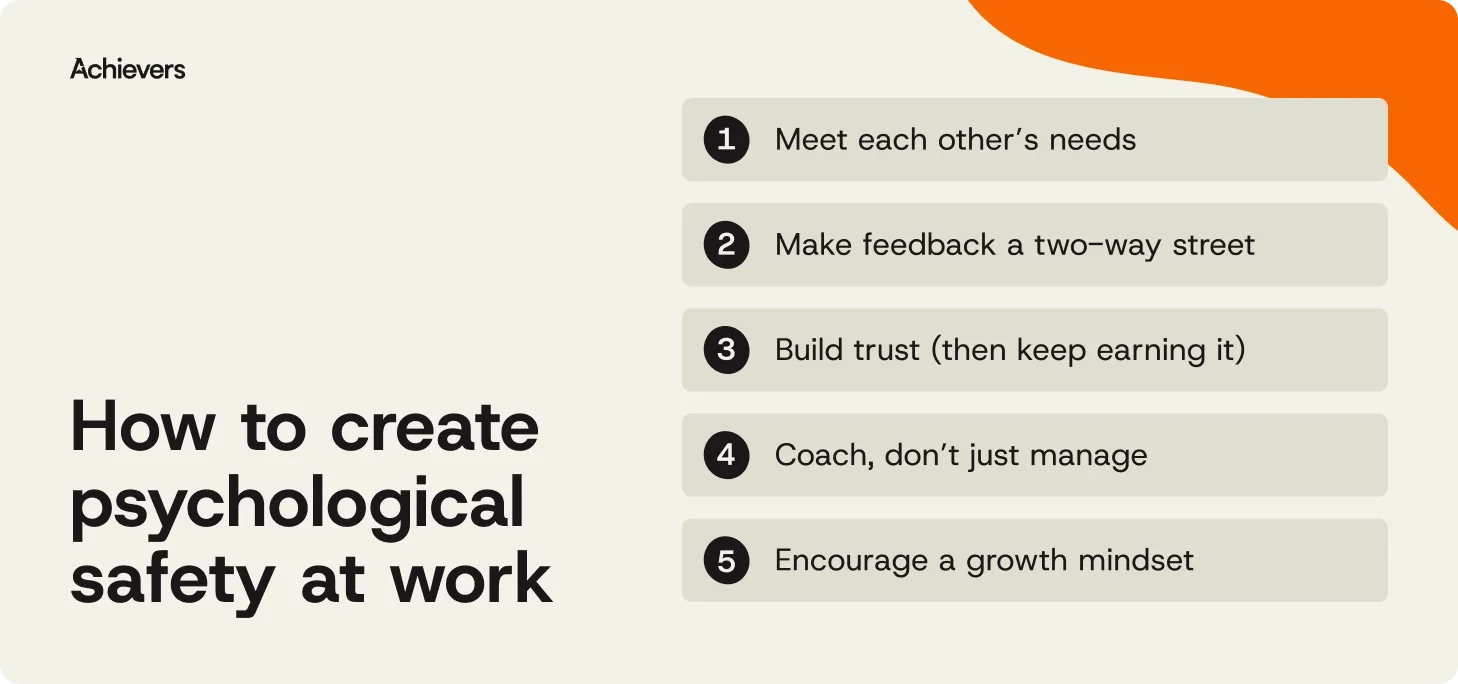
-
Lead with Authentic Empathy:
While empathy is frequently lauded, its genuine application can be elusive. An EY study found that 52% of employees perceive their company’s empathy efforts as insincere. Authentic empathy involves listening intently to understand, rather than merely waiting to respond. Simple actions—summarizing what has been heard, maintaining open body language, and demonstrating sincere interest in others’ perspectives—can profoundly impact how respected and heard individuals feel. Coupling empathy with appreciation further strengthens trust and fosters collaboration, making the workplace a more enjoyable and productive environment for everyone. -
Foster Participatory Decision-Making:
Psychological safety is a top workplace priority for 84% of employees, ranking just behind compensation and flexibility, according to OysterHR. This underscores a strong desire for inclusion and agency. Leaders should actively involve their teams in decisions that directly affect them, soliciting input, collaboratively reviewing feedback, and maintaining transparency about how final choices are made. This participative approach builds trust, enhances engagement, and strengthens team cohesion. It also preempts potential resentment and fosters a sense of collective ownership, ensuring employees are more committed to outcomes and less likely to feel sidelined. -
Equip Managers to Lead with Confidence and Competence:
Managers are the frontline architects of psychological safety, yet only 27% report feeling prepared to navigate difficult conversations, according to Achievers. This is a critical gap, especially when 89% of business leaders acknowledge the importance of psychological safety (McKinsey). The solution lies in comprehensive training for managers in crucial areas like communication, conflict resolution, emotional intelligence, and empathy. Providing access to tools such as pulse surveys and anonymous feedback mechanisms enables managers to proactively identify issues and respond with informed care. When managers feel confident in their ability to handle sensitive situations, teams feel safer to speak up, fostering a culture where every idea, question, or concern is met with curiosity rather than judgment, ultimately driving performance and a healthier culture.
Measuring and Sustaining Psychological Safety
The adage "you can’t fix what you don’t measure" holds true for psychological safety. However, assessment must be approached with sensitivity and a focus on qualitative as well as quantitative data. Beyond formal pulse surveys, organizations can gauge the pulse of psychological safety through:
- Anonymous Feedback Platforms: Providing safe avenues for employees to share concerns or suggestions without fear of reprisal.
- Focus Groups and One-on-One Interviews: Offering deeper insights into specific team dynamics and individual experiences.
- Observation: Leaders actively observing team interactions, meeting dynamics, and how dissent is handled.
- Key Metrics: Monitoring employee turnover, absenteeism rates, engagement scores, and incident reports related to workplace conflict or harassment.
- Specific Survey Questions: Incorporating questions directly addressing aspects like "It is safe to take risks on this team," "My team is able to openly discuss problems and tough issues," or "If I make a mistake on this team, it is not held against me."
Interpreting this data requires a commitment to listening, judging less, and keeping an open mind to feedback. The goal is not just to identify problems but to foster continuous improvement and demonstrate a genuine commitment to employee well-being.
The Future of Work: A Foundation of Psychological Safety
The most successful workplaces are not merely talking about psychological safety; they are embodying it in their daily operations and strategic decisions. When employees feel genuinely safe, respected, and heard, they are empowered to bring their whole selves to work, unleashing their full potential and contributing to a thriving organizational ecosystem. This holistic approach to culture building is not a happy accident; it is the deliberate outcome of consistent feedback loops, ingrained recognition practices, and intuitive tools that seamlessly integrate these principles into the organizational fabric.
As organizations navigate the complexities of the modern world, psychological safety emerges not as a perk, but as an indispensable strategic imperative. It underpins innovation, bolsters resilience, and drives sustainable success. Building a workplace where people not only want to work but are deeply committed to staying and flourishing is the ultimate competitive advantage.