Organizational culture, often described as the unspoken heartbeat of a company, is a powerful yet elusive force that profoundly influences every facet of an enterprise. Far from being a mere "feel-good" component of human resources, culture is a critical driver of retention, innovation, employee engagement, and overall performance. In today’s dynamic global marketplace, the ability to effectively measure, understand, and strategically shape culture is no longer optional; it has become an essential determinant of long-term organizational viability and competitive advantage. This comprehensive guide delves into the practical methodologies and strategic imperatives for leaders ready to transition from intuitive guesswork to data-driven insights in cultural management, highlighting why empowered and recognized employees are the cornerstone of creating a lasting, positive impact across all business functions.
Defining the Intangible: What is Company Culture?
Company culture represents the collective set of shared values, beliefs, behaviors, and expectations that implicitly and explicitly guide how individuals interact and collaborate within an organization. It defines what is encouraged, accepted, rewarded, and even tolerated, thereby shaping the very identity of the workplace. This intricate web of norms influences daily operations, from the mechanisms of decision-making and communication styles to leadership responses during crises and the collaborative spirit among teams. Culture dictates the psychological environment, impacting employee morale, commitment, and alignment with organizational objectives. While it doesn’t appear on a balance sheet, its effects are deeply embedded in operational efficiency and strategic execution.
Deconstructing Culture Metrics: Quantifying the Unseen
A culture metric serves as a measurable indicator designed to reveal the true health, engagement levels, and strategic alignment of a company’s culture. Moving beyond subjective perceptions, these metrics track concrete aspects such as employee engagement scores, recognition rates, inter-team collaboration, voluntary turnover, and job satisfaction. By transforming intangible sentiments into quantifiable data, culture metrics provide actionable insights into how employees work, interact, and perceive their organizational environment.
The precise manifestation of culture and its desired outcomes vary significantly across industries. A rapidly scaling tech startup might prioritize agility and innovation, while a manufacturing plant may emphasize safety protocols and efficiency, and an insurance company culture could focus on trust, compliance, and customer service. Consequently, effective culture measurement must be tailored to account for specific industry realities, regulatory environments, and strategic objectives, rather than relying solely on universal ideals. By leveraging these metrics, leaders can accurately pinpoint organizational strengths, identify critical gaps, and make informed, data-driven decisions that enhance performance, bolster retention, and elevate the overall workplace experience. In essence, culture metrics empower organizations to translate the abstract concept of culture into concrete data points that inform strategic action.
The Evolution of Culture as a Strategic Imperative
The perception of organizational culture has undergone a significant transformation over the past two decades. Historically, culture was often viewed as a "soft" human resources concern, secondary to financial performance or operational efficiency. However, a confluence of factors – including globalization, the rise of the knowledge economy, shifting workforce demographics, and increased transparency through digital platforms like Glassdoor – has propelled culture to the forefront of strategic business discussions.
The early 2000s saw a nascent recognition of employee engagement’s link to productivity, but it was the economic shifts post-2008 and the subsequent "war for talent" that truly underscored culture’s role in attracting and retaining skilled professionals. The advent of remote and hybrid work models, accelerated by the COVID-19 pandemic, further highlighted the critical need for a strong, adaptable culture that could sustain connection, collaboration, and purpose across distributed teams. Today, culture is widely acknowledged as a core competitive differentiator, impacting not just internal dynamics but also external brand reputation and investor confidence, particularly in the context of Environmental, Social, and Governance (ESG) criteria. Organizations are increasingly expected to demonstrate a commitment to ethical practices, diversity, and employee well-being, all of which are deeply rooted in their cultural fabric.
The Tangible Returns: Why Measuring Culture Drives Business Success
While a positive workplace undoubtedly contributes to employee well-being, the profound impact of culture measurement extends far beyond morale, translating directly into significant business advantages and bottom-line improvements. A vibrant, healthy culture doesn’t just foster happiness; it actively fuels productivity, enhances performance, and secures financial gains.
-
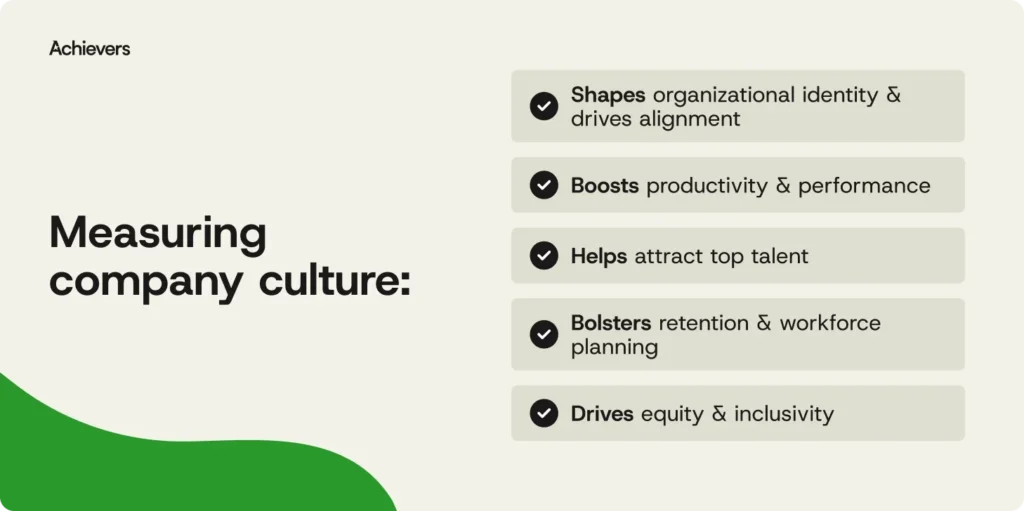
Shapes Company Identity and Drives Alignment: A distinct and robust culture imbues an organization with a unique personality and fosters a collective sense of purpose, ensuring that all employees are "rowing in the same direction." When individuals share a clear vision, common values, and a unified understanding of organizational goals, alignment becomes a powerful catalyst for improved productivity and overall performance. This clarity translates into more cohesive teams, streamlined decision-making, and a stronger external brand identity that resonates with customers and partners. Research by Gallup consistently shows that highly aligned organizations outperform their peers, with benefits including increased profitability and customer loyalty.

-
Boosts Productivity and Performance: The act of pinpointing cultural strengths and identifying gaps allows organizations to proactively address and remove potential roadblocks to productivity. When employees feel genuinely heard, valued, and appreciated, their engagement levels surge, directly impacting their output and commitment. Engaged employees are more likely to take initiative, exhibit discretionary effort, and contribute innovative solutions. A study by the Achievers Workforce Institute (AWI) found that employees who feel appreciated and engaged are significantly more productive and less likely to seek opportunities elsewhere.
-
Helps Attract Top Talent: In today’s highly competitive talent landscape, culture has emerged as a primary factor influencing candidates’ decisions to accept or decline job offers. Prospective employees meticulously research company cultures through online reviews, social media, and professional networks. By actively measuring and strategically managing their culture, organizations can cultivate an environment that genuinely appeals to high-caliber talent, thereby strengthening their employer brand and making recruitment processes more efficient and effective. A LinkedIn survey revealed that 70% of professionals would not work at a leading company if it meant they had to tolerate a bad culture.
-
Bolsters Retention and Workforce Planning: Content, fulfilled employees are far more likely to remain with an organization long-term. Measuring culture provides early warning signals for potential "flight risks," enabling timely interventions that can prevent costly turnover. The financial implications of high turnover are substantial, encompassing recruitment costs, onboarding expenses, lost productivity during transition periods, and decreased team morale. Proactive cultural management saves not only money and time but also preserves institutional knowledge and team stability, offering a significant return on investment compared to perpetual hiring cycles. Deloitte’s research indicates that organizations with strong cultures experience 30% lower turnover rates.
-
Drives Equity and Inclusivity: Beyond ethical imperatives, inclusive workplaces are proven drivers of innovation, problem-solving, and employee engagement. Measuring inclusivity involves assessing whether all employees, regardless of background, feel seen, heard, and valued. This commitment strengthens collaboration, fosters psychological safety, and ignites diverse perspectives that lead to groundbreaking ideas. By actively fostering equity, organizations build a resilient culture that supports sustainable growth, enhances employee engagement, and ensures long-term success. Studies by McKinsey & Company have shown that companies with greater diversity in their executive teams are more likely to outperform their peers on profitability.
(Image: https://www.achievers.com/wp-content/uploads/2025/12/in-context-2.webp)
Caption: Measuring company culture provides tangible benefits across various organizational aspects, from talent attraction to productivity.
Key Culture Metrics to Shape Your Workforce
Culture functions as the engine of a company, and metrics serve as the essential dashboard, providing real-time insights into its operational health, flagging potential issues, and guiding strategic improvements. Focusing on indicators that truly reflect workplace well-being is crucial:
- Employee Engagement Score (eNPS/Pulse Surveys): This is a foundational metric, typically derived from surveys that gauge employees’ enthusiasm for their work, commitment to the organization, and discretionary effort. Net Promoter Score for Employees (eNPS) asks how likely employees are to recommend their workplace to others.
- Voluntary Turnover Rate: Measures the percentage of employees who leave the company voluntarily over a specific period. High rates often signal underlying cultural issues, such as poor management, lack of growth opportunities, or a toxic work environment.
- Recognition Frequency and Quality: Tracks how often employees are recognized for their contributions and the perceived sincerity and impact of that recognition. A robust recognition culture correlates with higher engagement and lower turnover.
- Diversity, Equity, and Inclusion (DEI) Metrics: Includes data on representation across various demographics, promotion rates, pay equity, and survey responses related to feelings of belonging and fairness.
- Manager Effectiveness Scores: Assesses leadership quality, communication skills, supportiveness, and ability to foster team cohesion, often through upward feedback mechanisms. Managers are critical conduits of culture.
- Employee Satisfaction (Job Satisfaction Index): Measures overall contentment with specific job roles, work-life balance, compensation, and benefits.
- Training and Development Participation/Completion Rates: Indicates an organization’s investment in employee growth and a culture of continuous learning.
- Internal Communication Effectiveness: Assessed through surveys on clarity, transparency, and accessibility of company information.
- Absenteeism Rates: Higher rates can sometimes indicate low morale or disengagement, especially when not linked to specific health issues.
- Internal Mobility/Promotion Rates: Reflects opportunities for career progression and internal talent development, a key aspect of a growth-oriented culture.
Future-Proof Culture Metrics: Beyond Traditional Surveys
While classic culture metrics provide a solid foundation, the demands of today’s rapidly evolving workplace necessitate smarter, more dynamic, and real-time insights. Next-generation signals offer a deeper understanding of the nuances that truly define an organization’s culture:
- Sentiment Analysis from Digital Communications: Utilizing AI to analyze text from internal collaboration platforms, emails (with appropriate privacy safeguards), and feedback tools to gauge employee mood, identify emerging concerns, and understand communication patterns.
- Organizational Network Analysis (ONA): Mapping informal communication flows and influence networks within the organization to identify key connectors, potential silos, and areas of collaboration strength or weakness. This reveals the "actual" social structure, not just the hierarchical one.
- Well-being Index: Comprehensive metrics tracking mental health support utilization, stress levels, work-life balance perceptions, and burnout indicators, reflecting a holistic view of employee health.
- Psychological Safety Scores: Measures the extent to which employees feel safe to take risks, voice opinions, admit mistakes, and challenge the status quo without fear of negative consequences. This is crucial for innovation and learning.
- Perceived Fairness and Transparency: Gauges employee perception of fairness in promotions, compensation, performance reviews, and decision-making processes, often through specific survey questions.
- Agility and Adaptability Index: Measures the organization’s capacity to respond quickly and effectively to change, as perceived by employees. This is vital in fast-paced environments.
- Value Alignment Scores: Assesses how well employees feel their personal values align with the stated values of the company, a strong predictor of long-term engagement and retention.
Beyond the Survey: Comprehensive Methods for Measuring Company Culture
Measuring culture effectively is not a singular, one-size-fits-all endeavor. While surveys are undoubtedly useful tools, they represent only the initial layer of understanding. To truly grasp the intricate dynamics of a workplace, a multi-pronged approach is essential, integrating quantitative data with rich qualitative narratives and anecdotal evidence. This comprehensive cultural assessment involves collecting diverse clues from all organizational corners to uncover what genuinely makes an organization thrive or falter.
Here’s how to implement a holistic approach to measuring company culture:
- Regular Pulse Surveys: Unlike annual engagement surveys, pulse surveys are shorter, more frequent check-ins that provide real-time feedback on specific aspects of culture, allowing for agile responses to emerging issues.
- One-on-One Interviews and Focus Groups: These qualitative methods offer invaluable deep dives into employee experiences, perceptions, and suggestions. They allow for nuance, context, and the exploration of underlying emotions that quantitative data alone cannot capture.
- Exit and Stay Interviews: Exit interviews provide critical insights into why employees leave, highlighting systemic cultural issues. Stay interviews, conducted with high-performing employees, reveal why they choose to remain, identifying cultural strengths to be reinforced.
- Behavioral Observation and Ethnographic Studies: Direct observation of daily interactions, meeting dynamics, and communication patterns can reveal the "culture in action" – how values are truly lived, not just stated. This can uncover discrepancies between espoused and enacted values.
- Analysis of HRIS and Performance Data: Integrating cultural metrics with Human Resources Information Systems (HRIS) data can link cultural factors to business outcomes. For example, correlating engagement scores with performance reviews, promotion rates, or even customer satisfaction data.
- Review of Internal Communications and Collaboration Platforms: Analyzing content on internal forums, chat platforms, and knowledge-sharing portals (with appropriate privacy considerations) can provide insights into communication patterns, employee sentiment, and collaborative behaviors.
- Suggestion Boxes and Open Feedback Channels: Providing anonymous channels for employees to voice concerns, share ideas, and offer feedback can uncover issues that might not surface through formal surveys.
- Recognition Program Data: Analyzing data from recognition platforms (e.g., Achievers) can show who is recognizing whom, for what behaviors, and the frequency, indicating areas of cultural reinforcement and alignment.
Creating a Culture of Continuous Improvement

Culture is not static; it is a living, breathing entity that requires continuous attention and adaptation. By embedding practices like consistent recognition and feedback into the everyday cultural fabric, organizations can profoundly impact several key areas of the employee experience. Data from the Achievers Workforce Institute (AWI) consistently demonstrates the tangible benefits of such an approach. Compared to employees who do not feel appreciated or engaged, employees who do are significantly:
- More engaged: Actively involved and committed to their work and the organization’s success.
- More productive: Contributing higher quality work and greater output.
- More likely to stay: Exhibiting higher retention rates, reducing costly turnover.
- More innovative: Willing to propose new ideas and solutions.
Continuous attention to company culture transforms recognition and feedback into measurable impact. However, measurement alone is insufficient; it only matters when it sparks action. A robust culture of continuous improvement demands:
- Regular Feedback Loops: Implementing mechanisms for ongoing, bidirectional feedback between employees and management.
- Transparent Communication of Results: Sharing cultural assessment findings with employees fosters trust and demonstrates a commitment to change.
- Action Planning and Implementation: Developing concrete strategies based on metric insights and allocating resources to address identified gaps.
- Leadership Accountability: Ensuring leaders at all levels champion cultural initiatives and model desired behaviors.
- Iterative Review and Adjustment: Recognizing that culture is dynamic, requiring ongoing monitoring and adaptation of strategies based on new data.
Measuring Culture Change Effectiveness
Culture change effectiveness refers to the degree to which intentional alterations to an organization’s values, behaviors, and operational norms are genuinely adopted and experienced by employees over time. Assessing this effectiveness requires a multifaceted approach that tracks both quantitative shifts and qualitative perceptions.
Key ways to measure culture change effectiveness include:
- Sense of Belonging: A crucial indicator of successful culture change is an increased sense of belonging among employees. Belonging reflects whether individuals feel accepted, valued, and genuinely integrated into the organization. This directly impacts confidence and participation. According to research from the Achievers Workforce Institute, 24% of employees report that belonging to the company culture directly builds their confidence, underscoring the strong link between a positive cultural experience and an employee’s self-efficacy.
- Connection to Purpose and Values: Effective culture change is evident when employees clearly understand and personally connect with the organization’s overarching purpose and core values. When individuals can articulate how their daily work contributes to broader company goals, it signifies stronger alignment and a shared sense of direction, indicating that the new cultural narrative has been successfully internalized.
- Reinforcement of Desired Behaviors: The true success of culture change is not merely in the adoption of new values but in the consistent manifestation of desired behaviors. Tracking which behaviors are actively recognized, rewarded, and reinforced helps to measure whether the organization is authentically supporting the culture it aims to build, rather than relying solely on declarative statements of values.
- Employee Engagement and Confidence During Change: The manner in which employees respond to and navigate periods of cultural transformation is a key measure of efficacy. Higher engagement levels, coupled with demonstrated confidence in adapting to and navigating change, indicate that employees feel adequately supported, informed, and capable, rather than experiencing uncertainty or disengagement.
- Manager Consistency: Culture change initiatives are significantly more successful when managers consistently reinforce new cultural expectations. Measuring manager effectiveness across critical areas such as communication, recognition, and employee support helps determine whether cultural standards are being applied uniformly and effectively across all teams and departments.
- Consistency Across Roles and Teams: A truly effective culture change permeates the entire organization. Reviewing engagement, participation, and behavioral adherence across diverse roles, geographical locations, and work environments (e.g., remote vs. in-office) helps identify whether the new culture is becoming uniformly embedded throughout the organization or if pockets of resistance or inconsistency remain.
The Broader Implications and Future Outlook
The strategic measurement and proactive shaping of organizational culture extend far beyond internal HR concerns; they represent a fundamental competitive differentiator in a globalized, talent-scarce market. In an era where corporate reputation, social responsibility, and employee well-being are under increasing scrutiny, a vibrant, well-managed culture acts as a powerful magnet for top talent, an engine for innovation, and a shield against market volatility.
The future of culture measurement will undoubtedly leverage advanced technologies such as Artificial Intelligence and sophisticated analytics. AI-driven tools can process vast amounts of unstructured data from internal communications, identifying sentiment trends, potential burnout risks, and emerging cultural patterns with unprecedented speed and accuracy. Organizational Network Analysis (ONA) will become more prevalent in revealing informal influence structures and communication bottlenecks, offering deeper insights into how work truly gets done and where cultural interventions might be most effective.
Ultimately, culture’s impact transcends the workplace, contributing to broader societal well-being. Organizations with inclusive, ethical, and supportive cultures are not only more successful but also serve as positive forces in their communities, fostering environments where individuals can thrive both professionally and personally. The concept of "culture ROI" – the measurable return on investment from strategic cultural initiatives – will continue to gain prominence, solidifying culture’s place as a central pillar of corporate strategy.
Make Your Company Culture Measured and Meaningful with Achievers
Organizational culture unequivocally drives engagement, productivity, and retention, and platforms like Achievers are designed to make cultural insights actionable. By capturing real-time feedback, tracking cultural health metrics, and uncovering critical trends, such platforms empower leaders to make data-driven decisions that translate directly into business outcomes.
Recognition, in particular, serves as a powerful and immediate signal of culture in action. Every "thank you," every instance of cross-functional collaboration, and every celebrated milestone becomes an integral part of a living system that aligns individual behaviors with overarching business goals. Measured culture provides a strategic advantage, enabling organizations to proactively cultivate a workplace where employees feel genuinely connected, deeply empowered, and fully equipped to perform at their highest potential. The mantra is clear: Recognize. Reward. Results. This holistic approach ensures that culture is not just felt but demonstrably impacts every layer of the organization, fostering sustained growth and success.
(Call to action block: https://www.achievers.com/wp-content/uploads/2025/12/Featured-ER.webp)
Caption: Discover the latest insights on employee engagement and retention strategies in the 2026 Engagement and Retention Report.