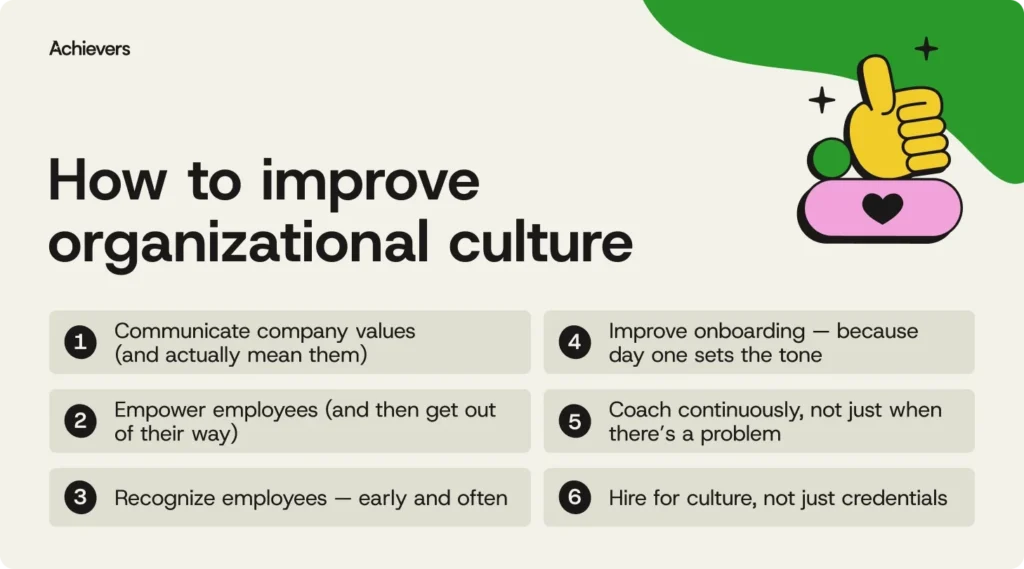
Organizational culture, the intangible yet palpable essence of how people interact, make decisions, and what behaviors are championed or overlooked, is a critical determinant of an organization’s success. It’s not merely a buzzword but a foundational element that directly influences employee engagement, productivity, and ultimately, financial performance. In today’s dynamic business landscape, fostering a positive and robust culture is not just an option; it’s a strategic imperative. Research consistently underscores the profound link between culture and outcomes, with organizations prioritizing trust and employee well-being often outperforming their counterparts. According to a study by Great Place to Work®, companies with high-trust cultures are a remarkable 5.5 times more likely to achieve year-over-year revenue growth. This correlation stems from the fact that trust fundamentally shapes how individuals approach their work, make critical decisions, and execute their responsibilities. When employees feel a strong sense of trust in their leaders and colleagues, processes accelerate, and complex challenges become more manageable. The encouraging news is that this vital aspect of organizational health is not static; it can be actively cultivated and significantly improved through deliberate and actionable strategies. The following ten tips offer practical, experience-driven approaches to enhancing organizational culture, making it tangible, felt, and lived by every member of the workforce.
The concept of organizational culture is deceptively simple: it fundamentally influences how employees present themselves at work, their level of engagement, and the very mechanisms through which progress is achieved. Whether an organization is aiming for incremental enhancements or a more profound transformation, these strategies are designed to strengthen its cultural fabric, creating a workplace that not only attracts but also retains top talent.
Cultivating a Culture of Purpose: Aligning Values with Action
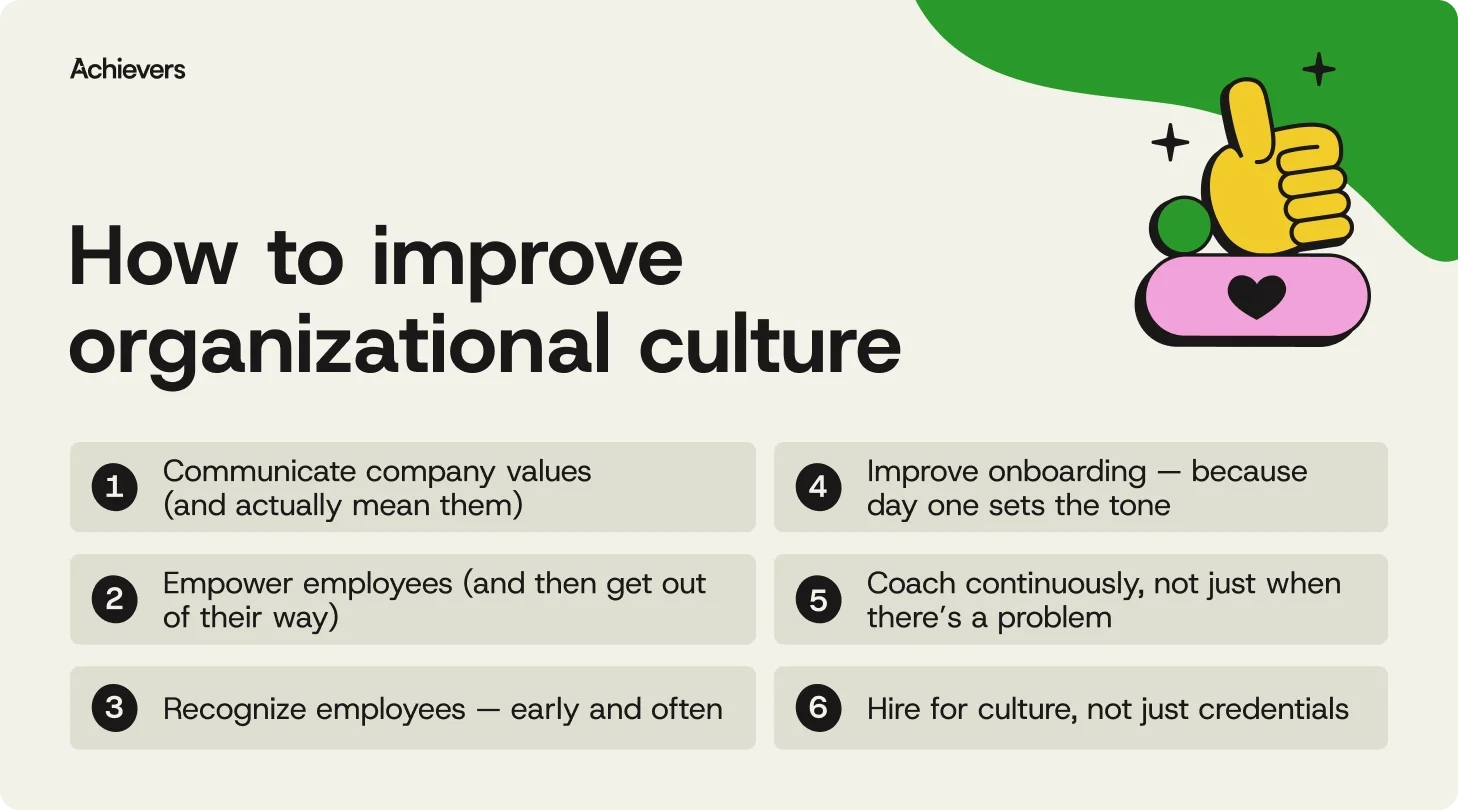
At the heart of any strong organizational culture lies a clear articulation and consistent application of core values. These values should serve as the compass guiding decision-making processes, shaping daily behaviors, and providing employees with a clear understanding of what constitutes exemplary performance. When company values are not just abstract statements but are actively reinforced through daily operations and leadership actions, employees gain clarity on expectations and the inherent significance of their contributions.
Actionable Strategies for Value Alignment:
- Integrate Values into Decision-Making Frameworks: Develop a system where every significant business decision is evaluated against the organization’s stated values. This ensures that strategic choices are not only commercially sound but also ethically aligned with the company’s core beliefs.
- Weave Values into Performance Management: Incorporate value-based assessments into performance reviews. This demonstrates that embodying company values is as important as achieving quantitative targets.
- Storytelling and Examples: Regularly share anecdotes and case studies that exemplify employees or teams living the company values. This makes abstract principles relatable and inspiring.
- Visual Reinforcement: Display company values prominently in the workplace, both physical and virtual. Use them in internal communications, presentations, and onboarding materials.
When values are consistently communicated and demonstrated, employees understand the underlying principles that drive the organization, fostering a sense of shared purpose and commitment. This clarity reduces ambiguity and empowers individuals to make decisions that are in alignment with the company’s broader mission.
The Power of Appreciation: Recognizing Employee Contributions
Recognition is a direct catalyst for employee engagement and motivation. When individuals feel genuinely appreciated for their efforts, their commitment deepens, and they are more inclined to contribute at higher levels. A culture that consistently acknowledges and celebrates achievements, both big and small, fosters a positive feedback loop that fuels continued dedication and excellence.
Effective Recognition Practices:
- Timely and Specific Praise: Offer praise that is immediate and clearly articulates the specific action or contribution being recognized. Generic compliments are less impactful than targeted acknowledgments.
- Peer-to-Peer Recognition Programs: Implement platforms or systems that allow employees to recognize each other. This democratizes appreciation and strengthens collegial bonds.
- Public and Private Acknowledgement: Utilize a mix of public forums, such as team meetings or company-wide announcements, and private gestures, like handwritten notes or direct messages, to acknowledge contributions.
- Milestone Celebrations: Mark significant work anniversaries, project completions, and personal achievements with appropriate recognition.
Frequent and meaningful recognition ensures that employees feel seen, valued, and motivated to maintain their high levels of performance. It transforms appreciation from an occasional event into an integral part of the organizational fabric.
Empowerment and Autonomy: Fostering Ownership and Trust
Employees thrive when they are granted a degree of ownership over their work, encouraged to contribute their ideas, and trusted to make decisions within their scope. This empowerment does not imply a complete absence of support; rather, it involves providing clear objectives, equipping them with the necessary resources, and offering guidance when needed, followed by the crucial act of stepping back to allow them to execute.
Strategies for Empowering Employees:
- Delegate Meaningful Tasks: Assign responsibilities that offer opportunities for growth and development, rather than solely routine tasks.
- Solicit and Value Input: Actively seek employee opinions and suggestions on projects, processes, and strategic initiatives. Demonstrate that their perspectives are genuinely considered.
- Provide Decision-Making Authority: Where appropriate, grant employees the authority to make decisions related to their work. This fosters a sense of responsibility and confidence.
- Support Calculated Risk-Taking: Create an environment where employees feel safe to experiment and take calculated risks, understanding that learning from failures is part of the process.
When individuals feel trusted, they naturally assume greater ownership and initiative, approaching each task with a heightened sense of confidence and commitment. This fosters a proactive and self-driven workforce.
Onboarding as a Cultural Foundation: Setting the Right Expectations from Day One
The onboarding process is the critical initial touchpoint that shapes a new employee’s perception of the organization. It must extend beyond administrative necessities and delve into the core elements of the company’s culture, its values, and the definition of success within the organization. A well-structured onboarding experience ensures that new hires integrate smoothly and feel aligned with the company’s ethos from the outset.

Key Components of Effective Onboarding:
- Cultural Immersion: Dedicate time to explaining the company’s history, mission, values, and unwritten norms. Introduce them to key cultural ambassadors within the organization.
- Clear Role Definition and Expectations: Beyond job duties, clearly articulate how their role contributes to the larger organizational goals and what success looks like in practical terms.
- Introduction to Team and Colleagues: Facilitate introductions and encourage early team integration, helping new hires build connections and feel welcomed.
- Resource and Tool Familiarization: Ensure new employees are proficient with the essential tools, systems, and resources they will need to perform their jobs effectively.
A robust onboarding experience accelerates a new employee’s ability to contribute meaningfully and fosters a sense of belonging and alignment from their very first day.
Continuous Coaching: Nurturing Growth Beyond Performance Reviews
Continuous coaching is paramount for employee development, enabling individuals to hone their skills, navigate challenges effectively, and gain clarity on their career progression. Moving beyond the traditional, often infrequent, performance review cycle, ongoing coaching provides regular feedback, support, and guidance.
Implementing a Coaching Culture:
- Regular One-on-One Meetings: Schedule frequent, informal check-ins between managers and their direct reports to discuss progress, challenges, and development goals.
- Mentorship Programs: Establish formal or informal mentorship opportunities where experienced employees can guide and support less experienced colleagues.
- Skill Development Workshops: Offer targeted training sessions and workshops designed to enhance specific skills relevant to individual roles and organizational needs.
- Feedback Loops: Encourage a culture where constructive feedback is a two-way street, with employees also providing feedback to their managers and peers.
From structured one-on-one meetings to informal mentorship initiatives, cultivating a culture of continuous development not only keeps employees motivated but also ensures the business remains adaptable and future-ready. This approach is also instrumental in developing proficient managers into exceptional leaders.
Strategic Hiring: Prioritizing Values Over Experience Alone
When recruiting, a singular focus on experience can inadvertently lead to teams that lack cultural cohesion. Hiring with culture in mind is essential for building collaborative teams that share common expectations and a mutual understanding of organizational norms. This involves assessing candidates not just on their technical skills but also on their problem-solving approaches, their ability to work with others, and their alignment with the organization’s values.
Hiring for Cultural Fit:
- Behavioral Interview Questions: Pose questions that explore how candidates have handled specific situations in the past, revealing their values, work ethic, and interpersonal skills.
- Team Interviews: Involve potential team members in the interview process to gauge how well a candidate might integrate with existing dynamics.
- Values-Based Assessments: Utilize assessment tools or exercises designed to evaluate a candidate’s alignment with the company’s core values.
- Reference Checks Focused on Culture: Inquire about a candidate’s past contributions to team culture, their collaborative abilities, and how they handle workplace challenges.
Recruiting individuals who resonate with and are eager to contribute to the existing culture leads to stronger teams, reduced employee turnover, and a significantly smoother onboarding process.
Transparent Communication: Building Trust Through Open Dialogue
Open and transparent communication is the bedrock of trust within any organization. This principle begins with leadership but must permeate all levels of the company. Employees need to understand what is happening within the organization, the rationale behind decisions, and have clear avenues to share their feedback.
Fostering Open Communication Channels:
- Regular Company Updates: Conduct town hall meetings, send out newsletters, or utilize internal communication platforms to share company news, strategic updates, and financial performance.
- "Ask Me Anything" Sessions: Facilitate sessions where employees can directly ask questions to senior leadership, fostering a sense of accessibility and transparency.
- Clear Communication of Decisions: When decisions are made, clearly explain the underlying reasons and implications for employees.
- Anonymous Feedback Mechanisms: Provide channels for employees to share feedback or concerns anonymously, ensuring a safe space for candid input.
When employees feel consistently informed and heard, they remain engaged and focused, rather than expending energy on speculation or worry. This transparency builds a more resilient and informed workforce.
Collaboration as a Way of Working: Breaking Down Silos
Building a collaborative culture involves actively dismantling departmental silos, encouraging cross-functional teamwork, and creating an environment where shared successes are celebrated. This approach ensures that employees view themselves as part of a unified entity working towards common objectives.
Promoting a Collaborative Environment:
- Cross-Functional Projects: Assign projects that require individuals from different departments to work together, fostering interdepartmental understanding and shared problem-solving.
- Shared Goal Setting: Establish overarching team or company goals that necessitate collaboration across various functions.
- Collaborative Tools and Platforms: Implement technology that facilitates seamless communication, file sharing, and project management among team members.
- Team-Building Activities: Organize events and activities that encourage informal interaction and relationship building across teams.
When individuals recognize themselves as working towards collective goals, employees understand they are all aligned on the same team, working in concert to achieve organizational success.
Inclusion as a Daily Practice: Valuing Diversity in Every Interaction
Diversity is a powerful driver of innovation, but it is inclusion that ensures diverse talent remains engaged and contributes fully. These outcomes do not occur by chance; they require intentional and consistent effort. Organizations must actively cultivate an environment where differences are not only tolerated but celebrated as integral to the company’s strength.
Embedding Inclusion into Daily Operations:
- Inclusive Language and Imagery: Ensure all internal and external communications, from job descriptions to marketing materials, use inclusive language and diverse representation.
- Equitable Opportunities: Implement fair processes for promotions, project assignments, and professional development that provide equal opportunities for all employees.
- Employee Resource Groups (ERGs): Support the formation and activities of ERGs that provide community and advocacy for employees from various backgrounds.
- Unconscious Bias Training: Conduct regular training to raise awareness of unconscious biases and equip employees with strategies to mitigate their impact.
Celebrating the unique attributes that make each person distinct is fundamental to fostering a sense of belonging and ensuring everyone feels an integral part of something meaningful.
Leadership as the Cultural North Star: Setting the Tone Through Behavior
Employees are astute observers of their leaders’ actions, often valuing what leaders do far more than what they say. This underscores the critical responsibility of leadership to embody the desired culture through their conduct. Leaders must consistently demonstrate integrity, actively listen, take ownership of their mistakes, and generously recognize the contributions of others.
Leading by Example:
- Integrity and Accountability: Leaders must act with honesty and transparency, and be willing to admit and learn from their errors.
- Active Listening: Demonstrate genuine interest in employees’ perspectives by listening attentively and responding thoughtfully.
- Visible Support: Leaders should be present and engaged, supporting their teams through challenges and celebrating their successes.
- Empathy and Understanding: Show genuine care and concern for employees’ well-being, both professionally and personally.
The principle is straightforward: if an organization aspires for its employees to embody a particular culture, leadership must first exemplify it. This commitment sets the standard and builds a foundation of trust and respect.
Achievers: Empowering Organizations to Build a Resilient Culture
Building a truly exceptional organizational culture requires more than just good intentions; it demands the right tools and systematic approaches to translate values into tangible actions and create lasting impact. This is precisely where Achievers offers a comprehensive solution. The Achievers platform is meticulously designed to make culture a lived reality, moving it from theoretical aspiration to a visible, everyday experience for employees through recognition, engagement, and growth.
The platform facilitates this by providing:
- Integrated Recognition Solutions: Seamlessly embedding peer-to-peer and manager-to-employee recognition into daily workflows, making appreciation a consistent practice.
- Employee Feedback Mechanisms: Offering robust tools for gathering real-time feedback, enabling organizations to understand employee sentiment and address concerns proactively.
- Performance Management Tools: Supporting continuous feedback and coaching, aligning individual goals with organizational objectives, and fostering employee development.
- Data Analytics and Insights: Providing actionable data on employee engagement, recognition patterns, and cultural metrics, allowing for informed decision-making and continuous improvement.
The ultimate outcome is a workplace where employees feel genuinely seen, heard, and empowered to perform at their best, transforming recognition from a mere initiative into an intrinsic aspect of how the company operates.
The Genesis of a Thriving Culture: A Commitment to Action
The development of a robust organizational culture is not an overnight endeavor; it commences with a deliberate and unwavering commitment. When organizations proactively prioritize meaningful recognition, foster open and honest communication, and cultivate deep, authentic connections among their employees, they lay the essential groundwork for something far greater: a culture where individuals feel profoundly valued, consistently trusted, and enthusiastically motivated to contribute their best efforts.
Transforming an organization’s culture does not necessitate a monumental overhaul to initiate the process. The journey can begin with reinforcing existing values and acknowledging the exemplary work already taking place. Over time, these consistent, positive moments coalesce into a powerful force—a workplace where individuals do not merely arrive to perform tasks, but where they truly flourish.
While cultivating a thriving culture undoubtedly demands effort, the rewards are substantial, manifesting in heightened engagement, improved retention rates, enhanced innovation, and ultimately, superior business results. There is no more opportune moment to embark on this transformative journey than right now.