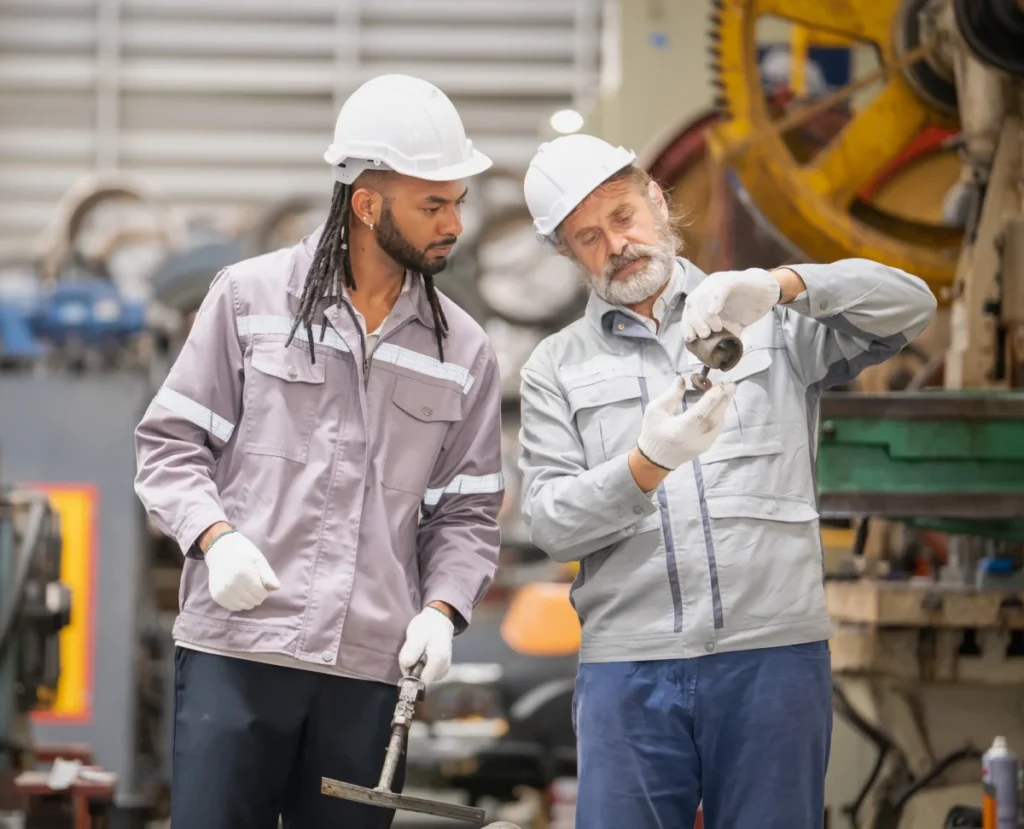
Deskless workers constitute the tangible majority of the global workforce, yet their immense contributions are frequently overshadowed by challenges in engagement, which can critically impact retention, safety, productivity, and the very fabric of company culture. For Human Resources leaders, developing and implementing effective strategies to engage this vital segment of the workforce is no longer an option; it is an imperative for sustained business success. In the manufacturing sector, where hands-on labor forms the operational backbone, the need for robust engagement is particularly acute.
The Critical Imperative of Engaging Deskless Manufacturing Workers
The importance of engaging deskless manufacturing workers extends far beyond mere employee satisfaction; it is a fundamental business driver with tangible effects across key performance indicators. A highly engaged workforce is intrinsically linked to reduced employee turnover, a significant drain on resources and institutional knowledge. Furthermore, engaged employees exhibit heightened vigilance regarding safety protocols, leading to a tangible decrease in workplace accidents and a more robust adherence to regulatory compliance. This proactive approach to safety not only protects individuals but also safeguards operational continuity.
Operationally, engaged workers are more attuned to process efficiencies and are more likely to contribute innovative ideas that can streamline production, minimize errors, and enhance overall plant performance. This heightened sense of ownership and involvement directly translates into improved productivity and a more competitive operational output. Beyond the quantifiable metrics, engagement fosters a sense of value and belonging, leading to increased job satisfaction, stronger team morale, and a more positive and cohesive workplace culture. This intrinsic motivation is crucial for navigating the inherent pressures and demands of the manufacturing environment.
Understanding the Unique Landscape of Deskless Manufacturing Engagement
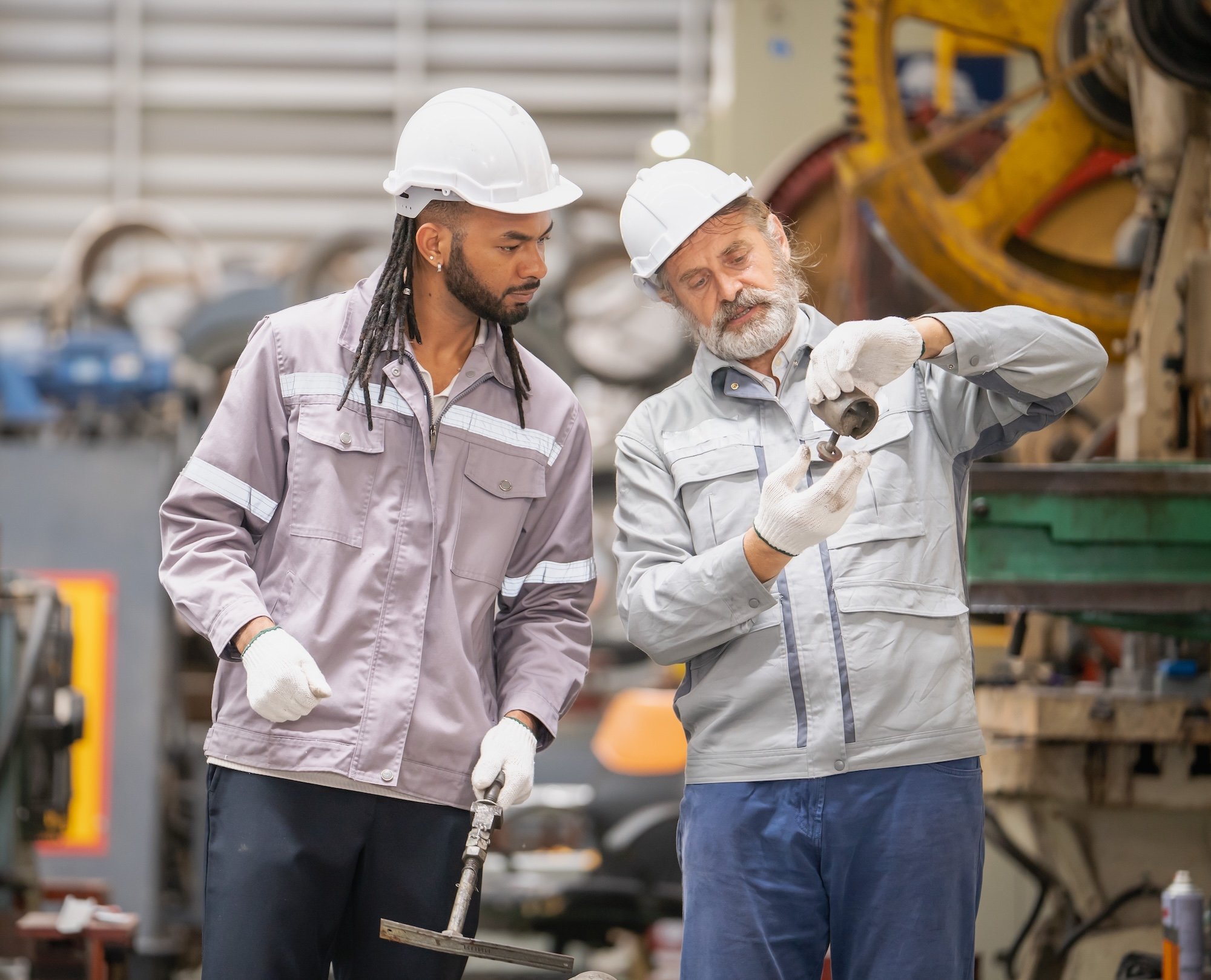
The challenges inherent in engaging deskless manufacturing workers are distinct and demand a departure from traditional, office-centric engagement methodologies. These individuals operate in environments characterized by physical demands, often in dynamic settings such as factory floors or dispersed operational sites, with limited or no regular access to computers, desks, or conventional communication channels. This operational reality necessitates tailored engagement strategies that acknowledge and address the specific nuances of shift work, fluctuating technology access, and the cumulative effects of physical labor.
Communication and Technology Gaps: A primary hurdle is the lack of consistent access to standard communication tools like desktop computers, company intranets, or even email for many deskless roles. This digital divide can lead to significant delays in information dissemination and create information vacuums, leaving workers feeling disconnected from organizational updates and decisions. To bridge this gap effectively, organizations must embrace mobile-first communication strategies, utilizing accessible platforms like dedicated employee apps or even SMS to ensure that critical information reaches all employees in a timely and inclusive manner. The speed and directness of mobile communication are particularly vital in fast-paced manufacturing settings where real-time updates can be crucial.
Isolation and Disconnection: The nature of shift work, which often involves staggered schedules or round-the-clock operations, can inherently limit direct interaction among employees, particularly between different shifts or departments. This can foster a sense of isolation and disconnection from the broader organizational mission and community. Effective engagement strategies must actively cultivate opportunities for connection and inclusion, fostering a sense of belonging that transcends the physical limitations of work schedules. This might involve virtual team-building activities, cross-shift communication initiatives, or informal social gatherings that accommodate varying schedules.
Irregular Schedules and Shift Work Realities: The prevalence of non-standard working hours and rotating shifts in manufacturing presents a significant challenge for consistent communication and engagement. Announcements made during one shift may be missed by another, and participation in live training sessions or company-wide events can be difficult to coordinate. Engagement approaches must therefore be inherently flexible, adaptable, and considerate of these scheduling complexities. This could involve making recorded versions of important communications available, offering training modules accessible at any time, and ensuring that engagement initiatives are not solely reliant on synchronous participation.

Physical Demands and Fatigue: The physically demanding nature of manufacturing work, coupled with the cumulative effects of shift rotations, can lead to fatigue and burnout. This can diminish an employee’s willingness or capacity to engage with additional company programs or initiatives outside of their core job responsibilities. Consequently, engagement activities must be designed to be energy-conscious, straightforward, and respectful of workers’ limited free time and energy reserves. Furthermore, robust wellbeing initiatives that address physical health, mental wellbeing, and stress management can significantly mitigate these challenges, creating a more sustainable and engaged workforce.
Strategic Pillars for Enhancing Deskless Worker Engagement
To foster a truly engaged deskless workforce, HR leaders must move beyond theoretical frameworks and embrace practical, actionable strategies grounded in the day-to-day realities of their employees. This requires a multi-faceted approach that prioritizes accessibility, relevance, and mutual respect.
1. Implementing a Mobile-First Communication Ecosystem:
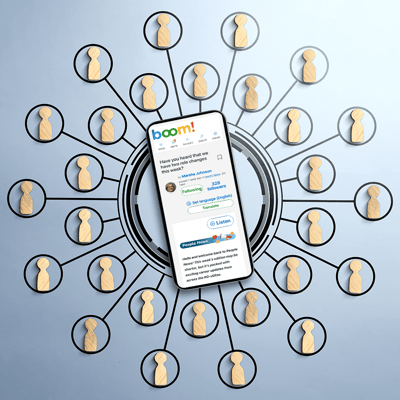
The cornerstone of engaging deskless workers is a robust, mobile-first communication strategy. This involves leveraging user-friendly mobile applications and text messaging platforms to deliver timely, concise, and accessible information directly to employees, regardless of their location or work schedule. These platforms can serve not only for disseminating critical updates regarding safety, operational changes, or company news but also for facilitating two-way communication and feedback. The immediacy of mobile communication is a significant advantage in dynamic manufacturing environments where swift dissemination of information can prevent errors and enhance safety. For instance, alerts about equipment malfunctions or urgent safety notices can be sent instantaneously to all relevant personnel.
2. Tailoring Content and Segmenting Communication Strategies:
Generic, one-size-fits-all communication is rarely effective. A more impactful approach involves segmenting the workforce based on factors such as shift, role, department, or even specific work site. By tailoring messages to resonate with the specific responsibilities, challenges, and interests of each segment, organizations can significantly increase the relevance and impact of their communications. This targeted approach reduces information overload and ensures that employees receive information that directly pertains to their daily work, thereby fostering greater engagement. For example, a message about a new safety procedure on a specific production line should be delivered only to the employees working on that line, rather than broadcasted to the entire facility.
3. Cultivating Two-Way Communication and Feedback Loops:
True engagement is a dialogue, not a monologue. Establishing clear and accessible channels for two-way communication is paramount. This involves creating mechanisms through which deskless workers can voice their ideas, concerns, and suggestions without fear of reprisal. This could include dedicated feedback forms within mobile apps, regular team huddles focused on open discussion, or anonymous suggestion boxes. By actively soliciting and responding to employee feedback, organizations demonstrate that their input is valued, fostering a sense of trust, collaboration, and empowerment. This proactive feedback loop also allows management to identify and address potential issues before they escalate, contributing to a more stable and productive work environment.
4. Leveraging Meaningful Recognition and Rewards:
Acknowledging and celebrating the contributions of deskless workers is a powerful engagement tool. Recognition programs should be designed to be timely, specific, and meaningful, reflecting individual and team achievements. This can range from public shout-outs on company communication platforms to tangible rewards that align with employee preferences. Consistent and genuine recognition not only boosts morale and reinforces positive behaviors but also cultivates a culture of appreciation where employees feel valued and motivated to maintain high standards. For instance, recognizing a team for achieving a production target safely and efficiently can have a profound impact on their continued commitment.
5. Prioritizing Safety and Wellbeing Initiatives:
The physical and mental wellbeing of deskless workers is intrinsically linked to their engagement and productivity. Organizations must proactively implement comprehensive wellbeing programs that address the unique challenges of manufacturing environments. This includes providing resources for injury prevention, promoting mental health awareness, offering ergonomic support, and ensuring adequate rest and recovery periods. When employees feel that their employer genuinely cares about their health and safety, their sense of loyalty and commitment to the organization is significantly enhanced. A focus on wellbeing also contributes to a more sustainable and resilient workforce, reducing absenteeism and improving overall job satisfaction.
6. Investing in Learning and Development Opportunities:
Providing accessible and flexible learning and development opportunities demonstrates a commitment to the professional growth of deskless workers. This can include offering on-demand training modules, skill-building workshops that accommodate shift schedules, or clear pathways for career advancement within the organization. Investing in employee development not only equips individuals with new skills and enhances their employability but also fosters a sense of purpose and long-term commitment to the company. When employees see a future for themselves within the organization, their motivation and engagement levels tend to increase.
Transforming the Manufacturing Floor with Reward Gateway | Edenred
At Reward Gateway | Edenred, the mission is to foster workplaces where employees thrive. Recognizing that deskless manufacturing workers are the bedrock of numerous industries, the organization understands that meaningful engagement is the catalyst for sustained business success. Through the integration of communication, recognition, and wellbeing solutions, HR leaders can empower their frontline workforce. This holistic approach not only bolsters retention rates, enhances safety, and drives productivity but also cultivates a more connected and robust organizational culture. The ultimate goal is to transform the manufacturing floor into an environment where every employee feels valued, supported, and empowered to excel daily.
Organizations seeking to elevate their employee experience for dispersed workforces can explore the comprehensive Employee Experience platform and integrated solutions offered by Reward Gateway | Edenred. By partnering with them, companies can make their respective corners of the world better places to work, ensuring that every employee, regardless of their role or location, feels connected, appreciated, and motivated.