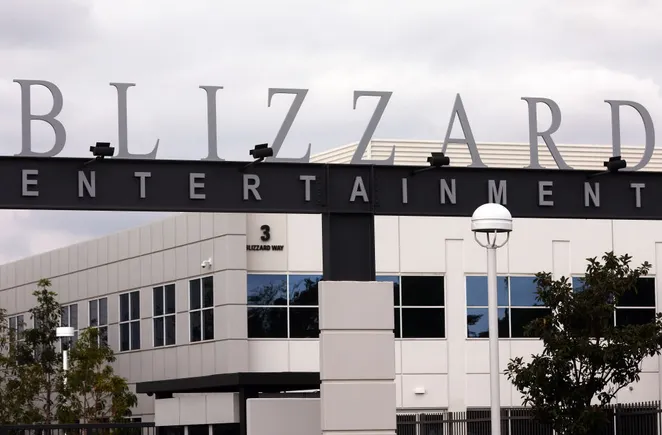
A former female employee of video game publishing giant Activision Blizzard has filed a comprehensive lawsuit in the California Superior Court for Los Angeles County, alleging a prolonged period of sexual assault, harassment, and systemic wage-and-hour violations by male staff members. The plaintiff, identified only as "Doe," claims she endured multiple instances of misconduct, a hostile work environment, and gender-based pay discrimination over nearly fifteen years, ultimately leading to her constructive discharge in 2024. The lawsuit, Doe v. Activision Blizzard, Inc., places renewed scrutiny on the company’s workplace culture, which has been the subject of intense public and regulatory examination in recent years.
New Allegations Detail Years of Abuse and Discrimination
The complaint paints a disturbing picture of the plaintiff’s experience, which began when she joined Activision Blizzard’s Blizzard division as a part-time employee before transitioning into salaried roles. Among the most serious allegations, the plaintiff claims that a male co-worker lured her to his apartment, where he sexually assaulted her and attempted rape. Disturbingly, despite reporting this harrowing incident to both her supervisor and the Human Resources (HR) department, the co-worker reportedly faced no disciplinary action and was instead promoted within the company. This alleged failure to act by management and HR forms a central pillar of the plaintiff’s case, suggesting a profound breakdown in protective mechanisms designed to safeguard employees.
Beyond this singular incident, the lawsuit details a pervasive pattern of misconduct. The plaintiff alleges that she was subjected to sexual assault or harassment perpetrated by no fewer than nine different male staffers during her tenure. These alleged acts encompassed a range of behaviors, including inappropriate touching, persistent unwanted sexual advances, and even the nonconsensual access of her hotel room during a company trip to France. The complaint further describes "aggressive and hostile treatment" from another director-level male employee, contributing to an overall environment that the plaintiff found intolerable. The cumulative impact of these alleged incidents speaks to a deeply entrenched problem, where a female employee was reportedly forced to navigate a workplace rife with predatory behavior and disrespect.
A Pattern of Alleged HR Failure and Retaliation
A significant portion of the lawsuit focuses on the alleged failures of Activision Blizzard’s Human Resources department. The plaintiff claims that despite her repeated attempts to report the misconduct to HR, the department consistently failed to take appropriate action. Instead, she alleges that Blizzard’s HR department was dismissive and overtly hostile towards her complaints, a claim that resonates with earlier criticisms leveled against the company’s HR function. Adding to the gravity of these claims, the plaintiff asserts that certain HR personnel were "known to be close to the alleged harassers," raising serious questions about the department’s impartiality and effectiveness.
The complaint goes further, alleging that the HR department actively obstructed justice by destroying or withholding relevant investigative documents related to her complaints. Furthermore, the plaintiff claims that she and other women who dared to raise similar concerns faced retaliation for speaking out. This alleged pattern of HR inaction, hostility, obstruction, and retaliation is particularly damning, suggesting that the very department entrusted with employee welfare may have actively contributed to perpetuating the toxic environment. Such allegations underscore a systemic issue where internal reporting mechanisms, rather than serving as a recourse for victims, allegedly became another source of distress and injustice.
Financial Exploitation and Gender Pay Disparity Claims
In addition to the severe allegations of sexual harassment and assault, the plaintiff’s lawsuit also details a series of wage-and-hour claims against Activision Blizzard. She alleges that the company required her to sign a meal-period waiver, a practice that can deprive employees of legally mandated breaks. Furthermore, she claims she was pressured to either underreport or not report her overtime hours, resulting in her not being paid for all hours worked. The lawsuit states that she was required to work excessive and unsafe hours, to the extent that she occasionally had to sleep at her office, highlighting a culture of overwork and potential exploitation.
Compounding these issues, the plaintiff also alleges gender pay discrimination. At one point, she claims she was paid a mere $10 per hour, while male colleagues performing similar work earned a significantly higher rate of $18 per hour. This substantial disparity, according to the lawsuit, took the company more than six months to correct, indicating a blatant disregard for equitable compensation practices. The combination of alleged sexual harassment, assault, and these egregious wage and pay discrimination practices led the plaintiff to the conclusion that her working conditions were so intolerable that a reasonable person in her position would have felt compelled to resign. This constitutes a claim of "constructive discharge," arguing that the employer’s actions effectively forced her out of her job in 2024. The complaint explicitly states, "The continuous physical, mental, financial, and emotional abuse that Plaintiff suffered over fourteen and one-half years rendered her working conditions so intolerable that a reasonable person in her position would have felt compelled to resign."
Activision Blizzard’s Recent History of Workplace Culture Scrutiny
This new lawsuit emerges against a backdrop of well-documented and highly publicized controversies surrounding Activision Blizzard’s workplace culture. The company, renowned for popular video game franchises such as "World of Warcraft," "Overwatch," and "Call of Duty," has been embroiled in a multi-year legal saga alleging widespread sex- and gender-based discrimination. This began in July 2021, when the California Department of Fair Employment and Housing (DFEH), now the Civil Rights Department (CRD), filed a lawsuit against Activision Blizzard. The DFEH’s complaint asserted that the company maintained a "frat boy culture" where female employees were routinely subjected to sexual harassment, some of which was allegedly perpetrated by company executives.
The 2021 DFEH lawsuit further detailed claims that women at Activision Blizzard were systematically paid less than men despite performing similar work. They were also allegedly assigned to lower-level jobs, promoted less frequently, and fired or forced to quit more frequently than their male counterparts. These allegations triggered a firestorm of public criticism, employee walkouts, and significant reputational damage for the gaming giant. The outcry highlighted a broader industry reckoning with entrenched issues of sexism, harassment, and discrimination in the tech and gaming sectors. The specifics of the "frat boy culture" often included allegations of excessive drinking, inappropriate jokes, and a general environment where female employees felt devalued and objectified.
Regulatory Actions and Significant Settlements
The legal and public pressure on Activision Blizzard intensified following the 2021 DFEH lawsuit, leading to a series of significant regulatory actions and settlements. Observers and HR experts who spoke to media outlets at the time often surmised that Activision Blizzard’s HR department might have inadvertently, or even actively, sanctioned the problematic conduct. The California complaint, in particular, claimed that the HR function was neither trusted nor well-regarded within the company, and that objections to misconduct were "treated in a perfunctory manner and not kept confidential," often leading to retaliation against victims. This echoed the claims made in the new "Doe" lawsuit, suggesting a persistent, systemic issue within the company’s internal reporting and resolution mechanisms.
Ultimately, Activision Blizzard moved to resolve these extensive legal challenges. In December 2023, the company agreed to a substantial $54 million settlement with California regulators to bring an end to the DFEH lawsuit. This settlement aimed to compensate victims and mandate significant changes to the company’s workplace practices. This followed an earlier agreement in 2021, where a judge approved an $18 million settlement and consent decree with the U.S. Equal Employment Opportunity Commission (EEOC) over alleged violations of federal employment laws related to harassment and discrimination. These combined settlements, totaling $72 million, represented a costly acknowledgment of widespread cultural and operational failings within the company, sending a clear signal about the severe consequences of failing to address workplace misconduct.
Microsoft’s Acquisition and the Cultural Integration Challenge
Amidst these ongoing legal battles and a tarnished public image, Activision Blizzard became the target of a monumental acquisition. In October 2023, technology behemoth Microsoft finalized its acquisition of Activision Blizzard in a deal valued at more than $75 billion, making it the largest acquisition in the history of the video game industry. The timing of the acquisition, while the company was still grappling with the fallout from its workplace controversies, raised considerable questions among industry analysts and HR experts. Many questioned how Microsoft, a company with its own established corporate culture, would successfully integrate the beleaguered publisher’s culture and address the deep-seated issues that had come to light.
HR experts who commented on the acquisition at the time emphasized the immense challenge Microsoft faced in rebuilding trust and transforming Activision Blizzard’s workplace environment. Recommendations included eliminating organizational silos that could harbor problematic subcultures, identifying and removing leaders who contributed to or tolerated toxic behavior, and implementing robust, transparent HR practices. The expectation was that Microsoft would need to undertake a comprehensive overhaul to ensure a safe and equitable workplace. The emergence of this new lawsuit, even if it pertains to alleged conduct predating the full integration under Microsoft, serves as a potent reminder of the enduring legacy of these cultural issues and the scale of the task ahead for Microsoft in ensuring lasting change and accountability across its expanded gaming division.
Broader Industry Implications and the Quest for Accountability
The lawsuit filed by "Doe" against Activision Blizzard is more than an isolated incident; it underscores a persistent and challenging issue within the broader tech and video game industries regarding workplace conduct and corporate accountability. Despite increased awareness and efforts towards diversity, equity, and inclusion, cases of alleged sexual harassment, discrimination, and wage violations continue to surface, demonstrating that systemic change often requires sustained pressure and legal intervention. This case serves as a stark reminder that even after major settlements and corporate acquisitions, the personal experiences of employees can reveal a long tail of unresolved grievances and unaddressed misconduct.
The implications of this lawsuit are multifaceted. For Activision Blizzard, and by extension Microsoft, it represents another potential legal and financial burden, further impacting a reputation that has only recently begun to stabilize. Beyond the direct costs, the ongoing litigation can hinder efforts to recruit top talent, affect employee morale, and distract from core business objectives. For the industry as a whole, such lawsuits reinforce the critical need for companies to move beyond superficial diversity initiatives and implement genuinely effective, transparent, and employee-centric HR systems. It highlights the importance of fostering a culture where complaints are not only heard but acted upon decisively, and where retaliation against whistleblowers is met with severe consequences. The plaintiff’s courage in coming forward, detailing years of alleged abuse, continues to fuel the broader conversation around workplace safety, gender equality, and the enduring quest for true accountability in corporate environments. The outcome of Doe v. Activision Blizzard, Inc. will undoubtedly be closely watched by employees, industry stakeholders, and legal observers alike, as it contributes to the ongoing evolution of workplace standards in the digital age.