The prevailing narrative surrounding Artificial Intelligence (AI) often paints a picture of widespread job displacement, fueling anxiety about an automated future. However, a closer examination of emerging trends and real-world data suggests a more nuanced and optimistic reality. Rather than decimating the workforce, AI is proving to be a powerful engine for job creation, transforming existing roles into more engaging, valuable, and ultimately more rewarding "Superjobs." This evolution, observed across various industries, indicates a shift from routine task execution to higher-level cognitive and interpersonal functions, driven by human ingenuity augmented by technological prowess.

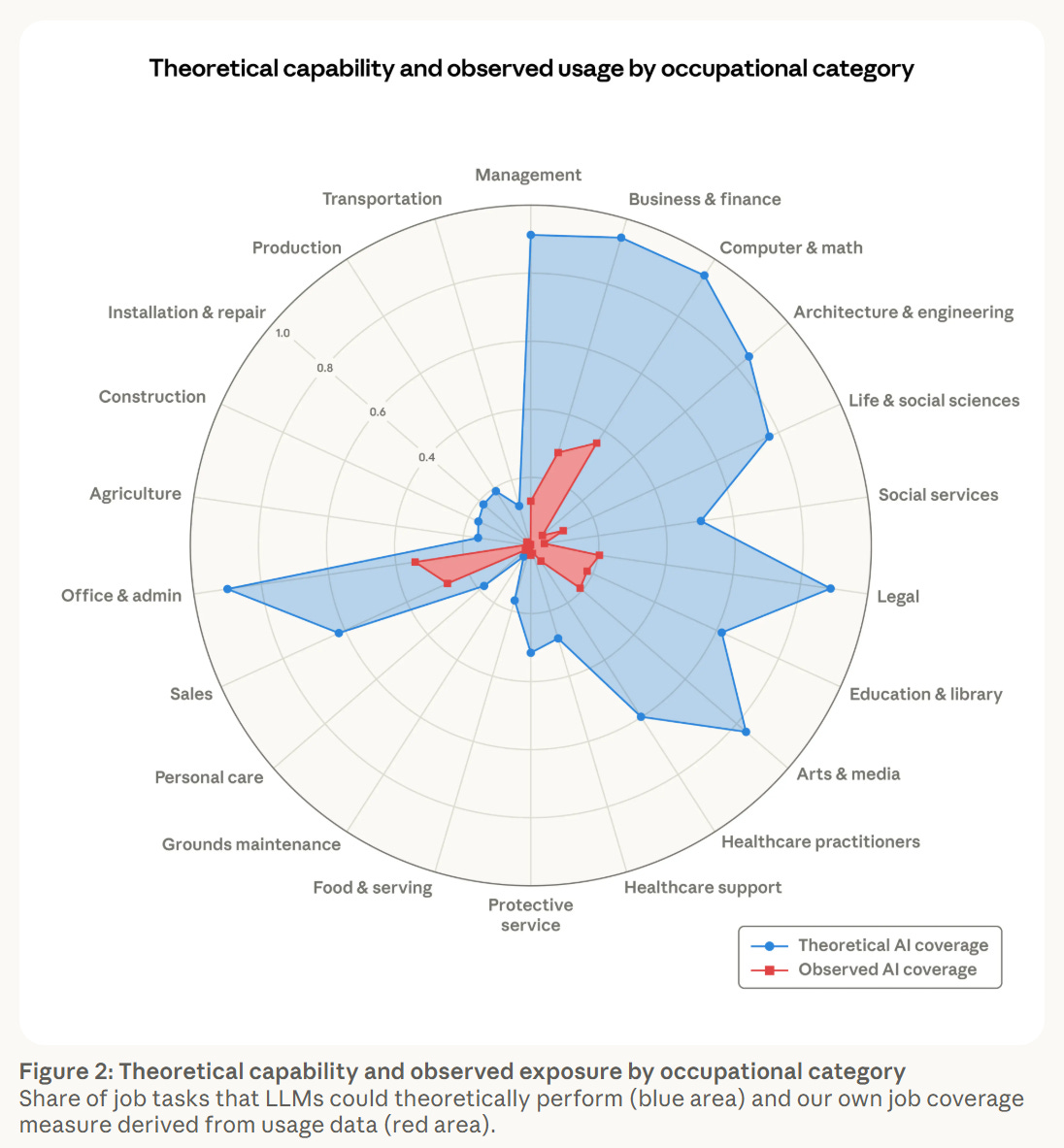
The perception of AI as a job killer is a recurring theme, often amplified by studies that focus on the automation of specific tasks. For instance, research from Anthropic, while insightful, suggests that a significant portion of current "work" could be performed by Large Language Models (LLMs). This perspective, however, tends to overlook the multifaceted nature of human employment. The reality, as evidenced by labor market data, is that while AI excels at automating repetitive processes, it simultaneously elevates the complexity and strategic importance of human roles. This transformation is not merely theoretical; it is a tangible shift being observed daily in workplaces worldwide.
The Software Engineering Landscape: Evolution, Not Extinction
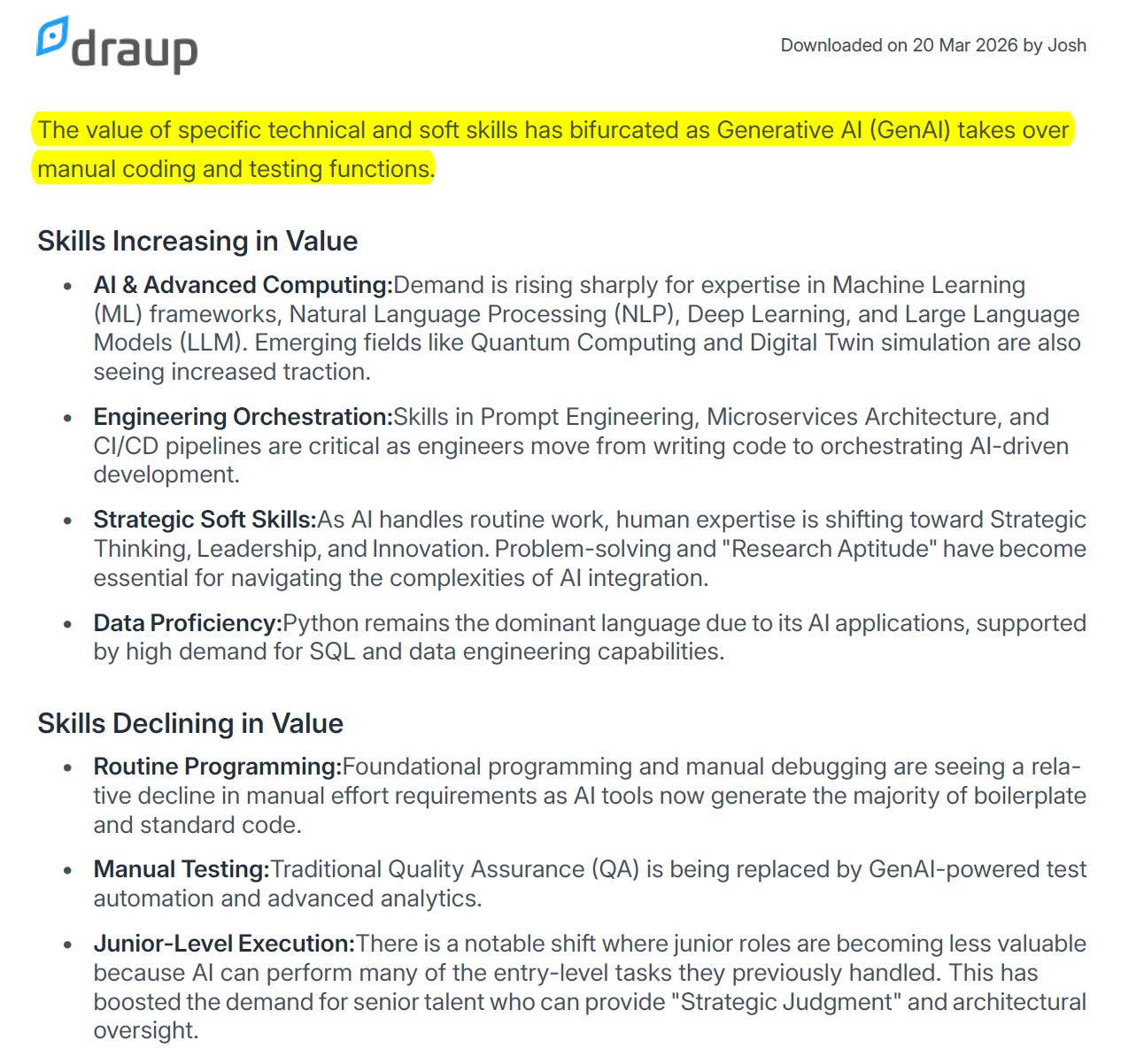
The software engineering sector, a hotbed of AI development and adoption, serves as a prime example of this phenomenon. With a substantial percentage of the global workforce engaged in design, coding, testing, maintenance, and integration of software, this field represents a significant economic contributor. Contrary to predictions of mass obsolescence, data from labor market analytics firms like Lightcast and Draup reveals a resilient, and in some areas, growing demand for software professionals.

While studies like Anthropic’s "AI Exposure" research highlight the potential for LLMs to automate coding tasks, this overlooks the broader responsibilities of software engineers. These professionals are not solely code generators; they are architects of technological solutions, deeply involved in understanding business needs, designing system architectures, refining use cases, and developing comprehensive testing strategies. The ability of AI to rapidly produce code frees up engineers to focus on these higher-value activities, requiring critical thinking, problem-solving, and strategic planning.
Labor market data from Lightcast, tracking global job postings for software engineering, design, and testing roles, shows a remarkable stability in overall demand, despite periodic fluctuations. While specific entry-level coding and testing tasks may see a decline in demand, this is a natural progression analogous to the decline of the "steno pool" with the advent of word processors or the reduced need for telephone operators with the rise of automated systems. These shifts do not signal the end of professions but rather their adaptation and specialization.
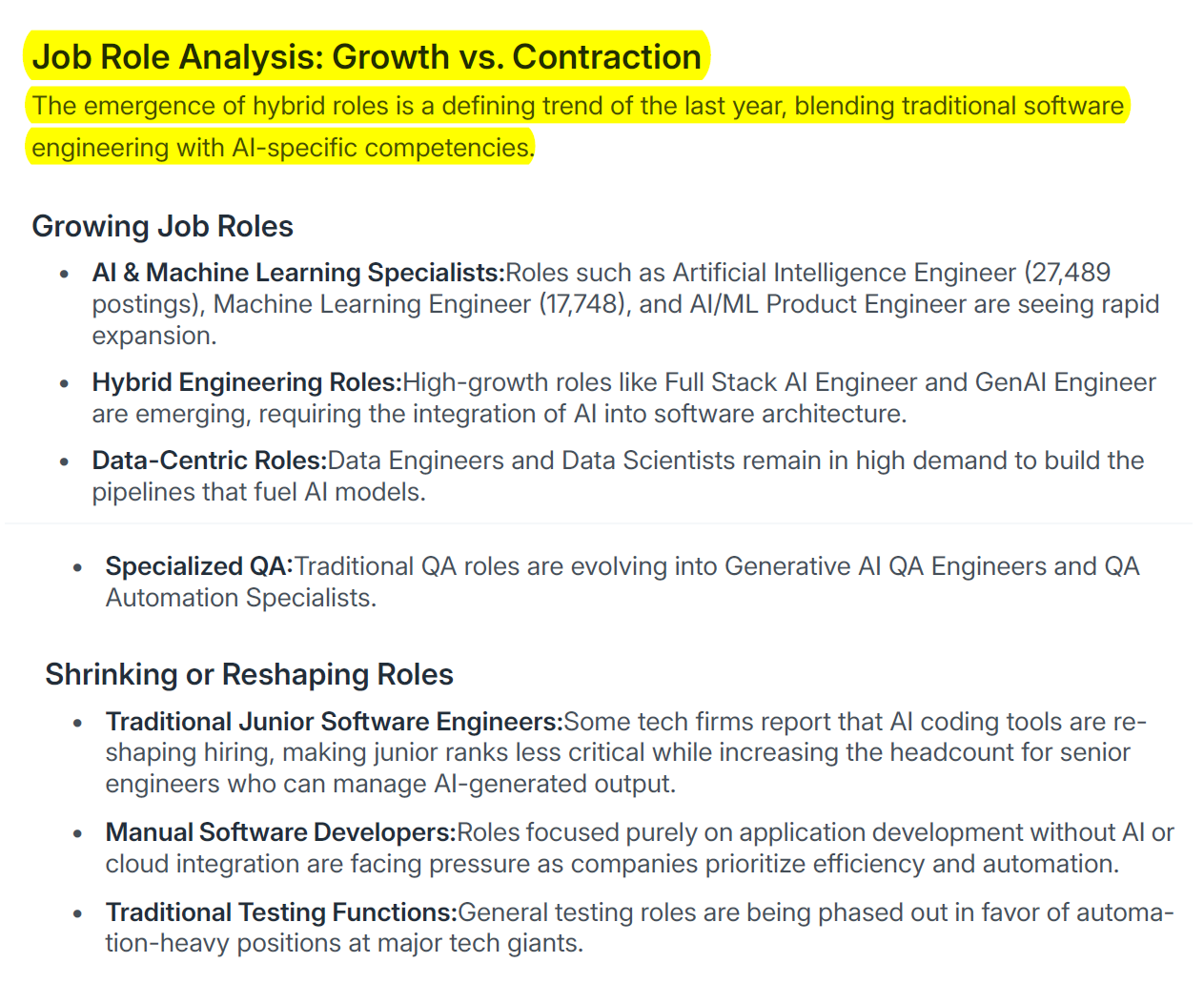
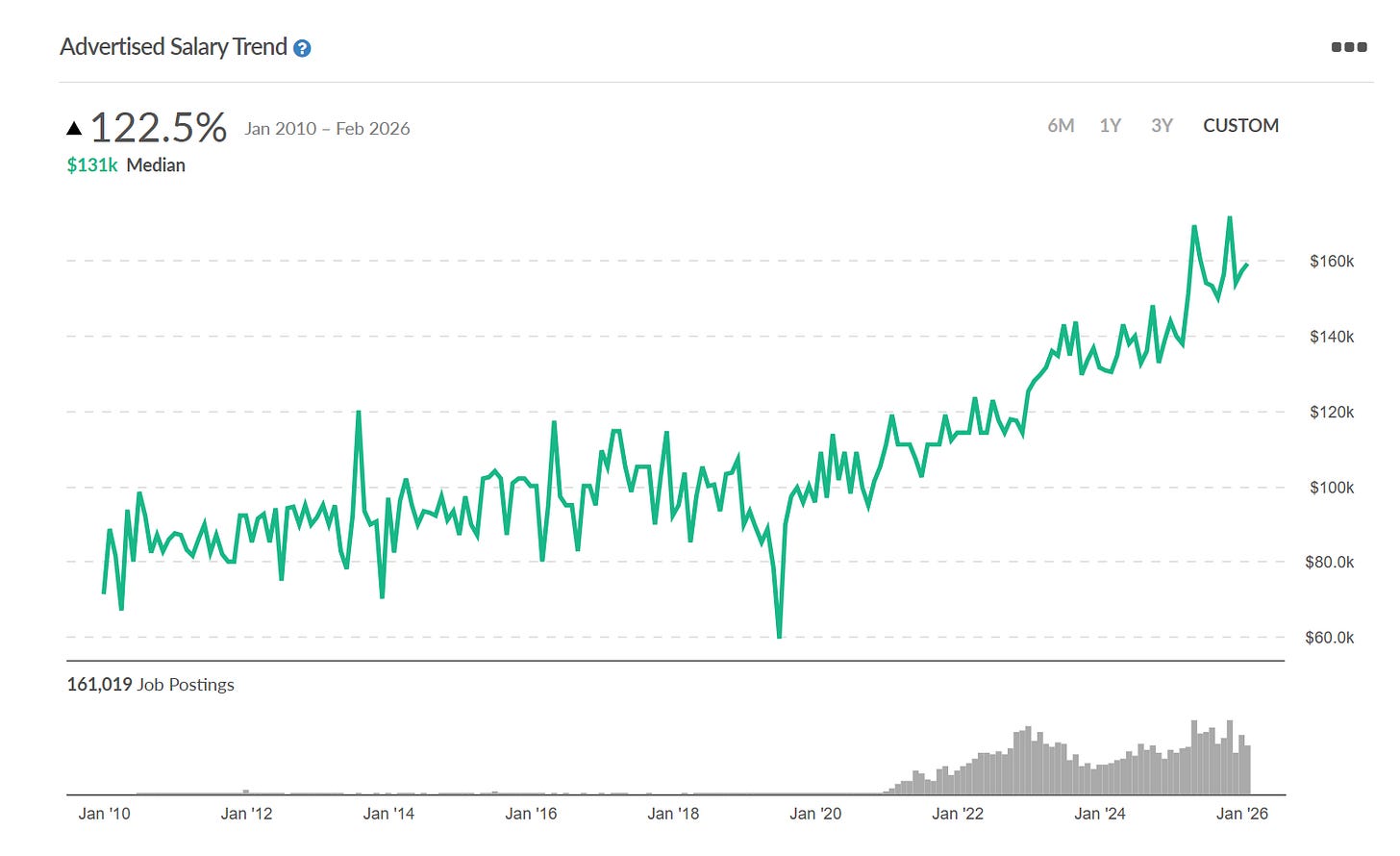
The emergence of new job titles such as "full-stack AI engineer" and "GenAI engineer" directly reflects this evolution. These roles demand a deeper understanding of AI principles, model integration, and ethical considerations, pushing human expertise into more advanced and specialized areas. This shift is also reflected in compensation. Data indicates that software engineering salaries have seen significant growth, accelerating over the past three years, a testament to the increasing value and demand for these evolved skill sets. This upward trend in compensation suggests that AI is not suppressing wages but rather enhancing the earning potential of those who adapt to its integration.
Healthcare: Augmentation, Not Replacement
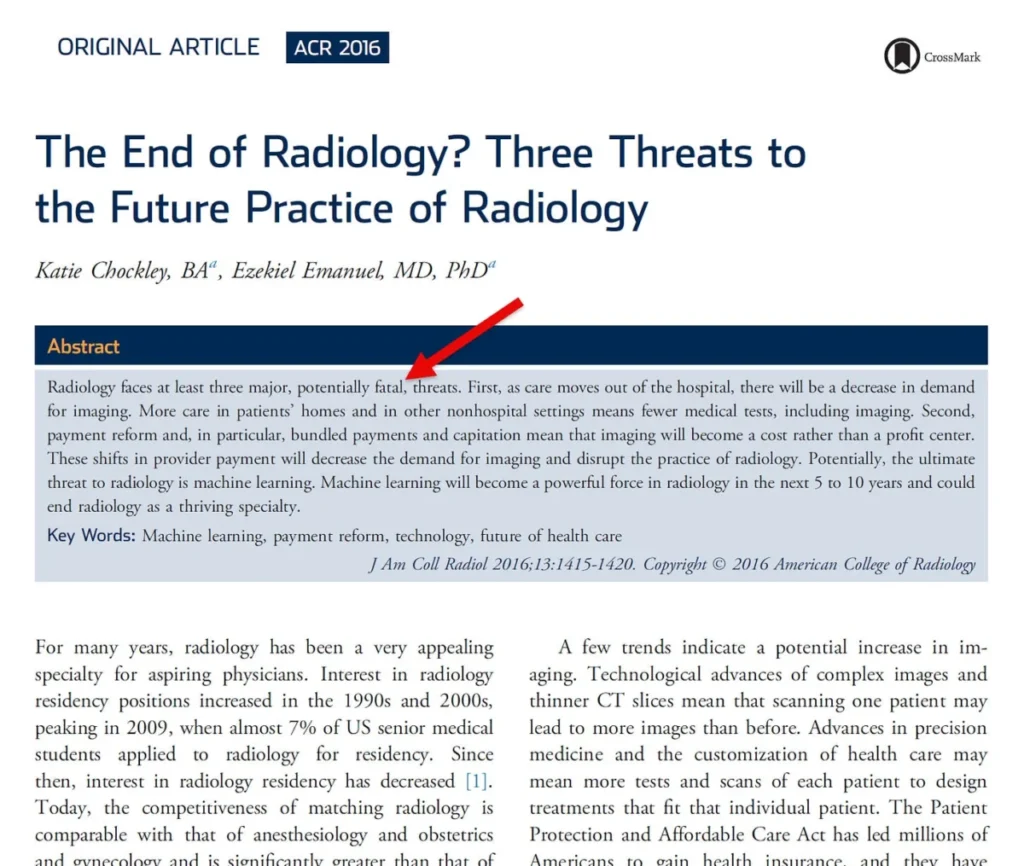
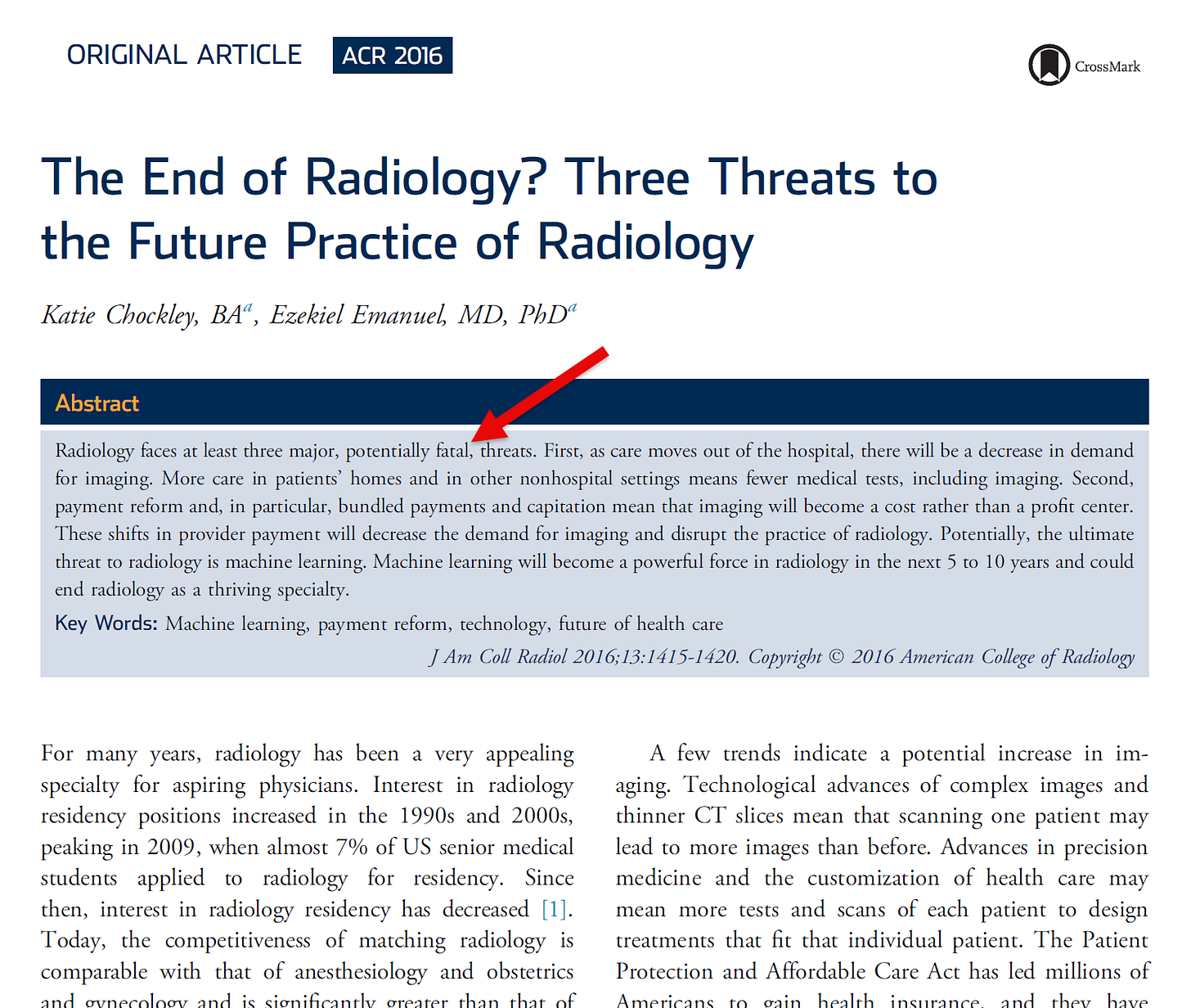
The healthcare sector offers another compelling case study of AI’s transformative impact. The role of X-ray technicians and diagnosticians, for example, was once projected to be rendered obsolete by advancements in digital imaging and AI-powered medical image analysis. The logic was straightforward: if machines could identify anomalies in scans with greater speed and accuracy, the human role would diminish.
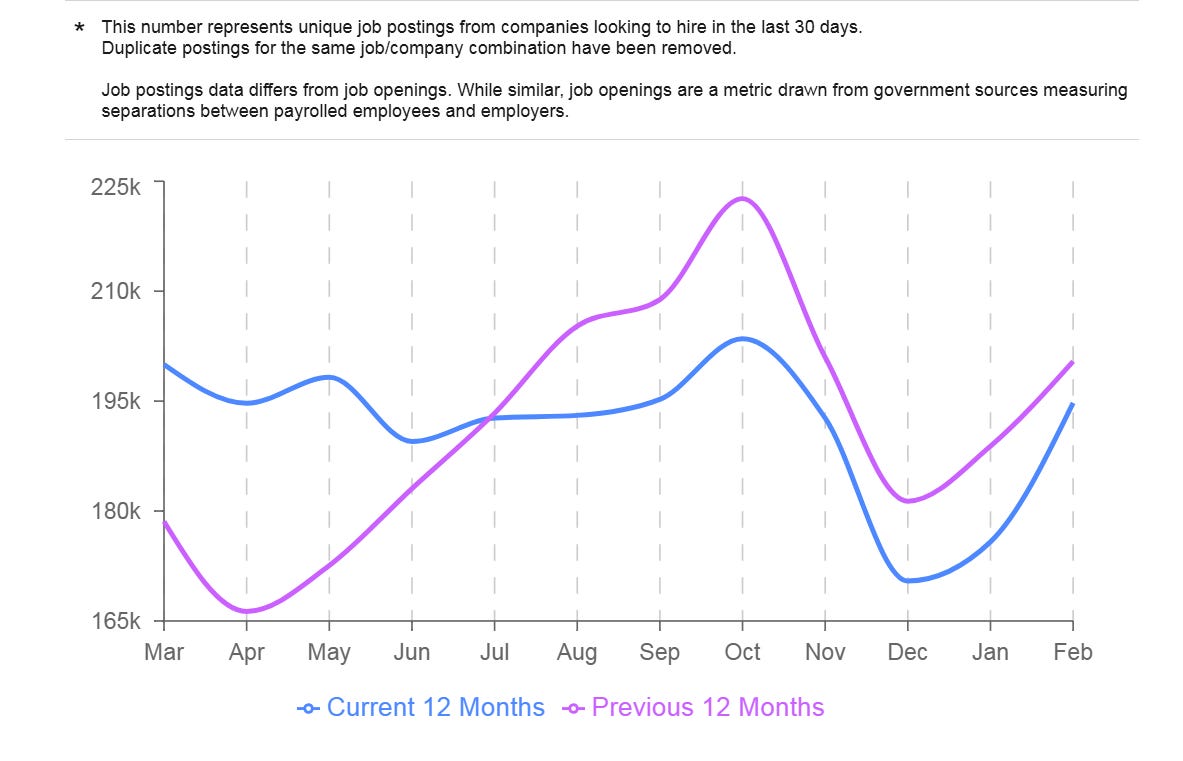
However, the empirical evidence contradicts this deterministic outlook. Job postings for imaging and medical diagnostics have actually seen a significant increase, with Lightcast data indicating a 35% year-over-year rise. This surge in demand is not for the performance of the original, more rudimentary tasks, but for professionals who can leverage AI as a powerful diagnostic tool.
The nature of these roles has evolved into what can be termed "Superjobs." Instead of merely operating imaging equipment and conducting basic readings, professionals in this field are now deeply involved in managing AI-driven diagnostic systems, interpreting complex AI-generated reports, ensuring patient comfort and care during the imaging process, and communicating findings effectively to both patients and physicians. The focus has shifted from rote technical execution to a more holistic approach encompassing patient interaction, data interpretation, and seamless integration of AI insights into the diagnostic workflow.
The anecdote of a recent patient experiencing a swift and efficient diagnostic process highlights this evolution. A doctor’s prompt referral, a seamless imaging procedure, and near-instantaneous results delivered while the patient was still en route home exemplify how AI, when integrated thoughtfully, enhances efficiency and patient experience. The doctor and the imaging specialist, in this scenario, are not replaced but are empowered by AI to deliver a higher standard of care, demonstrating the creation of "Superworkers."
Furthermore, the integration of AI in medical imaging has also led to increased accessibility and cost-effectiveness. Studies suggest that while other healthcare costs have soared, the cost of imaging services has seen relative stabilization or even decrease, coupled with a dramatic increase in volume. This scalability, driven by AI’s efficiency, has expanded access to diagnostic services, creating a greater overall need for skilled human oversight and interpretation.
The Superworker Phenomenon: Human Adaptation and Value Creation
The overarching principle driving this transformation is the inherent human capacity for adaptation and value creation. For centuries, technological advancements have reshaped labor markets, not by eliminating jobs entirely, but by altering their nature and demanding new skills. The consistent stability of the US unemployment rate around 4.5% over many years serves as a powerful indicator of humanity’s ability to adjust to evolving economic landscapes.
As human beings, we possess a unique advantage rooted in millions of years of genetic learning and evolutionary adaptation. While AI may excel at rapid computation and pattern recognition, humans are unparalleled in their ability to learn, innovate, and create value. This innate drive to "make things better" is the engine behind societal progress and business development. Leaders, in particular, are wired to identify problems, devise solutions, and navigate change, especially during challenging times.
The COVID-19 pandemic provided a stark illustration of human adaptability. Industries and individuals rapidly innovated and adjusted to unprecedented circumstances. Similarly, individuals facing disabilities or chronic illnesses often demonstrate remarkable resilience and ingenuity in adapting their lives and work. This inherent human drive to evolve and improve is precisely what positions us to thrive in the age of AI.
AI, therefore, should be viewed not as a replacement for human capability, but as a powerful tool that augments it. Technologies like AI, self-driving cars, advanced biologics, and innovative business management strategies are all manifestations of humanity’s ongoing pursuit of progress. They do not signal an end to employment but rather an opportunity to transcend limitations and unlock new potential.

Embracing the Future: From Drudgery to "Superwork"
The narrative of AI leading to mass unemployment is a mischaracterization of its true impact. Instead, AI is poised to liberate human workers from monotonous and repetitive tasks, allowing them to focus on more intellectually stimulating, creative, and strategic endeavors. This liberation paves the way for "Superwork"—jobs that are more engaging, more impactful, and financially more rewarding.
The implications are profound: companies can scale higher, careers can reach new altitudes, and individuals can leverage their unique strengths to drive innovation and personal growth. The future of work is not one of human obsolescence, but of human augmentation, where AI serves as a partner in achieving unprecedented levels of productivity and fulfillment.
To further understand this evolving landscape, resources such as expert podcasts, industry conferences like "Irresistible 2026," and in-depth research studies on "Superworkers" and AI imperatives offer valuable insights. These platforms provide a space for leaders and professionals to engage with these transformative trends, share knowledge, and collectively shape a future where technology empowers human potential. The ongoing analysis of labor market data and skill trends, as exemplified by the research from firms like Draup and Lightcast, will be crucial in navigating this dynamic transition and ensuring that AI serves as a catalyst for a more prosperous and rewarding future of work.