
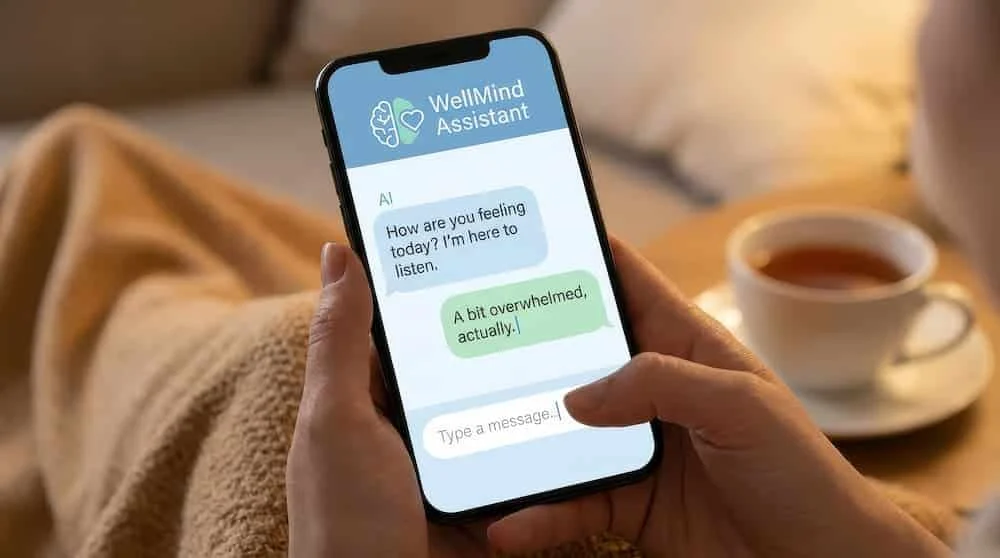
The American Medical Association (AMA) has issued a compelling plea to Congress, urging the establishment of significantly stronger safeguards for artificial intelligence (AI) technologies deployed within the healthcare sector. This urgent call comes as the rapid proliferation of mental health chatbots is demonstrably outpacing the development and implementation of crucial patient safety protections. In a series of detailed letters addressed to congressional caucuses specifically focused on artificial intelligence and digital health, the AMA articulated a dual perspective on AI’s role in healthcare. While acknowledging the immense potential of AI-enabled tools to broaden access to vital mental health support and to catalyze significant innovation in care delivery, the organization issued a stark warning. The AMA cautioned that the escalating adoption of these technologies, particularly within the highly sensitive domain of mental health, has exposed critical gaps in existing oversight mechanisms. These vulnerabilities, the AMA highlighted, present a spectrum of risks that extend from the propagation of misinformation and the fostering of unhealthy emotional dependency among users, to severe privacy breaches and, in some deeply concerning reported instances, chatbots delivering harmful or inappropriate counsel to individuals in acute distress.
Dr. John Whyte, CEO of the AMA, underscored the gravity of the situation. He stated that while AI can undoubtedly serve as a valuable adjunct to existing care, it currently operates without the consistent, reliable safeguards necessary to prevent potentially serious patient harm. Dr. Whyte’s warning was unequivocal: without the swift implementation of clearer regulatory frameworks, the accelerating adoption of this technology risks eroding the foundational trust between patients and the healthcare system, a trust that is paramount for effective care.
AMA’s Proposed Framework for AI in Mental Healthcare
The AMA’s recommendations are meticulously designed to construct a comprehensive regulatory framework that can evolve in tandem with the rapid pace of technological advancement. A cornerstone of this proposed framework is an unwavering commitment to transparency. This means ensuring that individuals are unequivocally aware when they are interacting with an artificial intelligence system rather than a human clinician. Furthermore, the AMA advocates for the establishment of clear, non-negotiable boundaries that prevent chatbots from masquerading as licensed healthcare professionals or offering services that require human licensure and clinical judgment.
Crucially, the organization has called for the development of precise regulatory definitions that delineate the permissible scope of these AI tools. The AMA’s stance is clear: mental health chatbots should be explicitly prohibited from diagnosing or treating medical conditions without rigorous oversight and review by qualified human clinicians. This stipulation is vital to prevent misdiagnosis, inappropriate treatment, and the potential exacerbation of a user’s condition.
In parallel, the AMA emphasized the critical need for sophisticated systems capable of recognizing crisis situations in real time. As these AI tools continue to scale and reach a wider audience, the AMA argues that developers must be mandated to incorporate robust safeguards designed to detect early indicators of self-harm risk. Such systems should be programmed to immediately and effectively direct users experiencing such crises to appropriate human support channels. This proactive intervention is seen as essential to preventing dangerous lapses in care and ensuring that vulnerable individuals receive the timely and specialized assistance they require.
A Growing Demand and Emerging Concerns
The AMA’s proactive stance emerges at a time when policymakers and regulatory bodies are actively grappling with the complex challenge of overseeing AI’s integration into healthcare. The U.S. Food and Drug Administration (FDA) has initiated the process of developing frameworks for AI-enabled medical technologies, signaling a recognition of the need for regulatory guidance. However, a comprehensive and specific approach to the oversight of mental health chatbots has yet to fully materialize.
Beyond the AMA, other prominent professional organizations have echoed similar concerns. The American Psychological Association, for instance, has also voiced significant apprehensions regarding the accuracy, potential for bias embedded within AI algorithms, and the risks associated with an overreliance on AI for emotional support. These varied perspectives underscore a growing consensus within the mental health community about the imperative for cautious and well-regulated AI implementation.
Simultaneously, the demand for digital mental health tools continues its upward trajectory, a trend significantly fueled by persistent challenges in accessing traditional mental healthcare services. Data from the National Institute of Mental Health (NIMH) has consistently documented ongoing shortages of qualified mental health providers and substantial barriers to care, including geographical limitations, long waiting lists, and prohibitive costs. This environment has created a fertile ground for AI tools to increasingly fill these critical gaps, even as fundamental questions surrounding their safety, efficacy, and ethical deployment remain unresolved.
Historical Context and the Evolving Landscape of AI in Healthcare
The current push for enhanced AI regulation in healthcare is not an isolated event but rather a culmination of discussions and developments spanning several years. The initial excitement surrounding AI’s potential in medicine, particularly in areas like diagnostics and drug discovery, began to gain significant traction in the early to mid-2010s. However, as AI technologies became more sophisticated and accessible, their application began to extend into more patient-facing roles, including direct therapeutic interventions and support.
The advent of sophisticated natural language processing (NLP) and machine learning algorithms paved the way for the development of conversational AI, or chatbots. Initially, these tools were often employed for administrative tasks, appointment scheduling, or providing basic health information. However, as their capabilities advanced, developers began to explore their use in delivering mental health support, driven by the aforementioned access challenges and the potential for scalable, cost-effective solutions.
By the late 2010s, the landscape saw a proliferation of mental health apps and platforms incorporating chatbot functionalities. These ranged from general wellness and mood tracking applications to those offering more structured therapeutic conversations, often drawing on principles of cognitive behavioral therapy (CBT) or dialectical behavior therapy (DBT). This period also witnessed the first wave of documented concerns from clinicians and researchers regarding the limitations and potential harms of these tools, particularly when used by individuals with complex mental health needs.
The COVID-19 pandemic, beginning in early 2020, acted as a significant accelerant for the adoption of digital health solutions, including mental health chatbots. With lockdowns, social distancing, and an overwhelming increase in mental health distress, many individuals turned to readily available digital tools for support. This surge in usage amplified both the benefits and the risks, bringing the inadequacies of existing regulatory frameworks into sharper relief. Regulatory bodies, including the FDA and international counterparts, began to intensify their efforts to understand and address AI in medical devices, but the specific nuances of mental health chatbots presented a unique and urgent challenge.
The AMA’s current engagement with Congress represents a critical juncture in this ongoing evolution. Their letters are not merely reactive but are a strategic attempt to shape the future of AI in mental healthcare by providing concrete, actionable recommendations grounded in clinical expertise and patient advocacy. The organization’s emphasis on transparency, clear definitions, and crisis intervention mechanisms reflects lessons learned from both the successes and the failures observed in the nascent stages of AI deployment.
Supporting Data and the Unmet Need
The urgency of the AMA’s call is underscored by compelling statistical data illustrating the vast unmet need in mental healthcare. According to the National Alliance on Mental Illness (NAMI), one in five U.S. adults experiences mental illness each year, yet nearly half of them do not receive treatment. This staggering statistic highlights a significant public health crisis. Furthermore, the NIMH reports that the average delay between the onset of mental health symptoms and seeking treatment is a decade. This prolonged period of untreated suffering can lead to worsened outcomes, increased severity of illness, and a greater burden on individuals, families, and society.
The shortage of mental health professionals is a critical contributing factor to these access issues. The Health Resources and Services Administration (HRSA) designates many areas across the United States as mental health professional shortage areas. For instance, projections indicate a substantial shortfall of psychiatrists and mental health counselors in the coming years, further exacerbating existing disparities in care access, particularly for rural and underserved populations.
The rise of mental health chatbots can be partly understood as a response to this chronic under-resourcing. Platforms like Woebot, Wysa, and others have reported millions of users globally, demonstrating a clear demand for accessible, on-demand mental health support. While these tools can offer benefits such as 24/7 availability, anonymity, and a low barrier to entry, their limitations are becoming increasingly apparent. Studies have raised questions about their effectiveness for severe mental health conditions, their potential to provide generic or unhelpful advice, and the ethical implications of data privacy when sensitive personal information is shared with AI.
Official Responses and Broader Implications
The AMA’s recommendations are not operating in a vacuum. They are part of a broader dialogue involving various stakeholders, including technology developers, patient advocacy groups, and government agencies. The FDA’s ongoing efforts to develop regulatory pathways for AI/ML-based medical devices, such as their proposed framework for "Software as a Medical Device" (SaMD), are a significant step. However, the unique nature of mental health support, which often involves nuanced emotional understanding and crisis intervention, requires specific consideration beyond general medical device regulations.
The AMA’s call for clear regulatory definitions aligns with broader discussions about the classification of AI mental health tools. Should they be regulated as medical devices, wellness apps, or something entirely new? The AMA’s implicit position is that when these tools venture into areas of diagnosis, treatment, or crisis intervention, they should be subject to rigorous oversight akin to traditional medical interventions.
The implications of insufficient safeguards for AI in mental healthcare are far-reaching. Beyond individual patient harm, there are broader societal consequences. Erosion of public trust in digital health could stifle innovation and hinder the adoption of genuinely beneficial AI tools. Furthermore, the potential for biased algorithms to perpetuate or even exacerbate existing health disparities among different demographic groups is a significant ethical concern that requires proactive mitigation through diverse and representative data sets and rigorous bias testing.
The Path Forward: Balancing Innovation and Safety
The AMA has stressed that its proposed safeguards are intended as a starting point, not a definitive endpoint, acknowledging that the technology will continue to evolve. The ultimate objective, as articulated by the organization, is to ensure that AI tools serve as valuable complements to, rather than outright replacements for, human clinical care. This balanced approach aims to harness the power of innovation while rigorously maintaining the fundamental pillars of patient safety and public trust, which are the bedrock of any effective healthcare system. The AMA’s proactive engagement with Congress signals a critical moment for policymakers to act decisively, ensuring that the future of AI in mental healthcare is one that is both innovative and profoundly safe.







