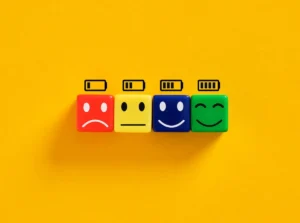
As the Thanksgiving holiday approaches, many organizations seize the opportunity to pause, reflect, and express gratitude to the individuals who form the backbone of their operations. A thoughtfully crafted "Happy Thanksgiving message," imbued with genuine appreciation and delivered with sincerity, serves as a potent reminder for employees that their contributions are seen, valued, and integral to the broader company culture. While seasonal acknowledgments like Thanksgiving greetings are undoubtedly beneficial, contemporary research and expert consensus underscore a more profound truth: sustained, consistent appreciation throughout the year is not merely a courtesy but a critical strategic imperative for fostering deep engagement, bolstering retention, and strengthening organizational resilience.
The Foundational Impact of Employee Appreciation
The act of expressing gratitude, particularly in a professional setting, transcends simple politeness; it taps into fundamental human psychological needs. Employees, much like individuals in any social context, yearn for recognition that validates their efforts and confirms their significance. The 2026 Engagement and Retention Report, cited by industry analysts, provides compelling data to this effect. The report highlights that employees who consistently felt appreciated were a remarkable 12 times more likely to find profound meaning in their work. Furthermore, this sense of being valued dramatically increased their connection to the company’s core values, making them 56 times more likely to feel aligned with these foundational principles. These statistics are not isolated anomalies but reflect a growing body of research emphasizing the direct correlation between recognition and critical workplace outcomes.
Psychological Underpinnings of Value
At its core, employee appreciation addresses Maslow’s hierarchy of needs, particularly the need for esteem and belonging. When an employer, or even a peer, acknowledges an individual’s hard work, dedication, or specific achievement, it reinforces their sense of competence and worth. This positive reinforcement can mitigate feelings of anonymity or being a mere cog in a machine, fostering a sense of psychological safety and belonging. According to Dr. Elena Rodriguez, a prominent organizational psychologist, "Recognition is a fundamental human need. In the workplace, it translates directly into motivation, job satisfaction, and a willingness to invest more of oneself into organizational goals. It validates effort and reinforces desirable behaviors, creating a virtuous cycle." Without this validation, even highly compensated employees can experience burnout, disengagement, and a diminished sense of purpose.
The Tangible Benefits: Beyond Morale
While improved morale is an undeniable benefit, the impact of appreciation extends far beyond emotional well-being. A workforce that feels genuinely appreciated is demonstrably more productive, innovative, and loyal. They are more likely to go the extra mile, exhibit discretionary effort, and act as brand ambassadors. Conversely, a lack of recognition is a significant contributor to employee turnover, a costly issue for any organization. Replacing an employee can cost anywhere from half to twice an employee’s annual salary, considering recruitment, onboarding, and lost productivity. Strategic recognition programs, therefore, represent a direct investment in human capital, yielding significant returns in reduced attrition and enhanced performance.
Historical Context: Evolving Perspectives on Workplace Recognition
The concept of employee recognition has undergone a significant transformation over the past century. In the early 20th century, particularly during the industrial era, the relationship between employer and employee was largely transactional. Compensation, often in the form of a wage, was considered the primary, if not sole, form of recognition. Annual bonuses or occasional accolades might have been reserved for top performers, but systematic, widespread appreciation was rare.
The mid-to-late 20th century saw the emergence of human relations theories, which began to acknowledge the psychological and social needs of workers. This period introduced concepts like employee satisfaction surveys and the occasional "Employee of the Month" program. However, these efforts often remained superficial or inconsistent, failing to integrate recognition into the daily fabric of organizational life. The rise of the "knowledge worker" economy in the late 20th and early 21st centuries, coupled with a more competitive talent landscape, necessitated a re-evaluation. Organizations began to understand that intellectual capital and creative problem-solving were paramount, and these attributes thrived in environments where individuals felt respected and valued. The advent of digital communication and specialized HR technology further propelled this shift, making frequent, personalized, and transparent recognition more feasible than ever before. This chronology highlights a clear evolution from a purely economic exchange to a more holistic, human-centric approach that recognizes the intrinsic value of every team member.

Data-Driven Insights: Quantifying the Value of Recognition
The qualitative benefits of appreciation are intuitively understood, but quantitative data solidifies the business case. Beyond the aforementioned 2026 report, numerous independent studies consistently underscore the measurable impact of robust recognition programs. A 2023 meta-analysis by the Institute for Corporate Productivity (i4cp) found that companies with highly effective recognition programs reported 31% lower voluntary turnover rates compared to those with ineffective programs. Furthermore, these organizations were 12 times more likely to achieve strong business results.
Retention and Engagement Metrics
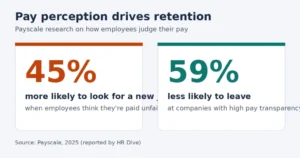
Employee turnover remains one of the most significant challenges for businesses globally. The cost associated with recruiting, onboarding, and training new staff can severely impact profitability. Research from Gallup indicates that engaged employees are 59% less likely to seek out a new job or opportunity in the next 12 months. Since recognition is a primary driver of engagement, its role in retention cannot be overstated. A recent survey conducted by the Global HR Research Group further revealed that 70% of employees believe that increased recognition would directly lead to a reduction in their likelihood of leaving their current role within a year. This indicates that while competitive compensation is a baseline, a culture of appreciation is often the differentiating factor in an employee’s decision to stay or depart.
Performance and Innovation
The connection between feeling valued and performing at a higher level is also well-documented. When employees feel appreciated, they are more motivated, committed, and willing to take initiative. A study published in the Journal of Applied Psychology found that teams with strong recognition practices demonstrated a 20% increase in productivity and a 15% improvement in customer satisfaction scores. Moreover, recognition fosters an environment conducive to innovation. Employees who feel safe and appreciated are more likely to share new ideas, take calculated risks, and contribute to problem-solving without fear of failure or judgment. This psychological safety, cultivated through consistent positive reinforcement, is crucial for fostering a dynamic and adaptable workforce capable of navigating complex market challenges.
Beyond the Holiday: The Imperative for Continuous Appreciation
While Thanksgiving provides a perfect, poignant moment for organizations to express gratitude, limiting recognition to seasonal traditions is akin to nurturing a plant only once a year. Such sporadic gestures, while well-intentioned, often fall short of building the sustained culture of appreciation necessary for true organizational strength. The most successful organizations understand that appreciation is not an event but an ongoing process, woven into the very fabric of daily operations.
The Pitfalls of Sporadic Gratitude
Relying solely on holiday-based or annual recognition events can inadvertently send the message that appreciation is a formality rather than a genuine sentiment. Employees may perceive these gestures as obligatory rather than heartfelt, diminishing their impact. Furthermore, the daily contributions, the small wins, and the consistent efforts that collectively drive an organization forward often go unnoticed between these larger events. This can lead to a sense of being overlooked, fostering disengagement and potentially leading to employees feeling undervalued over time, even if they received a "Happy Thanksgiving" message in November. "A single annual thank you, no matter how grand, cannot sustain an employee’s motivation and connection for 365 days," explains Marcus Thorne, an HR consultant specializing in employee experience. "It’s the consistent, authentic feedback and recognition that truly builds loyalty and drives performance."
Cultivating a Year-Round Culture
Building a culture where appreciation is a regular occurrence requires intentionality and strategic implementation. It means moving beyond top-down, formal programs to embrace a more decentralized, organic approach where recognition flows freely among peers and across all levels of the organization. This continuous feedback loop ensures that efforts are acknowledged promptly, reinforcing positive behaviors and making employees feel consistently seen and valued. This ongoing dialogue creates a more vibrant, supportive, and resilient workplace environment where employees feel a stronger sense of ownership and belonging.
Strategies for Sustained Recognition: Best Practices for Modern Organizations
Translating the philosophy of continuous appreciation into actionable strategies requires a multi-faceted approach. Organizations must consider leadership involvement, peer empowerment, and technological enablement to foster a truly pervasive culture of gratitude.

Leadership Buy-in and Training
Effective recognition starts at the top. Leaders and managers must not only endorse but actively participate in and model appreciative behaviors. This involves providing them with the necessary training to deliver specific, timely, and meaningful feedback. Training should focus on identifying observable behaviors and linking them directly to company values or strategic objectives. For example, instead of a generic "good job," a manager might say, "Thank you for staying late to finalize that report; your dedication to meeting deadlines directly contributed to securing the client’s trust." When leaders consistently demonstrate appreciation, it sets a powerful precedent for the entire organization.
Empowering Peer-to-Peer Recognition
While leadership recognition is crucial, peer-to-peer recognition often carries a unique weight, fostering camaraderie and reinforcing team cohesion. Employees are often in the best position to observe and appreciate the daily efforts and contributions of their colleagues. Implementing platforms or simple mechanisms that allow colleagues to easily acknowledge each other’s work can significantly amplify the reach and frequency of appreciation. This democratizes recognition, making it an integral part of team dynamics rather than solely a managerial prerogative. Such systems also reinforce a culture of mutual respect and collective achievement.
Leveraging Technology for Seamless Gratitude
The digital age offers powerful tools to facilitate continuous recognition. Modern employee recognition platforms, such as the one implicitly referenced by the original article, integrate seamlessly into the flow of work, making it easy for leaders and peers to acknowledge achievements frequently and meaningfully. These platforms can host social recognition feeds, allow for points-based rewards tied to company values, and provide analytics on recognition trends. By making recognition accessible, visible, and aligned with organizational goals, technology transforms sporadic gestures into a systemic practice. It allows for the capture and celebration of countless "moments that matter" that might otherwise go unnoticed, turning one-time gratitude into a lasting habit.
The Broader Business Case: Strategic Implications for Talent and Brand
The strategic implications of a robust, continuous recognition culture extend far beyond internal morale. In today’s competitive talent market, an organization’s employer brand is paramount. Companies known for valuing and appreciating their employees become magnets for top talent, reducing recruitment costs and improving the quality of hires. A strong culture of appreciation signals to prospective employees that they will be respected, supported, and given opportunities to thrive.
Furthermore, a highly engaged and appreciated workforce is more resilient, adaptable, and innovative. This directly translates into improved customer satisfaction, as employees who feel valued are more likely to deliver exceptional service. It also fosters a positive external reputation, strengthening the company’s brand in the marketplace. In essence, prioritizing employee appreciation is not just a human resources initiative; it is a core business strategy that impacts profitability, sustainability, and competitive advantage.
Conclusion: Recognition as a Cornerstone of Organizational Excellence
Thanksgiving serves as an excellent annual prompt for employers to acknowledge the invaluable contributions of their staff. However, the truly successful organizations recognize that appreciation cannot be confined to a single season or holiday. The data unequivocally demonstrates that consistent, authentic, and frequent recognition significantly boosts employee engagement, enhances retention, drives productivity, and fosters innovation. By intentionally building cultures where gratitude is a daily practice—empowered by strong leadership, peer involvement, and smart technology—companies can move beyond fleeting gestures to create a deeply embedded sense of value. This sustained commitment to appreciating employees is not merely a benevolent act; it is a fundamental pillar of organizational excellence, ensuring that teams are more engaged, more motivated, and more committed to collective success year-round. Giving thanks, therefore, becomes not just a holiday tradition, but the best workplace strategy for a thriving, future-ready enterprise.