Today’s global workforce is undergoing a profound transformation, moving beyond the traditional pursuit of a mere paycheck to seek purpose, genuine connection, and profound appreciation in their professional lives. For HR leaders and executives grappling with the perennial challenges of engagement dips and retention woes, the solution is increasingly clear and strategically imperative: recognition. This isn’t merely a feel-good gesture but a powerful, data-backed lever that shapes the entire employee experience, driving performance, fostering loyalty, and attracting top talent across continents.
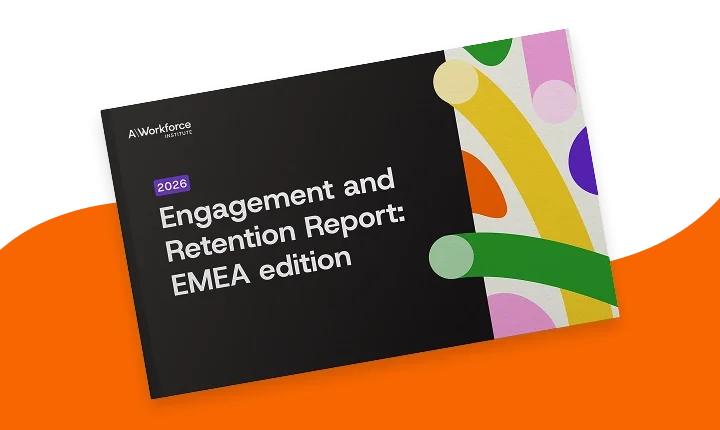
The latest 2026 Engagement and Retention Reports from the Achievers Workforce Institute (AWI) paint a comprehensive picture of a workforce navigating persistent uncertainty, economic pressures, and a pervasive sense of disconnection. However, the reports also reveal a compelling silver lining: strategic recognition has the power to fundamentally reshape this landscape. Businesses that successfully embed meaningful appreciation into their daily operations are not just surviving but thriving, excelling in engagement, retention, and the fierce competition for talent. From the bustling economies of North America to the diverse markets of EMEA and the rapidly evolving landscapes of APAC, employees who consistently feel valued perform better, stay longer, and contribute more meaningfully to organizational success. This detailed analysis delves into the critical data, employee perceptions, key performance drivers, and overarching trends that are defining the future of work.
The Evolving Landscape of Employee Expectations: A Post-Pandemic Shift
The shift in employee expectations has not happened in a vacuum. The global events of recent years, particularly the accelerated adoption of remote and hybrid work models, have fundamentally altered the psychological contract between employers and employees. Workers are no longer content with transactional relationships; they demand relational ones. This evolution has elevated factors like work-life balance, mental well-being, a sense of belonging, and continuous professional development from perks to non-negotiable necessities. Companies that fail to adapt to these evolving demands risk not only losing their best people but also suffering significant financial and reputational damage. The cost of employee turnover, which can range from 50% to 200% of an employee’s annual salary, underscores the urgent economic imperative to invest in retention strategies that resonate with modern workforce values. Recognition, in this context, emerges not as an optional add-on but as a foundational element of a resilient and attractive employer brand.
Bridging Divides: Connection as an Employee Retention Superpower
In an era defined by distributed teams, remote work, and constant organizational flux, talent alone is insufficient to sustain a thriving workforce. Employees require genuine, robust connections – to their colleagues, their direct managers, and the overarching mission of their organization. When these vital connections falter, the consequences are immediate and severe: engagement plummets, productivity suffers, and retention risks skyrocket. Building and maintaining these bridges is no longer merely a "nice-to-have"; it is a fundamental business strategy.
Managers are increasingly positioned as the critical connectors within organizations. Far from just assigning tasks, they are the very heartbeat of the employee experience. Yet, AWI research consistently indicates that many employees feel a significant disconnect from their managers, profoundly impacting their sense of belonging, opportunities for growth, and long-term commitment. This is where strategic recognition becomes a game-changer. Frequent, specific, and meaningful acknowledgments empower managers to transform routine check-ins into robust relationships built on trust, mutual respect, and intrinsic motivation. By recognizing efforts, milestones, and contributions, managers can proactively foster an environment where employees feel seen, heard, and genuinely valued.
Furthermore, recognition acts as the essential glue that binds teams, particularly in geographically dispersed or hybrid environments where isolation can easily set in. Peer-to-peer recognition, regular kudos, and visible appreciation platforms are instrumental in knitting employees into a stronger, more engaged collective. Such systems are not superficial "fluff"; they are the powerful engine that drives inclusion, cultivates a deep sense of belonging, and stimulates collaborative spirit. They transform scattered individuals into a united, motivated workforce, capable of overcoming challenges and achieving shared objectives. Every acknowledgment, whether from a manager or a colleague, reinforces individual value, celebrates teamwork, and explicitly aligns individual effort with broader company goals. Across diverse regions, cultures, and time zones, the message remains unequivocal: connection matters deeply, and where connection thrives, engagement and retention inevitably follow.
Beyond the Paycheck: Rewards as an Employee Retention Superpower
While competitive compensation remains a foundational expectation, money alone does not guarantee loyalty or sustained engagement. Employees today seek a more holistic value proposition that includes recognition, fairness, and the profound sense that their work truly makes a difference. The strategic secret to robust retention, therefore, lies in harmoniously combining competitive remuneration with meaningful, frequent, and well-structured recognition.

The AWI reports underscore that employee value extends far beyond salary figures. Employees choose to stay for a comprehensive sense of holistic value, encompassing robust benefits packages, ample opportunities for professional growth, supportive work-life balance initiatives, and, critically, a pervasive feeling of being appreciated. Recognition programs effectively transform monetary rewards into a full-circle retention strategy. When employees perceive that their hard work is not only fairly compensated but also genuinely acknowledged and celebrated, their commitment deepens significantly.
Strategic rewards programs must extend beyond merely recognizing outcomes; they must also celebrate the behaviors and efforts that lead to those outcomes. Top performers consistently demonstrate qualities such as exemplary teamwork, innovative thinking, and a steadfast adherence to company values. Recognition programs that specifically reward how work is done, rather than solely focusing on the end results, are instrumental in shaping a positive organizational culture and actively encouraging these desirable, value-aligned behaviors. This approach reinforces a culture of continuous improvement and shared success.
Moreover, in a globalized workforce, recognition must be localized, personalized, and amplified to resonate effectively. Generic, one-size-fits-all reward systems often fall flat. For diverse international teams, recognition must be culturally sensitive and personally relevant, signaling unequivocally that every contribution, irrespective of its geographic origin, is seen, understood, and profoundly valued. This localized approach demonstrates an organization’s commitment to diversity and inclusion. When fair compensation is paired with frequent, meaningful recognition, the result is a powerful feedback loop that reinforces fairness, significantly boosts engagement, cultivates deep loyalty, and dramatically improves retention rates. Rewards, when executed strategically, become tangible proof that employees are seen, heard, and appreciated—a dynamic strategy that keeps top talent thriving and committed.
How to Make Employee Development a Retention Strategy
The symbiotic relationship between employee development and retention is undeniable: when growth opportunities are visibly supported, actively promoted, and duly rewarded, employees stay. The AWI report findings emphatically confirm that modern employees possess a profound craving for continuous learning and clear, well-defined career paths. Without such opportunities, disengagement, professional stagnation, and ultimately, high turnover become inevitable. Investing in employee growth is no longer an optional perk but a non-negotiable, strategic retention lever.
The original article mentions:
- Use recognition to accelerate growth
- Create a culture of continuous development
- Link recognition to growth milestones
To enrich this:
Recognition serves as a powerful accelerator for employee growth. By specifically acknowledging efforts in learning new skills, successfully completing development programs, or applying new knowledge, organizations can create a positive feedback loop that encourages further professional evolution. For example, a public shout-out for an employee who has mastered a new software or taken on a challenging project outside their comfort zone not only celebrates their achievement but also inspires others to pursue similar growth trajectories. This targeted recognition transforms individual learning into a visible, celebrated organizational value.
Creating a culture of continuous development means integrating learning into the very fabric of daily work life. This involves more than just offering training courses; it requires managers to actively coach, mentor, and provide constructive feedback. Recognition plays a crucial role here by validating both the effort put into learning and the successful application of new competencies. When managers consistently recognize employees for their initiative in seeking out development opportunities or for their resilience in overcoming learning challenges, it normalizes and encourages a proactive approach to skill acquisition. This fosters an environment where growth is not just expected but enthusiastically supported and celebrated.
Linking recognition directly to growth milestones provides tangible proof of an organization’s investment in its people. Whether it’s completing a certification, achieving a new proficiency level, or successfully transitioning into a new role, recognizing these specific milestones reinforces the value of progression. Such recognition can be formal, through awards or promotions, or informal, through public announcements and team celebrations. The critical element is that the recognition clearly articulates the significance of the achievement to both the individual and the organization, reinforcing that career progression is a valued and rewarded pathway.
The AWI research consistently shows that employees are most engaged when they are actively learning and evolving. Conversely, when employees perceive a distinct lack of opportunities for skill development, new challenges, or clear career progression, they are significantly more likely to "check out" emotionally or actively seek employment elsewhere. This underscores the profound impact of stagnation on retention and highlights the strategic necessity of embedding robust development pathways, reinforced by consistent recognition, into the core of talent management strategies.
Managers Play a Major Role in Employee Retention
Managers are undeniably the linchpin of the entire employee experience, directly influencing critical outcomes such as engagement levels, career progression, and overall job satisfaction. The AWI report findings starkly highlight that a significant number of employees continue to report a lack of essential support and recognition from their direct managers. This creates a critical retention juncture: organizations must either empower their managers with the necessary tools and training or risk widespread disengagement and escalating turnover rates.
Managers are at the forefront of translating overarching organizational strategy into daily operational action, guiding individual and team growth, and fundamentally shaping team culture. Yet, many managers, often through no fault of their own, fall short in critical areas—irregular one-on-one meetings, insufficient coaching, and limited support leave employees feeling undervalued and unheard. Employee feedback consistently cites poor management as a primary reason for departure, while those employees who feel consistently supported with coaching, clear direction, and frequent recognition are demonstrably more likely to stay and thrive within the organization. This dynamic underscores the profound impact a manager can have on an individual’s career trajectory and their decision to remain with a company.
Effective retention is not about managers simply doing "more"; it is about equipping them with the right tools, training, and guidance. This includes providing access to intuitive recognition platforms, comprehensive leadership development training, and ongoing support for effective communication. AWI data strongly indicates that frequent recognition significantly improves the quality of managerial coaching, enhances overall support structures, and deepens employee-manager connections. Platforms like Achievers, for instance, enable real-time, peer-to-peer, and manager-to-employee recognition, making individual and team growth visible and fostering a culture of trust and transparency.
Recognition effectively transforms coaching gaps into meaningful opportunities for connection and development. Regular acknowledgment of effort and achievement fosters open communication, strengthens interpersonal relationships, and reinforces the importance of continuous growth. By integrating recognition into daily workflows, feedback evolves from periodic performance reviews into a continuous, supportive dialogue, thereby significantly enhancing overall engagement and improving long-term retention. Managers, when properly empowered and trained in the art of recognition, become powerful agents of retention, building robust teams and cultivating loyal employees.
Beyond the Checklist: Belonging and Balance as Predictors of Employee Loyalty
In today’s competitive talent market, employees expect a workplace experience that transcends mere compensation; they seek a profound sense of belonging, support for their overall well-being, and a healthy work-life balance. AWI data unequivocally demonstrates that unmet needs in these crucial areas are powerful drivers of disengagement and ultimately, high turnover.
Globally, the statistics are sobering: only 26% of employees report achieving a healthy work-life balance, and a mere 21% feel a strong sense of belonging within their organizations. Regionally, these figures are even more concerning, with EMEA reporting 25% for balance and 20% for belonging, and APAC lagging further at just 18% and 14% respectively. The implications of these gaps are significant: employees who experience a good work-life balance are 2.5 times more likely to envision a long career with their current employer and 2.5 times less likely to actively seek new employment. Similarly, those who feel a strong sense of belonging are twice as likely to remain with their organization.
The human need for connection is fundamental. When employees feel disconnected from their colleagues, their managers, or the organizational mission, or when they feel unsupported in achieving work-life harmony, burnout rates inevitably rise, innovation declines, and overall engagement plummets. The connection gaps are particularly stark in certain regions: only 21% of EMEA employees report feeling connected to their manager, a figure that drops to a mere 15% in APAC. Conversely, globally, employees with strong peer ties are 4.7 times more likely to feel engaged and 3.3 times more likely to find their work meaningful. Addressing and closing these critical connection gaps is paramount for any organization aiming to improve its retention rates.
Employee recognition stands out as the fastest and most effective route to cultivating a strong sense of belonging. Globally, employees who feel consistently appreciated are an astounding 54 times more likely to report a strong sense of belonging and 2.5 times more likely to remain with their employer. The frequency of recognition further amplifies this impact: weekly recognition makes employees 14.5 times more likely to feel belonging in EMEA, 21 times more likely in APAC, and significantly reduces job-hunting intent by a remarkable 41% globally. Recognition effectively bridges geographic divides, ensuring that every employee—whether working onsite, remotely, or in a hybrid model—feels genuinely valued, included, and an integral part of the team.
Designing cultures of inclusion and sustainability at work requires proactive and intentional effort. This involves deep listening to employee feedback, implementing flexible work models, fostering genuinely inclusive practices, and, critically, providing frequent and meaningful recognition. Recognition frequency is a key differentiator: weekly recognition makes employees 32.5 times more likely to perceive growth potential in APAC, 7 times more likely to feel connected to their manager in EMEA, and 15 times more likely to feel engaged globally. Utilizing a global recognition platform, such as Achievers, enables consistent and equitable recognition practices, ensuring that employees across all regions feel valued, supported, and continuously motivated.
The Urgency to Act: Addressing Employee Retention Risks
The current job market often feels like a dynamic, rapidly revolving door, and no organization, regardless of its size or industry, is immune to its effects. A significant segment of the workforce is actively engaged in job hunting, while an even larger proportion remains on the fence, contemplating whether to stay or seek new opportunities. This pervasive uncertainty presents a clear and present danger to organizational stability and productivity.
Perhaps the most telling plot twist in the AWI findings is that HR professionals—the very individuals entrusted with the crucial task of boosting engagement and retention—are themselves even more likely to be actively looking for new roles or undecided about their current positions. When the custodians of organizational culture and employee well-being are eyeing the exit, it serves as an unequivocal signal that deeper, systemic issues demand immediate attention. This trend among HR professionals suggests a potential disconnect between organizational rhetoric and lived experience, highlighting the urgency for authentic and impactful change.
The motivations driving employees to consider leaving are refreshingly straightforward and deeply human. While the original article did not list them, common reasons derived from broader HR research include:
- Financial Stability: Desire for better compensation and benefits.
- Career Growth: Lack of clear advancement opportunities or skill development.
- Work-Life Balance: Burnout, excessive workload, or insufficient flexibility.
- Managerial Support: Poor relationship with a manager, lack of coaching, or feeling undervalued.
- Company Culture: Toxic work environment, lack of belonging, or misalignment with values.
- Recognition and Appreciation: Feeling that efforts are not acknowledged or rewarded.
The AWI data further specifies that employees are predominantly chasing financial stability, indicating that fair pay remains a foundational concern. However, critically, HR professionals, who often bear the brunt of managing these employee concerns, are frequently craving a healthier, more supportive workplace environment for themselves. This disparity in core motivations underscores a vital point: employee retention is not a singular lever but a complex, interconnected ecosystem. Employees fundamentally desire a fair deal and a tangible future where they can grow and thrive, while HR professionals need the operational flexibility, strategic support, and personal well-being to effectively cultivate such an environment. Organizations that successfully strike this delicate balance—offering competitive pay, clear career pathways, enhanced flexibility, and recognition that is genuinely meaningful and impactful—stand the greatest chance of transforming those "undecided" employees into deeply committed and loyal contributors.
Achieving Employee Retention Through Strategic Recognition
Recognition is unequivocally not a "nice-to-have"; it is a fundamental business imperative in today’s dynamic global economy. The 2026 Engagement and Retention Report data powerfully illustrates that appreciation, genuine connection, continuous growth opportunities, and supportive leadership form the bedrock pillars of robust retention. Crucially, recognition serves as the connective thread that elegantly ties all these critical elements together. When recognition is delivered frequently, authentically, and meaningfully, engagement levels demonstrably rise, employee loyalty significantly strengthens, and overall organizational performance naturally follows suit.
The insights from the Achievers Workforce Institute reports provide a clear roadmap for leaders to navigate the complexities of modern talent management. Are organizations truly investing enough in comprehensive recognition strategies to retain their most valuable asset – their best people? Achievers stands ready to assist organizations in addressing this critical question. By delving into the full suite of regional reports (North America, EMEA, and APAC), leaders can uncover detailed benchmarks, acquire actionable insights, and develop robust strategies that effectively transform recognition into a measurable, impactful force for positive change within their workforce. These reports offer a vital resource for any organization committed to building a highly engaged, loyal, and high-performing workforce for the future.