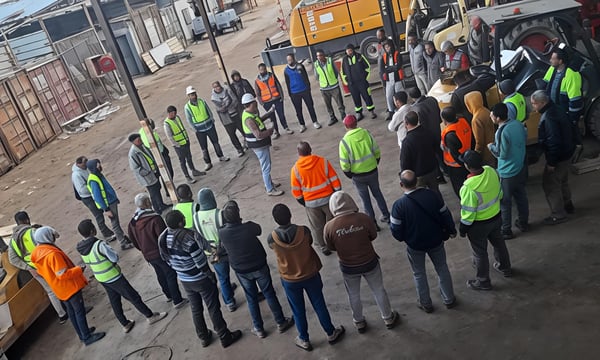
The global economy relies heavily on a vast, often overlooked segment of the workforce: deskless employees. These individuals – serving customers, stocking shelves, caring for patients, driving routes, operating machinery, preparing food, and performing countless other essential tasks – form the backbone of industries worldwide. Yet, despite their critical role in keeping businesses operational and customer-facing, they frequently remain the most challenging group to reach and engage through traditional corporate communication channels. This disconnect presents significant business risks, impacting culture, recognition, and ultimately, the overall employee experience. Addressing this communication gap is not just an HR challenge, but a strategic opportunity to foster a more unified and productive workforce.
The sheer scale of the deskless workforce cannot be overstated. Globally, it is estimated that over 80% of the workforce operates without a traditional desk. This demographic includes frontline workers in retail, healthcare, manufacturing, logistics, hospitality, and many other sectors. Their daily reality often involves working on the go, in environments where logging into a company laptop or regularly checking corporate email is impractical or impossible. As a result, vital company updates, crucial policy changes, and messages designed to foster a sense of belonging can easily miss the mark, leading to a palpable sense of disconnection.
This communication chasm can have profound consequences. When employees feel out of the loop, their perception of company culture can become distant, making it difficult to foster a shared sense of purpose. Recognition programs, often reliant on digital platforms accessible to desk-bound employees, may not reach or resonate with frontline staff, leading to inconsistent appreciation. This can cultivate an environment where employees feel they are merely working for the company, rather than with it, potentially eroding loyalty and commitment.
The challenge for HR leaders and organizational strategists is to bridge this divide with practical, adaptable approaches that align with the realities of frontline work. Fortunately, engaging the deskless workforce does not necessitate a complete overhaul of existing people strategies. Instead, it calls for thoughtful implementation of solutions that meet employees where they are, enhancing communication, boosting engagement, and strengthening the crucial link between corporate objectives and the individuals closest to the customer.

The Growing Imperative of Frontline Engagement
The benefits of effectively connecting with deskless employees are manifold and demonstrably impactful. When these vital team members feel informed, included, and genuinely appreciated, the positive effects on the business are swift and significant. This connection directly influences key performance indicators such as employee retention, overall productivity, the quality of customer experience, and the very fabric of company culture. Employees who understand the broader business context and how their individual contributions align with organizational goals are more likely to remain with the company, perform at higher levels, and deliver superior service to customers. This is particularly crucial in industries characterized by high turnover, where each departure incurs substantial costs related to recruitment, onboarding, and training.
The inherent obstacles faced by deskless industries often compound these communication challenges. These can include:
- Limited Access to Technology: Many frontline roles do not provide access to company computers or consistent internet connectivity during shifts.
- Time Constraints: Shifts are often fast-paced and demanding, leaving little room for employees to engage with lengthy communications.
- Geographical Dispersion: Teams may be spread across multiple locations, making centralized communication difficult.
- Shift Work and Irregular Schedules: Employees often work non-traditional hours, making it hard to reach them during standard business communications windows.
- Language Barriers: A diverse workforce may require communication in multiple languages to ensure understanding.
Furthermore, the brand perception of an organization is significantly shaped by its frontline employees. They are the daily face of the company, interacting directly with customers, patients, guests, passengers, and partners. A disconnected, unsupported, or misinformed frontline team can quickly transmit a negative experience outward, impacting customer satisfaction and brand reputation. As one industry analyst aptly put it, "frontline engagement is an operational strategy wearing a name badge."
1. Embracing Mobile-First Communication Platforms
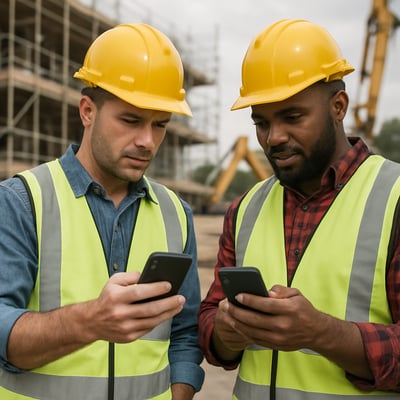
For the majority of the global workforce, mobile devices are not a luxury but the primary, and often only, channel for digital interaction. If a company’s employees do not routinely utilize desks, laptops, or corporate email, then communication strategies must inherently prioritize their mobile experience. A mobile-first platform ensures that employees can easily access critical information such as company news, schedules, policy updates, benefits details, recognition awards, and essential resources directly from their smartphones. This accessibility significantly reduces friction, a common barrier to message comprehension and engagement.
By adopting mobile-first tools, HR teams can achieve several key objectives:
- Instantaneous Updates: Deliver urgent information and important announcements directly to employees’ pockets.
- Enhanced Accessibility: Provide a single, easy-to-access point for all employee communications and resources.
- Improved Engagement: Foster a sense of connection through timely and relevant content delivered on a familiar device.
- Streamlined Information Flow: Ensure critical information reaches employees regardless of their location or work schedule.
The critical element here is designing communication for mobile from the outset, rather than simply adapting desktop content for smaller screens. This involves utilizing concise language, intuitive navigation, and visually appealing formats that are optimized for a mobile interface.
2. Empowering Managers as Communication Champions
Frontline employees often view their direct managers as their most trusted and influential source of information. This dynamic underscores the pivotal role managers play in the success of any communication strategy. Even the most meticulously crafted corporate messages can falter if managers are not equipped to articulate them clearly and consistently. Conversely, when managers are empowered with effective communication skills and knowledge, they can transform abstract company updates into meaningful conversations that employees understand, retain, and act upon.
Therefore, HR leaders should cultivate a mindset where managers are not merely passive conduits of information but active "communication champions." This involves providing them with the necessary training and support to:
- Understand and Articulate Key Messages: Ensure managers grasp the nuances of company communications and can explain them in relatable terms.
- Facilitate Two-Way Dialogue: Encourage managers to create opportunities for their teams to ask questions and provide feedback.
- Deliver Consistent Information: Equip managers with talking points, scripts, or weekly briefings to ensure uniformity across different teams and locations.
- Recognize and Reinforce: Empower managers to acknowledge and celebrate employee contributions in line with company values and recognition programs.
Even a brief, well-prepared script or a set of talking points can significantly enhance a manager’s ability to deliver aligned messages. Inconsistent communication from one location or shift to another is quickly noticed by employees, often leading to confusion and a breakdown in trust.
3. Leveraging Digital Signage and Physical Displays
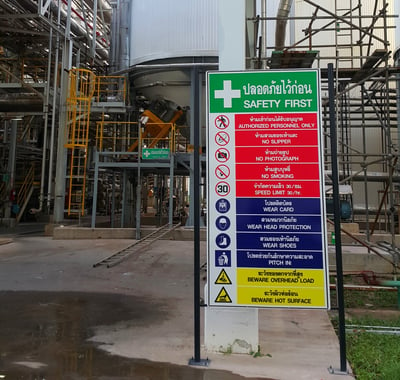
While mobile communication is paramount, it’s crucial to acknowledge that not every employee can access or engage with digital platforms during their work shifts. This is where traditional yet effective methods like digital signage and physical displays in common areas remain indispensable. Strategically placed screens in break rooms, locker rooms, time-clock stations, and production areas serve as constant reminders of important updates, reinforcing messages that employees naturally encounter throughout their day.
Bulletin boards, posters, and printed summaries can serve a similar purpose, particularly in environments where phone usage is restricted or impractical. This "second space" communication strategy meets employees in their natural gathering spots, rather than interrupting their workflow. These displays are ideal for highlighting:
- Key Company Announcements: New initiatives, policy changes, or upcoming events.
- Safety Reminders and Protocols: Crucial information for maintaining a secure work environment.
- Performance Metrics and Goals: Visual representations of team or company achievements.
- Employee Spotlights and Recognition: Celebrating individual and team successes.
- HR and Benefits Information: Accessible reminders about available resources and programs.
The content displayed in these areas must be easily scannable and quickly digestible. Clear headlines, compelling visuals, and concise messages are far more effective than lengthy blocks of text that can be overwhelming and easily ignored.
4. Prioritizing Short-Form, Visual Content
The demands of deskless roles often mean employees have limited time, space, and attention bandwidth for absorbing lengthy communications. Messages that require prolonged, uninterrupted focus are unlikely to resonate with a frontline audience. Consequently, a shift towards short-form, highly visual content is essential for effective communication.
This approach can encompass a variety of formats:
- Infographics: Visually engaging ways to present data and complex information.
- Short Videos: Engaging narratives that can convey messages quickly and memorably.
- Animated Explainer Clips: Simplifying complex processes or policies through visual storytelling.
- Image-Based Posts: Utilizing impactful visuals to convey key messages or announcements.
- Concise Text Updates: Brief, to-the-point messages that get directly to the core of the information.
The objective is clarity, not oversimplification. Employees need sufficient information to understand the message and know what action, if any, is required. The guiding principle should be: if a message can be made shorter, clearer, or more visual, it should be.

5. Cultivating Two-Way Communication Channels
Effective employee engagement is not a one-way broadcast; it requires active dialogue and feedback. If deskless employees only hear from the company during periods of policy change or urgent announcements, their perception of communication will likely be transactional. Employees need avenues to respond, ask questions, and share their ideas. Establishing robust two-way communication channels builds trust by demonstrating that the organization is not just issuing directives but actively listening and valuing employee input.
HR teams can foster these crucial feedback loops through:
- In-App Feedback Mechanisms: Utilizing features within mobile communication platforms for direct input.
- Regular Pulse Surveys: Short, frequent surveys to gauge employee sentiment on specific topics.
- Dedicated Q&A Sessions: Virtual or in-person forums where employees can pose questions to leadership.
- Suggestion Boxes (Digital or Physical): Accessible channels for employees to submit ideas and concerns.
- Manager Check-ins: Structured conversations where managers solicit feedback from their teams.
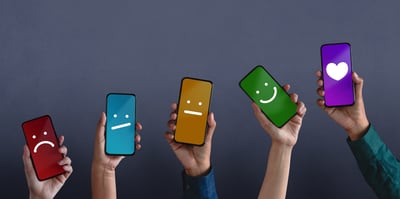
The format of feedback collection is less important than the organization’s commitment to acting upon it. Ignoring employee input after soliciting it is a swift path to disengagement. Closing the feedback loop by communicating what was heard, what actions are being taken, and what the outcomes will be builds credibility and reinforces the value of employee voices. Transparency, even when the answer is "not right now," is key to maintaining trust.
6. Consistent Recognition and Reward for Deskless Employees
Recognition stands out as one of the most potent and accessible tools for building connection with deskless employees – and paradoxically, one of the most frequently overlooked. Frontline workers often operate at a rapid pace, adeptly solving problems in real-time and performing essential duties that keep the business running smoothly. When this dedication and effort go unnoticed, disengagement can easily follow. Conversely, consistent and meaningful recognition cultivates a sense of value, belonging, and motivation, significantly boosting employee morale and retention.
For maximum impact, recognition programs should be:
- Timely: Acknowledging contributions soon after they occur.
- Specific: Clearly articulating what is being recognized and why.
- Meaningful: Tailored to the individual or team and aligned with company values.
- Visible: Shared with others to amplify positive behaviors and inspire colleagues.
- Inclusive: Accessible to all employees, regardless of their role or location.
For deskless workforces, effective recognition programs often incorporate:
- Peer-to-Peer Recognition: Empowering colleagues to acknowledge each other’s efforts, fostering a supportive team environment.
- Manager Spot Awards: Allowing managers to provide immediate, tangible recognition for exceptional performance.
- Public Shout-Outs: Highlighting achievements through company-wide channels, including mobile platforms and digital displays.
- Tangible Rewards: Offering small but meaningful rewards like gift cards, extra time off, or company merchandise.
Accessibility is paramount. If recognition is confined to desktop systems or exclusive corporate events, many deskless employees will miss out entirely. An inclusive and immediate recognition experience ensures that these valuable contributions are consistently celebrated, making the process more meaningful and impactful.
7. Investing in Onboarding and Development for Frontline Workers
The initial period of employment, particularly the first six months, can significantly shape an employee’s long-term experience and commitment. For deskless workers, a poorly executed or inconsistent onboarding process can lead to disengagement before it even has a chance to develop. In high-turnover industries, this can be a particularly costly mistake. Early experiences are foundational, influencing whether new hires feel confident, supported, and inclined to stay with the organization.
A robust onboarding program for deskless employees should ensure they quickly understand:
- Their Role and Responsibilities: Clear expectations for their daily tasks and objectives.
- Company Culture and Values: How the organization operates and what principles guide its actions.
- Key Contacts and Support Systems: Who to turn to for assistance with different issues.
- Available Resources and Tools: How to access information, training, and support.
- The Impact of Their Work: How their contributions connect to the broader organizational mission.
Onboarding should not conclude after the first week. Ongoing training and development are equally vital, especially when delivered in formats compatible with frontline work. Micro-learning modules, short instructional videos, and mobile-friendly training platforms make it easier for employees to acquire new skills and knowledge without requiring extended periods away from their duties. This investment also sends a powerful message: professional growth and development are not exclusive to employees in traditional office settings.
8. Measuring, Learning, and Continuously Improving
To effectively enhance communication and engagement for the deskless workforce, a robust measurement strategy is indispensable. This involves moving beyond simply tracking whether a message was sent and focusing on whether it was actually received, understood, and acted upon. The right metrics provide HR teams with critical insights into what strategies are effective, where communication gaps persist, and how these efforts are influencing broader business outcomes.
Key performance indicators for measuring deskless communication and engagement may include:
- Message Read/Open Rates: For digital communications, tracking engagement with specific content.
- Survey Participation and Response Rates: Gauging the willingness of employees to provide feedback.
- Employee Net Promoter Score (eNPS): Measuring overall employee loyalty and advocacy.
- Retention Rates: Tracking the impact of engagement initiatives on employee turnover.
- Productivity Metrics: Correlating communication efforts with improvements in operational efficiency.
- Customer Satisfaction Scores: Assessing the link between frontline engagement and customer experience.
Regular measurement allows for the refinement of communication strategies over time and builds a compelling business case for continued investment. It ensures that the organization’s approach evolves with the workforce, rather than remaining static based on outdated assumptions. If a frontline communication strategy relies on guesswork, it is likely to fall behind the curve.
Building a More Connected Frontline with Reward Gateway | Edenred
Effectively connecting with deskless employees requires more than good intentions; it demands the right tools, consistent habits, and a strategy meticulously designed around the realities of frontline work. Reward Gateway | Edenred is dedicated to helping organizations reach, engage, and recognize their deskless workforce through solutions specifically crafted for today’s dynamic labor market. From mobile-first communication and accessible employee recognition programs to robust feedback and engagement tools, we empower HR leaders to cultivate more connected and meaningful experiences for every member of their team, not just those behind a desk.
For organizations ready to bridge the communication gap between corporate messaging and their invaluable frontline teams, Reward Gateway | Edenred offers the expertise and technology to build a communication and recognition strategy that drives tangible results and fosters a thriving, unified workforce.