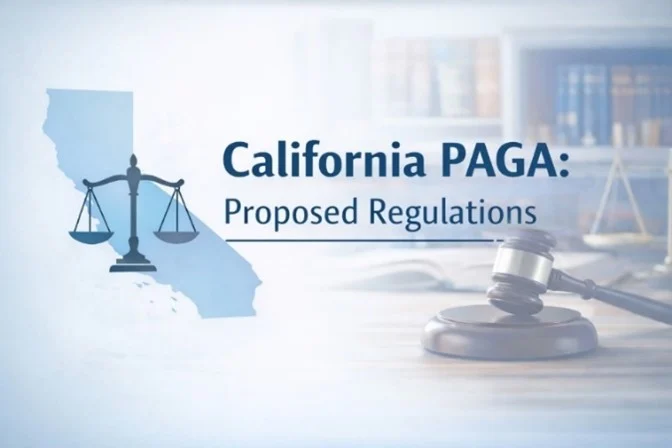
The California Labor and Workforce Development Agency (LWDA) has officially moved into the next phase of overhauling the state’s controversial Private Attorneys General Act (PAGA) by issuing a comprehensive Notice of Proposed Rulemaking. Released on February 6, 2026, these proposed regulations are designed to provide the administrative structure necessary to implement the sweeping legislative amendments passed in 2024. The move signals a concerted effort by state regulators to curb the tide of high-frequency litigation while ensuring that legitimate labor violations are addressed with greater transparency and administrative oversight. According to the LWDA, the new rules aim to clarify the rights and obligations of both employers and employees, creating a more predictable environment for resolving workplace disputes without immediate recourse to the courts.
The Evolution of PAGA: From Enforcement Tool to Litigation Lightning Rod
The Private Attorneys General Act, originally enacted in 2004, was designed to empower employees to act as "private attorneys general" to recover civil penalties for Labor Code violations that would otherwise be handled by the state. While the intent was to augment the LWDA’s limited enforcement resources, the act eventually became a significant point of contention for the California business community. Critics argued that PAGA led to "shakedown" lawsuits where minor technical errors resulted in massive penalties, with the bulk of settlements often going toward attorney fees rather than the affected workers.
In June 2024, following intense negotiations between organized labor and business groups, Governor Gavin Newsom signed a reform package (SB 92 and AB 2288) intended to stave off a more radical ballot initiative. These reforms introduced stricter standing requirements—requiring the named plaintiff to have personally experienced the alleged violations—and provided new pathways for employers to "cure" violations to reduce or eliminate penalties. However, the legislation left many of the procedural specifics to the LWDA, necessitating the current rulemaking process.
Statistical Realities: Why Legislative Reform Wasn’t Enough
The LWDA’s decision to pursue these regulations was driven in large part by data suggesting that the 2024 legislative changes did not immediately diminish the volume of PAGA litigation. Rulemaking materials released by the Agency reveal a persistent trend in filing practices that have raised concerns about the efficiency of the current system.
During the 2024–2025 fiscal year, the LWDA received a total of 8,846 PAGA notices. Despite the new standing requirements intended to filter out meritless claims, the Agency noted that a significant portion of these notices continued to rely on generalized, "boilerplate" allegations with minimal factual substantiation. Perhaps more striking is the concentration of these filings among a small subset of the legal community. Data shows that just five law firms were responsible for 2,086 PAGA notices during that period, accounting for approximately 24% of all filings in the state.
Individual attorney data further illustrates this concentration. The LWDA reported instances where single attorneys filed hundreds of notices within a single year, sometimes averaging more than one filing per day. This high-volume, "mill-style" approach to litigation is a primary target of the proposed 2026 regulations, as the state seeks to shift the focus from quantity to the quality and legitimacy of claims.
Key Pillars of the Proposed 2026 Regulations
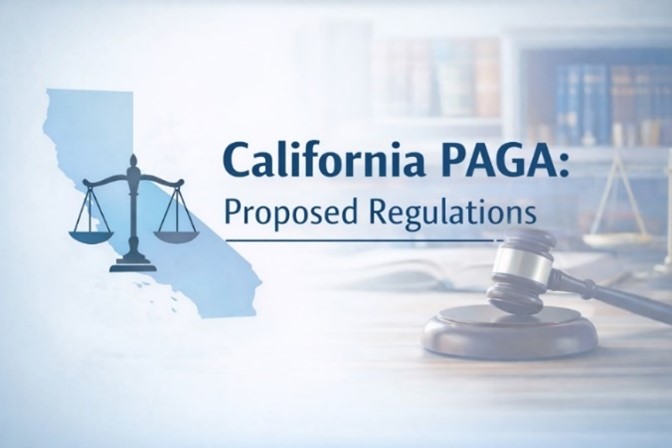
The proposed regulations introduce several high-impact changes to the administrative process that must occur before a PAGA lawsuit can be filed in court. These changes are categorized into four primary areas: notice specificity, employer response mechanisms, small business protections, and settlement oversight.
1. Enhanced Notice Requirements and Certification
Under the proposed Section 17420, the LWDA will transition away from unstructured letter-style notices. Instead, claimants will be required to use a standardized LWDA form. This form mandates fact-specific allegations tied directly to the claimant’s personal employment experience. Crucially, the regulations introduce a certification requirement similar to Rule 11 of the Federal Rules of Civil Procedure. The claimant or their attorney must sign the notice, certifying that after a reasonable inquiry, the claims are not being presented for an improper purpose, are legally supported, and have evidentiary backing. This is a direct attempt to eliminate the practice of filing "placeholder" notices intended to secure a spot in line for litigation without having conducted a preliminary investigation.
2. The Formal Employer Response Process
For the first time, the regulations establish a formalized, optional mechanism for employers to respond to PAGA notices. Proposed Section 17421 allows employers to submit a response within 33 days of receiving a notice. This provides an early window for employers to present evidence that a violation did not occur or to demonstrate that they have already taken steps to rectify the issue. By encouraging this early exchange of information, the LWDA hopes to resolve disputes at the administrative level before they escalate into costly superior court litigation.
3. Defined Cure Procedures for Small Employers
The 2024 reforms introduced a "cure" process for employers with fewer than 100 employees, allowing them to avoid litigation by correcting violations. The 2026 proposed regulations formalize this by defining the exact filings required to initiate a cure and placing the LWDA in an active oversight role. This "pre-litigation administrative cure" is intended to be a shield for small businesses that may have committed inadvertent technical errors, such as wage statement omissions, providing them a clear path to compliance without the threat of predatory lawsuits.
4. Oversight of Settlements and "Scope Creep"
One of the most significant changes involves the settlement stage. The LWDA has observed a trend where PAGA notices are amended late in the process—often during settlement negotiations—to include a vast array of violations not originally alleged. Proposed Section 17420.5(d) would prohibit claimants from amending a notice to add new violations once a settlement is underway. This prevents the inclusion of "unexamined" claims in a final release, ensuring that the administrative process remains the gatekeeper for all allegations brought under the PAGA umbrella.
Chronology of the Rulemaking Process
The path to the 2026 regulations has been marked by significant public engagement and a strict adherence to the California Administrative Procedure Act.
- June 2024: Legislative reforms (SB 92/AB 2288) are signed into law, providing the statutory basis for new LWDA rules.
- February 6, 2026: The LWDA issues the formal Notice of Proposed Rulemaking, kicking off the 45-day public comment period.
- March 23, 2026: The written comment period closes. The LWDA receives hundreds of submissions from labor unions, chambers of commerce, and legal advocacy groups.
- April 9, 2026: The LWDA holds a public hearing. Representatives from the employer community argue for even stricter notice requirements, while plaintiff-side attorneys express concern that the new rules might create "administrative hurdles" that prevent workers from seeking justice.
- Current Status (Late Spring 2026): The LWDA is currently reviewing the feedback gathered from the hearing and written submissions. A final version of the regulations is expected later this year, potentially with minor modifications to address the "flexibility" concerns raised by practitioners.
Stakeholder Reactions and Analysis
The reaction to the proposed rules has been sharply divided, reflecting the long-standing tensions inherent in California’s labor environment.
Employer advocacy groups have generally welcomed the move toward standardization. "For too long, California businesses have been forced to defend against vague allegations that offer no clue as to what actually went wrong," stated a representative from a prominent statewide business association during the April 9 hearing. "Requiring a signature and a standardized form brings PAGA in line with basic standards of legal accountability."
Conversely, labor advocates and some members of the plaintiffs’ bar have cautioned that the rules could be too rigid. Their primary concern lies in the restriction on amending notices. They argue that facts often come to light during the discovery phase of litigation or during mediation that were not known when the initial notice was filed. By barring the addition of these claims at the settlement stage, they argue the LWDA might inadvertently leave workers without a remedy for genuine violations discovered late in the process.
From a policy perspective, the LWDA’s emphasis on "high-frequency filers" suggests a shift in the state’s enforcement philosophy. By focusing on the 24% of filings concentrated in just five firms, the Agency is signaling that it intends to use its regulatory power to police the "litigation industry" that has grown around PAGA, rather than just the underlying labor violations.
Implications for California Employers
While the regulations are not yet finalized, their trajectory suggests a new era of PAGA compliance and defense. Employers should consider several strategic adjustments in light of these developments:
- Early Audit and Correction: With the formalization of the "cure" process, there is a greater incentive for employers—especially those with fewer than 100 employees—to conduct proactive audits of their payroll and wage statement practices. Identifying and fixing errors now can provide a robust defense if a PAGA notice is served later.
- Utilization of the 33-Day Response Window: Once the rules are finalized, employers should be prepared to use the 33-day response period aggressively. This requires having a legal and HR team capable of quickly investigating a claim and producing a fact-based rebuttal to the LWDA.
- Monitoring "Vexatious" Trends: Employers should track whether the firms filing notices against them fall into the "high-frequency" category identified by the LWDA. This data may be useful in settlement negotiations or in arguing for greater scrutiny of the notice’s certification.
As the LWDA moves toward finalizing these rules, the landscape of California employment law stands at a crossroads. The success of these regulations will ultimately be measured by whether they can reduce the burden of opportunistic litigation while maintaining a robust system for protecting the rights of California’s workforce. For now, the legal and business communities remain in a state of watchful anticipation, awaiting the final language that will govern PAGA for years to come.