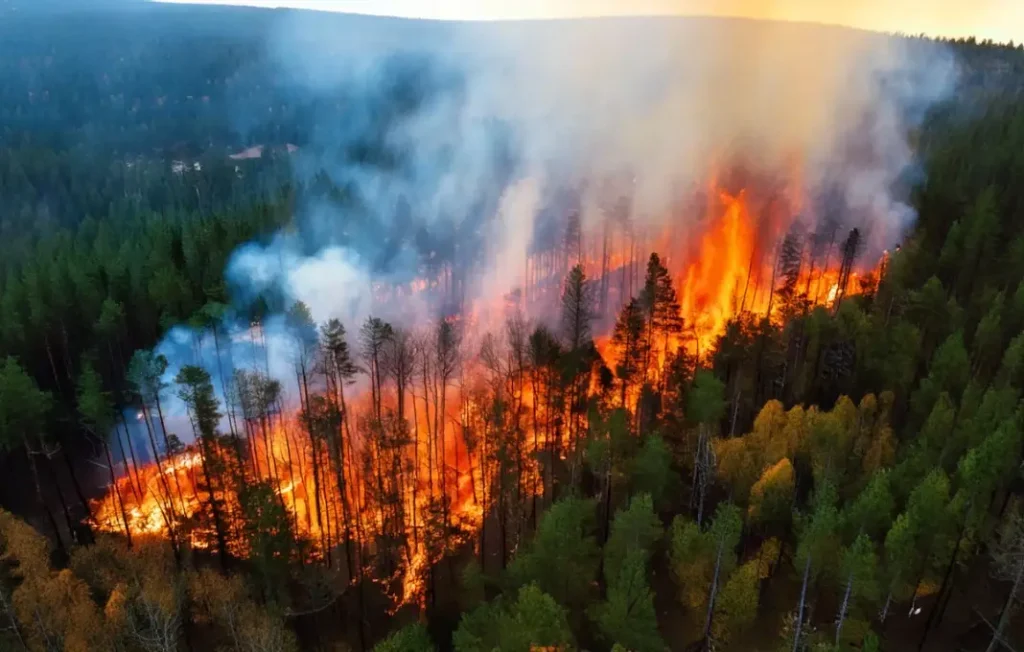
The summer of 2026 has etched a stark reality into the operational strategies of global businesses: climate-induced displacement is no longer a distant threat, but an immediate, pressing concern directly impacting the workforce. As unprecedented wildfires scorched vast swathes of Europe, forcing hundreds of thousands to flee their homes, the traditional corporate playbook for crisis management has been exposed as woefully inadequate. CEOs are now confronted with the urgent necessity of developing robust strategies to support employees directly affected by climate events, acknowledging the organization’s role in contributing to this escalating crisis, and preparing for a future where such disruptions will become the norm.
The scale of the recent European wildfires has been staggering. France and Spain alone saw over 360,000 individuals displaced, with France experiencing what is widely considered its largest peacetime evacuation. The infernos, fueled by record-breaking heatwaves, stretched across national borders, impacting Germany, the United Kingdom, Croatia, and Greece, with elevated fire risks extending eastward to Romania, Hungary, and the Balkans. While predictive technologies and advanced warning systems have thankfully mitigated the death toll compared to historical disasters, the human cost in terms of displacement, trauma, and disruption to daily life is immense. This reality directly translates to the workplace, where employees may be unable to report for duty for weeks, their immediate focus consumed by securing shelter, caring for loved ones, and grappling with the profound emotional and psychological toll of losing their homes and communities.
The Evolving Nature of Workplace Crises
For decades, corporate crisis response has largely been framed around distant events. Disasters in far-flung locations like Haiti, Bangladesh, or seismic events impacting distant supply chains triggered a familiar sequence of actions: public statements of solidarity, donation-matching programs, and perhaps paid volunteer days. This approach, while well-intentioned, was predicated on the assumption that the crisis was external and manageable from a distance. However, the recent wildfires have shattered this paradigm. Employees are not merely experiencing a crisis at a "supply-chain distance"; they are "on the ground," literally displaced and often traumatized by events that have directly impacted their lives. This marks the emergence of a new and rapidly growing category of employee that organizations must urgently develop policies for: the "climate-affected."
The term "climate-affected" extends beyond mere concern or awareness of climate change. It refers to individuals who have directly lived through and been impacted by acute climate events. The psychological ramifications are significant and well-documented. Research consistently links exposure to natural disasters with increased rates of Post-Traumatic Stress Disorder (PTSD), depression, and anxiety. A study published in the Occupational Medicine journal highlighted these connections, underscoring the long-term mental health burden carried by survivors. Furthermore, extreme heat waves alone have been shown to increase hospital admissions for mental health conditions by over 7 percent, according to data compiled by Infeedo.ai. These are not transient emotional states; they are deep-seated impacts that profoundly affect an individual’s capacity to focus, perform, and cope, both personally and professionally.
Breaking the Old Playbook: Three Critical Shifts
The current crisis demands a fundamental rethinking of corporate preparedness and response, moving beyond the outdated "thoughts and prayers" approach. This shift is necessitated by three key factors:
1. The Dissolution of Geographical Distance: Climate Disruption at Our Doorstep
The era of climate disruption as a remote problem has definitively ended. The wildfires devastating Europe are not isolated incidents. Canada, for instance, recorded 4,793 wildfires and 4.1 million hectares burned in the 2026 season alone, with communities in Ontario severely impacted, leading to the evacuation of several First Nations. In the United States, over 51,000 wildfires consumed more than 7.8 million acres, a figure 166 percent above the 10-year average, according to the National Interagency Fire Center. When employees are directly experiencing such events in real-time, the chasm between a generic statement of sympathy and the immediate, tangible need for shelter, resources, and support becomes a critical operational challenge. Most organizations currently lack the established infrastructure and protocols to address this immediate, on-the-ground need.
2. The Enduring Impact on Distressed Employees: Beyond the News Cycle
The resolution of a climate event, such as the extinguishing of a fire, does not signify the end of its impact on individuals. Displacement, the loss of property and financial security, lingering health issues, and the profound grief associated with witnessing beloved places consumed by flames create a complex web of challenges that persist long after the news cycle moves on. Affected employees carry the mental health and productivity impacts for months, and often years. Traditional assumptions about returning to work fail to account for the monumental task of rebuilding lives, which can be a multi-year process.
The economic implications of this sustained distress are substantial. The World Economic Forum estimates that climate-linked disasters will result in an astonishing $2.4 trillion in lost productivity by 2030. This figure, however, does not even account for the cost of a single distressed employee, which research conservatively places at approximately $15,000 per year in lost output, healthcare expenses, and turnover. The impact of extreme heat further exacerbates these costs. Productivity declines by roughly 2.2 percent for every degree Celsius above 18°C, and heat waves alone already cost the global economy approximately 1 percent of GDP annually, according to Roland Berger.
3. The Imperative for Proactive Preparedness: A Standing Playbook for a New Norm
With repeated heat waves and increasingly severe weather events becoming a new category of workforce disruption, companies must establish a standing climate support playbook, akin to their protocols for data breaches or supply chain shocks. UN Secretary-General António Guterres has consistently emphasized this need, urging businesses and governments to move beyond viewing each disaster as an isolated tragedy and instead recognize the "systemic risk that is unfolding before our eyes." This requires a fundamental shift in perspective, from reactive crisis management to proactive resilience building.
Four Urgent Steps for CEO Action
Addressing the challenges posed by climate-affected employees requires a strategic and compassionate approach. CEOs must lead the charge in implementing four critical steps to build organizational resilience and support their people:
1. Establish Immediate Displacement Support Mechanisms
The most pressing need for employees displaced by climate events is immediate, tangible support. This means moving beyond traditional HR policies to create a framework that can respond with the speed and empathy required. When an employee reports that they have been displaced by a climate disaster, the organization must treat this as an operational fact, not an exceptional circumstance requiring lengthy deliberation.
This involves establishing pre-defined protocols for providing emergency housing assistance, such as offering hotel vouchers or temporary accommodation. Companies should also develop procedures for distributing immediate financial aid to cover essential needs like food, clothing, and personal hygiene items. Furthermore, access to counseling services and mental health support should be a readily available, same-day offering. This requires a CEO willing to empower HR and relevant departments to act decisively and compassionately, understanding that the well-being of their people is paramount and directly linked to their long-term productivity and loyalty. The infrastructure for this rapid response must be built before the next crisis, not during it.
2. Integrate Mental Health and Trauma-Informed Care into Employee Benefits
The psychological impact of climate disasters is profound and long-lasting. Companies must recognize that affected employees are not simply experiencing a temporary setback; they are likely dealing with trauma that requires specialized care. This necessitates a significant enhancement of employee benefits to include comprehensive mental health support and trauma-informed care.
This means expanding Employee Assistance Programs (EAPs) to offer a wider range of services, including specialized therapy for trauma, grief counseling, and support for conditions like PTSD. It also involves training HR personnel and line managers to recognize the signs of trauma and distress and to respond with sensitivity and understanding. Companies should consider partnerships with mental health providers who have expertise in disaster-related trauma. Moreover, flexible work arrangements, such as extended leave options, remote work opportunities, and adjusted workloads, should be readily available to allow employees the time and space they need to heal and recover. This proactive integration of mental health support signals a commitment to the holistic well-being of the workforce.
3. Develop a Climate Resilience and Adaptation Plan
Beyond supporting individual employees, organizations must acknowledge their role in the broader context of climate change and develop strategies for long-term resilience and adaptation. This involves a multi-faceted approach that addresses both the company’s environmental footprint and its preparedness for future climate impacts.
Firstly, companies should assess their own vulnerability to climate-related risks, such as extreme weather events, and develop business continuity plans that account for these disruptions. This could involve diversifying supply chains to reduce reliance on climate-vulnerable regions or investing in infrastructure that can withstand extreme weather. Secondly, organizations must actively work to reduce their carbon emissions and embrace sustainable business practices. This not only mitigates their contribution to climate change but also aligns with the growing expectations of employees, customers, and investors for corporate responsibility. Transparency in reporting on climate-related risks and mitigation efforts is also crucial. This strategic planning is not merely about risk management; it is about building a sustainable and responsible future for the organization and its stakeholders.
4. Foster a Culture of Empathy and Continuous Learning
Ultimately, effective support for climate-affected employees hinges on fostering a workplace culture that is deeply empathetic, understanding, and committed to continuous learning. This requires leadership to champion these values from the top down. CEOs must actively communicate the importance of supporting colleagues through difficult times, normalizing conversations around climate anxiety and its impact.
This cultural shift can be nurtured through various initiatives, such as awareness campaigns about climate change and its human cost, workshops on empathetic communication, and the establishment of employee resource groups focused on environmental issues and well-being. Encouraging open dialogue and creating safe spaces for employees to share their experiences and concerns is vital. Furthermore, organizations should commit to regularly reviewing and updating their crisis response protocols based on lessons learned from past events and evolving best practices. This commitment to continuous improvement ensures that the organization remains agile and responsive to the challenges of a changing climate.
The wildfires of 2026 have served as a potent wake-up call. The displacement of employees due to climate events is a reality that demands immediate and strategic attention from CEOs. By implementing these four urgent steps—establishing immediate displacement support, integrating mental health care, developing climate resilience plans, and fostering a culture of empathy—businesses can not only support their people through unprecedented challenges but also build a more resilient, responsible, and sustainable future in the face of a changing world. The time for passive observation has passed; proactive, compassionate action is now imperative.