
The landscape of American healthcare has undergone a significant transformation leading into 2026, with a record number of citizens moving away from traditional employer-sponsored group plans in favor of individual health insurance policies. Whether consumers are enrolling for the first time, transitioning from a corporate plan, or adjusting coverage due to life changes, the process of selecting a policy remains a foundational financial and medical decision. As of August 2026, the marketplace offers a diverse array of public and private exchanges, insurance brokers, and digital shopping platforms designed to streamline the selection process. However, the complexity of actuarial values, network restrictions, and premium tax credits necessitates a thorough understanding of the current insurance environment to ensure both clinical adequacy and fiscal responsibility.
Defining the 2026 Individual Health Insurance Framework
An individual health insurance plan is a policy purchased by a consumer for themselves or their family independently of an employer. Unlike traditional group health insurance, which is selected and partially subsidized by a company, individual plans are acquired directly from health insurers, through licensed brokers, or via state and federal health insurance marketplaces. This autonomy allows individuals to tailor coverage to specific medical needs, choosing preferred benefits and "metallic tiers" that align with their health profiles.
By 2026, market data indicates that individual plans have become increasingly competitive regarding pricing. For instance, in metropolitan areas like Cleveland, Ohio, the average monthly cost for a bronze-level small group plan for a 40-year-old is approximately $670.93. In contrast, a comparable individual plan averages $321.19 per month. This price disparity, combined with the portability of individual insurance—which remains active regardless of employment status as long as premiums are paid—has driven a surge in independent enrollment. Furthermore, the individual market allows for the separate purchase of ancillary benefits, such as dental, vision, and disability insurance, which may not be included in standard employer packages.
The Five Categories of Coverage: Understanding Metal Tiers
The individual market is structured around five primary categories, or "metal tiers," which dictate the cost-sharing relationship between the insurer and the policyholder. These tiers—Catastrophic, Bronze, Silver, Gold, and Platinum—do not reflect the quality of medical care provided but rather the plan’s actuarial value, or the percentage of total average costs for covered benefits that the plan will pay.

- Bronze Plans: The insurer pays approximately 60% of covered medical costs, while the consumer is responsible for 40%. These plans feature the lowest monthly premiums but the highest out-of-pocket costs during care.
- Silver Plans: The insurer covers roughly 70% of costs, leaving 30% to the consumer. This is often considered the "benchmark" tier and is the only tier eligible for cost-sharing reductions.
- Gold Plans: The insurer covers 80% of costs, with the consumer paying 20%. These plans have higher premiums but significantly lower deductibles.
- Platinum Plans: The insurer pays 90% of costs, and the consumer pays 10%. These represent the highest monthly premiums and are generally utilized by those with chronic conditions or frequent medical needs.
- Catastrophic Plans: Available primarily to those under 30 or those with specific hardship exemptions, these plans have very low premiums and very high deductibles, serving as a safety net for major medical emergencies.
Under the Affordable Care Act (ACA) guidelines, which remain the regulatory bedrock in 2026, all marketplace plans across these tiers must cover ten essential health benefits, including emergency services, hospitalization, maternity care, and mental health services.
Chronology of the Individual Market Evolution (2010–2026)
The current state of the individual health insurance market is the result of over a decade of legislative and economic shifts.
- 2010–2014: The passage and implementation of the Affordable Care Act (ACA) established the federal and state marketplaces, mandated coverage for pre-existing conditions, and introduced premium tax credits.
- 2017–2019: Regulatory changes led to the expansion of short-term, limited-duration insurance and the effective elimination of the individual mandate penalty, causing temporary market volatility.
- 2020: The introduction of the Individual Coverage Health Reimbursement Arrangement (ICHRA) allowed employers to reimburse employees for individual premiums, creating a bridge between corporate funding and individual choice.
- 2021–2025: Successive legislative actions, including the Inflation Reduction Act, expanded and extended subsidies, making marketplace plans more affordable for middle-income families and leading to record-high enrollment numbers.
- 2026: The market reaches a new level of stabilization. High participation rates have encouraged more insurers to enter the exchanges, increasing competition and diversifying plan options in previously underserved rural areas.
Cost Analysis and Influencing Factors
According to data from KFF, the national average monthly premium for a benchmark ACA plan (the second-lowest-cost silver plan) reached $625 in 2026. While the ACA prohibits insurers from setting prices based on gender or pre-existing conditions, several factors still influence the final cost of a policy:
- Age: Older enrollees generally pay higher premiums, though the "age rating" is capped by law.
- Location: State regulations, local competition among providers, and the cost of living in a specific region significantly impact rates.
- Tobacco Use: Insurers may charge tobacco users up to 50% more than non-users.
- Plan Category: As noted, higher metal tiers (Gold/Platinum) command higher premiums.
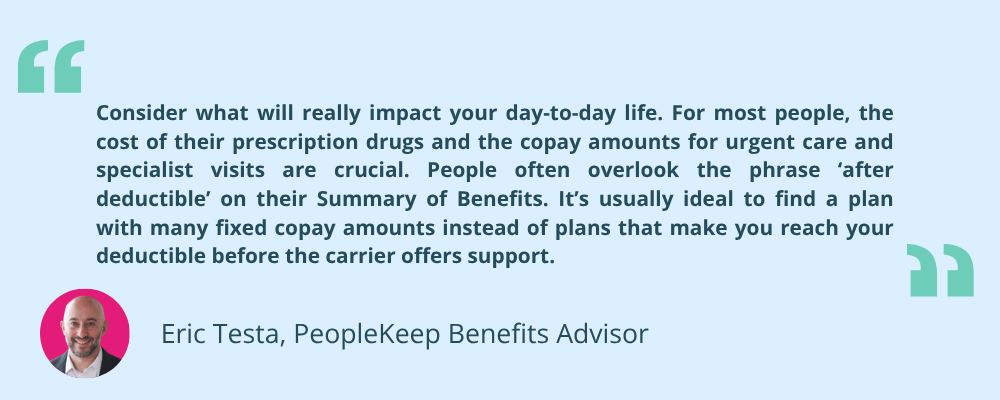
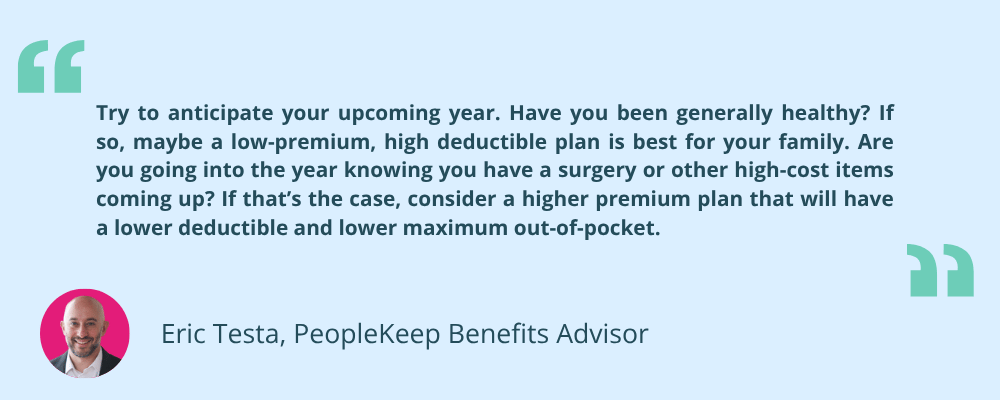
Industry experts emphasize that the premium is only one component of the total cost. Eric Testa, a Benefits Advisor at PeopleKeep, notes that consumers often overlook the "after-deductible" stipulations in their Summary of Benefits. "For most people, the cost of prescription drugs and copay amounts for urgent care are more impactful than the raw premium," Testa stated. He advises healthy individuals to consider low-premium, high-deductible plans, while those anticipating surgery or chronic care should opt for higher-premium plans with lower maximum out-of-pocket limits.
The Role of Health Reimbursement Arrangements (HRAs)
A pivotal development in the 2026 insurance landscape is the widespread adoption of HRAs, specifically the Qualified Small Employer HRA (QSEHRA) and the Individual Coverage HRA (ICHRA). These tools allow employers to provide tax-free dollars to employees to purchase their own individual health insurance.
This shift has empowered workers to maintain "coverage for life," as the policy belongs to the individual, not the company. If an employee changes jobs, they keep their health plan and simply transition to a different employer’s HRA or pay the premium themselves. This has significantly reduced "job lock," where employees remain in roles solely to maintain health benefits. However, participation in an HRA can impact an individual’s eligibility for federal premium tax credits, requiring a careful "affordability" calculation during enrollment.
Official Responses and Market Reactions
Consumer advocacy groups and policy analysts have reacted positively to the 2026 market stability but remain cautious regarding "hidden costs." The National Association of Insurance Commissioners (NAIC) recently issued a bulletin urging consumers to utilize "navigators"—unbiased, government-funded assistants—to help decode complex plan summaries.
"The 2026 market offers more choice than we saw a decade ago," said a representative from a leading healthcare advocacy group. "However, the burden of literacy has shifted to the consumer. Understanding the difference between an HMO (Health Maintenance Organization) and a PPO (Preferred Provider Organization) is now as essential as understanding a mortgage."
Navigating Shopping Resources: Public vs. Private Exchanges
Consumers in 2026 have three primary avenues for securing coverage:
- Public Exchanges: Operated by federal or state governments (e.g., Healthcare.gov), these are the only platforms where consumers can access federal subsidies and premium tax credits. They offer unbiased filtering by price, deductible, and provider network.
- Private Exchanges and Brokers: These platforms are managed by insurance companies or benefits technology firms. While they do not offer federal subsidies, they often provide a broader range of plans, including "off-exchange" policies and ancillary products like life insurance, all in one interface.
- Healthcare Shopping Companies: Private entities such as HealthSherpa, Stride Health, and Catch have become dominant players in 2026. These companies integrate with public exchange data to provide a more user-friendly interface, offering year-round support and personalized recommendations based on a user’s specific doctors and prescriptions.
Broader Economic Impact and Implications
The maturation of the individual health insurance market has profound implications for the U.S. economy. By decoupling healthcare from employment, the 2026 market supports the "gig economy" and entrepreneurial ventures, as health security is no longer tied to a 9-to-5 corporate structure.
Furthermore, the emphasis on individual enrollment is viewed as a critical defense against medical debt. With the average cost of an inpatient hospital stay for heart disease hovering around $21,560, the absence of insurance can lead to immediate financial insolvency. Individual plans, even those at the Bronze level, provide a "maximum out-of-pocket" limit that protects consumers from catastrophic financial loss.
As the 2026 enrollment season continues, the trend is clear: the individual market is no longer a "last resort" for the unemployed, but a preferred destination for a mobile, informed, and health-conscious workforce. The integration of advanced shopping technologies and employer-funded HRAs has created a robust ecosystem that, while complex, offers unprecedented levels of personalization in American healthcare.